


Effect of the skincare product on facial skin microbial structure and biophysical parameters: A pilot study
- PMID: 34713611
- PMCID: PMC8494714
- DOI: 10.1002/mbo3.1236
Effect of the skincare product on facial skin microbial structure and biophysical parameters: A pilot study
Abstract
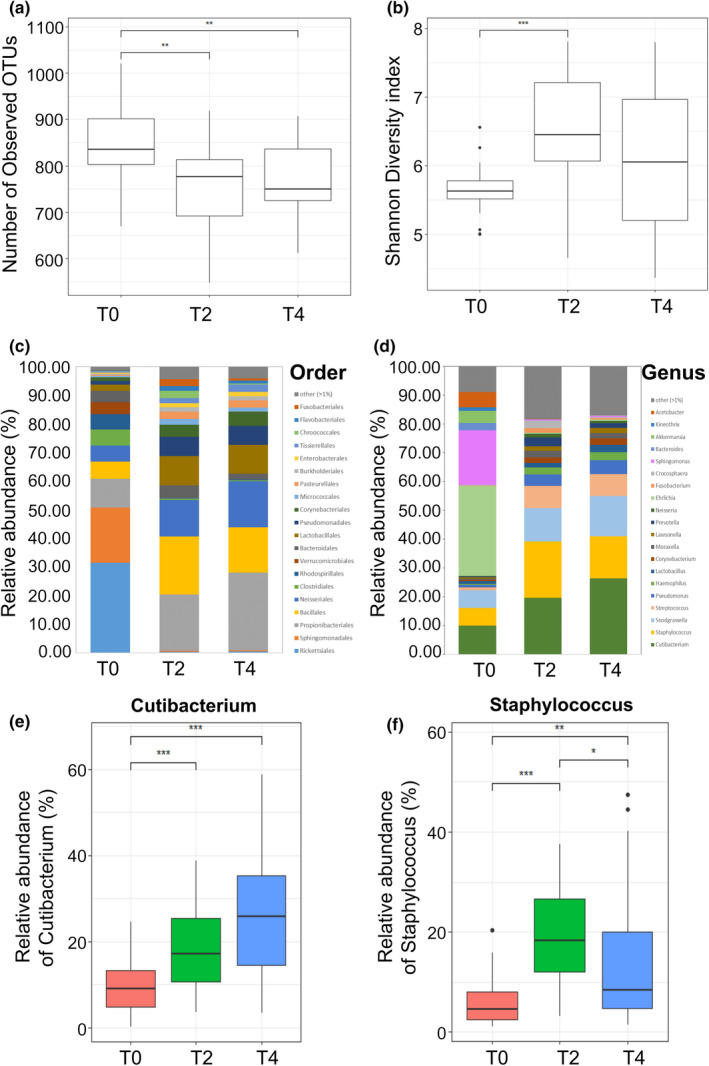
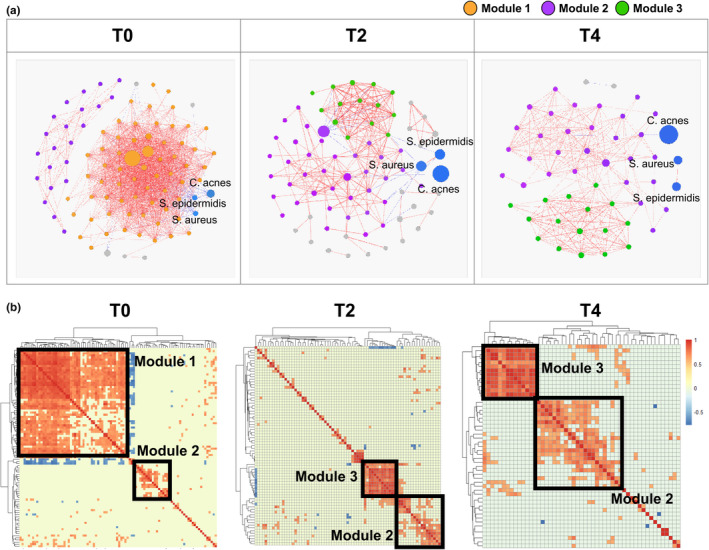
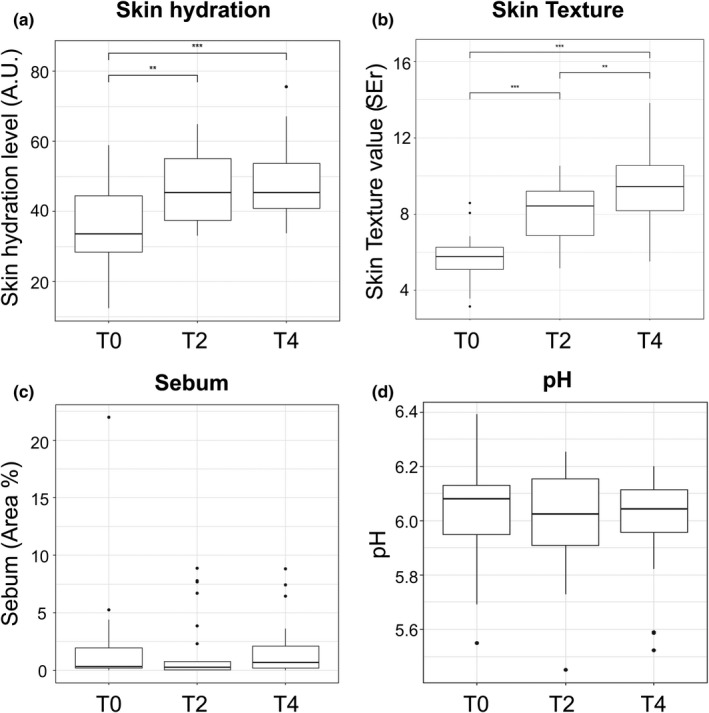
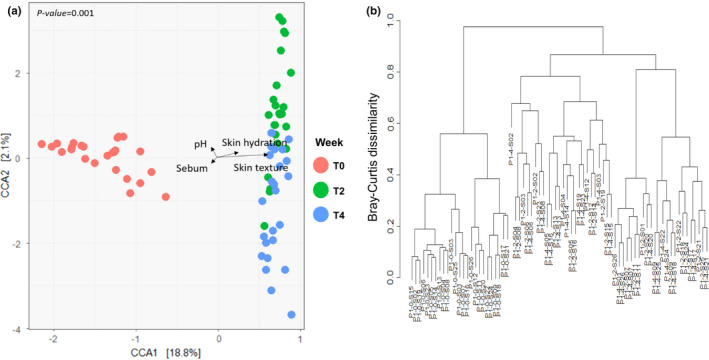
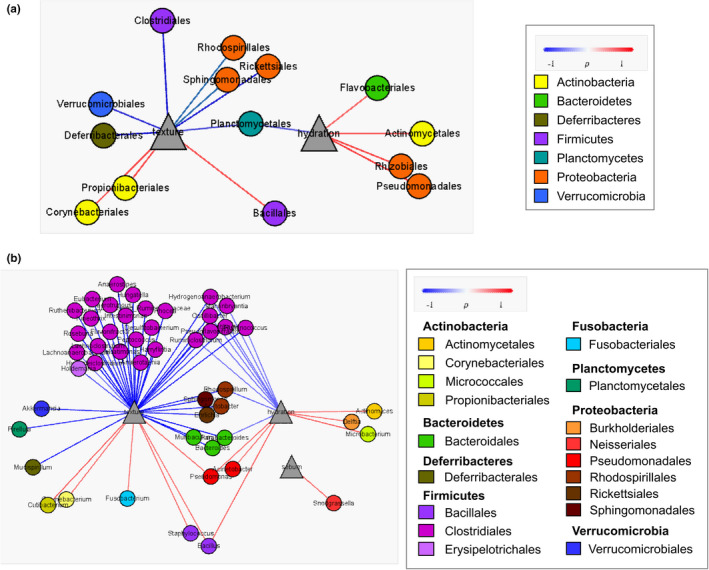
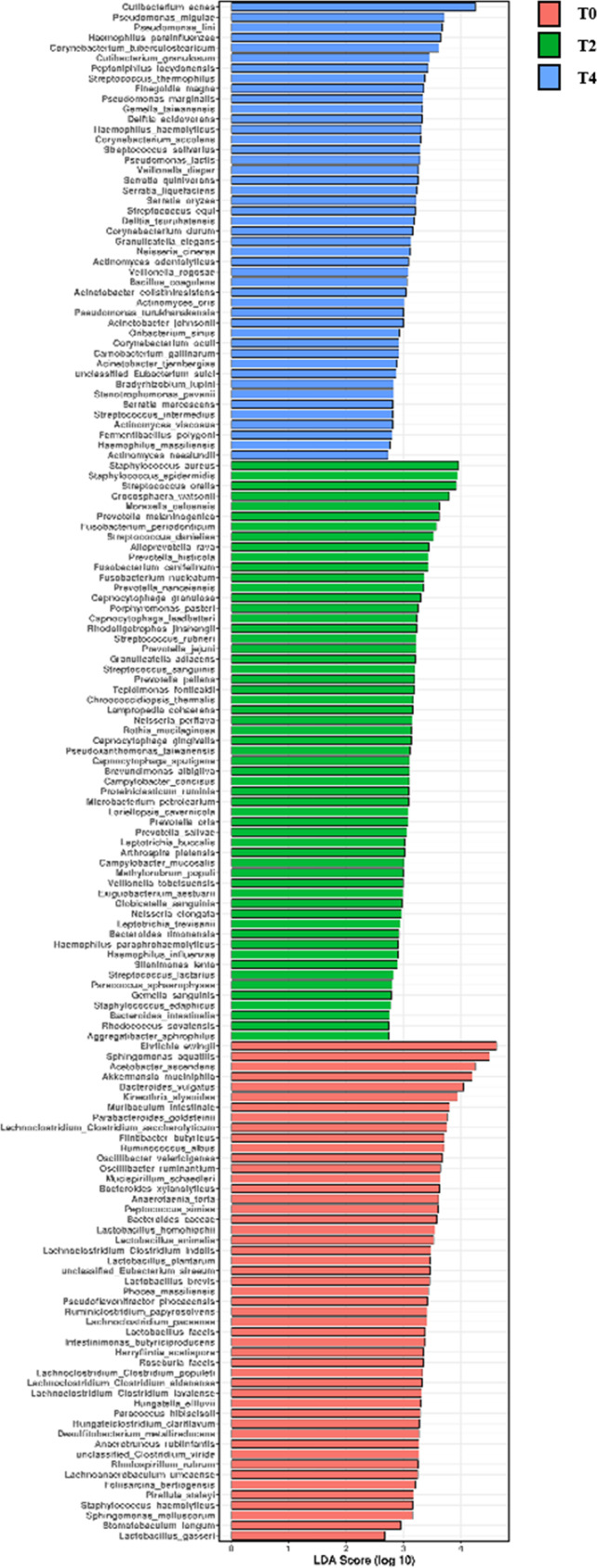
Daily use of cosmetics is known to affect the skin microbiome. This study aimed to determine the bacterial community structure and skin biophysical parameters following the daily application of a skincare product on the face. Twenty-five Korean women, who used the same skincare product for four weeks participated in the study. During this period, skin hydration, texture, sebum content, and pH were measured, and skin swab samples were collected on the cheeks. The microbiota was analyzed using the MiSeq system. Through these experiments, bacterial diversity in facial skin increased and the microbial community changed after four weeks of skincare product application. The relative abundance of Cutibacterium and Staphylococcus increased, significant changes in specific bacterial modules of the skin microbial network were observed, and skin hydration and texture improved. It was suggested that daily use of skincare products could affect the microbial structure of facial skin as well as the biophysical properties of the facial skin. These findings expand our understanding of the role of skincare products on the skin environment.
Keywords: skin environment; skin microbiome; skin physiology; skincare product.
© 2021 The Authors. MicrobiologyOpen published by John Wiley & Sons Ltd.
Conflict of interest statement
All authors are employees of LG Household and Health Care.
Figures
References
-
- Bastian, M. , Heymann, S. , & Jacomy, M. (2009). Gephi: An open source software for exploring and manipulating networks. In International AAAI conference on weblogs and social media.
-
- Bouslimani, A. , da Silva, R. , Kosciolek, R. , Janssen, S. , Callewaert, C. , Amir, A. , Dorrestein, K. , Melnik, A. V. , Zaramela, L. S. , Kim, J. N. , Humphrey, G. , Schwartz, T. , Sanders, K. , Brennan, C. , Luzzatto‐Knaan, T. , Ackermann, G. , McDonald, D. , Zengler, K. , Knight, R. , & Dorrestein, P. C. (2019). The impact of skin care products on skin chemistry and microbiome dynamics. BMC Biology, 17, 47. 10.1186/s12915-019-0660-6. - DOI - PMC - PubMed
MeSH terms
Substances
LinkOut - more resources
Full Text Sources
Medical
