Extracellular pH, osmolarity, temperature and humidity could discourage SARS-CoV-2 cell docking and propagation via intercellular signaling pathways
- PMID: 34721966
- PMCID: PMC8515994
- DOI: 10.7717/peerj.12227
Extracellular pH, osmolarity, temperature and humidity could discourage SARS-CoV-2 cell docking and propagation via intercellular signaling pathways
Abstract
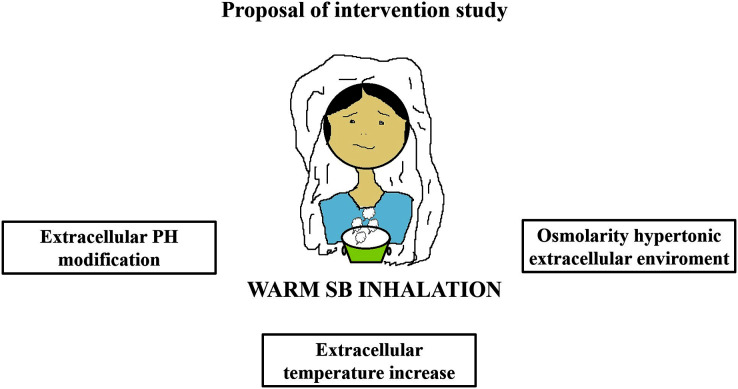
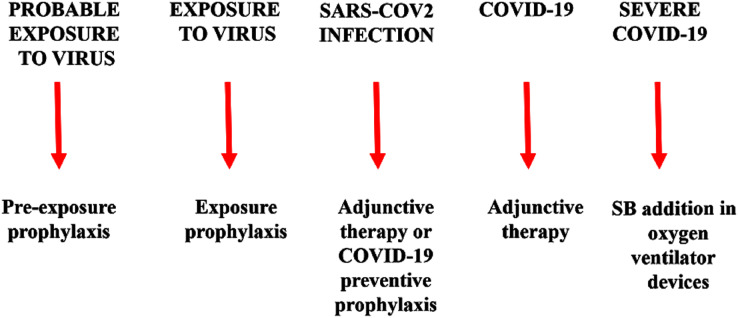
The COVID-19 pandemic and its virus variants continue to pose a serious and long-lasting threat worldwide. To combat the pandemic, the world's largest COVID-19 vaccination campaign is currently ongoing. As of July 19th 2021, 26.2% of the world population has received at least one dose of a COVID-19 vaccine (1.04 billion), and one billion has been fully vaccinated, with very high vaccination rates in countries like Israel, Malta, and the UEA. Conversely, only 1% of people in low-income countries have received at least one dose with examples of vaccination frequency as low as 0.07% in the Democratic Republic of Congo. It is thus of paramount importance that more research on alternate methods to counter cell infection and propagation is undertaken that could be implemented in low-income countries. Moreover, an adjunctive therapeutic intervention would help to avoid disease exacerbation in high-rate vaccinated countries too. Based on experimental biochemical evidence on viral cell fusion and propagation, herein we identify (i) extracellular pH (epH), (ii) temperature, and (iii) humidity and osmolarity as critical factors. These factors are here in discussed along with their implications on mucus thick layer, proteases, abundance of sialic acid, vascular permeability and exudate/edema. Heated, humidified air containing sodium bicarbonate has long been used in the treatment of certain diseases, and here we argue that warm inhalation of sodium bicarbonate might successfully target these endpoints. Although we highlight the molecular/cellular basis and the signalling pathways to support this intervention, we underscore the need for clinical investigations to encourage further research and clinical trials. In addition, we think that such an approach is also important in light of the high mutation rate of this virus originating from a rapid increase.
Keywords: Economic medical device; Preventive therapy; SARS-CoV-2; User-friendly therapy; Virus infection.
© 2021 Cicconetti et al.
Conflict of interest statement
Maria Cristina Albertini is an Academic Editor for PeerJ.
Figures
References
-
- Abou Alaiwa MH, Reznikov LR, Gansemer ND, Sheets KA, Horswill AR, Stoltz DA, Zabner J, Welsh MJ. pH modulates the activity and synergism of the airway surface liquid antimicrobials β-defensin-3 and LL-37. Proceedings of the National Academy of Sciences of the United States of America. 2014;111(52):18703–18708. doi: 10.1073/pnas.1422091112. - DOI - PMC - PubMed
-
- Angelova MI, Bitbol AF, Seigneuret M, Staneva G, Kodama A, Sakuma Y, Kawakatsu T, Imai M, Puff N. pH sensing by lipids in membranes: the fundamentals of pH-driven migration, polarization and deformations of lipid bilayer assemblies. Biochimica et Biophysica Acta (BBA)-Biomembranes. 2018;1860(10):2042–2063. doi: 10.1016/j.bbamem.2018.02.026. - DOI - PubMed
-
- Baj A, Novazzi F, Ferrante FD, Genoni A, Cassani G, Prestia M, Colombo A, Capuano R, Zago C, Pasciuta R, Tamborini A, Rossi A, Tettamanzi E, Catanoso G, Focosi D, Maffioli L, Maggi F. Introduction of SARS-COV-2 C.37 (WHO VOI lambda) from Peru to Italy. Journal of Medical Virology. 2021 doi: 10.1002/JMV.27235. Epub ahead of print 27 July 2021. - DOI - PMC - PubMed
LinkOut - more resources
Full Text Sources
Research Materials
Miscellaneous