


WHO International Standard for evaluation of the antibody response to COVID-19 vaccines: call for urgent action by the scientific community
- PMID: 34723229
- PMCID: PMC8547804
- DOI: 10.1016/S2666-5247(21)00266-4
WHO International Standard for evaluation of the antibody response to COVID-19 vaccines: call for urgent action by the scientific community
Abstract
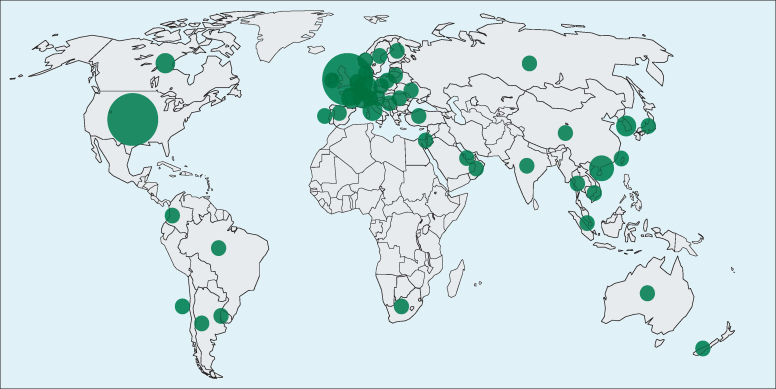
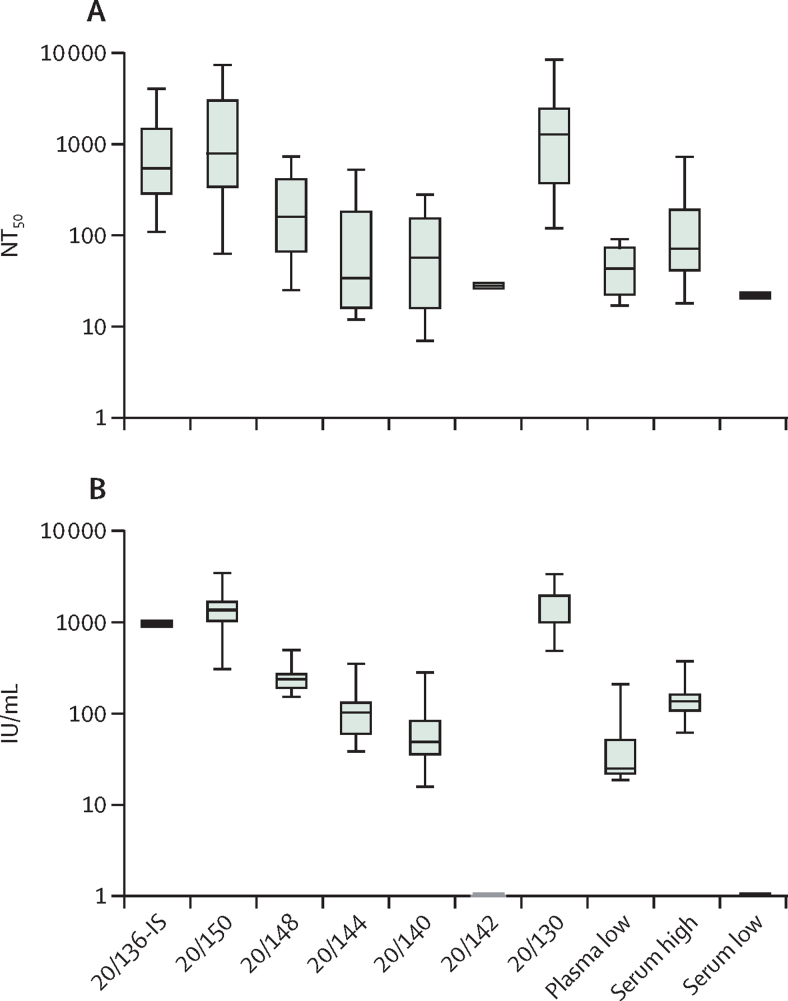
The first WHO International Standard and International Reference Panel for anti-SARS-CoV-2 immunoglobulin were established by the WHO Expert Committee on Biological Standardization in December, 2020. The WHO International Antibody Standards are intended to serve as global reference reagents, against which national reference preparations or secondary standards can be calibrated. Calibration will facilitate comparison of results of assays (eg, of the neutralising antibody response to candidate COVID-19 vaccines) conducted in different countries. Use of these standards is expected to contribute to better understanding of the immune response, and particularly of the correlates of protection. This Personal View provides some technical details of the WHO Antibody Standards for SARS-CoV-2, focusing specifically on the use of these standards for the evaluation of the immune response to COVID-19 vaccines, rather than other applications (eg, diagnostic or therapeutic). The explanation with regard to why rapid adoption of the standards is crucial is also included, as well as how funders, journals, regulators, and ethics committees could drive adoption in the interest of public health.
© 2022 World Health Organization.
Conflict of interest statement
We declare no competing interests.
Figures
References
-
- WHO COVID-19 vaccine tracker and landscape. 2021. https://www.who.int/who-documents-detail/draft-landscape-of-covid-19-can...
-
- WHO Status of COVID-19 vaccines within WHO EUL/PQ evaluation process. 2021. https://extranet.who.int/pqweb/sites/default/files/documents/Status_COVI...
-
- WHO Guidelines on clinical evaluation of vaccines: regulatory expectations. 2017. http://www.who.int/entity/biologicals/expert_committee/WHO_TRS_1004_web_...
-
- Page M, Wilkinson DE, Mattiuzzo G, Efstathiou S, Minor P. Developing biological standards for vaccine evaluation. Future Virol. 2017;12:431–437.
Publication types
MeSH terms
Substances
Grants and funding
LinkOut - more resources
Full Text Sources
Medical
Miscellaneous
