


Polysubstance use in inflammatory bowel disease
- PMID: 34724329
- PMCID: PMC8688202
- DOI: 10.1111/1751-2980.13064
Polysubstance use in inflammatory bowel disease
Abstract
Objectives: We aimed to evaluate the incidence, predisposing factors and impacts of polysubstance use (PSU) (ie, the concurrent use or abuse of two or more drugs or substances) in inflammatory bowel disease (IBD).
Methods: Data of patients enrolled between 1 January 2015 and 31 August 2019 from a single tertiary care referral center were retrospectively collected. Patients' baseline and clinical characteristics and their antidepressant and/or anxiolytic medications were abstracted. Associations between PSU and patients' characteristics were analyzed. Multivariate logistic regression models were fit, incorporating significant clinical factors.
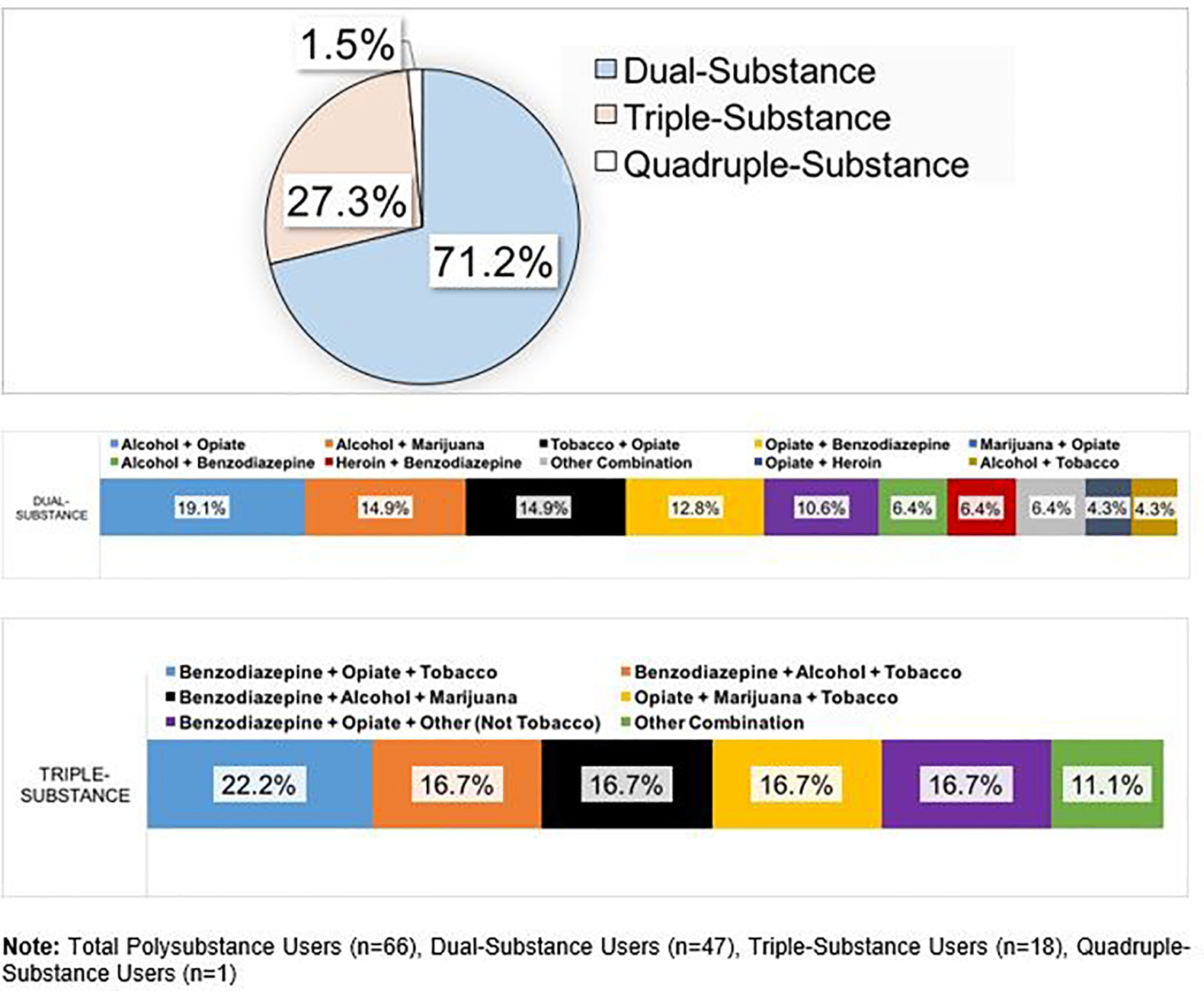
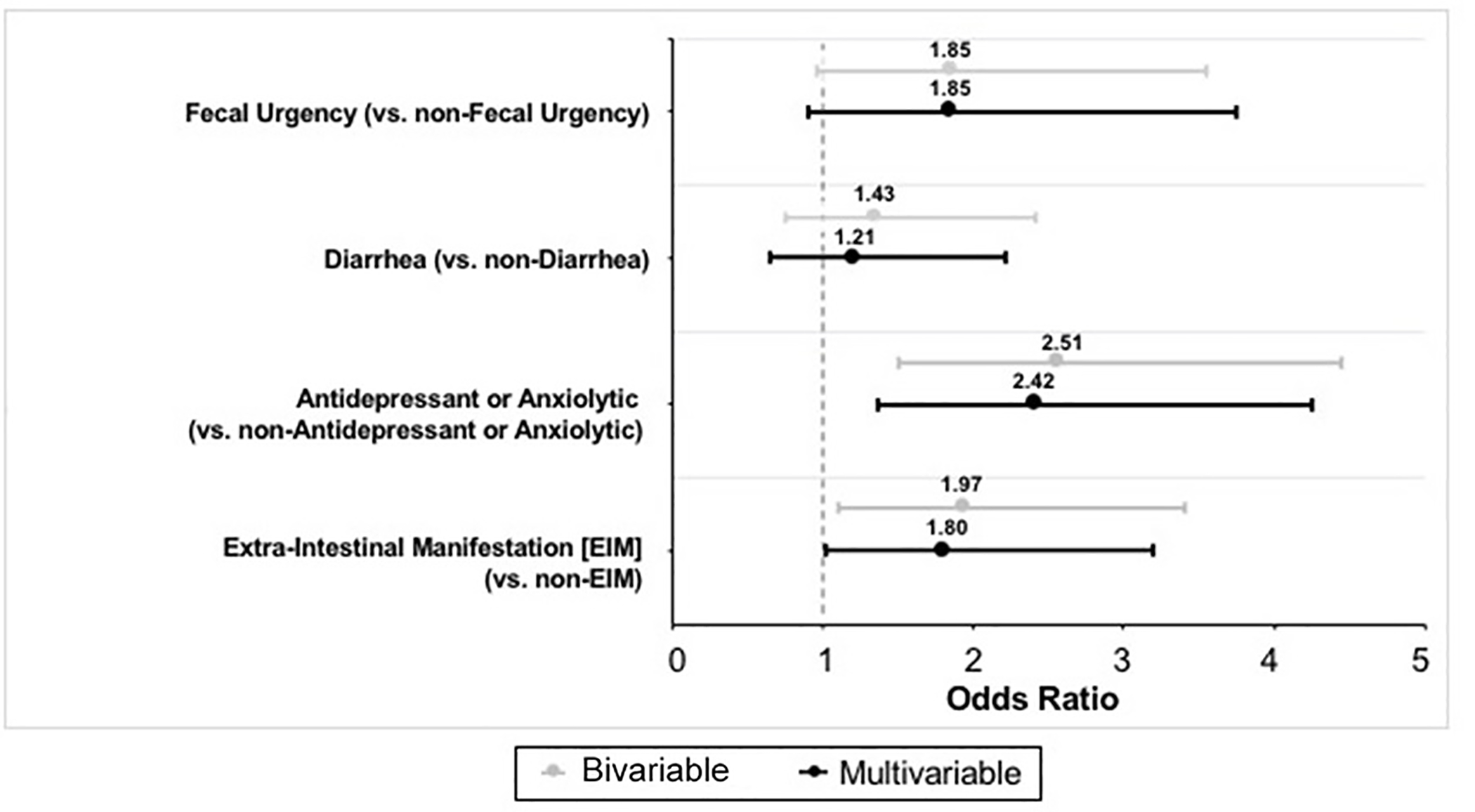
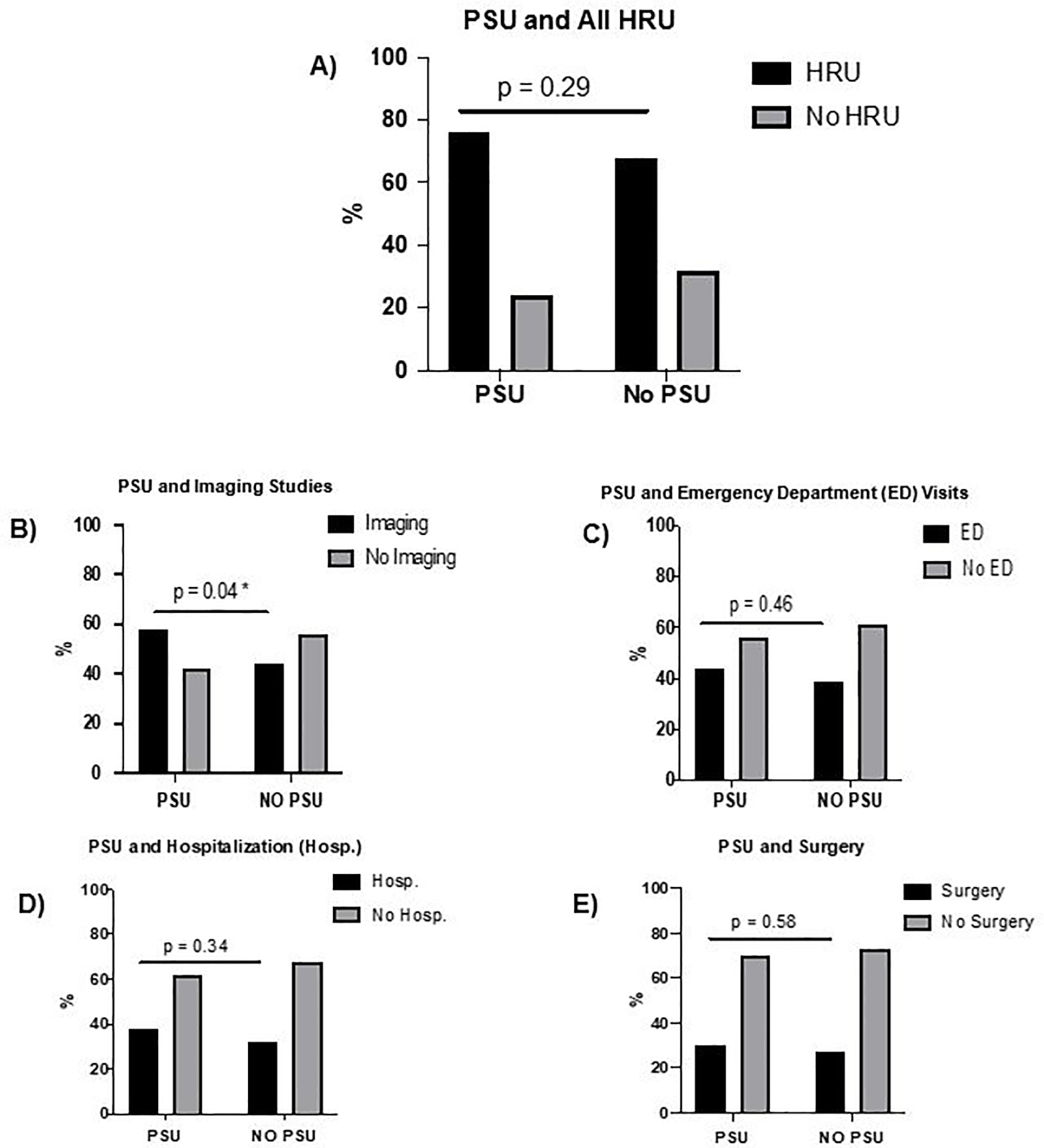
Results: Altogether 315 patients with IBD (166 women, 149 men; 214 with Crohn's disease and 101 ulcerative colitis) were enrolled. Of them, 66 (21.0%) exhibited PSU (CD 21.5%, UC 19.8%); 37.5% had moderate to severe disease activity, 34.3% with extraintestinal manifestations (EIM), 41.6% with an anxious or depressed state and 69.8% had used healthcare resources in the prior 12 months. Moreover, 71.2% used two substances, while 27.3% used three substances. In the total cohort, EIM (odds ratio [OR] 1.97, 95% confidence interval [CI] 1.14-3.34, P = 0.019) and antidepressant or anxiolytic use (OR 2.51, 95% CI 1.45-4.39, P < 0.001) were positively associated with PSU on multivariate analysis. PSU was associated with increased rate of IBD-associated imaging (57.6% vs 47.0%, P < 0.05).
Conclusions: PSU is common in IBD. EIM, antidepressant and/or anxiolytic use and imaging studies were independently associated with PSU. This study reinforces the importance of screening patients with IBD for substance use, particularly those with EIM and using antidepressants and/or anxiolytics.
Keywords: antidepressant and/or anxiolytic use; extraintestinal manifestation; healthcare resource utilization; inflammatory bowel disease; polysubstance use.
© 2021 Chinese Medical Association Shanghai Branch, Chinese Society of Gastroenterology, Renji Hospital Affiliated to Shanghai Jiaotong University School of Medicine and John Wiley & Sons Australia, Ltd.
Conflict of interest statement
Figures
References
-
- Kaplan MA, Korelitz BI. Narcotic dependence in inflammatory bowel disease. J Clin Gastroenterol. 1988;10(3):275–278. - PubMed
-
- Cross RK, Wilson KT, Binion DG. Narcotic use in patients with Crohn’s disease. Am J Gastroenterol. 2005;100(10):2225–2229. - PubMed
-
- Hanson KA, Loftus EV Jr, Harmsen WS, Diehl NN, Zinsmeister AR, Sandborn WJ. Clinical features and outcome of patients with inflammatory bowel disease who use narcotics: A case–control study. Inflamm Bowel Dis. 2009;15(5):772–777. - PubMed
MeSH terms
Grants and funding
LinkOut - more resources
Full Text Sources
Medical
