


Protective Effect of γ-Aminobutyric Acid Against Chilling Stress During Reproductive Stage in Tomato Plants Through Modulation of Sugar Metabolism, Chloroplast Integrity, and Antioxidative Defense Systems
- PMID: 34733294
- PMCID: PMC8559610
- DOI: 10.3389/fpls.2021.663750
Protective Effect of γ-Aminobutyric Acid Against Chilling Stress During Reproductive Stage in Tomato Plants Through Modulation of Sugar Metabolism, Chloroplast Integrity, and Antioxidative Defense Systems
Erratum in
-
Erratum: Protective Effect of γ-Aminobutyric Acid Against Chilling Stress During Reproductive Stage in Tomato Plants Through Modulation of Sugar Metabolism, Chloroplast Integrity, and Antioxidative Defense Systems.Front Plant Sci. 2021 Nov 19;12:812646. doi: 10.3389/fpls.2021.812646. eCollection 2021. Front Plant Sci. 2021. PMID: 34868191 Free PMC article.
Abstract
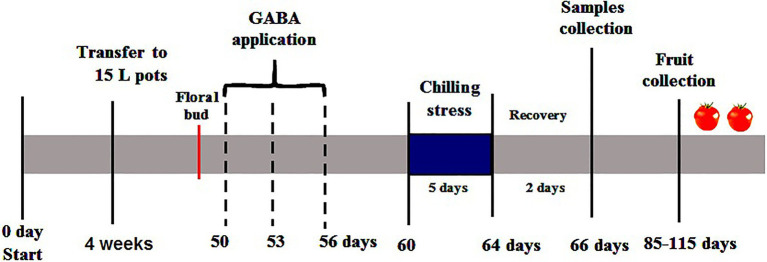
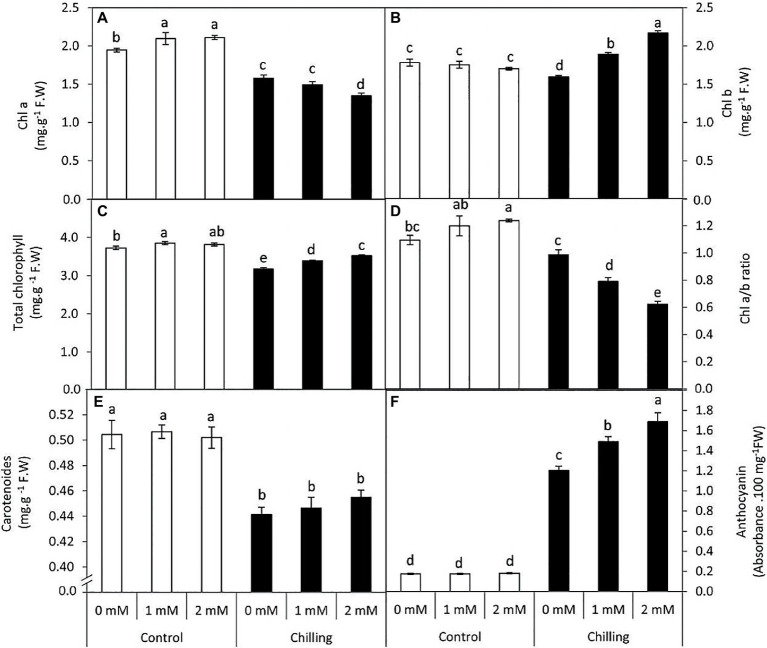
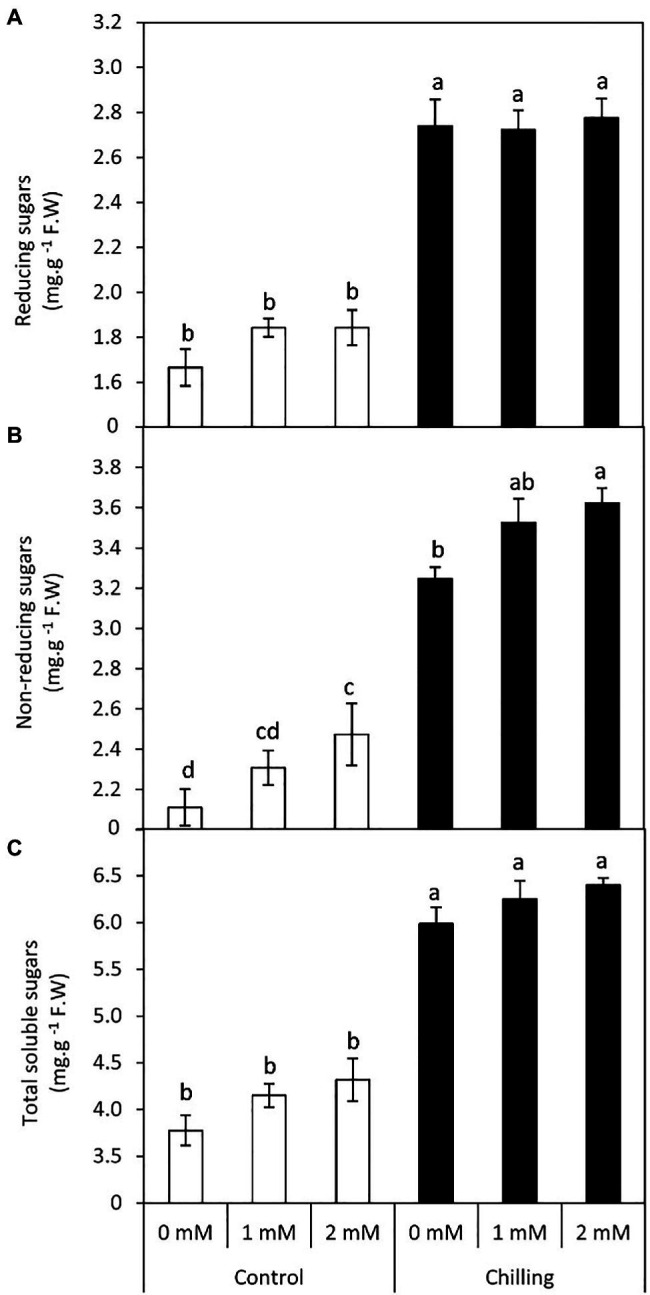
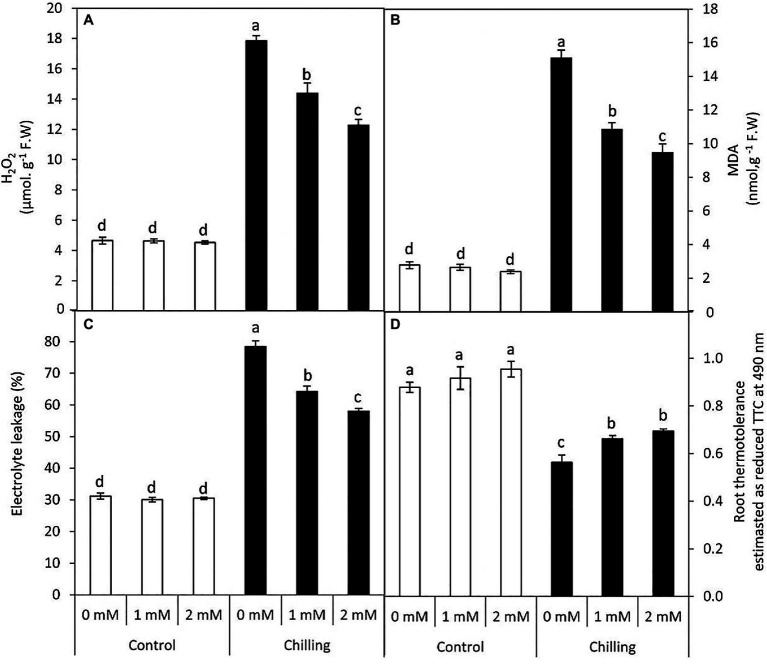
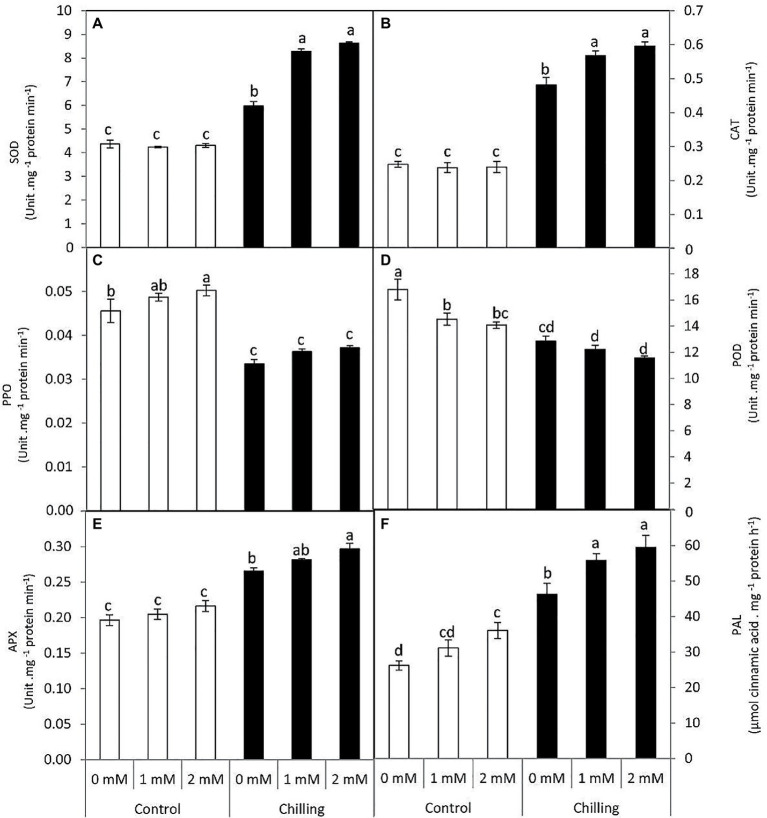
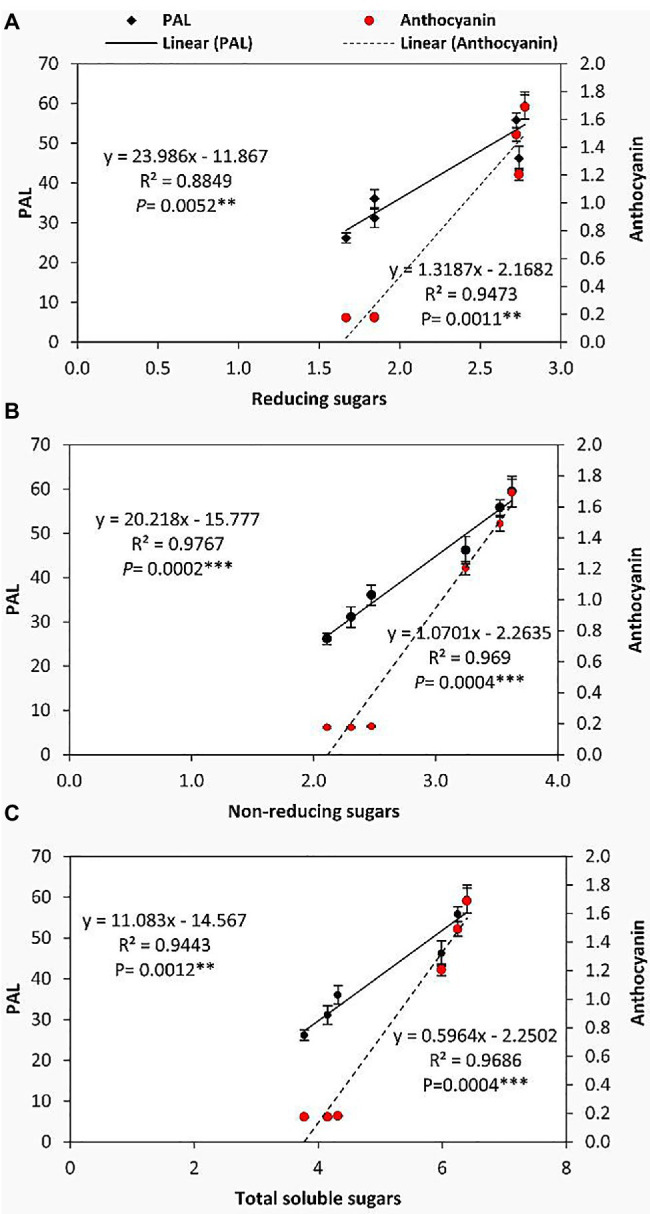
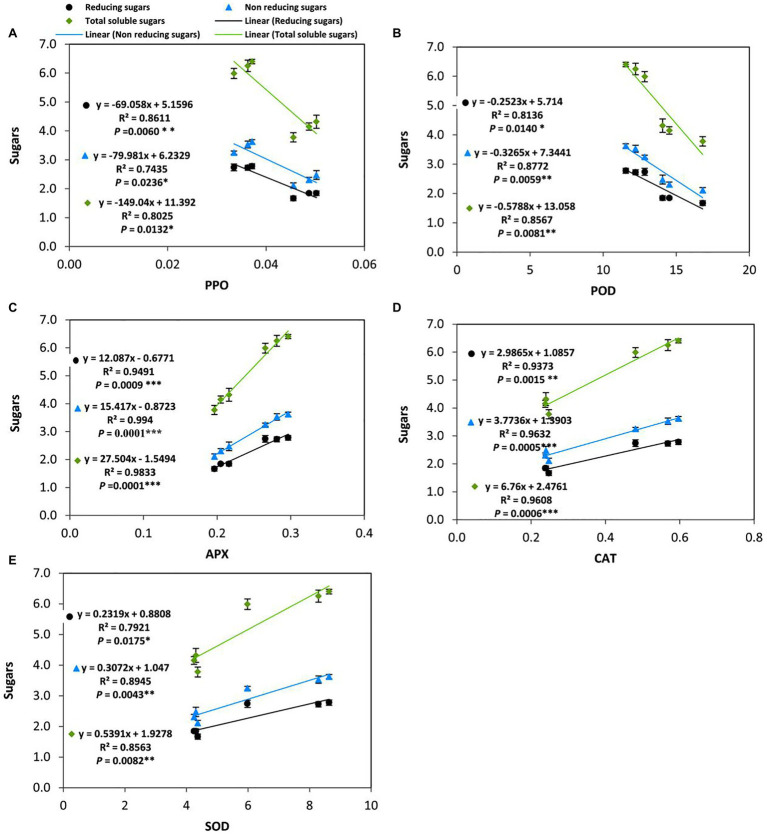
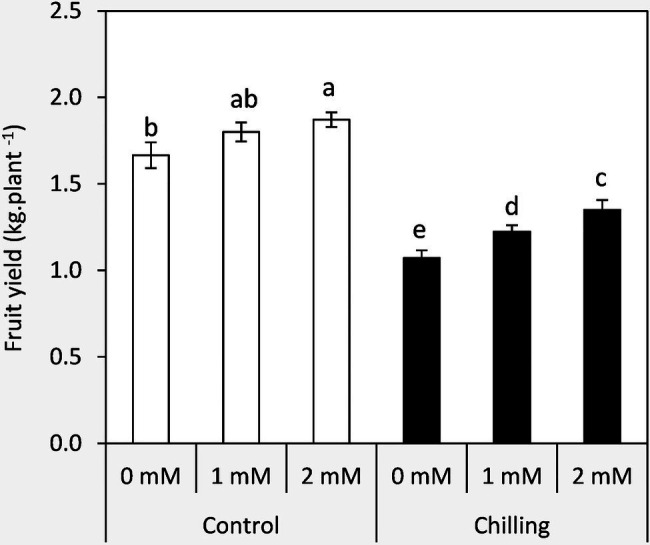
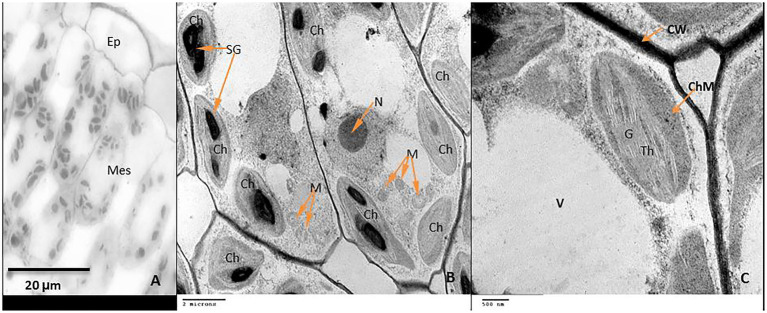
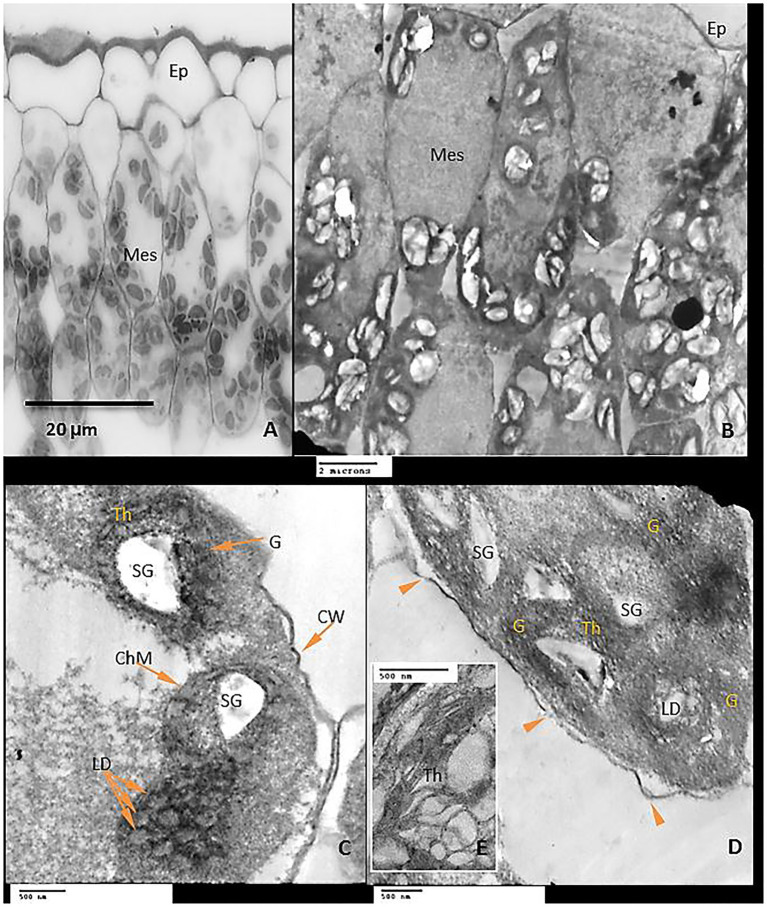
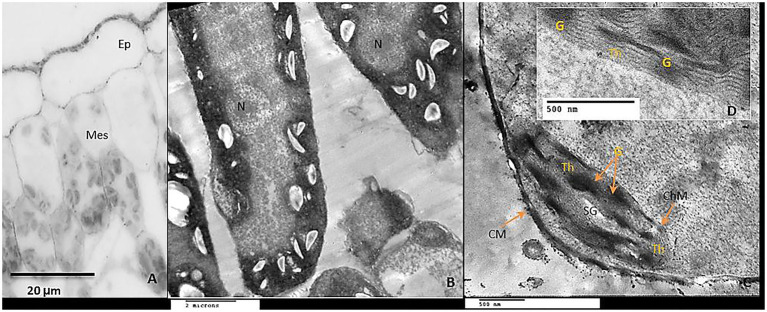
Despite the role of γ-aminobutyric acid (GABA) in plant tolerance to chilling stress having been widely discussed in the seedling stage, very little information is clear regarding its implication in chilling tolerance during the reproductive stage of the plant. Here, we investigated the influence of GABA (1 and 2mM) as a foliar application on tomato plants (Solanum lycopersicum L. cv. Super Marmande) subjected to chilling stress (5°C for 6h/day) for 5 successive days during the flowering stage. The results indicated that applied GABA differentially influenced leaf pigment composition by decreasing the chlorophyll a/b ratio and increasing the anthocyanin relative to total chlorophyll. However, carotenoids were not affected in both GABA-treated and non-treated stressed plants. Root tissues significantly exhibited an increase in thermo-tolerance in GABA-treated plants. Furthermore, applied GABA substantially alleviated the chilling-induced oxidative damage by protecting cell membrane integrity and reducing malondialdehyde (MDA) and H2O2. This positive effect of GABA was associated with enhancing the activity of phenylalanine ammonia-lyase (PAL), catalase (CAT), superoxide dismutase (SOD), and ascorbate peroxidase (APX). Conversely, a downregulation of peroxidase (POX) and polyphenol oxidase (PPO) was observed under chilling stress which indicates its relevance in phenol metabolism. Interesting correlations were obtained between GABA-induced upregulation of sugar metabolism coinciding with altering secondary metabolism, activities of antioxidant enzymes, and maintaining the integrity of plastids' ultrastructure Eventually, applied GABA especially at 2mM improved the fruit yield and could be recommended to mitigate the damage of chilling stress in tomato plants.
Keywords: antioxidants; chilling stress; chloroplast ultrastructure; fruit yield; gamma-aminobutyric acid; oxidative stress; tomato (Solanum lycopersicum L.).
Copyright © 2021 Abd Elbar, Elkelish, Niedbała, Farag, Wojciechowski, Mukherjee, Abou-Hadid, El-Hennawy, Abou El-Yazied, Abd El-Gawad, Azab, Gobouri, El-Sawy, Bondok and Ibrahim.
Conflict of interest statement
The authors declare that the research was conducted in the absence of any commercial or financial relationships that could be construed as a potential conflict of interest.
Figures
References
-
- Abd El-Gawad H. G., Mukherjee S., Farag R., Elbar O. H. A., Hikal M., El-Yazied A. A., et al. (2020). Exogenous γ-aminobutyric acid (GABA)-induced signaling events and field performance associated with mitigation of drought stress in Phaseolus vulgaris L. Plant Signal. Behav. 16:1853384. doi: 10.1080/15592324.2020.1853384, PMID: - DOI - PMC - PubMed
-
- Aghdam M. S., Asghari M., Farmani B., Mohayeji M., Moradbeygi H. (2012). Impact of postharvest brassinosteroids treatment on PAL activity in tomato fruit in response to chilling stress. Sci. Hortic. 144, 116–120. doi: 10.1016/j.scienta.2012.07.008 - DOI
-
- Aghdam M. S., Naderi R., Sarcheshmeh M. A., Babalar M. (2015). Amelioration of postharvest chilling injury in anthurium cut flowers by γ-aminobutyric acid (GABA) treatments. Postharvest Biol. Technol. 110, 70–76. doi: 10.1016/j.postharvbio.2015.06.020 - DOI
-
- Ahmad P., Alyemeni M. N., Al-Huqail A. A., Alqahtani M. A., Wijaya L., Ashraf M., et al. (2020). Zinc oxide nanoparticles application alleviates arsenic (As) toxicity in soybean plants by restricting the uptake of as and modulating key biochemical attributes, antioxidant enzymes, ascorbate-glutathione cycle and glyoxalase system. Plants 9:825. doi: 10.3390/plants9070825, PMID: - DOI - PMC - PubMed
LinkOut - more resources
Full Text Sources
Miscellaneous
