


Medicaid and Child Health Insurance Program Improve Child Health and Reduce Poverty But Face Threats
- PMID: 34740422
- PMCID: PMC9172269
- DOI: 10.1016/j.acap.2021.01.009
Medicaid and Child Health Insurance Program Improve Child Health and Reduce Poverty But Face Threats
Abstract
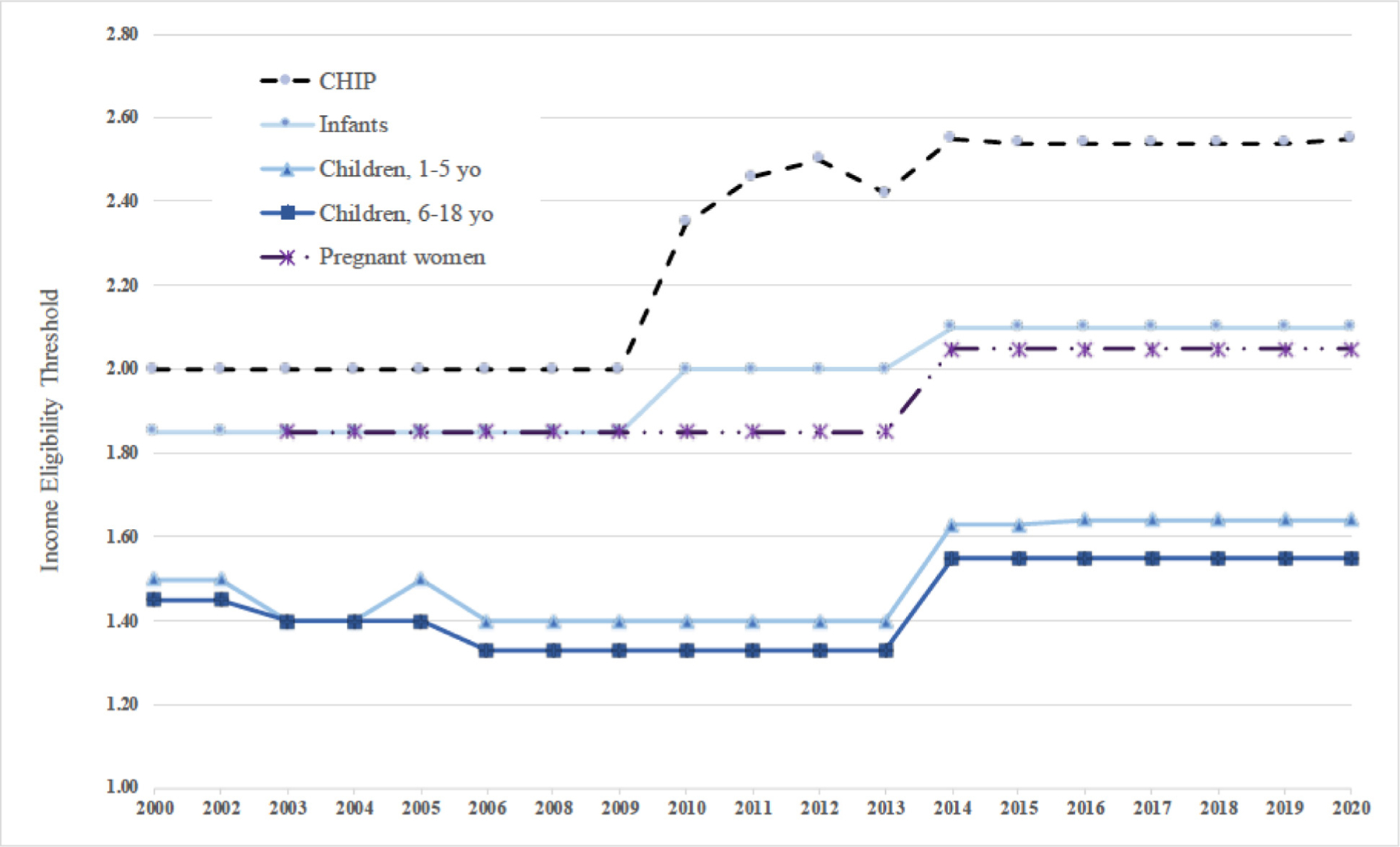
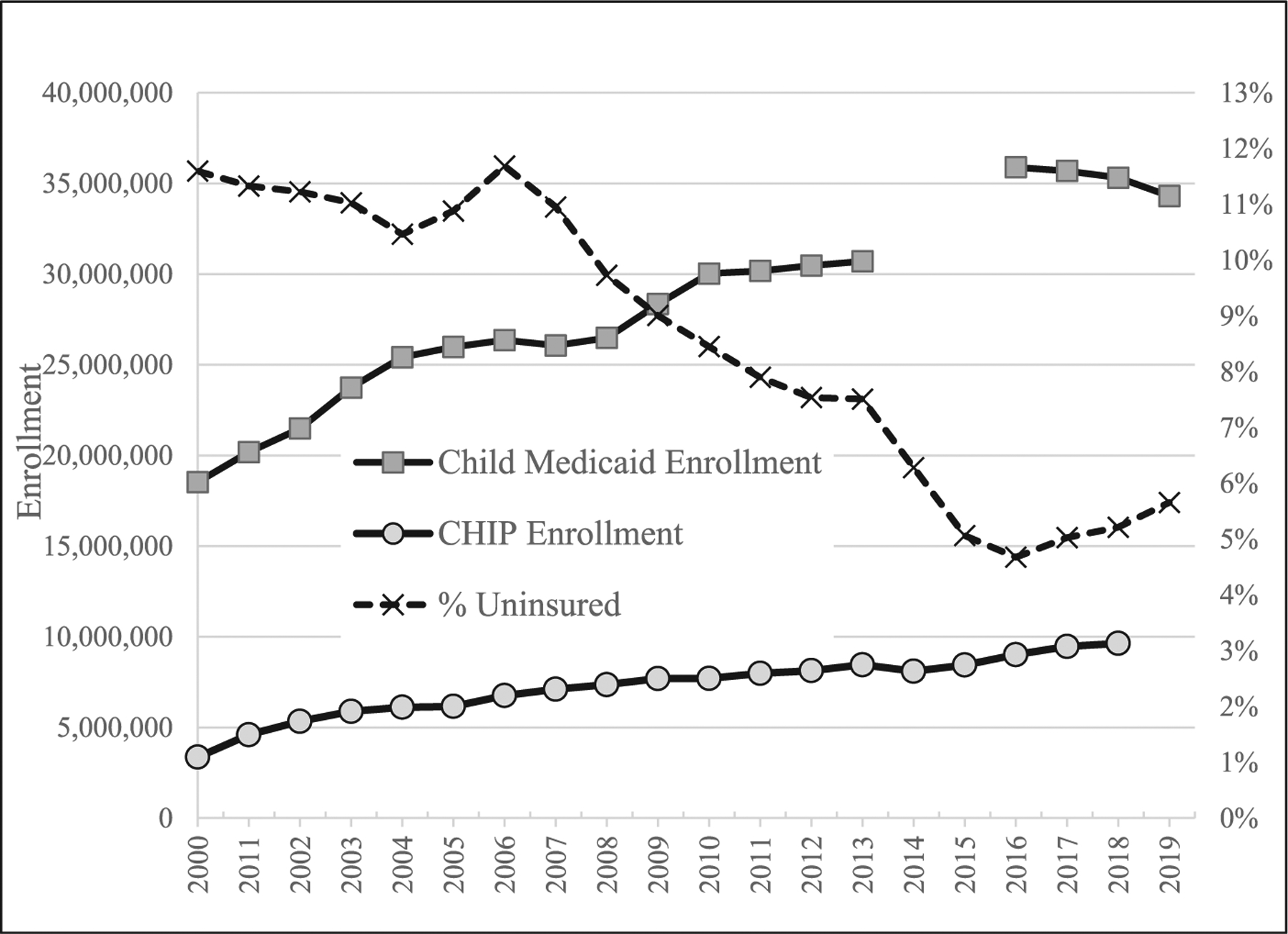
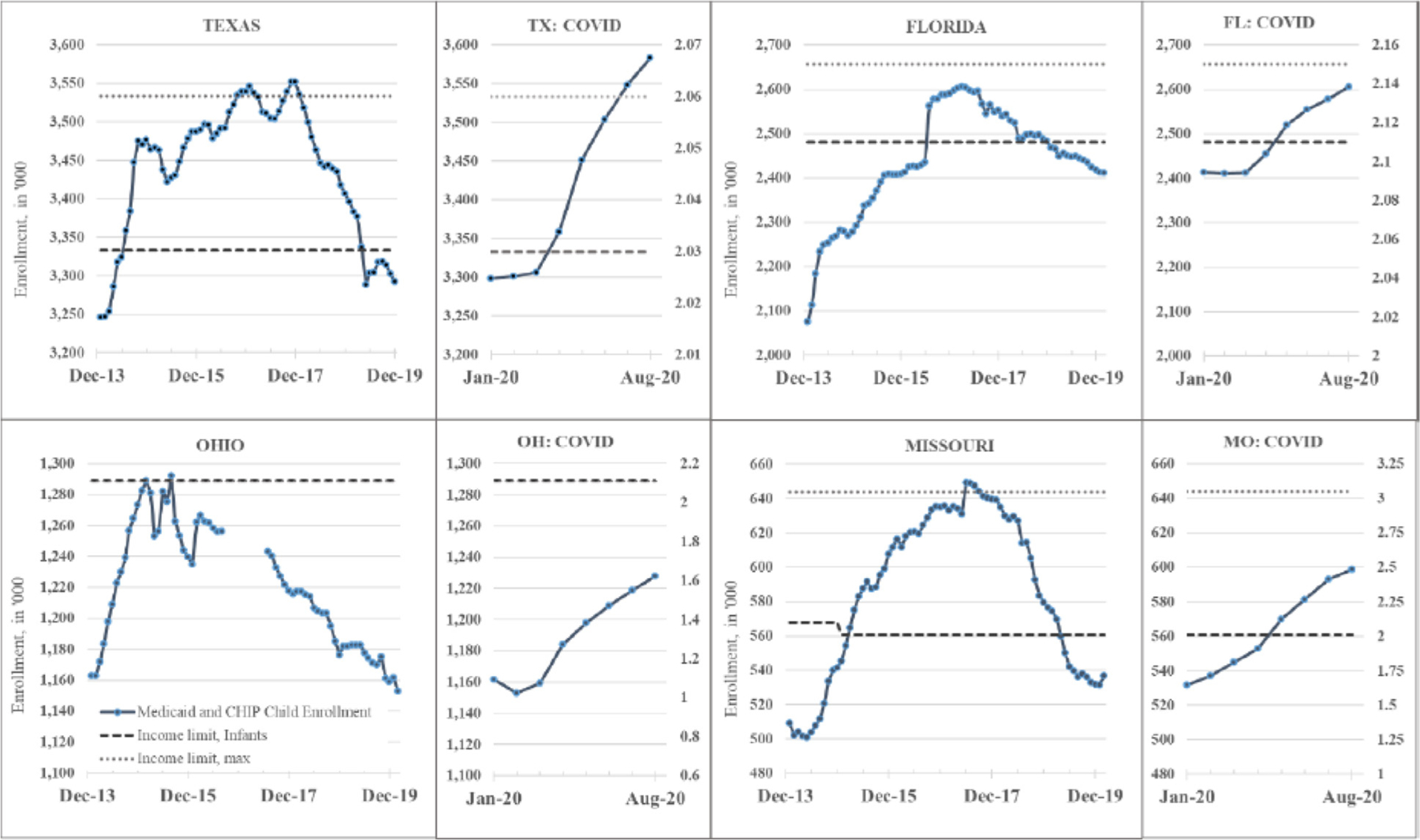
Over the past 20 years, the United States greatly expanded eligibility for public health insurance under the Medicaid and Child Health Insurance Program programs. This expansion improved children's access to health care and their health, ultimately lowering preventable hospitalizations, chronic conditions, and mortality rates in the most vulnerable children at a cost that is 4 times lower than the average per capita cost for the elderly. They also had broader antipoverty effects, increasing economic security, children's educational attainments, and their eventual employment and earnings opportunities. However, in recent years, this progress has been rolled back in many states. Remarkably, although income eligibility cutoffs have remained largely constant, states have reduced child coverage through a number of administrative measures ranging from increased paperwork, to reduced outreach, new parental work requirements, changes to public charge rules for immigrants, and waivers of federal requirements to provide retroactive coverage to new applicants. The number of uninsured children was rising for the first time in decades even prior to the pandemic. With rising numbers who have lost their jobs in the pandemic-induced recession, it is more important than ever to defend and restore and improve access to public health insurance for our children.
Keywords: Medicaid; children; coronavirus 2019; poverty; public health insurance access.
Copyright © 2021 Academic Pediatric Association. Published by Elsevier Inc. All rights reserved.
Conflict of interest statement
The authors do not have any conflicts of interest to report.
Figures
References
-
- Goodman-Bacon A Public insurance and mortality: evidence from Medicaid implementation. J Polit Econ. 2018;126:216–262.
-
- Markus AR, Ellie A, West KD, et al. Medicaid covered births 2008 through 2010 in the context of the implementation of health reform. Women’s Health Issues. 2013;23:e273–e280. - PubMed
-
- Currie J, Decker S, Lin W. Has public health insurance for older children reduced disparities in access to care and health outcomes? J Health Econ. 2008;27:1407–1652. - PubMed
-
- Currie J, Duque V. Medicaid: what does it do, and can we do it better? Ann Am Acad Pol Soc Sci. 2019;686:148–179.
-
- Laurie E, Felland L, Amanda E, et al. Improving Access to Specialty Care for Medicaid Patients: Policy Issues and Options. The Commonwealth Fund; 2013.
MeSH terms
Grants and funding
LinkOut - more resources
Full Text Sources
Medical
Miscellaneous
