


Prevalence and risk factors of type-2 diabetes mellitus in Ethiopia: systematic review and meta-analysis
- PMID: 34741064
- PMCID: PMC8571297
- DOI: 10.1038/s41598-021-01256-9
Prevalence and risk factors of type-2 diabetes mellitus in Ethiopia: systematic review and meta-analysis
Abstract
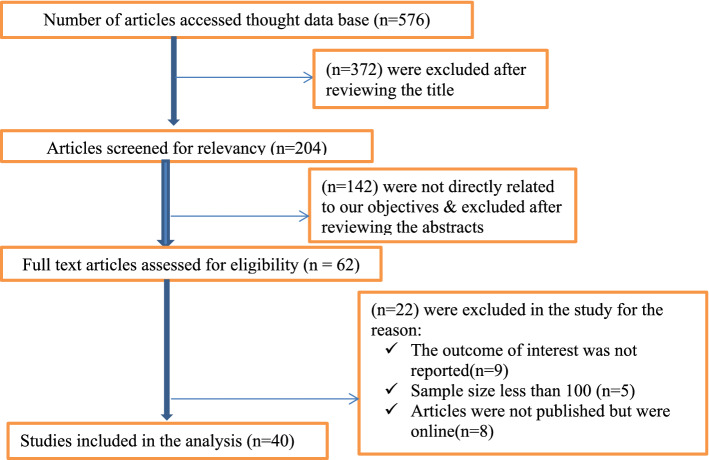
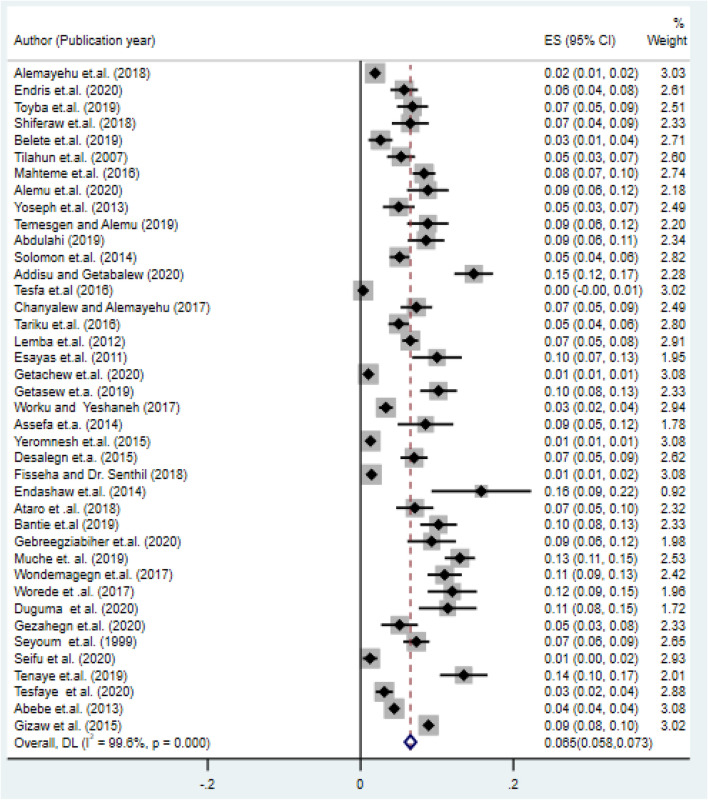
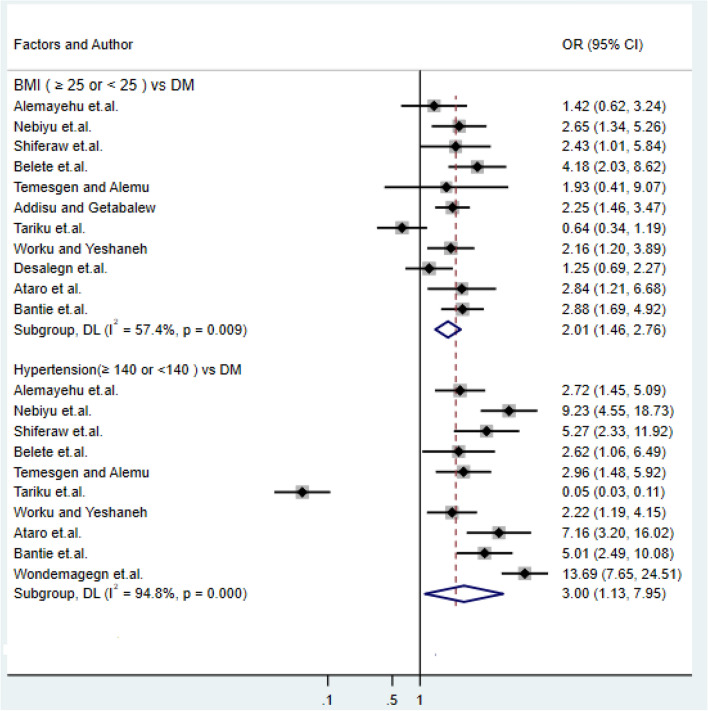
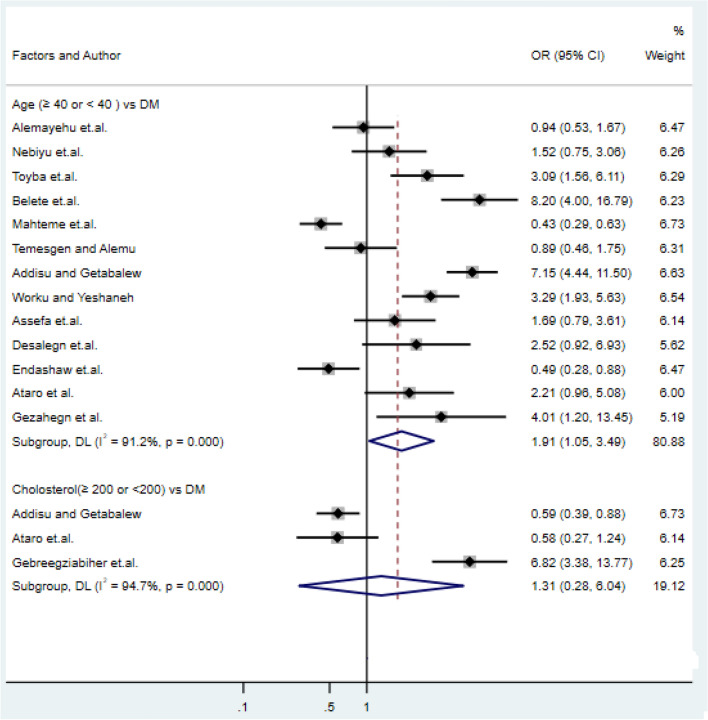
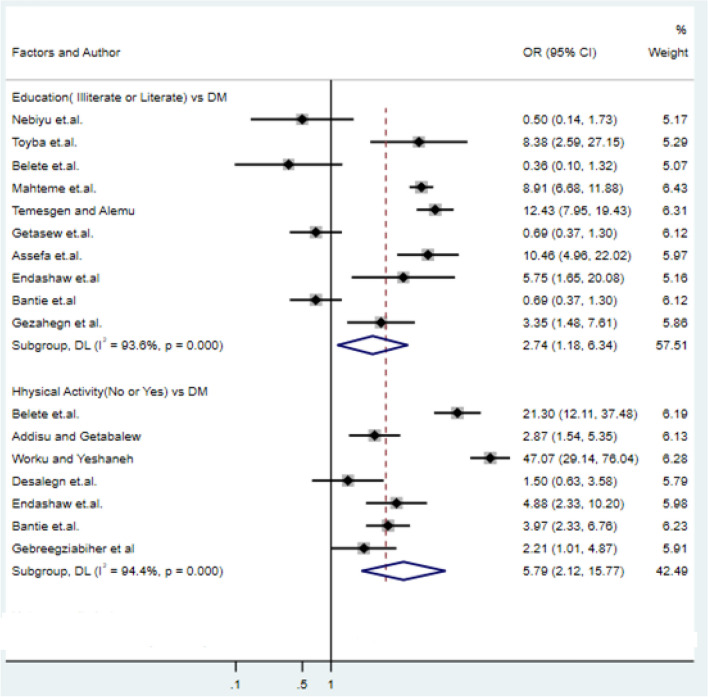
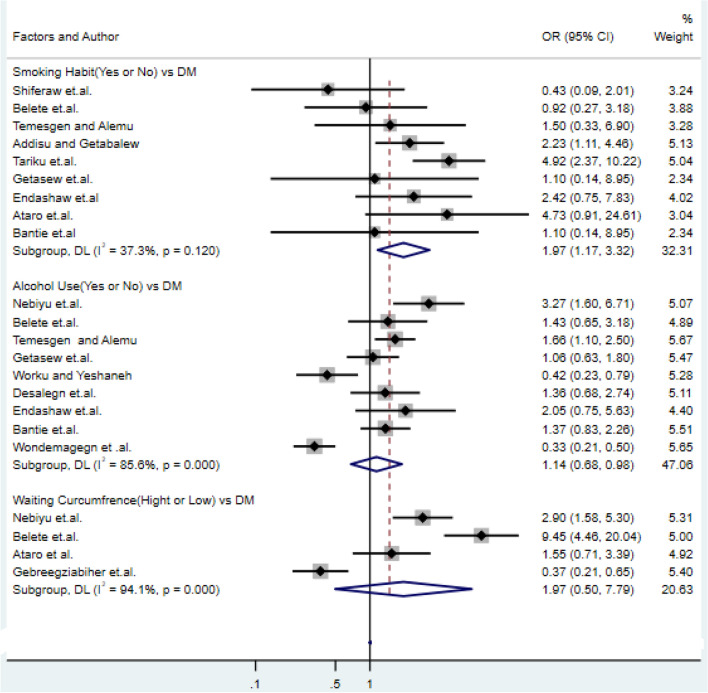
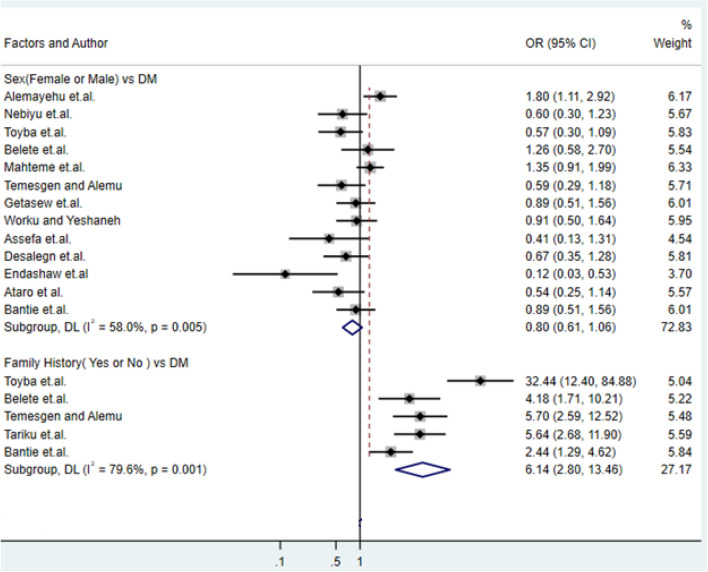
Diabetes mellitus (DM) is a public health problem in developing as well as developed nations. DM leads to many complications that are associated with higher morbidity and mortality worldwide. Therefore, the current study was planned to assess the prevalence and risk factors of type-2 DM in Ethiopian population. Six electronic databases such as: PubMed, Scopus, Hinari, Web of science, Google Scholar, and African Journals Online were searched for studies published in English up December 30, 2020. Newcastle-Ottawa Scale was used for quality assessment of the included studies. The data was extracted by Microsoft excel and analyzed through Stata version 16 software. The random effect meta-regression analysis was computed at 95% CI to assess the pooled prevalence and risk factors of type-2 DM. Forty observational studies were included in this systematic review and meta-analysis. The pooled prevalence of DM in Ethiopia was 6.5% (95% CI (5.8, 7.3)). The sub-group analysis revealed that the highest prevalence of DM was found in Dire Dawa city administration (14%), and the lowest prevalence was observed in Tigray region (2%). The pooled prevalence of DM was higher (8%) in studies conducted in health facility. Factors like: Age ≥ 40 years ((Adjusted Odds Ratio (AOR): 1.91 (95% CI: 1.05, 3.49)), Illiterate (AOR: 2.74 (95% CI: 1.18, 6.34)), Cigarette smoking (AOR: 1.97 (95% CI: 1.17, 3.32)), Body mass index (BMI) ≥ 25 kg/m2 (AOR: 2.01 (95 CI: 1.46, 2.27)), family history of DM (AOR: 6.14 (95% CI: 2.80, 13.46)), history of hypertension (AOR: 3.00 (95% CI: 1.13, 7.95)) and physical inactivity (AOR: 5.79 (95% CI: 2.12, 15.77)) were significantly associated with type-2 DM in Ethiopian population. In this review, the prevalence of type-2 DM was high. Factors like: Older age, illiteracy, cigarette smoking, MBI ≥ 25, family history of DM, history of hypertension and physical inactivity were an identified risk factors of type-2 DM. Therefore, health education and promotion will be warranted. Further, large scale prospective studies will be recommended to address possible risk factors of type-2 DM in Ethiopian population.
© 2021. The Author(s).
Conflict of interest statement
The authors declare no competing interests.
Figures
References
-
- Kumar V, Abbas A, Aster JJP. Robbins Basic Pathology. 9. Elsevier; 2013. p. 2572013.
-
- Organization WH . Global Report on Diabetes: Executive Summary. World Health Organization; 2016.
Publication types
MeSH terms
LinkOut - more resources
Full Text Sources
Medical
