


Male-Specific Late Effects in Adult Hematopoietic Cell Transplantation Recipients: A Systematic Review from the Late Effects and Quality of Life Working Committee of the Center for International Blood and Marrow Transplant Research and Transplant Complications Working Party of the European Society of Blood and Marrow Transplantation
- PMID: 34757220
- PMCID: PMC9050968
- DOI: 10.1016/j.jtct.2021.10.013
Male-Specific Late Effects in Adult Hematopoietic Cell Transplantation Recipients: A Systematic Review from the Late Effects and Quality of Life Working Committee of the Center for International Blood and Marrow Transplant Research and Transplant Complications Working Party of the European Society of Blood and Marrow Transplantation
Abstract
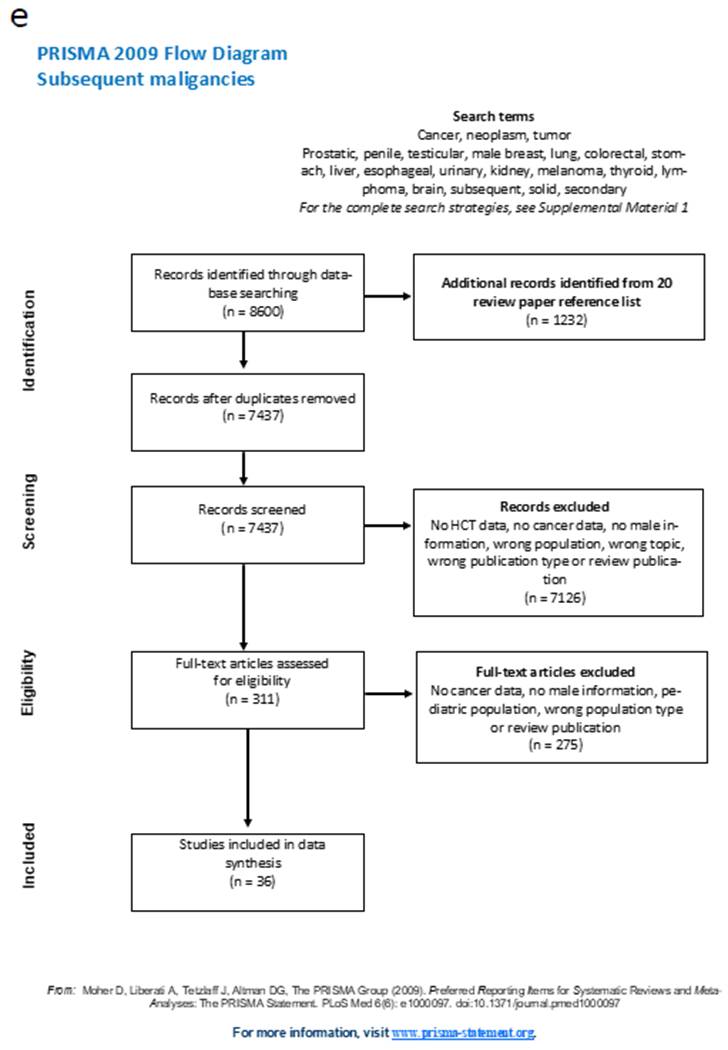
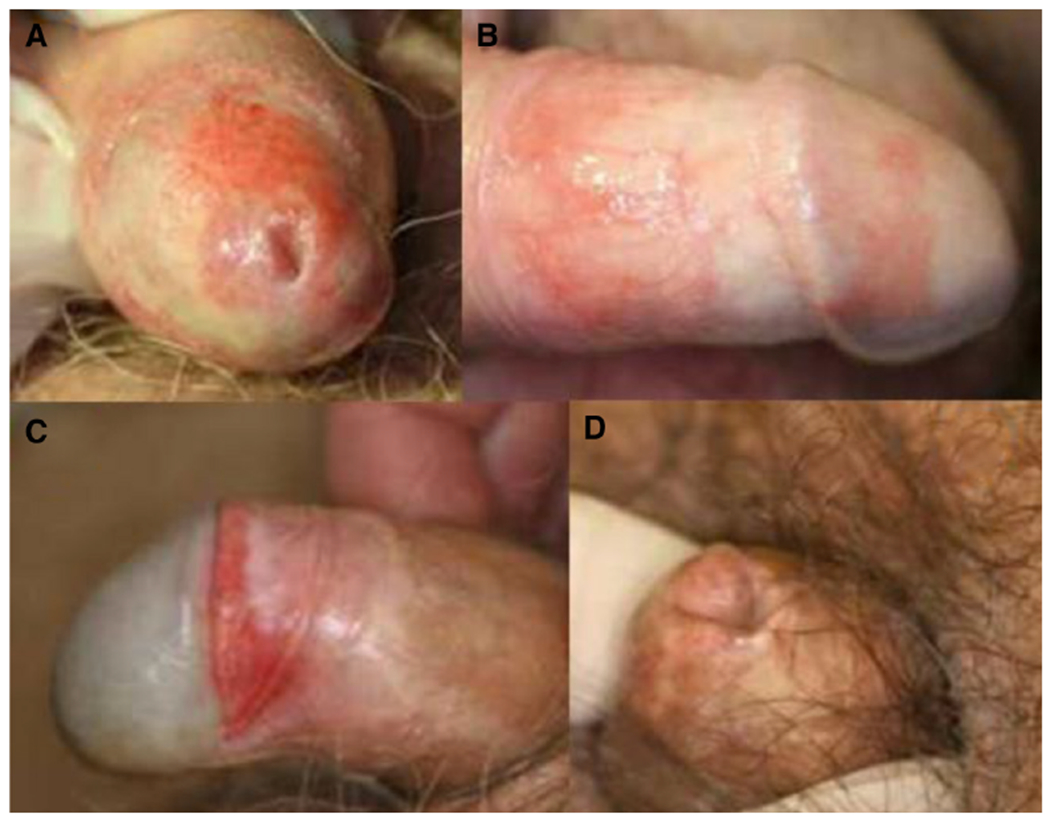
Male-specific late effects after hematopoietic cell transplantation (HCT) include genital chronic graft-versus-host disease (GVHD), hypogonadism, sexual dysfunction, infertility, and subsequent malignancies, such as prostate, penile, and testicular cancer. These effects may be closely intertwined and cause prolonged morbidity and decreased quality of life after HCT. Here we provide a systematic review of male-specific late effects in a collaboration among transplantation physicians, endocrinologists, urologists, dermatologists, and sexual health professionals through the Late Effects and Quality of Life Working Committee of the Center for International Blood and Marrow Transplant Research and the Transplant Complications Working Party of the European Society of Blood and Marrow Transplantation. We used a systematic review methodology to summarize incidence, risk factors, screening, prevention, and treatment of these complications and provide consensus evidence-based recommendations for clinical practice and future research. Most of the evidence regarding male GVHD is still based on limited data, precluding strong therapeutic recommendations. Therefore, we recommend systematic screening for male genital GVHD regularly and reporting of cases to large registries to allow for a better understanding. Future research also should address treatment, given the little published evidence currently available. Male-specific endocrine consequences of HCT include hypogonadism, which also may affect bone health. Given the scanty evidence, current recommendations for hormone substitution and/or bone health treatment are based on similar principles as for the general population. Following HCT, sexual health decreases, and this topic should be addressed at regular intervals. Future studies should focus on interventional strategies to address sexual dysfunction. Infertility remains prevalent in patients having undergone myeloablative conditioning, warranting the offer of sperm preservation for all HCT candidates. Most studies on fertility rely on descriptive registry analysis and surveys, underscoring the importance of reporting post-HCT conception data to large registries. Although the quality of evidence is low, the development of cancer in male genital organs does not seem more prevalent in HCT recipients compared with the general population; however, subsequent malignancies in general seem to be more prevalent in males than in females, and special attention should be given to skin and oral mucosa. Male-specific late effects, which likely are more underreported than female-specific complications, should be systematically considered during the regular follow-up visits of male survivors who have undergone HCT. Care of patients with male-specific late effects warrants close collaboration between transplantation physicians and specialists from other involved disciplines. Future research should be directed toward better data collection on male-specific late effects and on studies about the interrelationships among these late effects, to allow the development of evidence-based effective management practices.
Keywords: Chronic graft-versus-host disease; Genital; Hematopoietic cell transplantation; Hypogonadism; Infertility; Late effects; Male-specific; Sexual dysfunction; Subsequent malignancies; Survivorship.
Copyright © 2022 The American Society for Transplantation and Cellular Therapy. Published by Elsevier Inc. All rights reserved.
Figures
References
-
- Copelan EA. Hematopoietic stem-cell transplantation. N Engl J Med. 2006;354:1813–1826. - PubMed
-
- Singh AK, McGuirk JP. Allogeneic Stem Cell Transplantation: A Historical and Scientific Overview. Cancer Res. 2016;76:6445–6451. - PubMed
-
- Bhatia S, Armenian SH, Landier W. How I monitor long-term and late effects after blood or marrow transplantation. Blood. 2017;130:1302–1314. - PubMed
-
- Tichelli A, Rovo A, Passweg J, et al. Late complications after hematopoietic stem cell transplantation. Expert Rev Hematol. 2009;2:583–601. - PubMed
