. 2021 Nov 10;6(60):eabi8017.
doi: 10.1126/scirobotics.abi8017. Epub 2021 Nov 10.

A decade retrospective of medical robotics research from 2010 to 2020

Affiliations

A decade retrospective of medical robotics research from 2010 to 2020

Pierre E Dupont et al. Sci Robot. .

Abstract

Robotics is a forward-looking discipline. Attention is focused on identifying the next grand challenges. In an applied field such as medical robotics, however, it is important to plan the future based on a clear understanding of what the research community has recently accomplished and where this work stands with respect to clinical needs and commercialization. This Review article identifies and analyzes the eight key research themes in medical robotics over the past decade. These thematic areas were identified using search criteria that identified the most highly cited papers of the decade. Our goal for this Review article is to provide an accessible way for readers to quickly appreciate some of the most exciting accomplishments in medical robotics over the past decade; for this reason, we have focused only on a small number of seminal papers in each thematic area. We hope that this article serves to foster an entrepreneurial spirit in researchers to reduce the widening gap between research and translation.


Conflict of interest statement

Competing interests: None specific to the content of the paper.

Figures

Fig. 1.
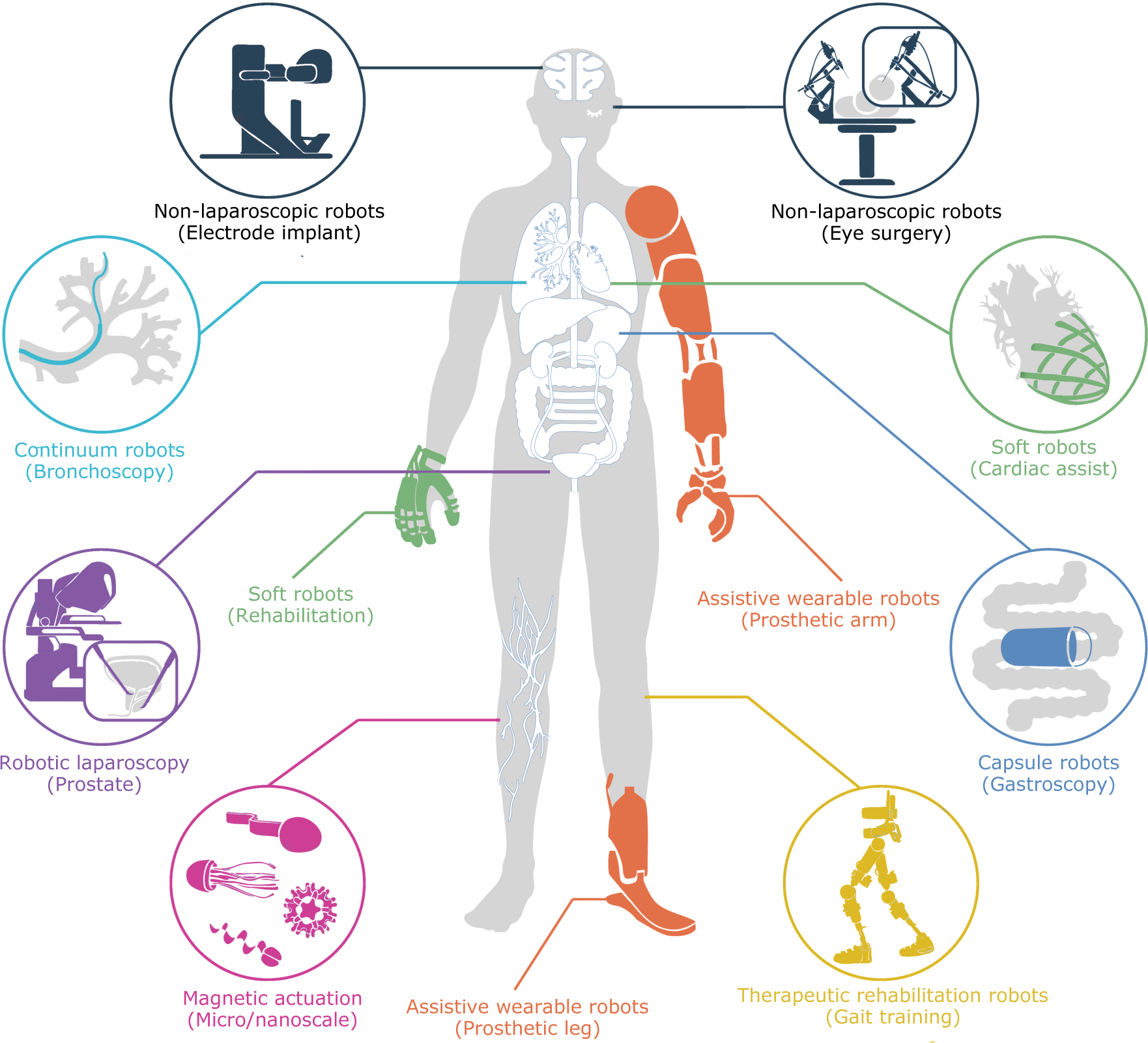
Fig. 1.. Example clinical applications for the 8 hot topics of the decade.
Starting at 8 o’clock and proceeding clockwise: Laparoscopic robots are the success story of medical robotics with applications including radical prostatectomy, radical cystectomy for bladder cancer, rectal cancer resection and hysterectomy. Continuum robots are robotic versions of manual medical instruments including catheters, bronchoscopes, uteroscopes and colonoscopes. Non-laparoscopic robots have been developed for varying applications including electrode implantation in the brain and microsurgery inside the eye. Soft robots have been used, e.g., to create soft sleeves to assist heart contraction and for hand rehabilitation of daily living tasks. Assistive wearable robots are used to augment or replace arm and leg motion in the cases of motion impairment or amputation. Capsule robots are pill-sized devices that are swallowed for endoscopic diagnosis and treatment of the alimentary canal. Therapeutic rehabilitation robots assist patients with neurological injuries in performing repetitive movements to relearn tasks such as walking and grasping. Magnetic actuation enables the wireless generation of forces and torques inside the body to actuate an untethered robot or to orient the tip of a catheter.
Fig. 2.
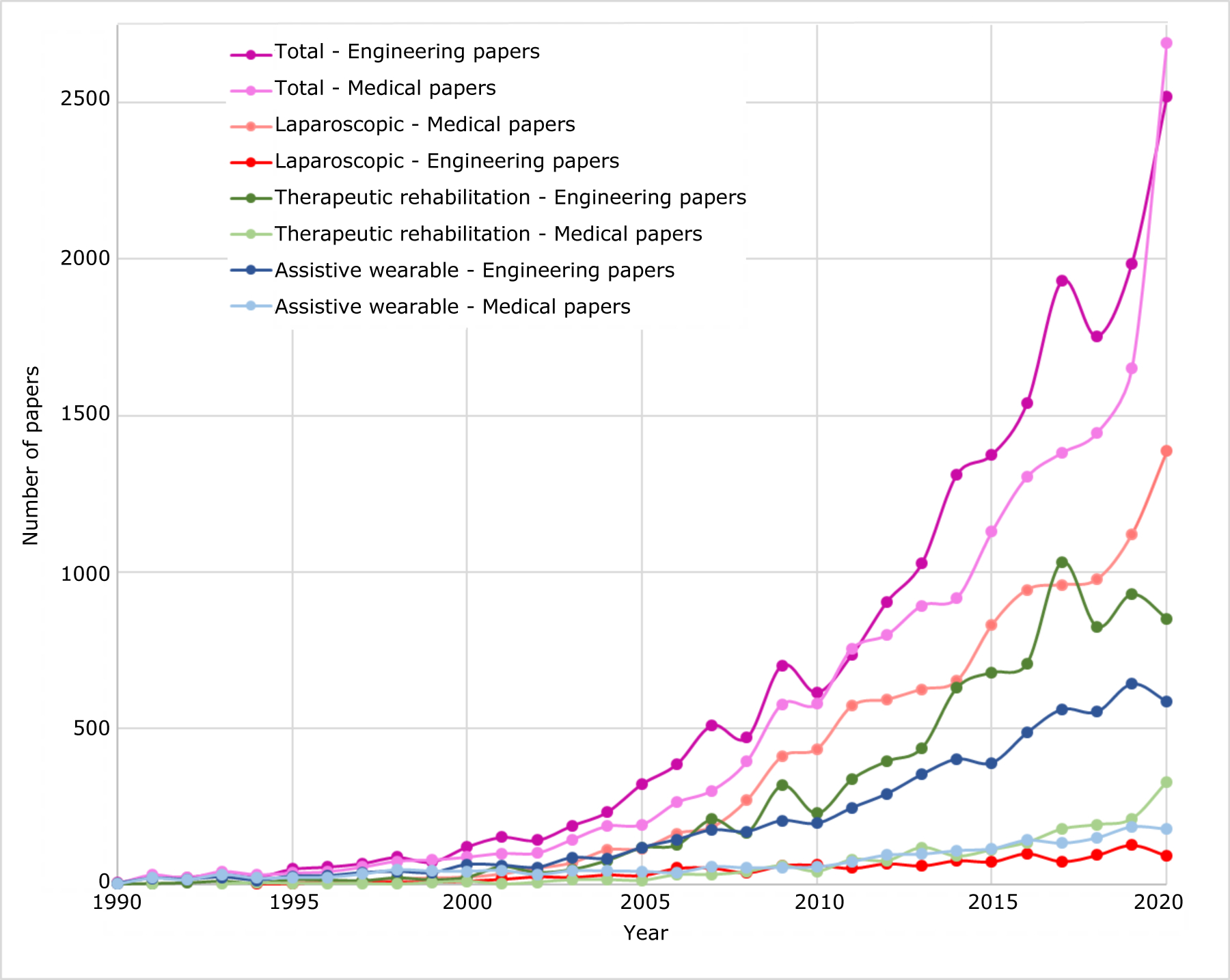
Fig. 2.. Medical robotics papers published in engineering and medical journal papers from 1990 to 2020.
Curves report total numbers along with subsets corresponding to hot topics of laparoscopic robots, therapeutic rehabilitation robots and assistive wearable robots. Note that 2020 publications are potentially reduced by COVID-19 shutdowns. (Data from Web of Science: see Materials and Methods).
Fig. 3 –
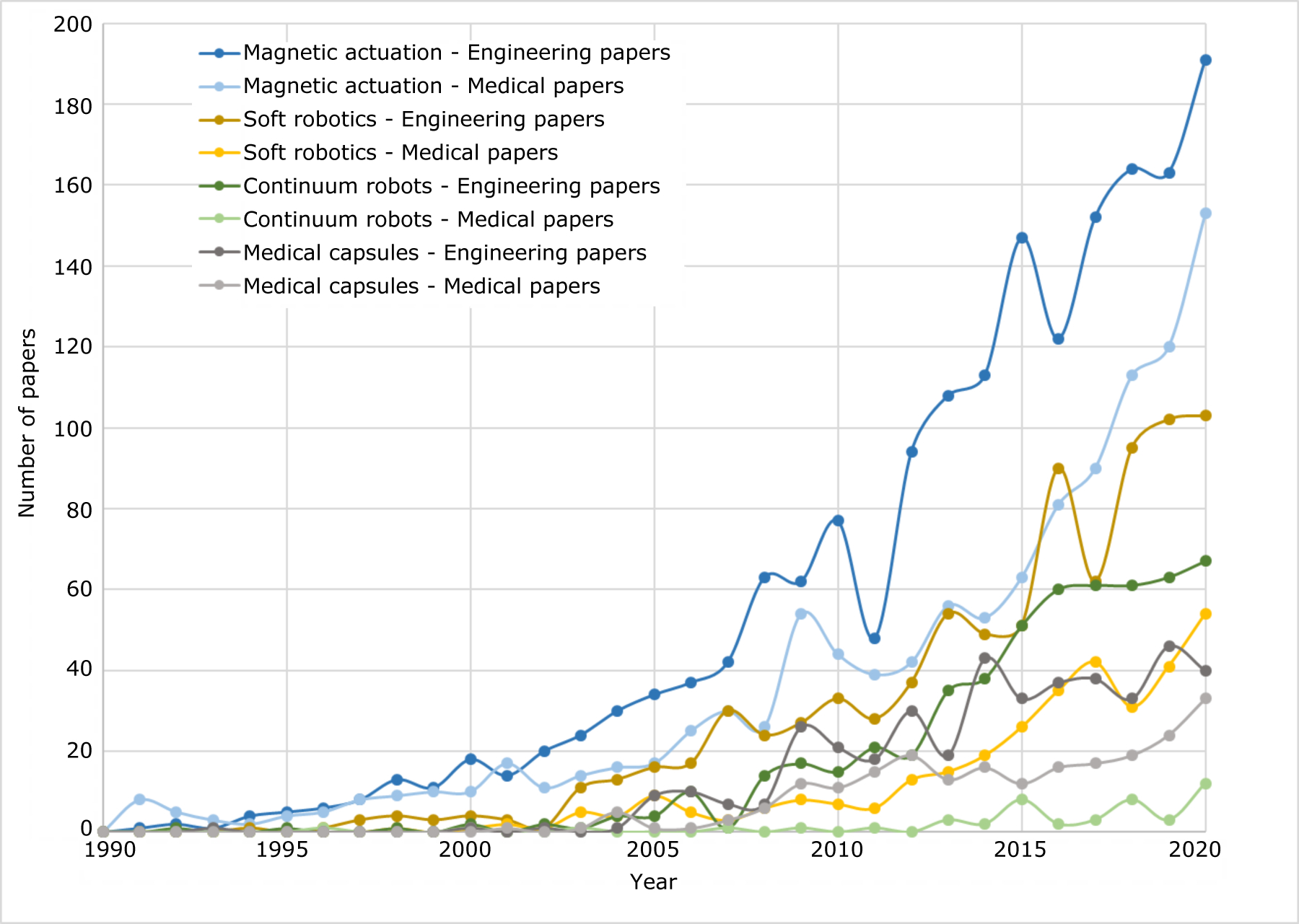
Fig. 3 –. Medical robotics papers published in engineering and medical journal papers from 1990 to 2020.
Curves report paper numbers for hot topics of soft robotics, magnetic actuation, capsule robots and continuum robots. Note that 2020 publications are potentially reduced by COVID-19 shutdowns. (Data from Web of Science: see Materials and Methods).
Fig. 4.
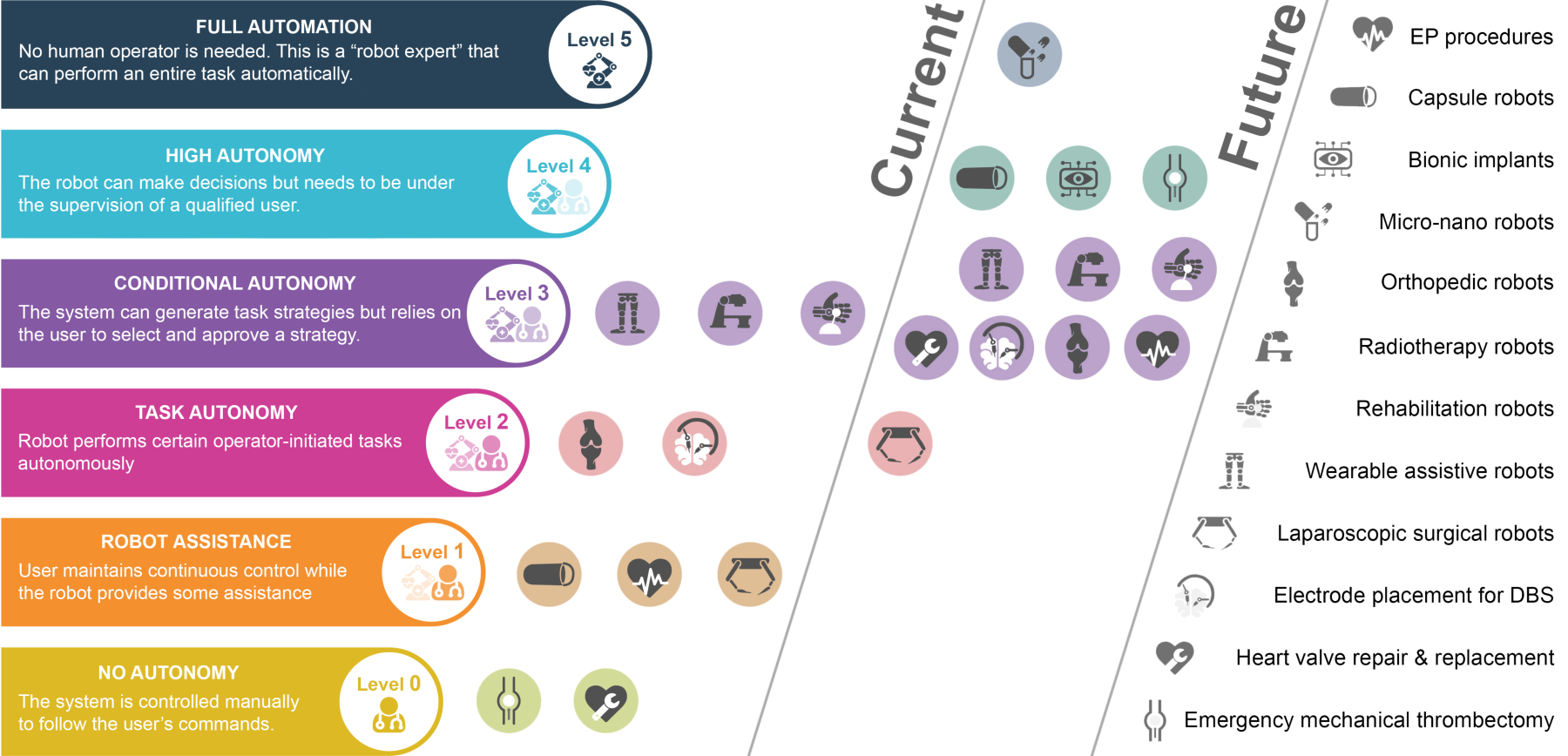
Fig. 4.. Application-specific trend toward increasing medical robot autonomy.
In current use, the level of autonomy is typically the minimum needed to be clinically useful. For example, radiotherapy robots operate at a level of conditional autonomy computing and executing a radiation exposure trajectory to provide the desired radiation dose inside a patient while minimizing exposure of surrounding tissues. Orthopedic robots are capable of autonomously milling out a prescribed cavity for knee and hip implants. In contrast, laparoscopic surgical robots have proven successful under continuous operator control and so currently offer only limited robotic assistance. Transcatheter mechanical thrombectomy and heart valve repair are examples of clinical applications for which robotic solutions have yet to be developed although both could potentially benefit from robotic solutions. In the future, it is anticipated that the level of autonomy of current robotic systems will increase. The biggest increases will be for those applications for which autonomy is vital to their function. For example, highly autonomous systems for remotely performing emergency mechanical thrombectomies to treat stroke would significantly increase the accessibility of this treatment while also decreasing the time to treatment. As a second example, bionic implants which improve or restore body functions will be sufficiently integrated with their host to not require continuous conscious control.

References

    1. Howe RD, Matsuoka Y, Robotics for surgery. Annual review of biomedical engineering 1, 211–240 (1999). Citations: 160 papers; 65 patents. - PubMed
    1. Satava RM, Surgical robotics: the early chronicles: a personal historical perspective. Surgical Laparoscopy Endoscopy & Percutaneous Techniques 12, 6–16 (2002). Citations: 121 papers; 40 patents. - PubMed
    1. Simaan N, Yasin RM, Wang L, Medical technologies and challenges of robot-assisted minimally invasive intervention and diagnostics. Annual Review of Control, Robotics, and Autonomous Systems 1, 465–490 (2018). Citations: 37 papers; 0 patents.
    1. Kwoh YS, Hou J, Jonckheere EA, Hayati S, A robot with improved absolute positioning accuracy for CT guided stereotactic brain surgery. IEEE Transactions on Biomedical Engineering 35, 153–160 (1988). Citations: 491 papers; 99 patents. - PubMed
    1. Taylor RH, Mittelstadt BD, Paul HA, Hanson W, Kazanzides P, Zuhars JF, Williamson B, Musits BL, Glassman E, Bargar WL, An image-directed robotic system for precise orthopaedic surgery. IEEE Transactions on Robotics and Automation 10, 261–275 (1994). Citations: 156 papers, 46 patents.

Publication types

LinkOut - more resources