Review
. 2021 Nov 10;13(619):eabj7360.
doi: 10.1126/scitranslmed.abj7360. Epub 2021 Nov 10.

Brain circuits for pain and its treatment

Affiliations
Review

Brain circuits for pain and its treatment

Nicole Mercer Lindsay et al. Sci Transl Med. .

Abstract

Pain is a multidimensional experience with sensory-discriminative, affective-motivational, and cognitive-evaluative components. Pain aversiveness is one principal cause of suffering for patients with chronic pain, motivating research and drug development efforts to investigate and modulate neural activity in the brain’s circuits encoding pain unpleasantness. Here, we review progress in understanding the organization of emotion, motivation, cognition, and descending modulation circuits for pain perception. We describe the molecularly defined neuron types that collectively shape pain multidimensionality and its aversive quality. We also review how pharmacological, stimulation, neurofeedback, surgical, and cognitive-behavioral interventions alter activity in these circuits to relieve chronic pain.


Conflict of interest statement

Competing interests: G.S. is a cofounder of Epiodyne, a drug discovery company, an inventor on a patent application related to imaging of neural dynamics to discover analgesics, and a member of the NIH PSPP Preclinical Screening Platform for Pain External Consulting Board.

Figures
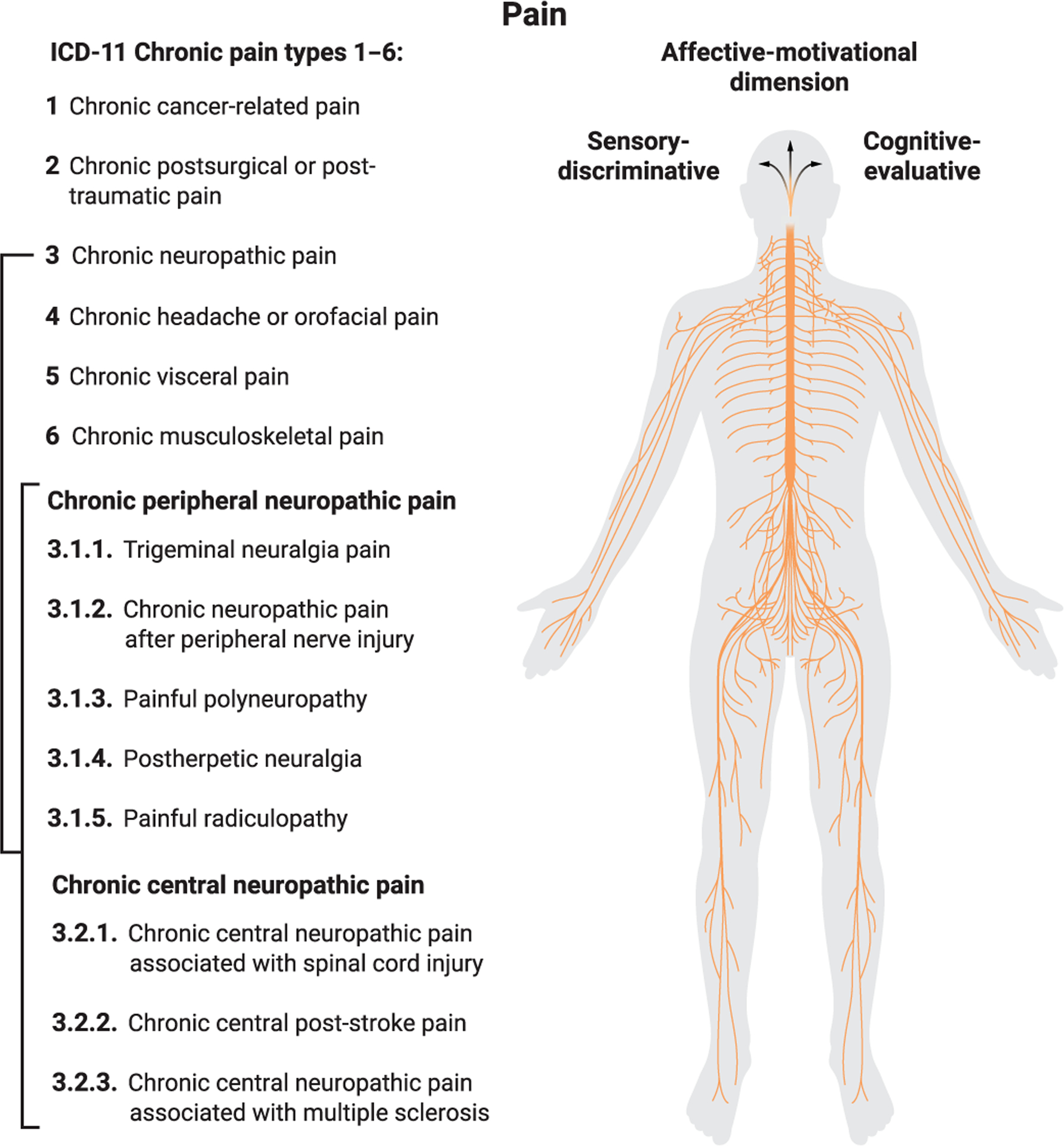
Fig. 1.
Fig. 1.. Peripheral divergence and central convergence in pain mechanisms.
The recent International Classification of Diseases (ICD-11) adopted by the World Health Organization describes chronic pain both as a primary disease and as a symptom of other illnesses, and divides it into six main categories. This figure illustrates the multitude of pain types (using neuropathic pain subtypes as an example) that can originate from various organs and tissues of the human body. In each case, nociception is initiated through a variety of complex cellular and molecular mechanisms. Acting on the common brain mechanisms that generate pain unpleasantness raises the possibility of treating chronic pain suffering across all pain categories at once.
Fig. 2.
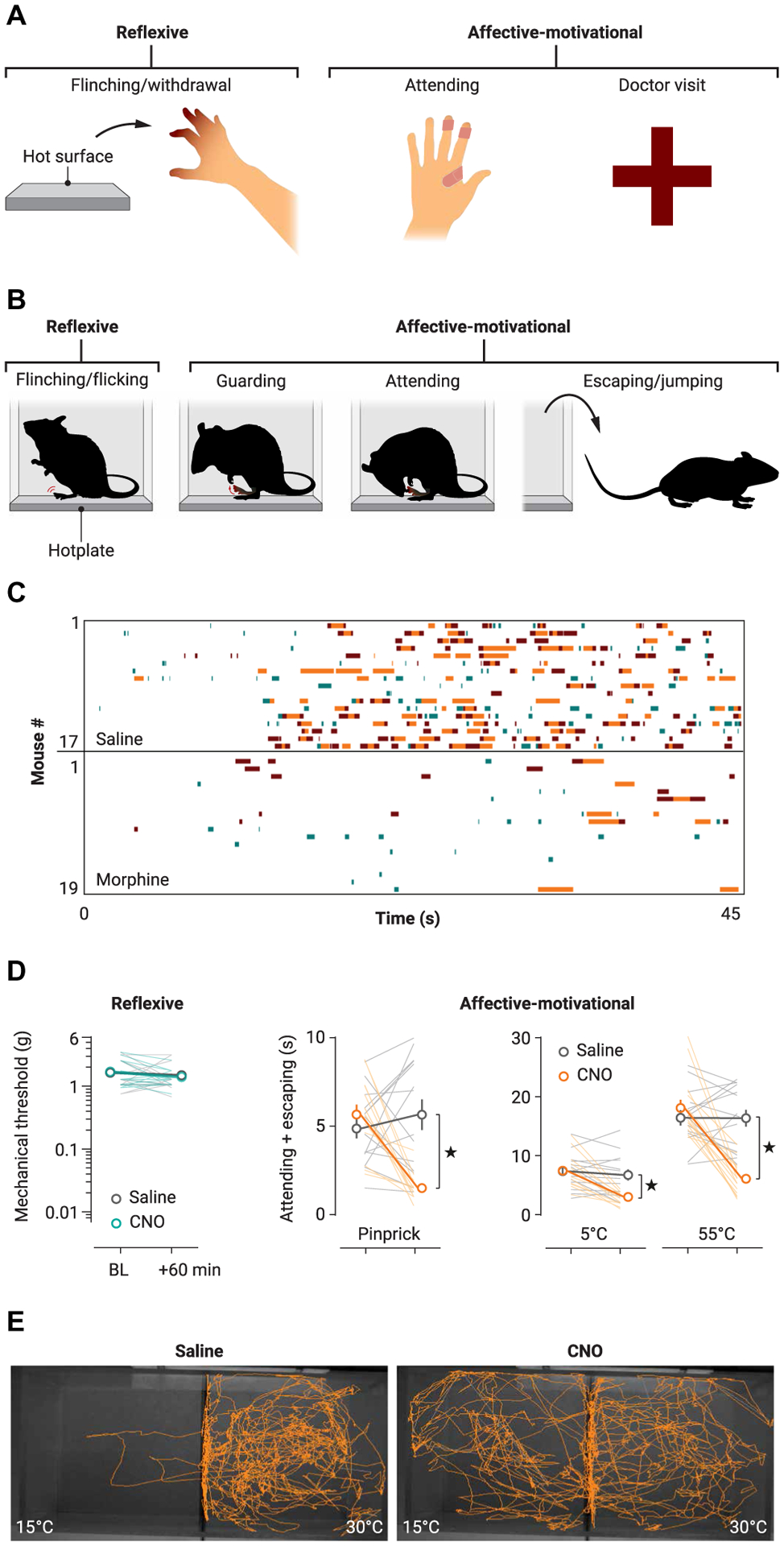
Fig. 2.. Categorization of reflexive versus affective-motivational nocifensive behaviors to interrogate pain affect in rodents.
(A) Examples of human responses to noxious stimulation, which include reflexive and affective-motivational behaviors. (B) Mouse responses to noxious stimulation, such as with the hotplate test, also include reflexive and affective-motivational behaviors like protective responses (such as guarding and licking of an affected paw) and escape seeking (for example, rearing and jumping). (C) Raster plots showing the nocifensive behavioral responses of individual mice in the hotplate assay and the reduction in both reflexive (green) and affective-motivational (orange, brown) pain behaviors after morphine administration. (D) In contrast to the effect of morphine (C), inhibition of nociceptive BLA neurons with hM4Di after injection of clozapine-N-oxide (CNO) reduces affective-motivational pain behaviors in the hotplate assay, but not reflexive withdrawal. (E) In a two-plate preference assay, CNO also decreases nerve injury-induced aversion to innocuous cool stimuli in the setting of neuropathic allodynia. Adapted from (–39).
Fig. 3.
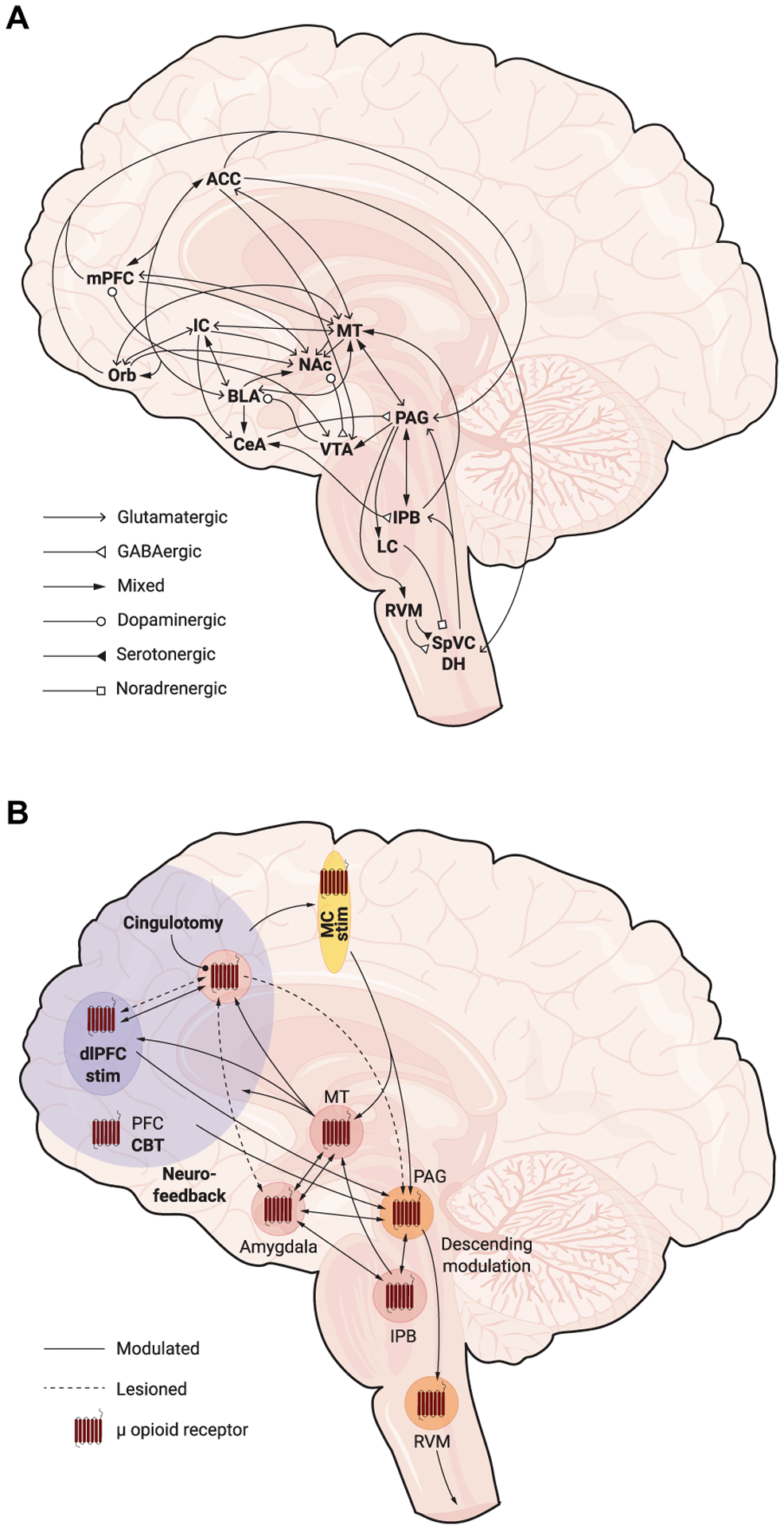
Fig. 3.. Pain emotional and cognitive networks and treatments that can ameliorate chronic pain affect.
(A) Primary afferent neurons synapse onto second-order neurons in the spinal dorsal horn (DH) or the trigeminal nucleus caudalis (SpVC). These neurons, in turn, project to the lateral parabrachial nucleus (lPB) and the periaqueductal gray (PAG), which then connect with the anterior cingulate, insular, and prefrontal cortices, medial thalamus, amygdala, nucleus accumbens, and hypothalamus to generate and modulate pain experience. Note, mixed arrows indicate glutamatergic and GABAergic pathways. (B) Prevalent treatments for pain commonly use opioid receptor signaling to induce a prominent action on pain affect circuits. Investigative treatments include motor cortex stimulation (MC stim), dlPFC stimulation (dlPFC stim), neurofeedback, and cognitive behavior therapy (CBT) that act on frontal cortex circuits to modulate pain. In severe cases of intractable pain, cingulotomy reduces chronic pain. Frontal cortex modulation is hypothesized to relieve pain through descending pain control in the PAG, but notable connections to the medial and intralaminar thalamus (MT) and to the parabrachial nucleus could also play a role. ACC, anterior cingulate cortex; BLA, basolateral amygdala; CeA, central amygdala; IC, insular cortex; mPFC, medial prefrontal cortex; NAc, nucleus accumbens; Orb, orbitofrontal cortex; RVM, rostromedial ventral medulla; VTA, ventral tegmental area.

References

    1. Global Burden of Disease Study 2013 Collaborators, Global, regional, and national incidence, prevalence, and years lived with disability for 301 acute and chronic diseases and injuries in 188 countries, 1990–2013: A systematic analysis for the Global Burden of Disease Study 2013. Lancet 386, 743–800 (2015). - PMC - PubMed
    1. Rice ASC, Smith BH, Blyth FM, Pain and the global burden of disease. Pain 157, 791–796 (2016). - PubMed
    1. GBD 2017 Disease and Injury Incidence and Prevalence Collaborators, Global, regional, and national incidence, prevalence, and years lived with disability for 354 diseases and injuries for 195 countries and territories, 1990–2017: A systematic analysis for the Global Burden of Disease Study 2017. Lancet 392, 1789–1858 (2018). - PMC - PubMed
    1. Gilam G, Gross JJ, Wager TD, Keefe FJ, Mackey SC, What is the relationship between pain and emotion? Bridging constructs and communities. Neuron 107, 17–21 (2020). - PMC - PubMed
    1. Calati R, Laglaoui Bakhiyi C, Artero S, Ilgen M, Courtet P, The impact of physical pain on suicidal thoughts and behaviors: Meta-analyses. J. Psychiatr. Res 71, 16–32 (2015). - PubMed

Publication types