


The role of ceRNA-mediated diagnosis and therapy in hepatocellular carcinoma
- PMID: 34758879
- PMCID: PMC8582193
- DOI: 10.1186/s41065-021-00208-7
The role of ceRNA-mediated diagnosis and therapy in hepatocellular carcinoma
Abstract
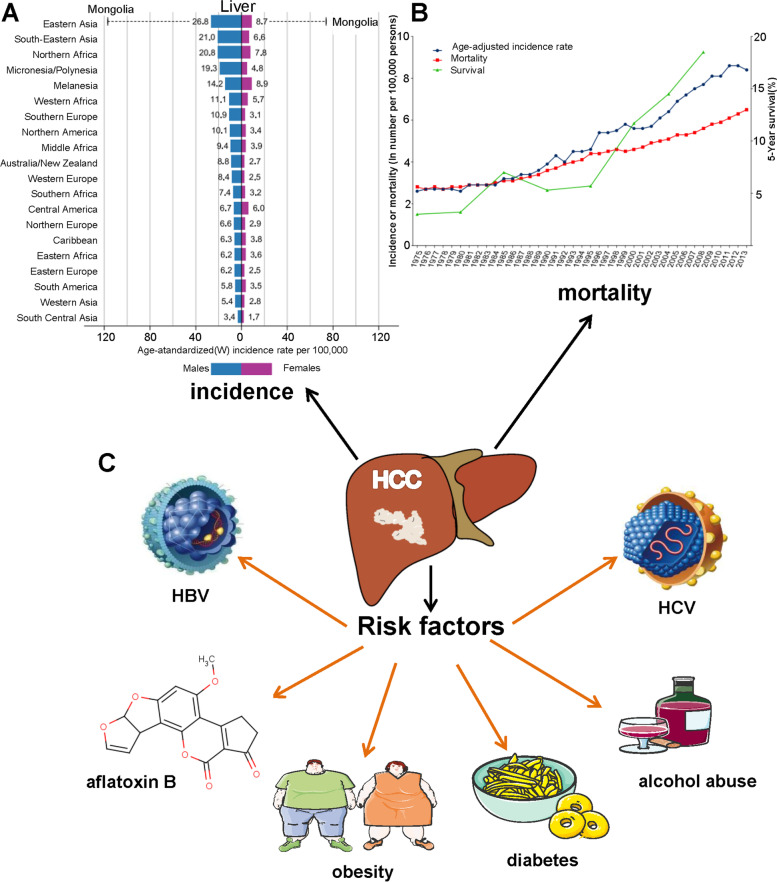
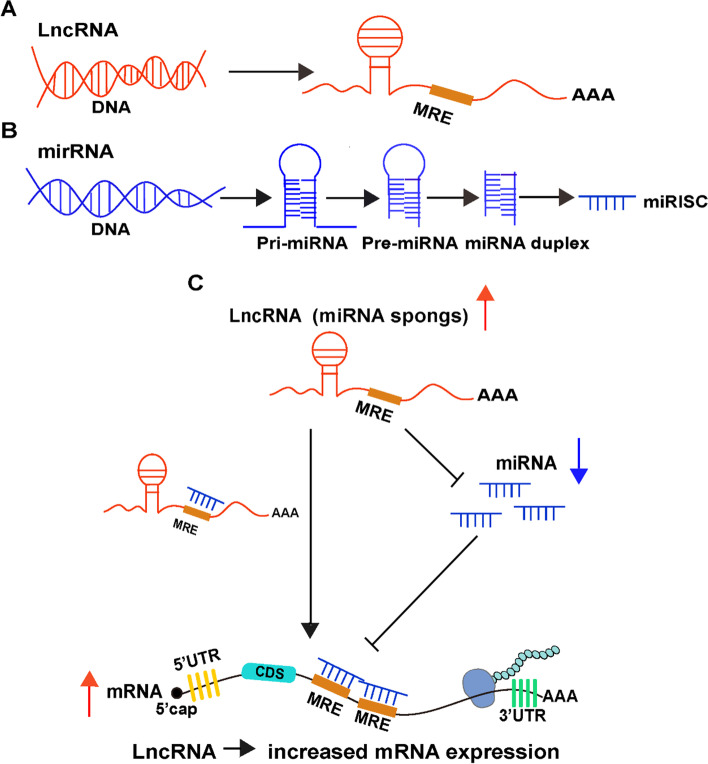
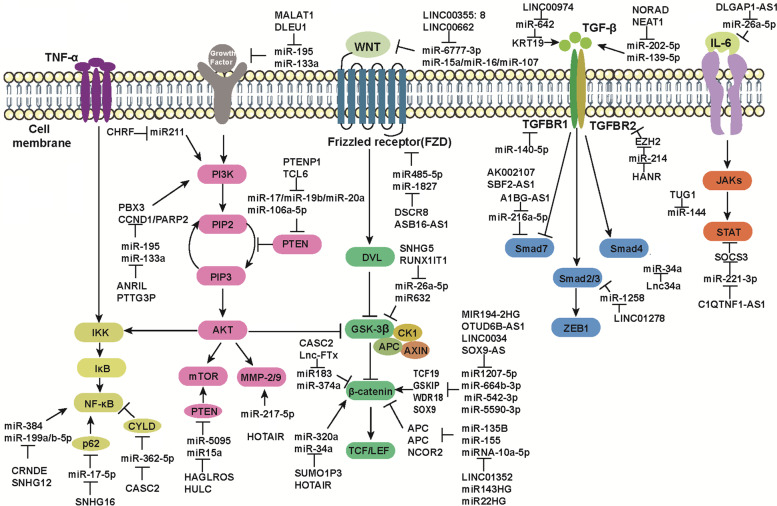
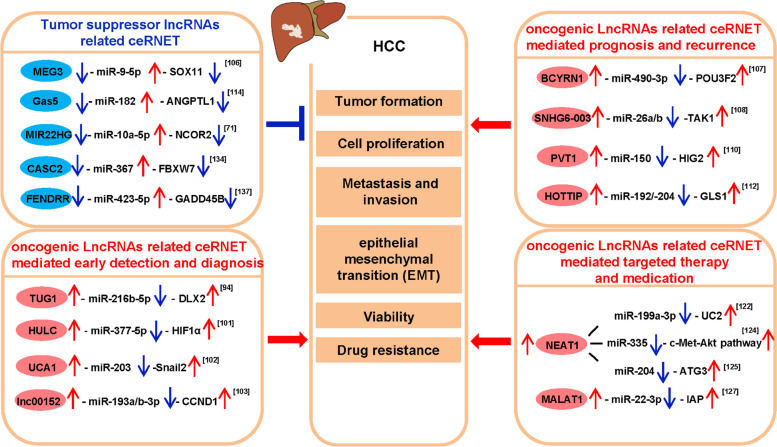
Hepatocellular carcinoma (HCC) is one of the leading causes of cancer-related death worldwide due to its high degree of malignancy, high incidence, and low survival rate. However, the underlying mechanisms of hepatocarcinogenesis remain unclear. Long non coding RNA (lncRNA) has been shown as a novel type of RNA. lncRNA by acting as ceRNA can participate in various biological processes of HCC cells, such as tumor cell proliferation, migration, invasion, apoptosis and drug resistance by regulating downstream target gene expression and cancer-related signaling pathways. Meanwhile, lncRNA can predict the efficacy of treatment strategies for HCC and serve as a potential target for the diagnosis and treatment of HCC. Therefore, lncRNA serving as ceRNA may become a vital candidate biomarker for clinical diagnosis and treatment. In this review, the epidemiology of HCC, including morbidity, mortality, regional distribution, risk factors, and current treatment advances, was briefly discussed, and some biological functions of lncRNA in HCC were summarized with emphasis on the molecular mechanism and clinical application of lncRNA-mediated ceRNA regulatory network in HCC. This paper can contribute to the better understanding of the mechanism of the influence of lncRNA-mediated ceRNA networks (ceRNETs) on HCC and provide directions and strategies for future studies.
Keywords: Epidemiology; Function; HCC; Mechanism; ceRNA; ceRNET.
© 2021. The Author(s).
Conflict of interest statement
No potential conflicts of interest were disclosed.
Figures
References
Publication types
MeSH terms
Substances
Grants and funding
LinkOut - more resources
Full Text Sources
Medical
