Review
. 2021 Oct 6;12(41):13613-13647.
doi: 10.1039/d1sc02973h. eCollection 2021 Oct 27.

Recent developments in chemical conjugation strategies targeting native amino acids in proteins and their applications in antibody-drug conjugates

Affiliations
Review

Recent developments in chemical conjugation strategies targeting native amino acids in proteins and their applications in antibody-drug conjugates

Min Sun Kang et al. Chem Sci. .

Abstract

Many fields in chemical biology and synthetic biology require effective bioconjugation methods to achieve their desired functions and activities. Among such biomolecule conjugates, antibody-drug conjugates (ADCs) need a linker that provides a stable linkage between cytotoxic drugs and antibodies, whilst conjugating in a biologically benign, fast and selective fashion. This review focuses on how the development of novel organic synthesis can solve the problems of traditional linker technology. The review shall introduce and analyse the current developments in the modification of native amino acids on peptides or proteins and their applicability to ADC linker. Thereafter, the review shall discuss in detail each endogenous amino acid's intrinsic reactivity and selectivity aspects, and address the research effort to construct an ADC using each conjugation method.


Conflict of interest statement

The authors declare no competing financial interests.

Figures
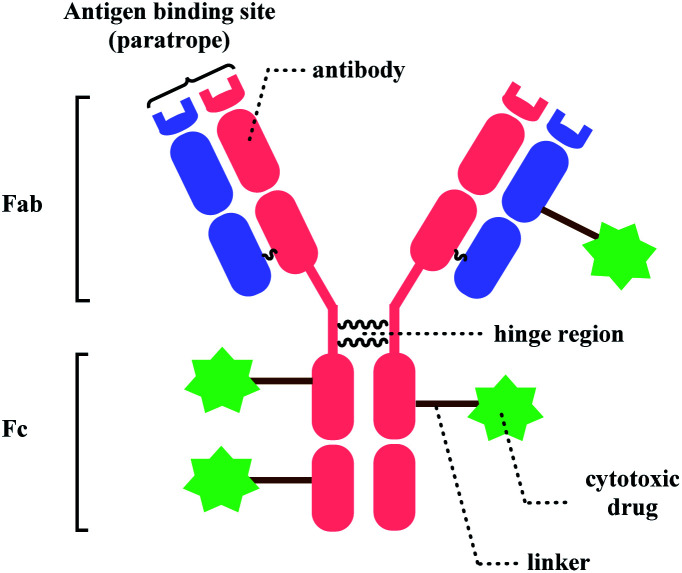
Fig. 1
Fig. 1. General structure of antibody–drug conjugate.
Fig. 2
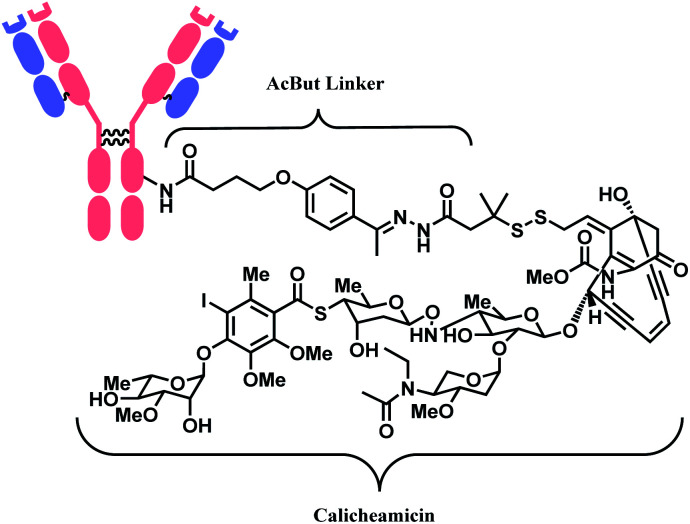
Fig. 2. | Structure of Mylotarg™ (antibody: CD33-targeting IgG4 mAb) and Besponsa™ (antibody: CD22-targeting IgG4 mAb).
Fig. 3
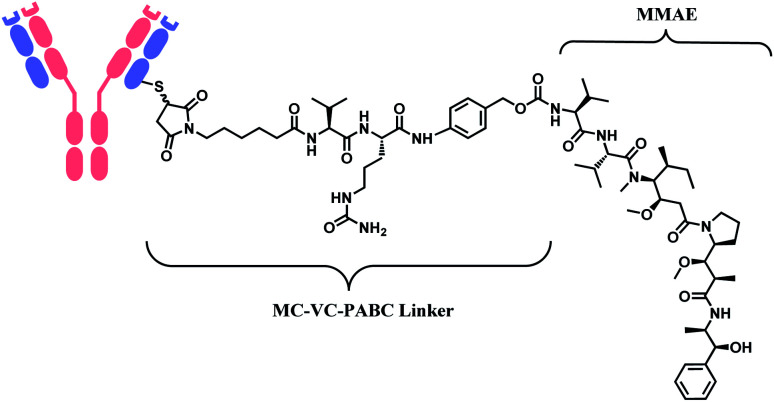
Fig. 3. Structure of Adcetris™ (antibody: CD30-targeting IgG1 mAb), Padcev™ (antibody: Nectin-4-targeting IgG1 mAb), and Polivy™ (antibody: CD79b-targeting IgG1 mAb).
Fig. 4
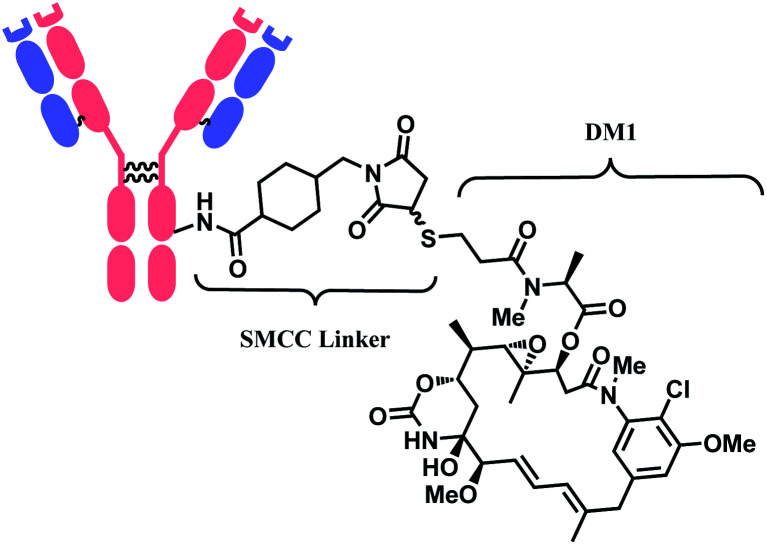
Fig. 4. Structure of Kadcyla™ (antibody: trastuzumab).
Fig. 5
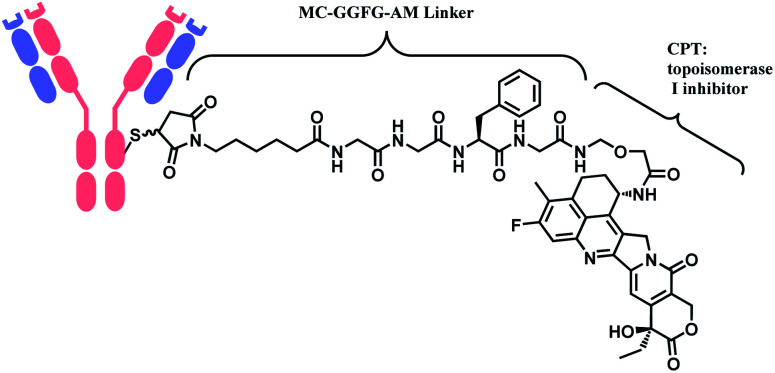
Fig. 5. Structure of Enhertu™ (antibody: trastuzumab).
Fig. 6
Fig. 6. Structure of Trodelvy™ (antibody: TROP-2 targeting IgG1 mAb).
Fig. 7
Fig. 7. Structure of Blenrep™ (antibody: BCMA-targeting IgG1 mAb).
Fig. 8
Fig. 8. Structure of Zynlonta™ (antibody: CD19-targeting IgG1 mAb).
Scheme 1
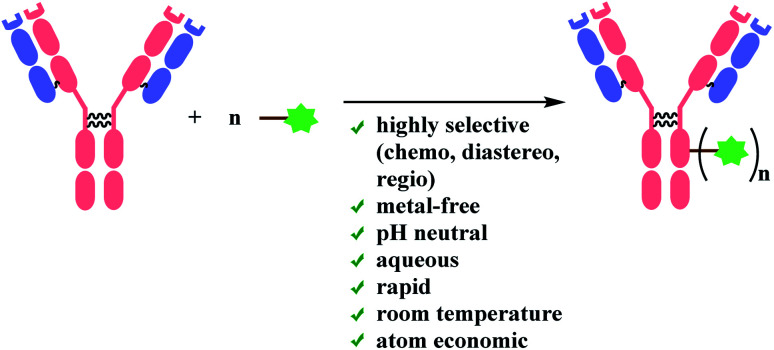
Scheme 1. Requirements for bioconjugation strategies for ADC chemical conjugation technology.
Scheme 2
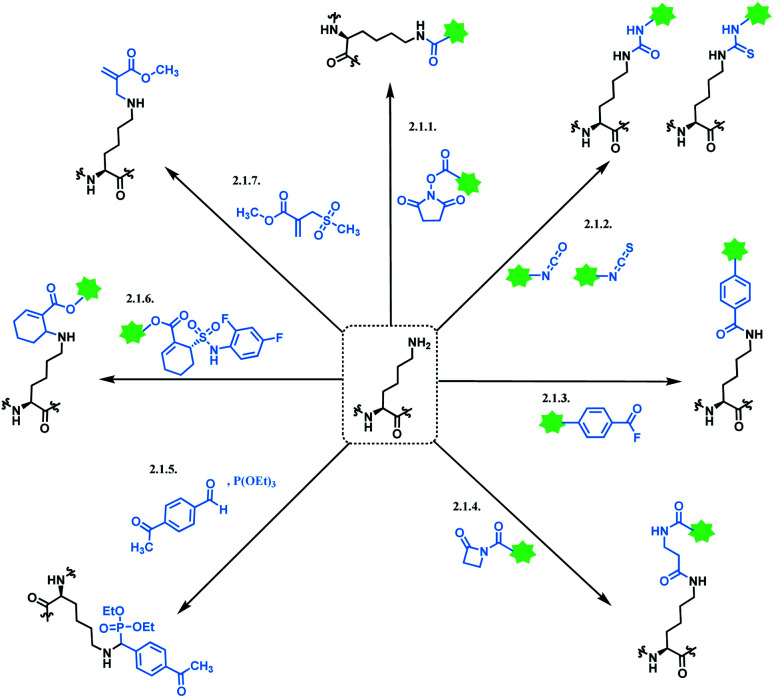
Scheme 2. Lysine conjugation methods.
Scheme 3
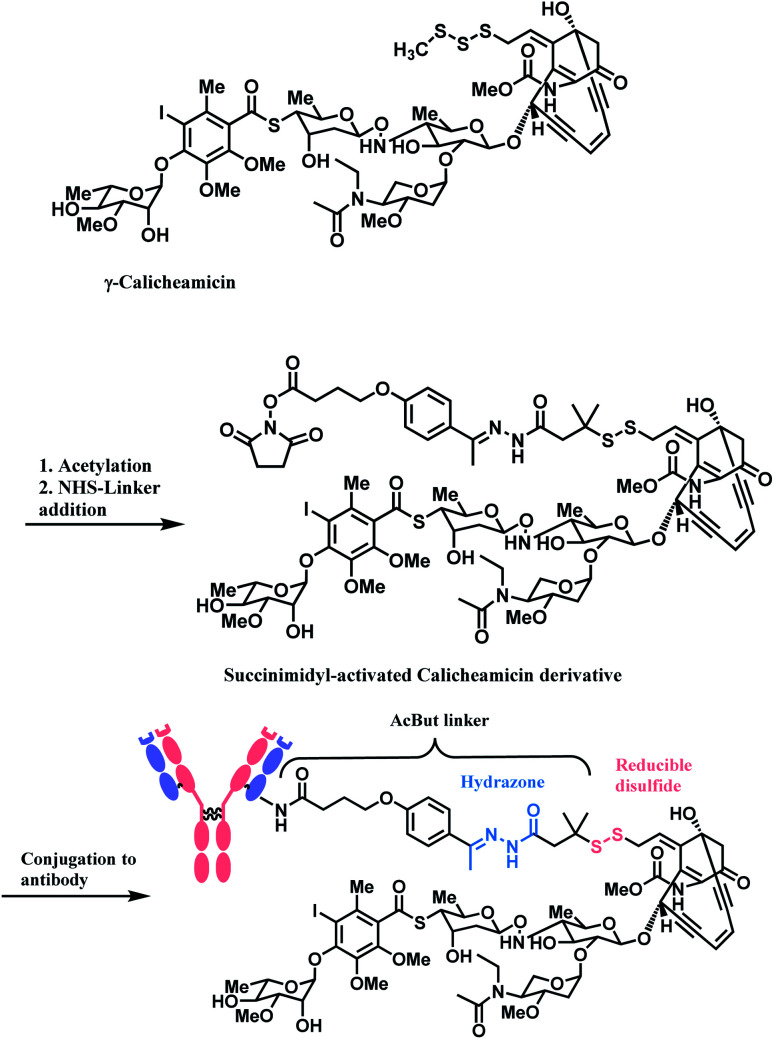
Scheme 3. Synthesis of NHS linker-Calicheamicin derivative payload and conjugation to antibody.
Scheme 4
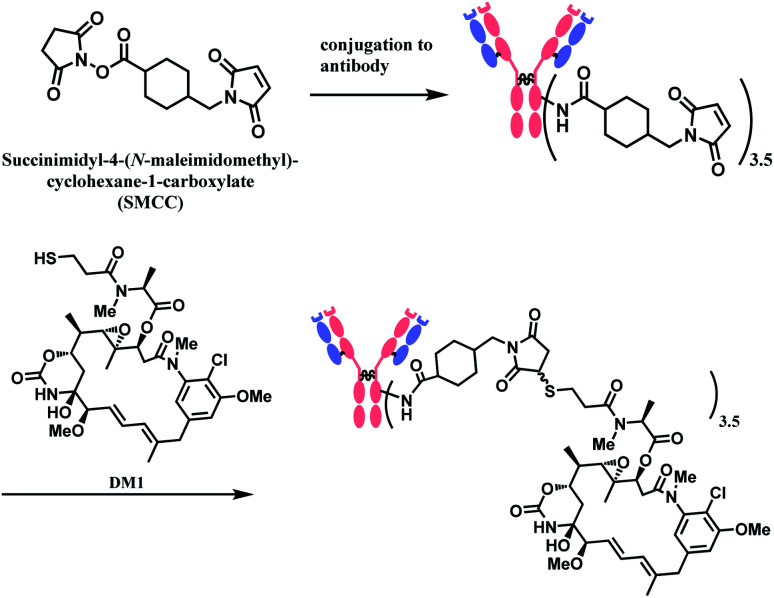
Scheme 4. Conjugation of SMCC linker to antibody followed by DM1 attachment.
Scheme 5
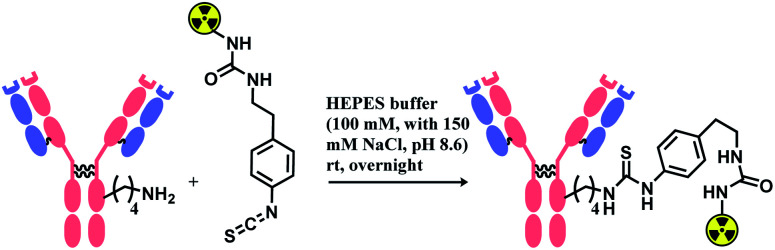
Scheme 5. Construction of antibody–radionuclide conjugate using isothiocyanate linker.
Scheme 6
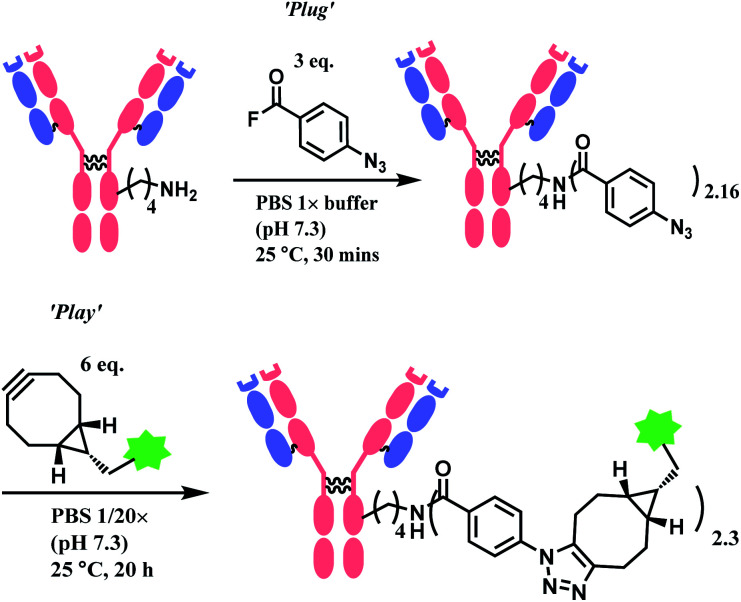
Scheme 6. ‘Plug’ and ‘Play’ strategy for antibody conjugation with 4-azidobenzoyl fluoroide linker.
Scheme 7
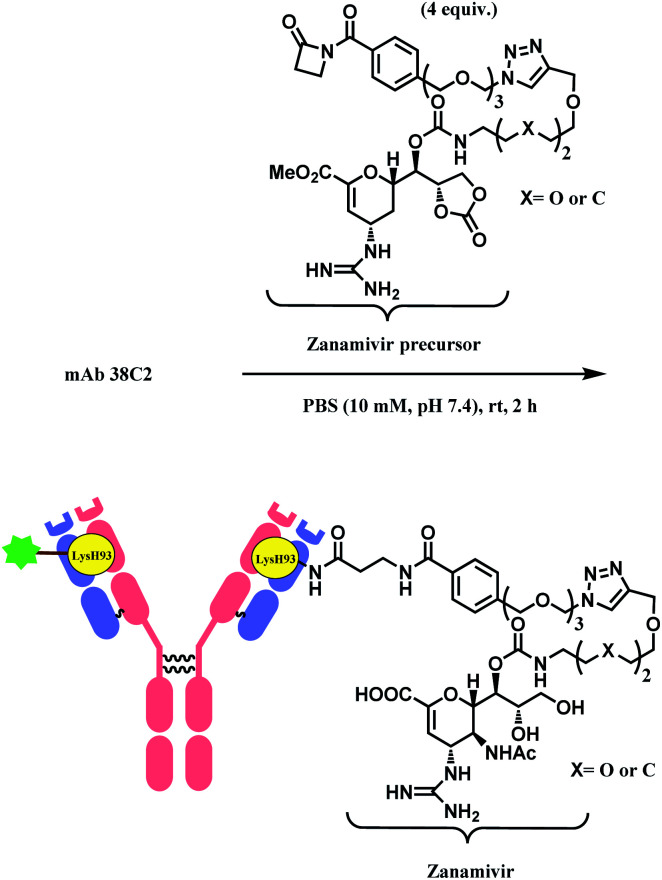
Scheme 7. Formation of 38C2–zanamivir conjugate, which targets influenza neuraminidase.
Scheme 8
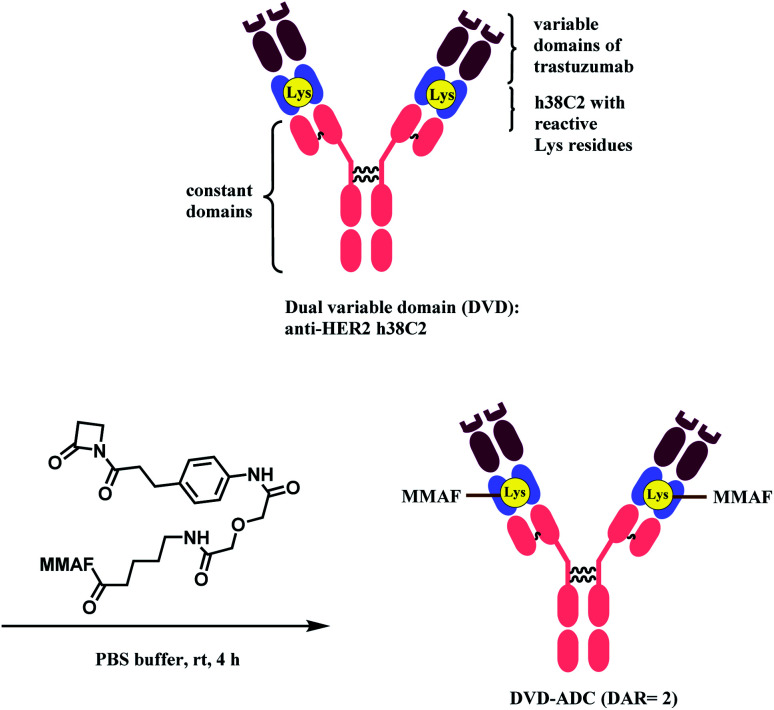
Scheme 8. Conjugation of anti-HER2 DVD-ADC with MMAF via the β-lactam linker.
Scheme 9
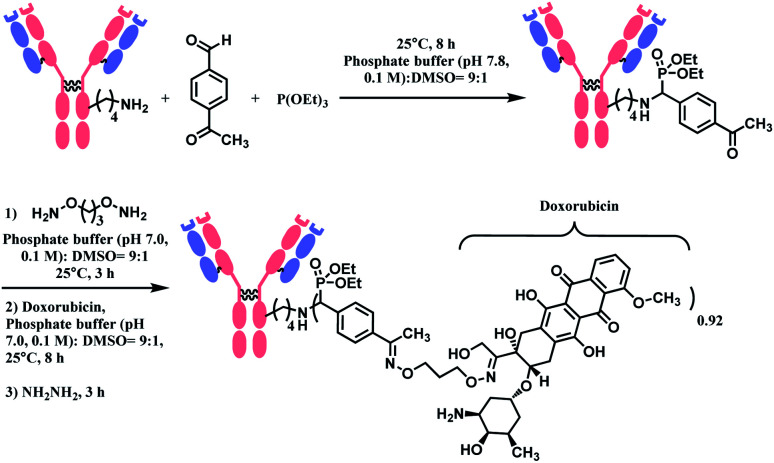
Scheme 9. Synthesis of trastuzumab–doxorubicin conjugate using Phospha–Mannich reaction.
Fig. 9
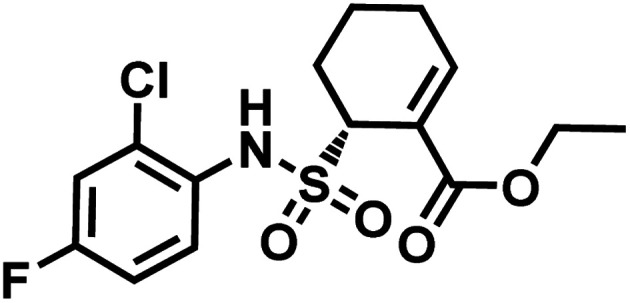
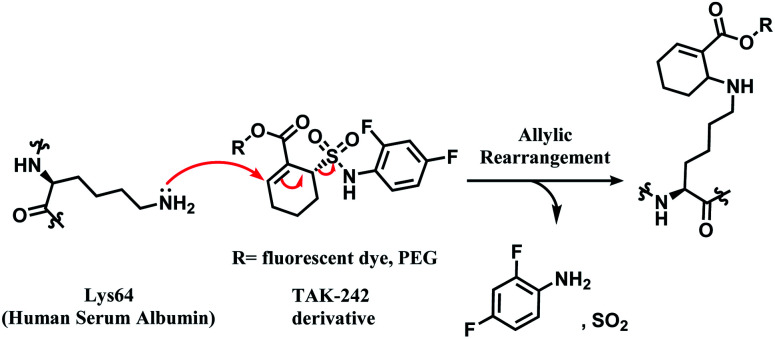
Fig. 9. Structure of TAK-242.
Scheme 10
Scheme 10. Proposed mechanism of the conjugation reaction between HSA Lys64 and TAK-242 derivative.
Scheme 11
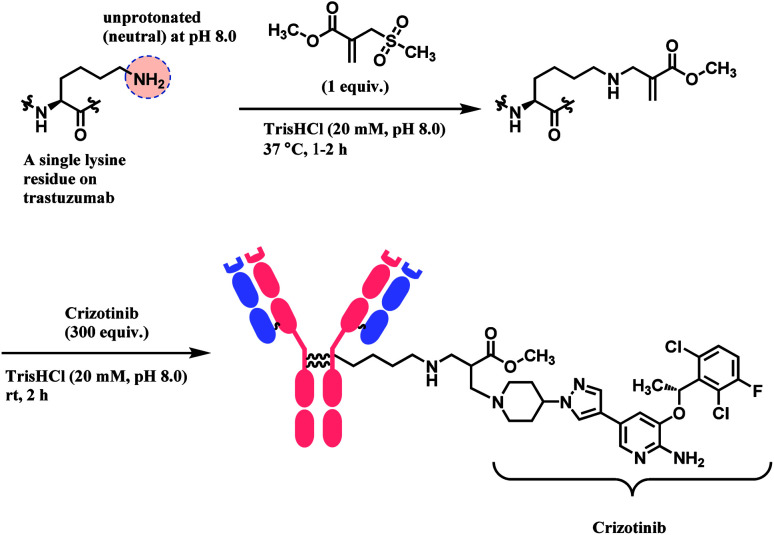
Scheme 11. Preparation of trastuzumab–crizotinib conjugate using sulfonyl acrylate linker.
Scheme 12
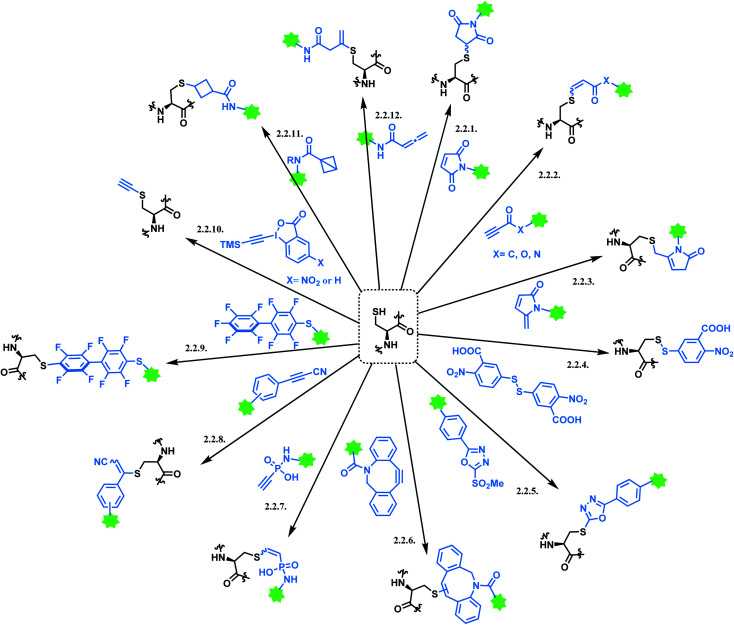
Scheme 12. Cysteine conjugation methods.
Fig. 10
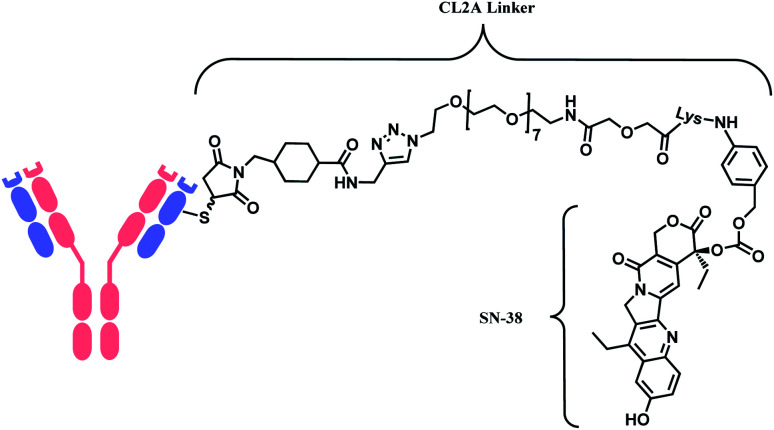
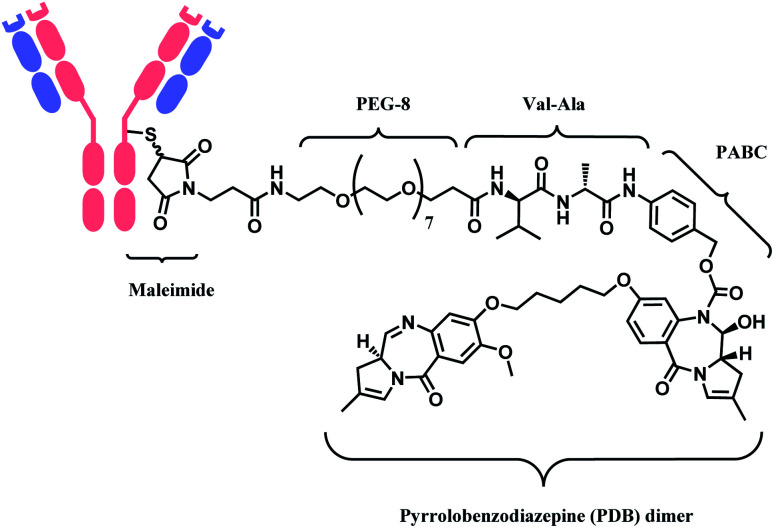
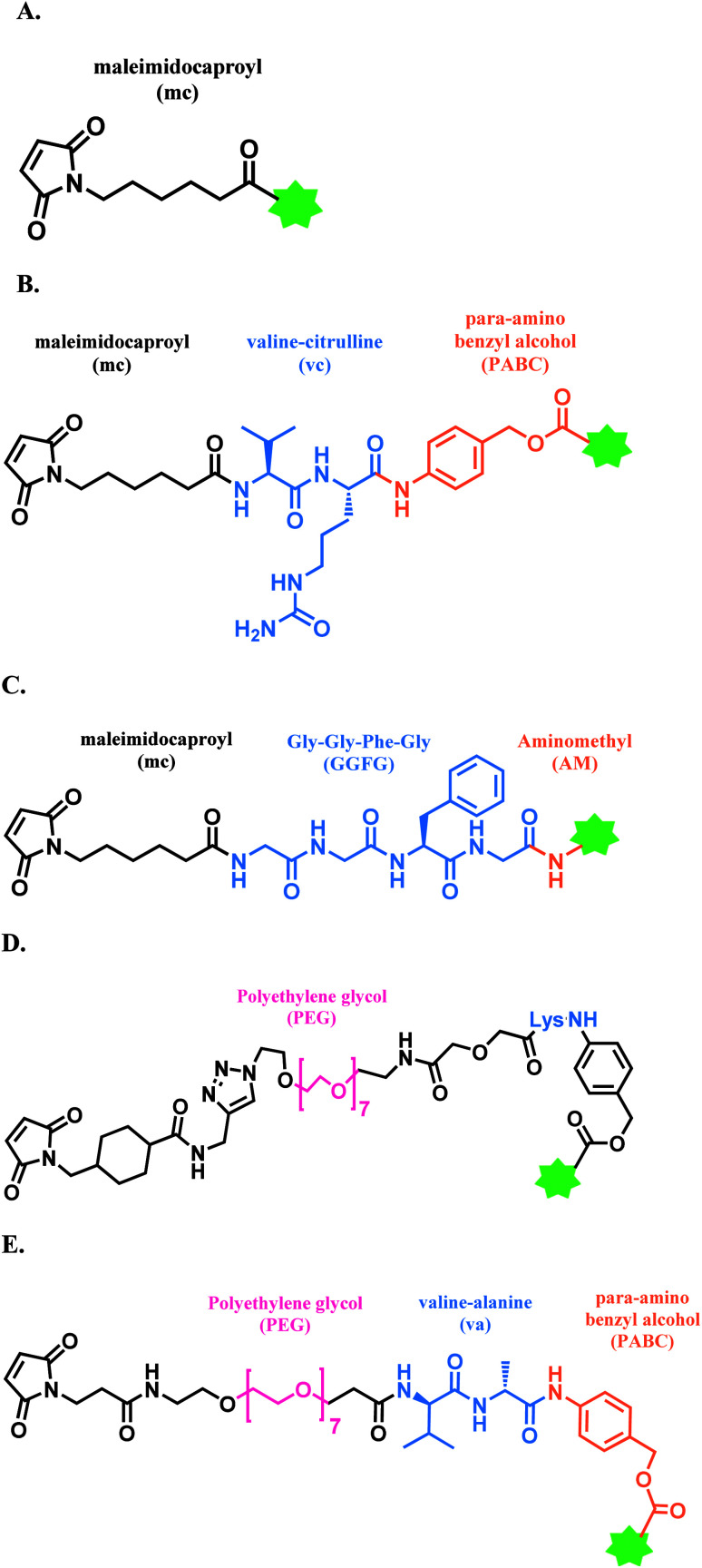
Fig. 10. Maleimide-based linkers in FDA-approved ADCs; (A) MC linker used in Belamaf; (B) MC-VC-PABC linker used in BV, EV, and PV; (C) MC-GGFG-AM linker used in T-Dxd; (D) CL2A linker in SG; and (E) maleimide-VA-PABC linker in LT.
Fig. 11
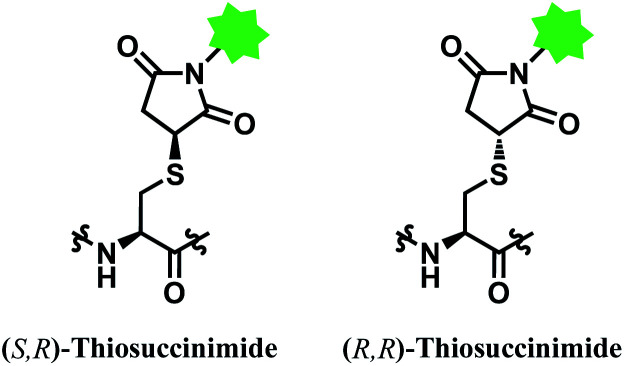
Fig. 11. Two diastereomers of the thiosuccinimide adduct.
Scheme 13
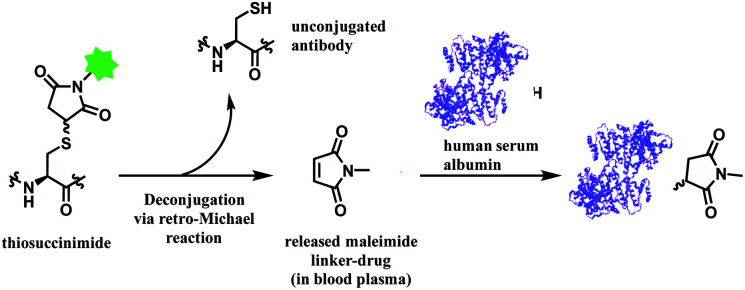
Scheme 13. Deconjugation of thiosuccinimide via retro-Michael process and subsequent attachment of maleimide on human serum albumin (pdb: 1AO6).
Scheme 14
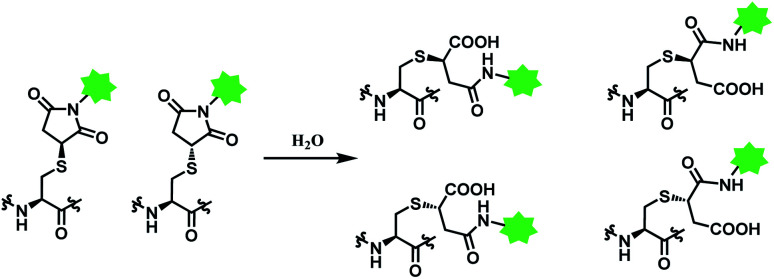
Scheme 14. Hydrolysis of thiosuccinimide conjugate.
Scheme 15
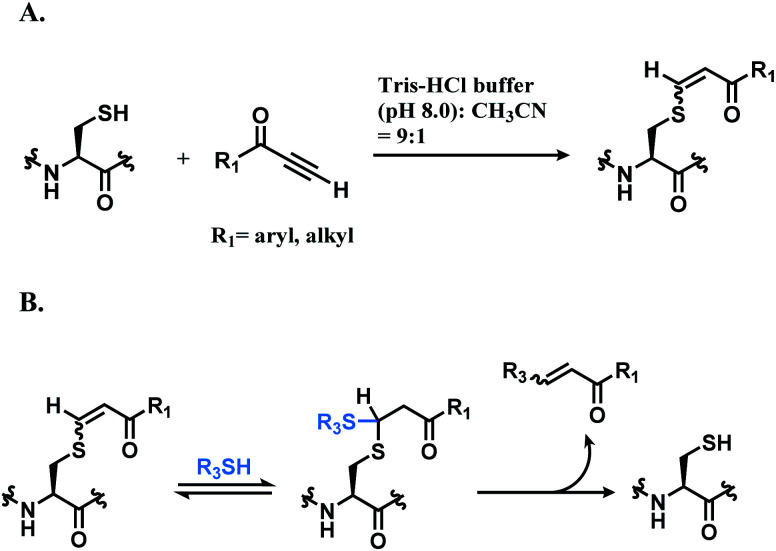
Scheme 15. Conjugation of alkynone linker with cysteine; (A) formation of regioisomeric mixtures of vinyl sulfide; (B) secondary addition of another thiol group followed by deconjugation.
Scheme 16
Scheme 16. Labelling cysteine residue with (Z)-oxopropene-1,3-diyl linker.
Scheme 17
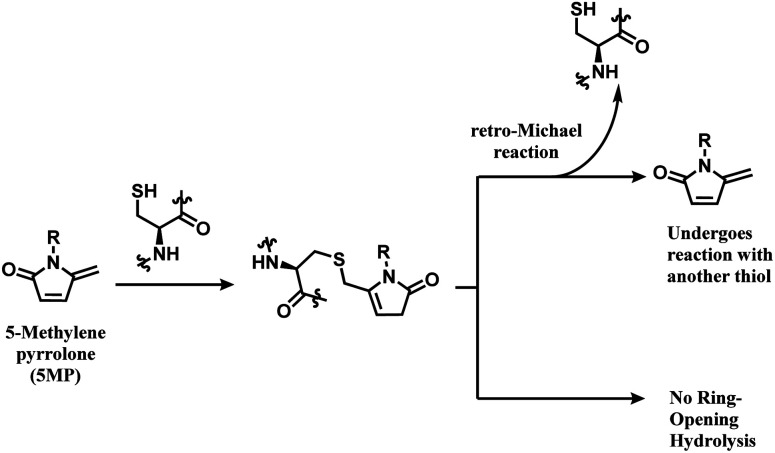
Scheme 17. 5MP conjugation to cysteine and the resulting adduct's stability.
Scheme 18
Scheme 18. Thiol–disulfide exchange of DTNB.
Scheme 19
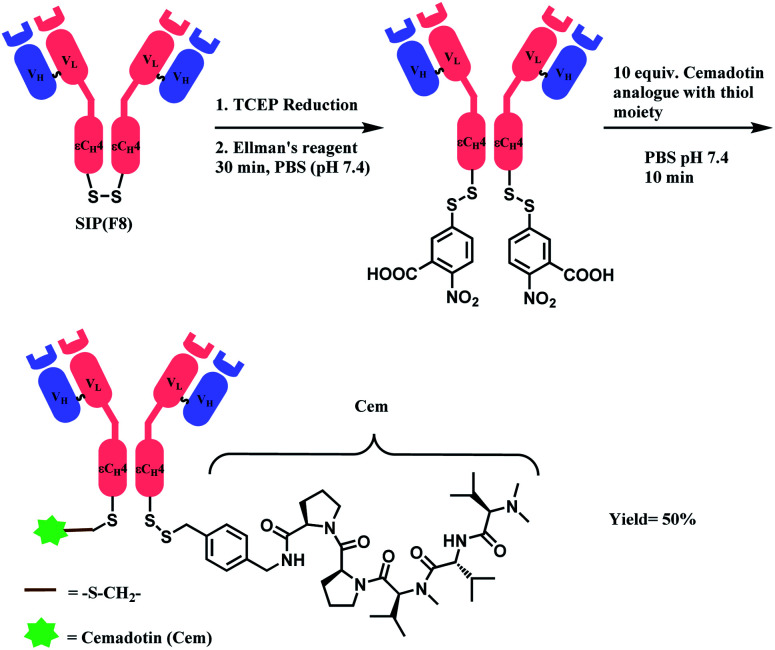
Scheme 19. Generation of ADC, SIP(F8)-SS-CH2Cem.
Scheme 20
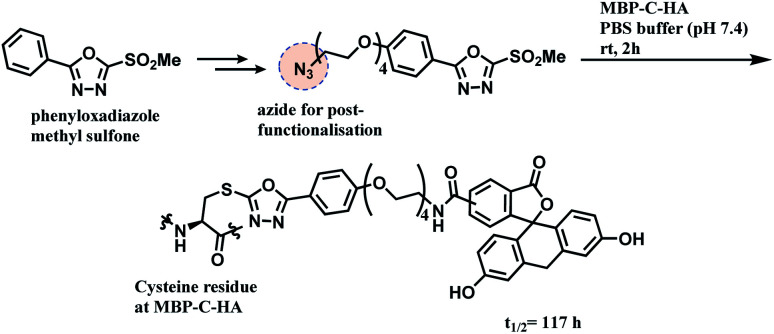
Scheme 20. Conjugation of MBP-C-HA with phenyloxadiazole sulfone (PODS) linker.
Scheme 21
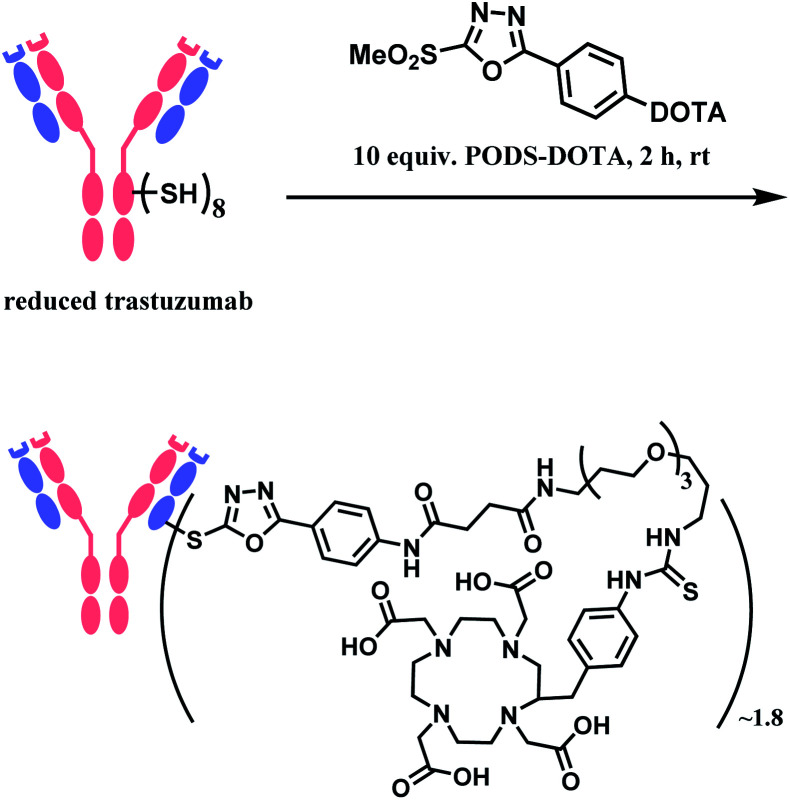
Scheme 21. Conjugation of trastuzumab with PODS–DOTA.
Scheme 22
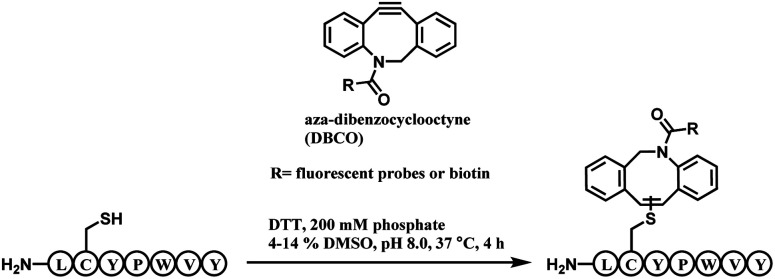
Scheme 22. DBCO-tag mediated thiol–yne reaction.
Scheme 23
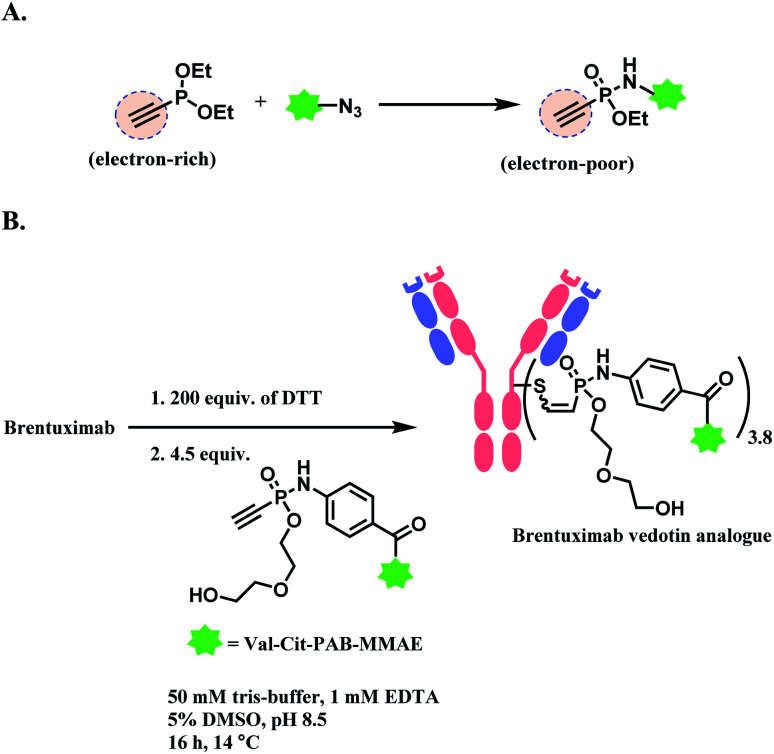
Scheme 23. Phosphonamidate electrophile for cysteine bioconjugation; (A) Staudinger-phosphonite reaction (SPhR) to generate electron-poor ethynylphosphonamidate linker; (B) generation of ADC using ethynylphosphonamidate linker via thiol addition.
Scheme 24
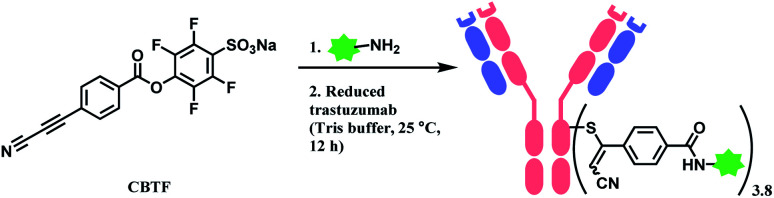
Scheme 24. Labelling cysteine residues on trastuzumab with CBTF bifunctional linker containing APN moiety.
Scheme 25
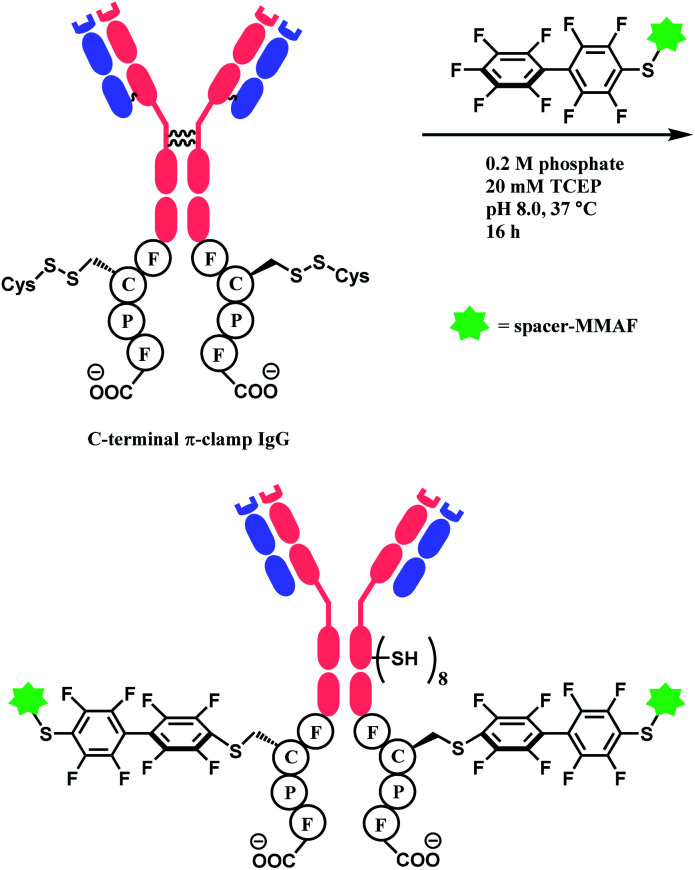
Scheme 25. Construction of ADC of trastuzumab and MMAF via π-clamp and decafluorobiphenyl linker.
Scheme 26
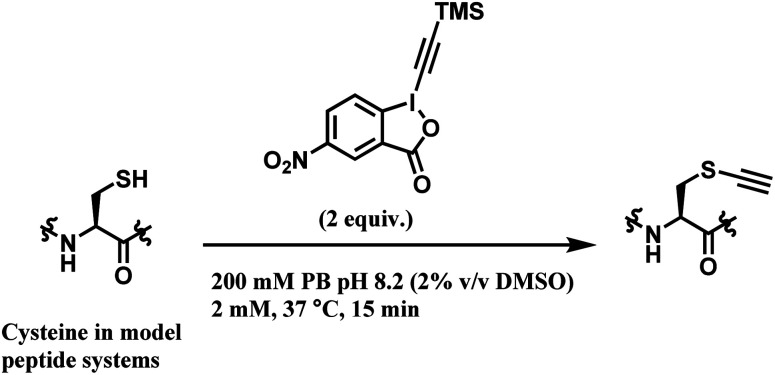
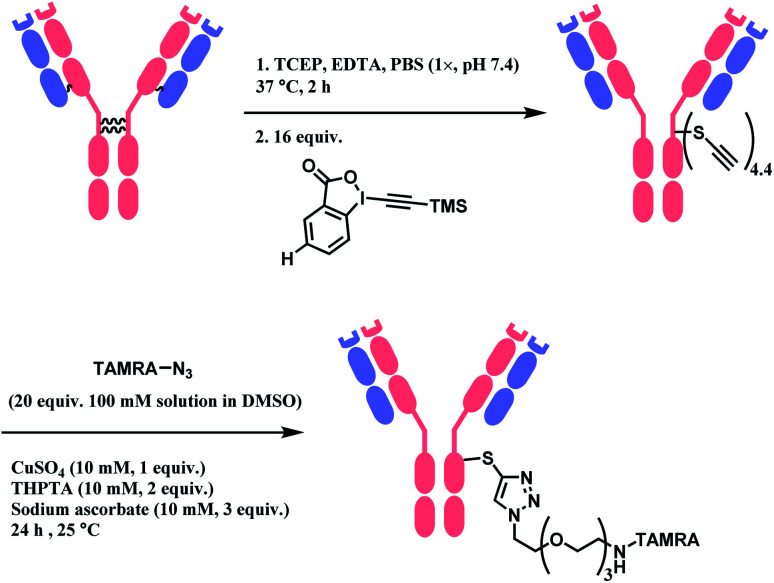
Scheme 26. Cysteine conjugation with TMS–EBX.
Scheme 27
Scheme 27. Labelling trastuzumab with TAMRA with TMS–EBX reagent.
Scheme 28
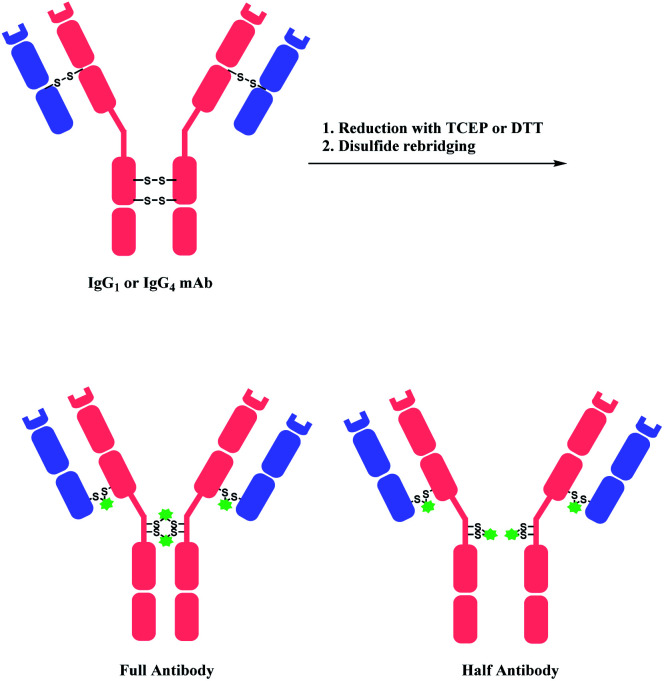
Scheme 28. Disulfide reduction followed by rebridging with linker, and the formation of undesired half-antibody.
Scheme 29
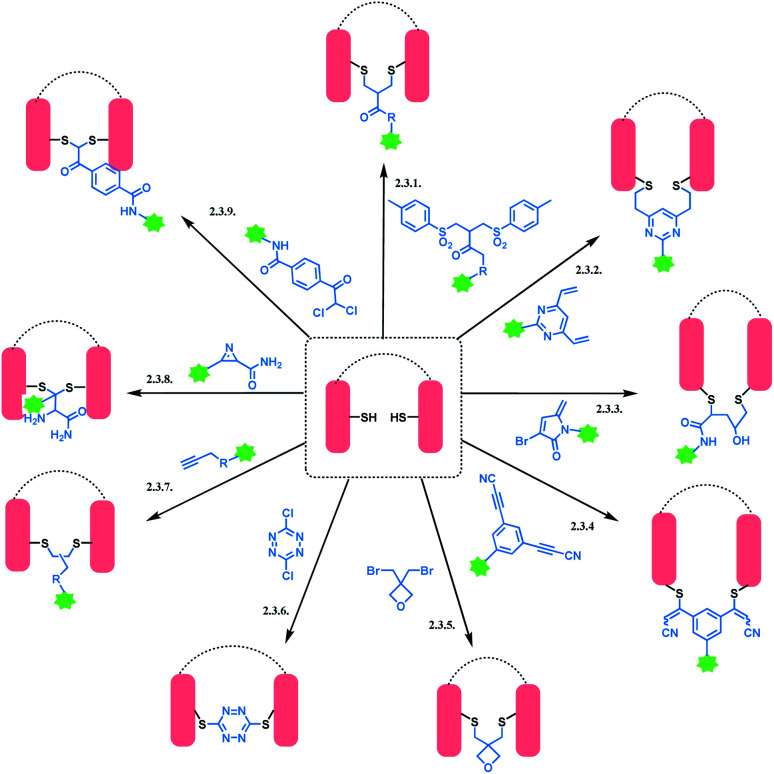
Scheme 29. Disulfide rebridging methods.
Scheme 30
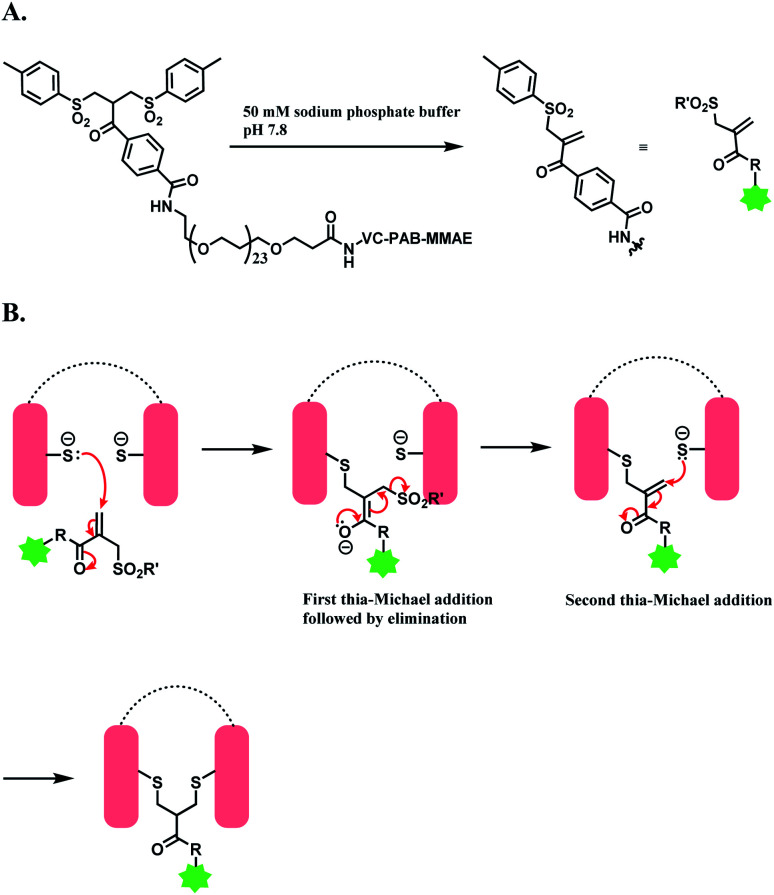
Scheme 30. Bis-sulfone reagent as a disulfide rebridging linker; (A) Formation of mono-sulfone Michael acceptor; (B) disulfide rebridging via a sequence of Michael addition and elimination reactions.
Scheme 31
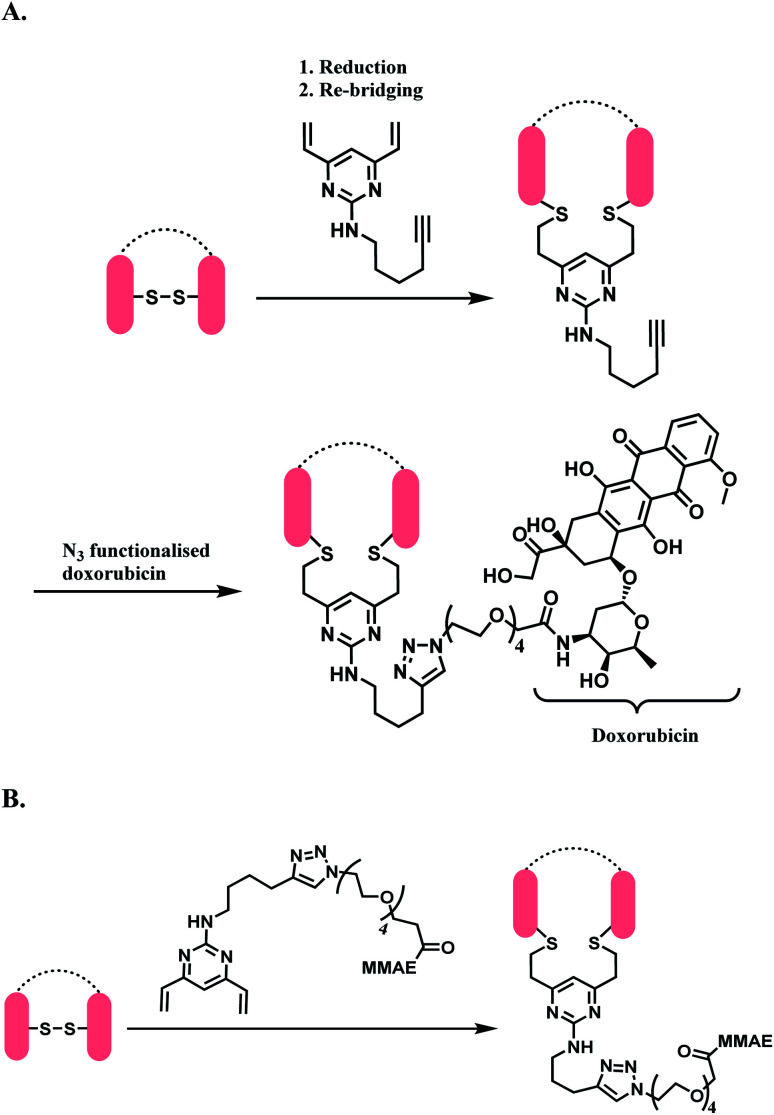
Scheme 31. DVP as a disulfide rebridging linker; (A) conjugation of linker to antibody, followed by the attachment of drug payload; (B) conjugation of DVP linker-payload moiety to antibody.
Scheme 32
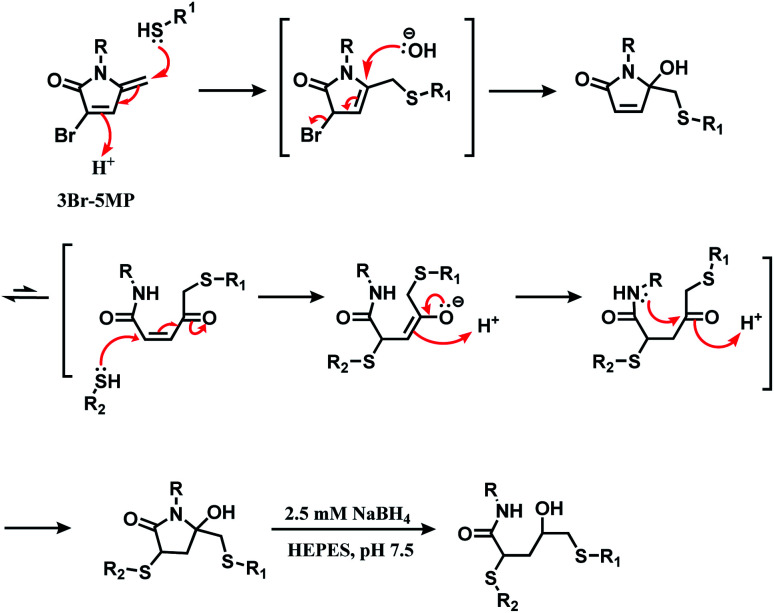
Scheme 32. Mechanism of the reaction of 3Br-5MP with two thiol groups.
Scheme 33
Scheme 33. Using dichlorotetrazine as a disulfide conjugation reagent, with post-functionalisation via iEDDA.
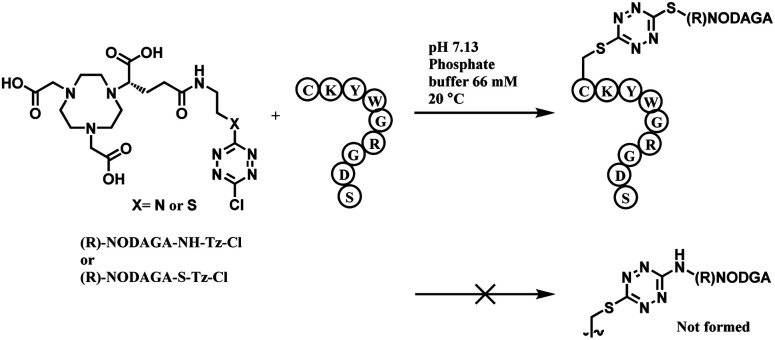
Scheme 34
Scheme 34. Reaction between (R)-NODAGA–X–Cl (X = S or NH) and peptide.
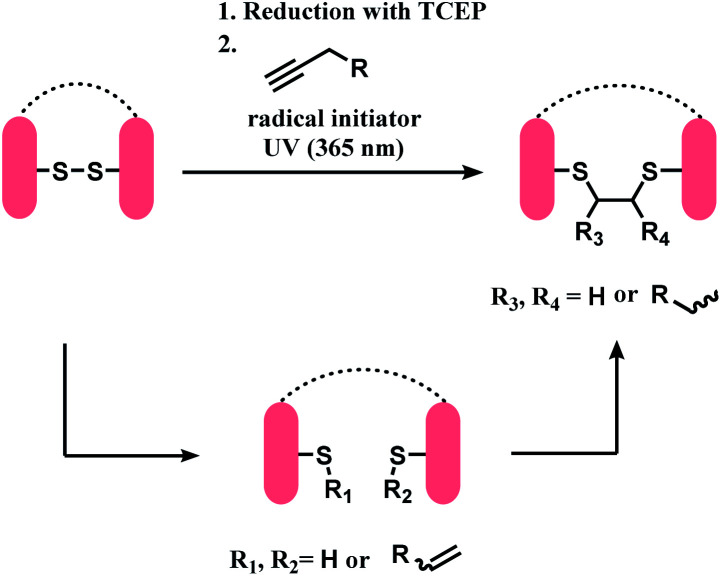
Scheme 35
Scheme 35. Sequential steps of thiol–yne coupling to rebridge reduced disulfide.
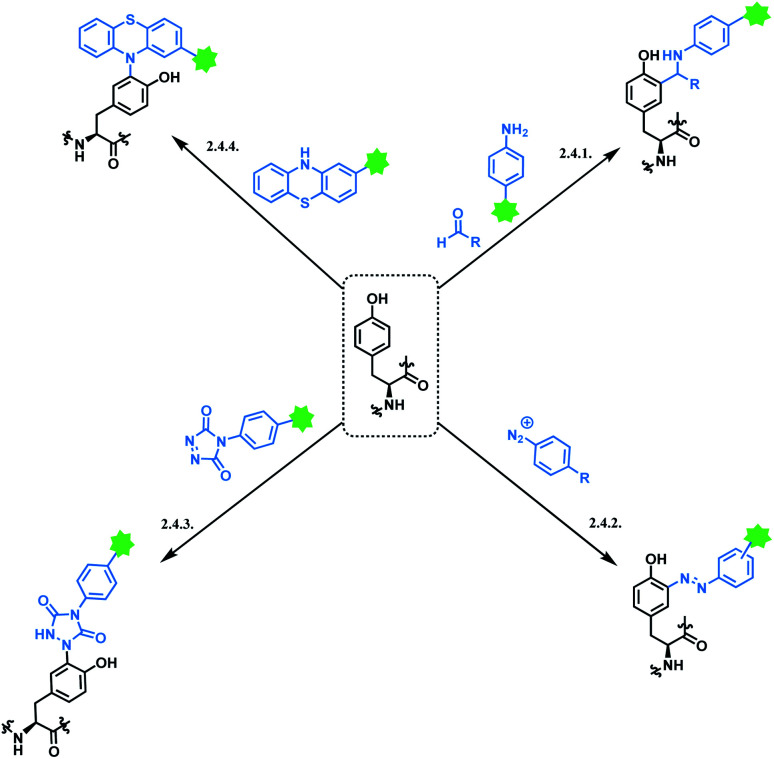
Scheme 36
Scheme 36. Tyrosine conjugation methods.
Scheme 37
Scheme 37. Reaction between tyrosine and in situ generated imine.
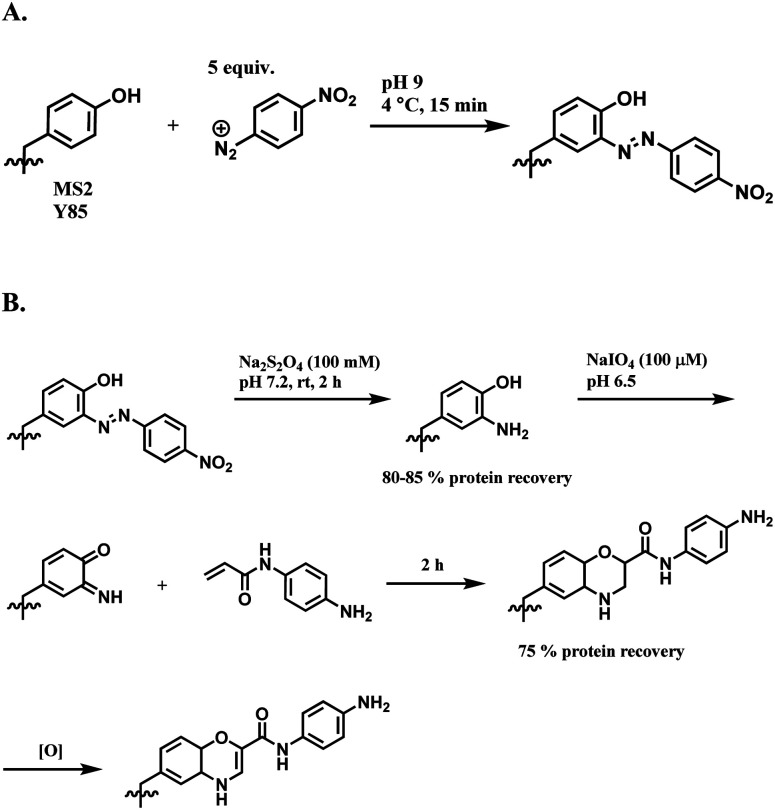
Scheme 38
Scheme 38. (A) Reaction of 4-nitrobenzenediazonium salt with tyrosine linings of MS2 bacteriophage; (B) post-functionalisation of the resulting o-imino-quinone conjugate.
Scheme 39
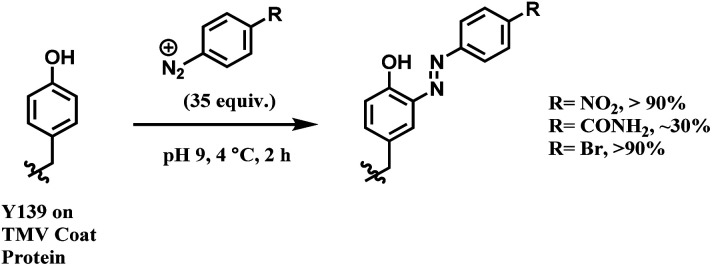
Scheme 39. Varying yields of diazonium salt labelling of tyrosine based on the para-substituent of the diazonium salt.
Scheme 40
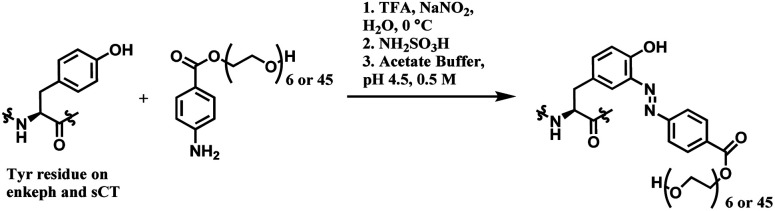
Scheme 40. Synthetic strategy to label tyrosine residue with in situ generated diazonium salt.
Scheme 41
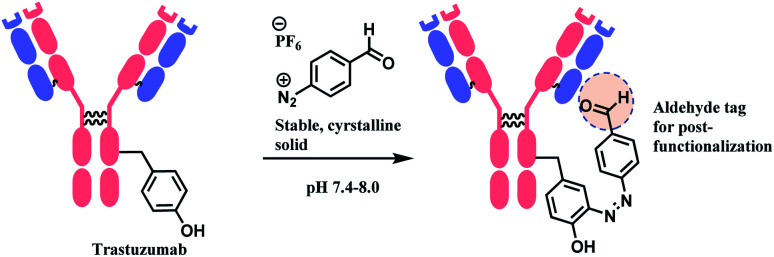
Scheme 41. Labelling tyrosine residues of trastuzumab with 4-formylbenzene diazonium hexafluorophosphate (FBDP).
Scheme 42
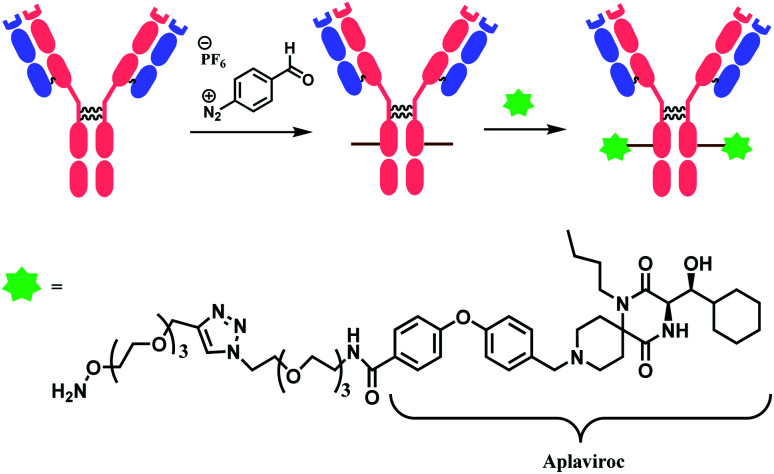
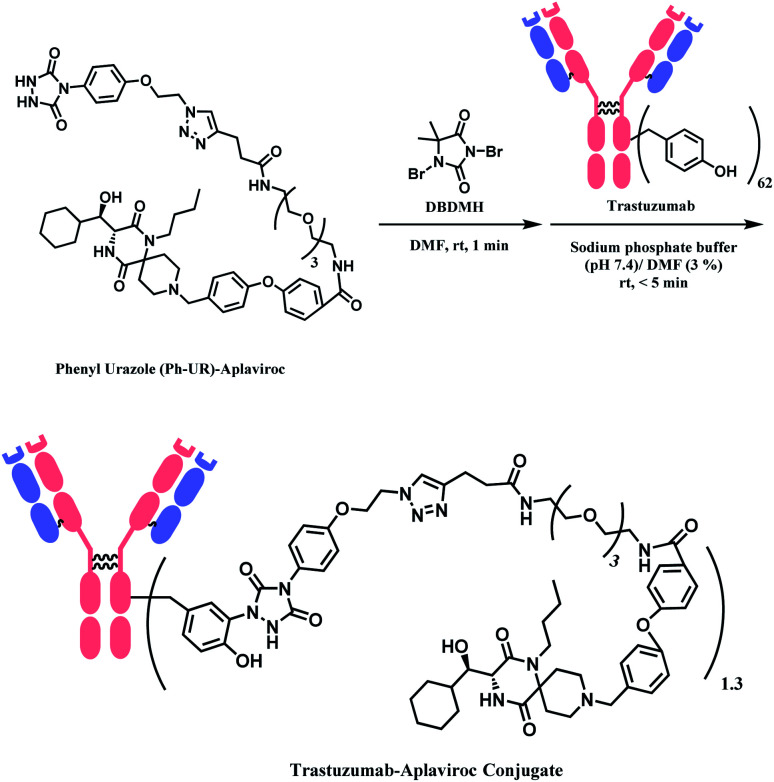
Scheme 42. Formation of mAb–aplaviroc conjugate.
Fig. 12
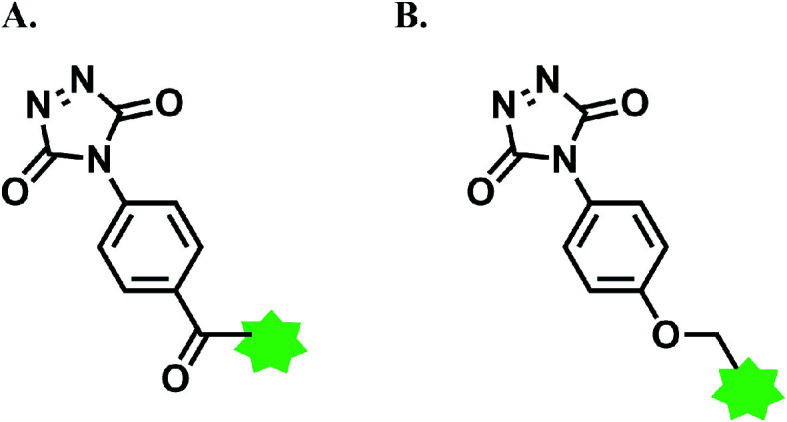
Fig. 12. PTAD reagents substituted with (a) electronically poor moieties; (b) electronically rich moieties.
Scheme 43
Scheme 43. Generation of trastuzumab–aplaviroc conjugate with the DAR of 1.3.
Scheme 44
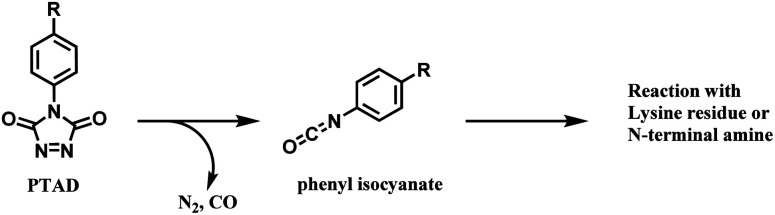
Scheme 44. Side reaction with amine groups via isocyanate generation.
Scheme 45
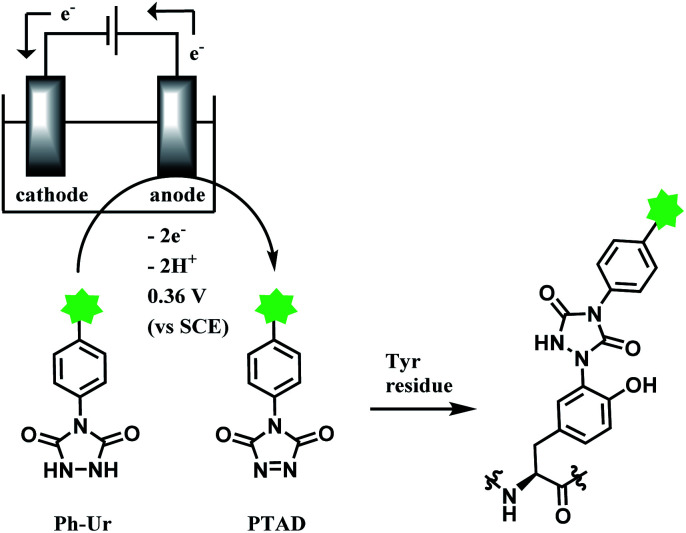
Scheme 45. e-Y-Click reaction.
Scheme 46
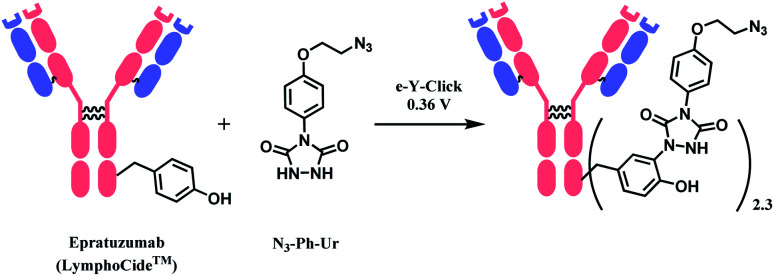
Scheme 46. Tyrosine conjugation of epratuzumab with N3-Ph-Ur.
Scheme 47
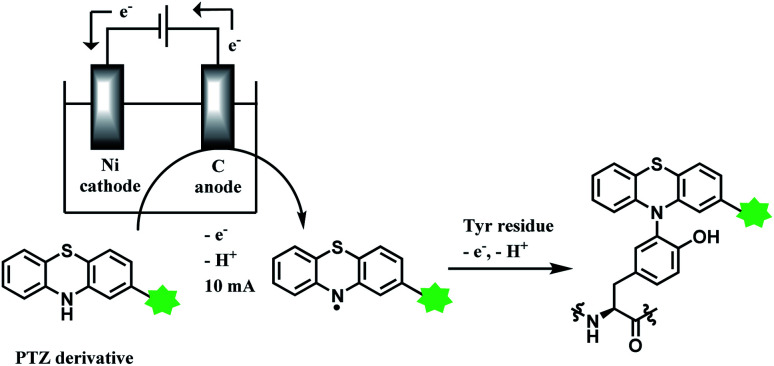
Scheme 47. Tyrosine-selective conjugation by PTZ derivatives.
Scheme 48
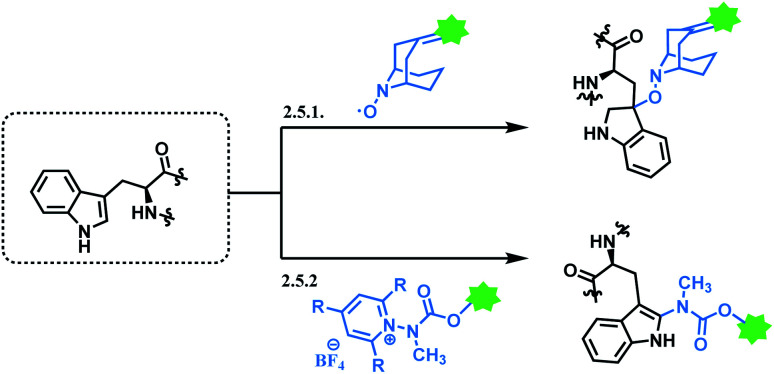
Scheme 48. Tryptophan conjugation methods.
Scheme 49
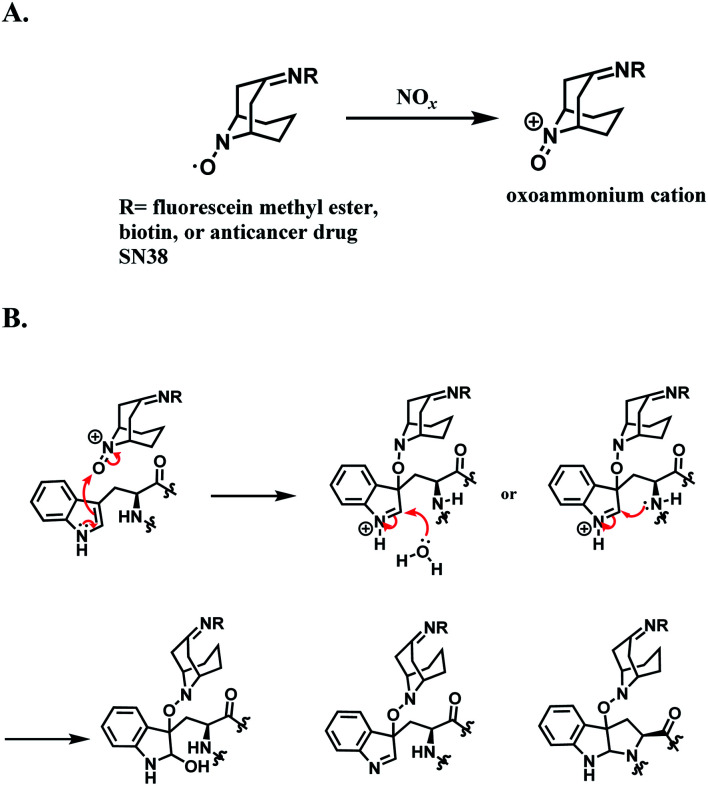
Scheme 49. (A) Oxidation of keto-ABNO by NOx to generate oxoammonium electrophile; (B) proposed mechanism tryptophan conjugation with keto-ABNO.
Scheme 50
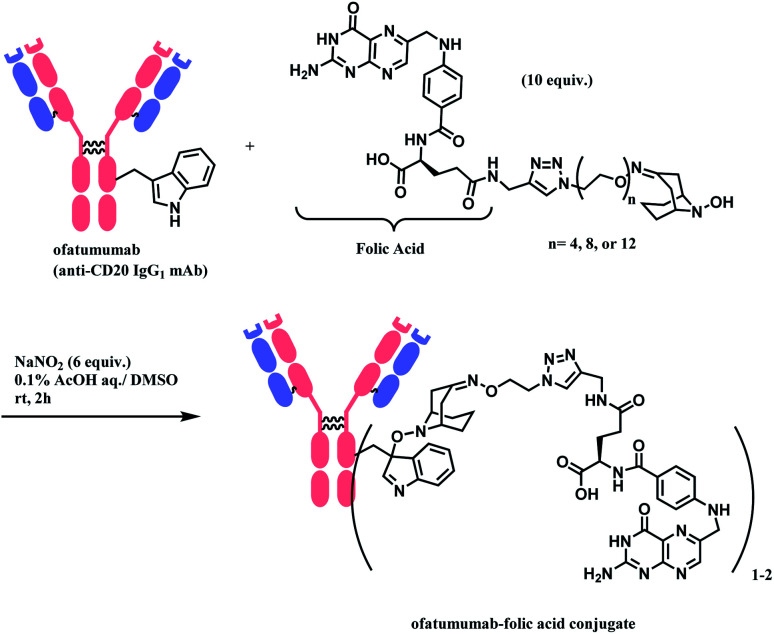
Scheme 50. Formation of ofatumumab-folic acid conjugate.
Scheme 51
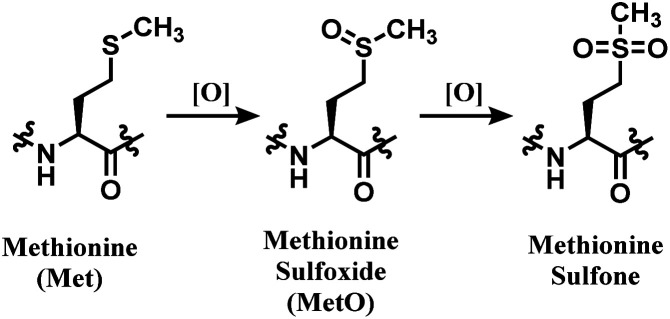
Scheme 51. Oxidation of methionine residue.
Scheme 52
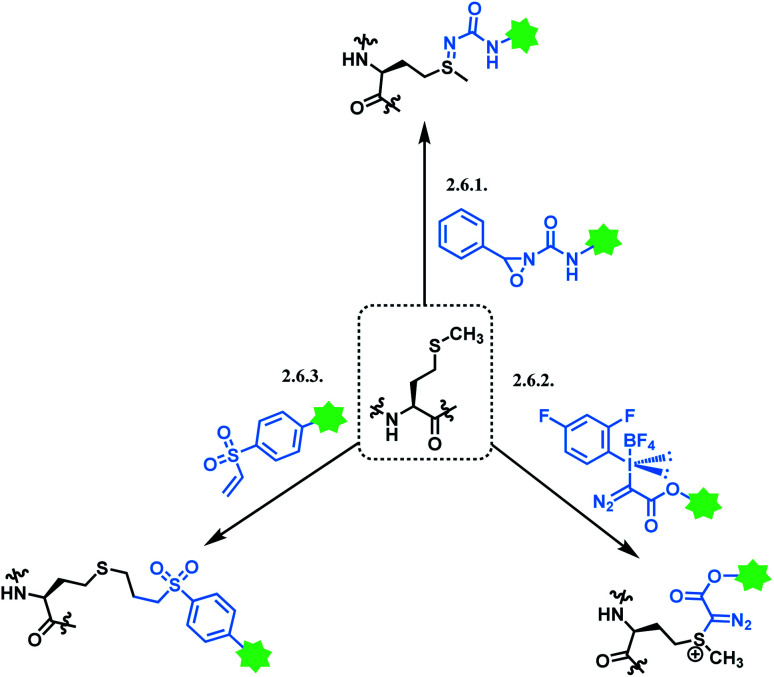
Scheme 52. Methionine conjugation methods.
Scheme 53
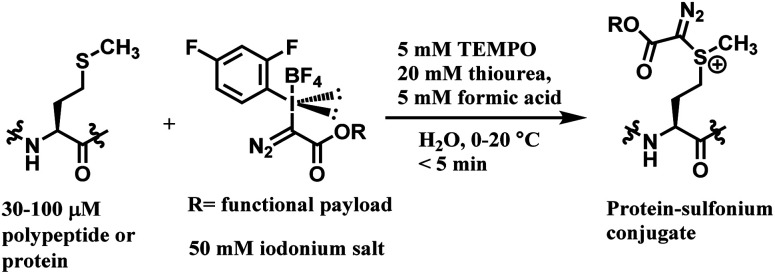
Scheme 53. Labelling methionine residue with hypervalent iodine reagent.
Scheme 54
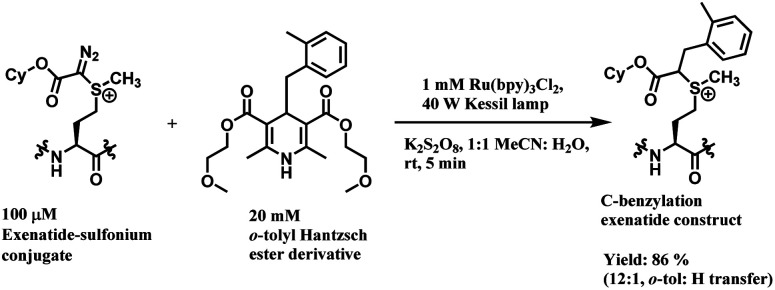
Scheme 54. Post-functionalisation via photoredox radical cross-coupling between the diazo sulfonium–protein conjugate and the C-4 substituted Hantzsch ester.
Scheme 55
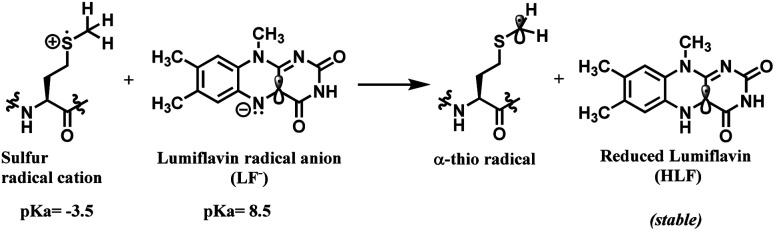
Scheme 55. Formation of α-thio radical from methionine radical cation via hydrogen abstraction by lumiflavin radical anion.
Scheme 56
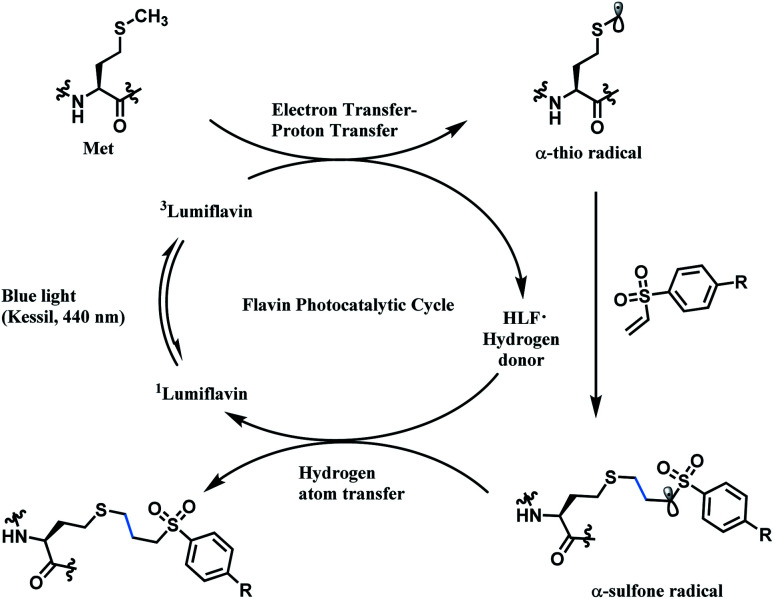
Scheme 56. Proposed mechanism of lumiflavin-catalysed methionine conjugation.
None
Min Sun Kang
None
Theresa Wai See Kong
None
Joycelyn Yi Xin Khoo
None
Teck-Peng Loh

References

    1. Koniev O. Wagner A. Chem. Soc. Rev. 2015;44:5495–5551. doi: 10.1039/C5CS00048C. - DOI - PubMed
    1. Bross P. Beitz J. Chen G. Chen X. Duffy E. Keiffer L. Roy S. Sridhara R. Rahman A. Williams G. Pazdur R. Clin. Cancer Res. 2001;7:1490–1496. - PubMed
    1. Hamann P. Hinman L. Hollander I. Beyer C. Lindh D. Holcomb R. Hallent W. Tsou H. Upeslacis J. Shorchat D. Mountain A. Flowers D. Bernstein I. Bioconjug. Chem. 2002;13:47–58. doi: 10.1021/bc010021y. - DOI - PubMed
    1. Lamb Y. N. Drugs. 2017;77:1603–1610. doi: 10.1007/s40265-017-0802-5. - DOI - PubMed
    1. de Claro R. A. McGinn K. Kwitkowski V. Bullock J. Khandelwal A. Habtemariam B. Ouyang Y. Saber H. Lee K. Koti K. Rothmann M. Shapiro M. Borrego F. Clouse K. Chen X. H. Brown J. Akinsanya L. Kane R. Kaminskas E. Farrell A. Pazdur R. Clin. Cancer Res. 2012;18:5845–5849. doi: 10.1158/1078-0432.CCR-12-1803. - DOI - PubMed