


Radiomics-guided deep neural networks stratify lung adenocarcinoma prognosis from CT scans
- PMID: 34773070
- PMCID: PMC8590002
- DOI: 10.1038/s42003-021-02814-7
Radiomics-guided deep neural networks stratify lung adenocarcinoma prognosis from CT scans
Abstract
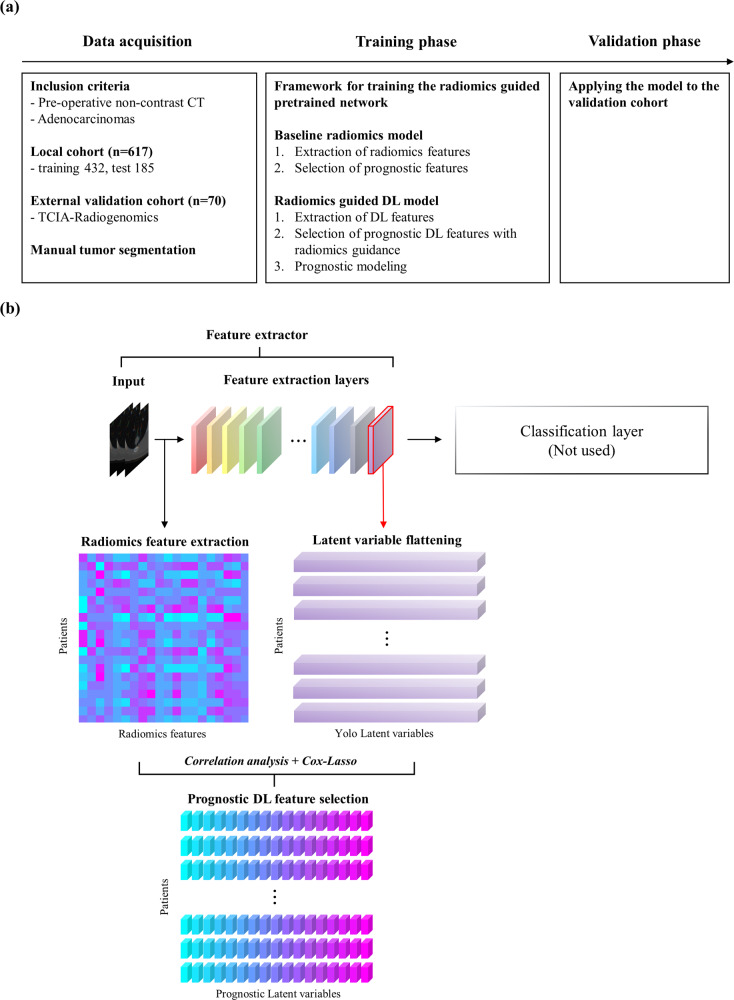
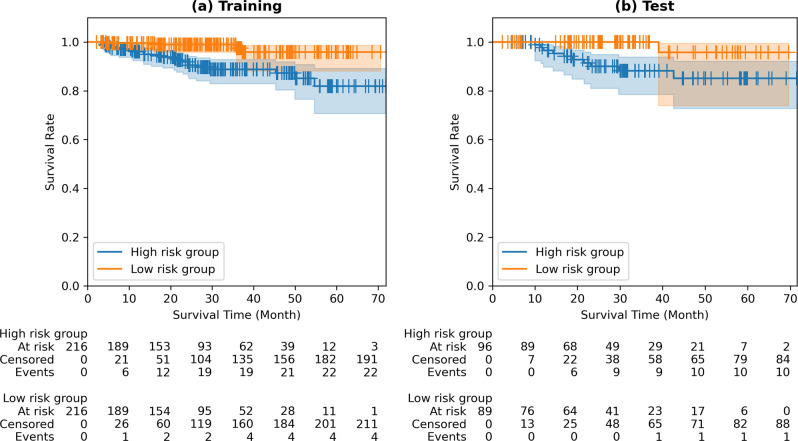
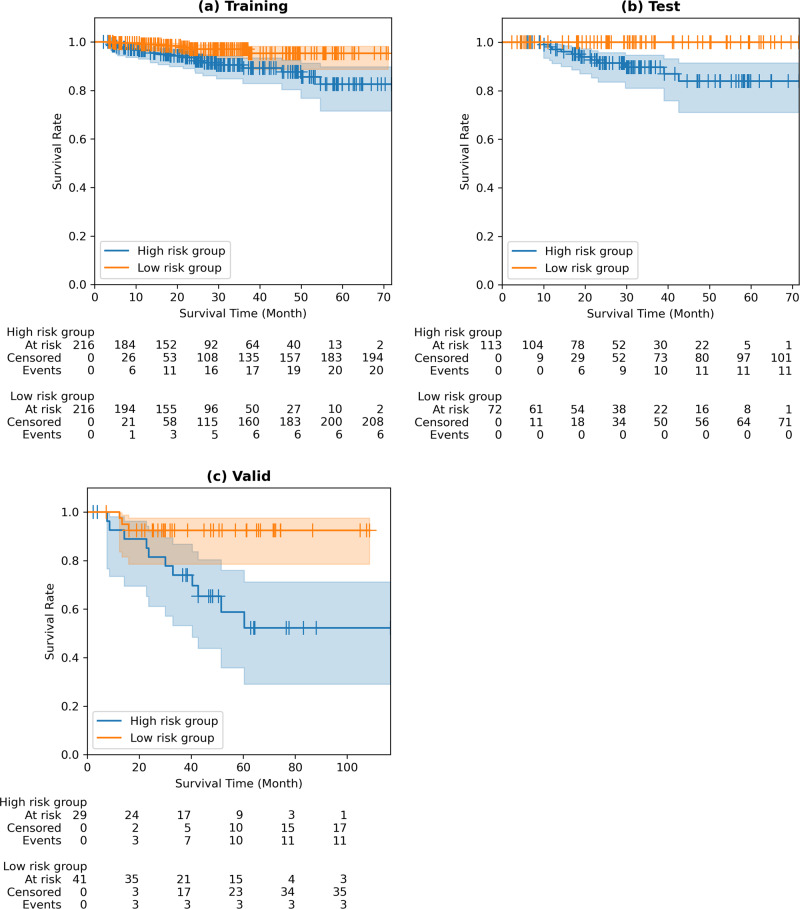
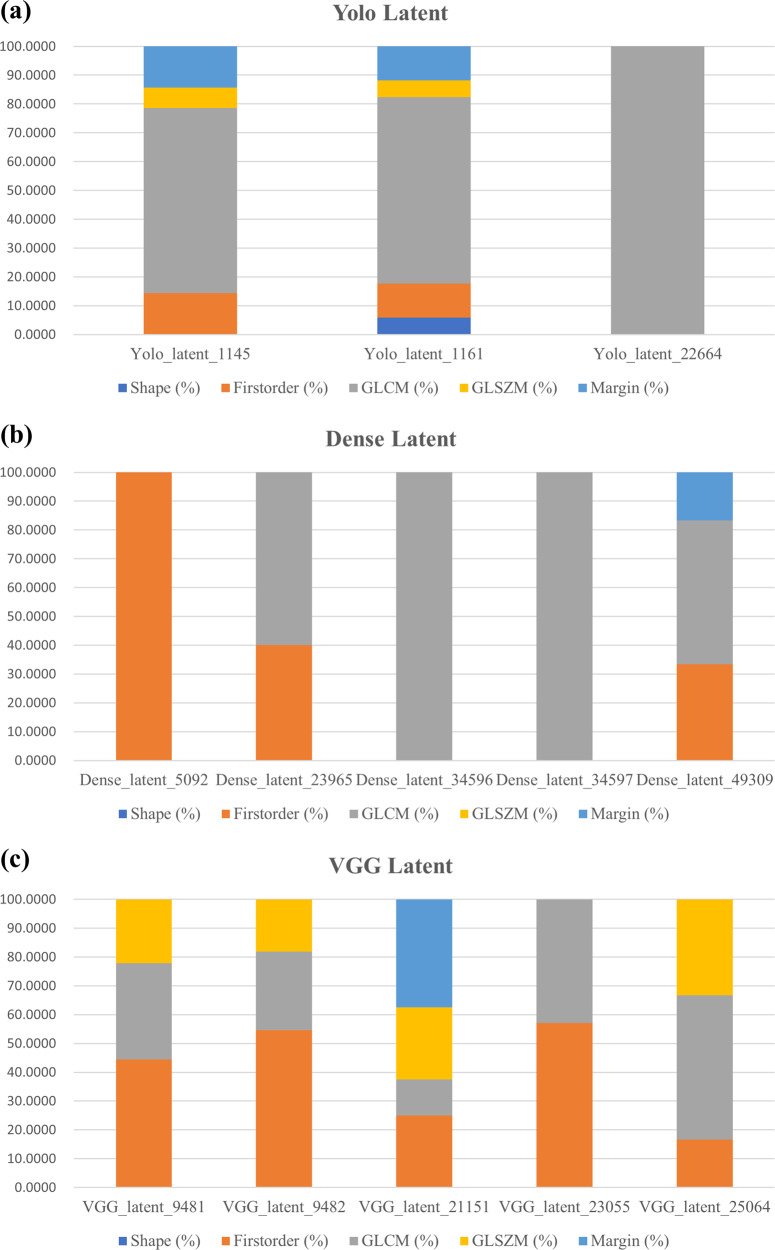
Deep learning (DL) is a breakthrough technology for medical imaging with high sample size requirements and interpretability issues. Using a pretrained DL model through a radiomics-guided approach, we propose a methodology for stratifying the prognosis of lung adenocarcinomas based on pretreatment CT. Our approach allows us to apply DL with smaller sample size requirements and enhanced interpretability. Baseline radiomics and DL models for the prognosis of lung adenocarcinomas were developed and tested using local (n = 617) cohort. The DL models were further tested in an external validation (n = 70) cohort. The local cohort was divided into training and test cohorts. A radiomics risk score (RRS) was developed using Cox-LASSO. Three pretrained DL networks derived from natural images were used to extract the DL features. The features were further guided using radiomics by retaining those DL features whose correlations with the radiomics features were high and Bonferroni-corrected p-values were low. The retained DL features were subject to a Cox-LASSO when constructing DL risk scores (DRS). The risk groups stratified by the RRS and DRS showed a significant difference in training, testing, and validation cohorts. The DL features were interpreted using existing radiomics features, and the texture features explained the DL features well.
© 2021. The Author(s).
Conflict of interest statement
The authors declare no competing interests.
Figures
References
-
- Russell PA, et al. Does lung adenocarcinoma subtype predict patient survival?: A clinicopathologic study based on the new international association for the study of lung cancer/American thoracic society/European respiratory society international multidisciplinary lung adenocarcinoma classification. J. Thorac. Oncol. 2011;6:1496–1504. - PubMed
-
- Warth A, et al. The novel histologic International Association for the Study of Lung Cancer/American Thoracic Society/European Respiratory Society classification system of lung adenocarcinoma is a stage-independent predictor of survival. J. Clin. Oncol. 2012;30:1438–1446. - PubMed
-
- Yoshizawa A, et al. Impact of proposed IASLC/ATS/ERS classification of lung adenocarcinoma: Prognostic subgroups and implications for further revision of staging based on analysis of 514 stage i cases. Mod. Pathol. 2011;24:653–664. - PubMed
-
- Ito M, et al. Second predominant subtype predicts outcomes of intermediatemalignant invasive lung adenocarcinoma. Eur. J. Cardio-Thorac. Surg. 2017;51:218–222. - PubMed
