. 2021 Aug 20:11:10308-10315.
doi: 10.1021/acscatal.1c02750. Epub 2021 Aug 4.

GH47 and Other Glycoside Hydrolases Catalyze Glycosidic Bond Cleavage with the Assistance of Substrate Super-arming at the Transition State

Affiliations

GH47 and Other Glycoside Hydrolases Catalyze Glycosidic Bond Cleavage with the Assistance of Substrate Super-arming at the Transition State

Jonathan C K Quirke et al. ACS Catal. .

Abstract

Super-armed glycosyl donors, whose substituents are predominantly held in pseudoaxial positions, exhibit strongly increased reactivity in glycosylation through significant stabilization of oxocarbenium-like transition states. Examination of X-ray crystal structures reveals that the GH47 family of glycoside hydrolases have evolved so as to distort their substrates away from the ground state conformation in such a manner as to present multiple C-O bonds in pseudoaxial positions and so benefit from conformational super-arming of their substrates, thereby enhancing catalysis. Through analysis of literature mutagenic studies, we show that a suitably placed aromatic residue in GHs 6 and 47 sterically enforces super-armed conformations on their substrates. GH families 45, 81, and 134 on the other hand impose conformational super-arming on their substrates, by maintaining the more active ring conformation through hydrogen bonding rather than steric interactions. The recognition of substrate super-arming by select GH families provides a further parallel with synthetic carbohydrate chemistry and nature and opens further avenues for the design of improved glycosidase inhibitors.

Keywords: CH-π interactions; Glycoside hydrolases; conformational analysis; electrostatic transition state stabilization; half-chair; super-arming; twist-boat; α-mannosidases.


Figures
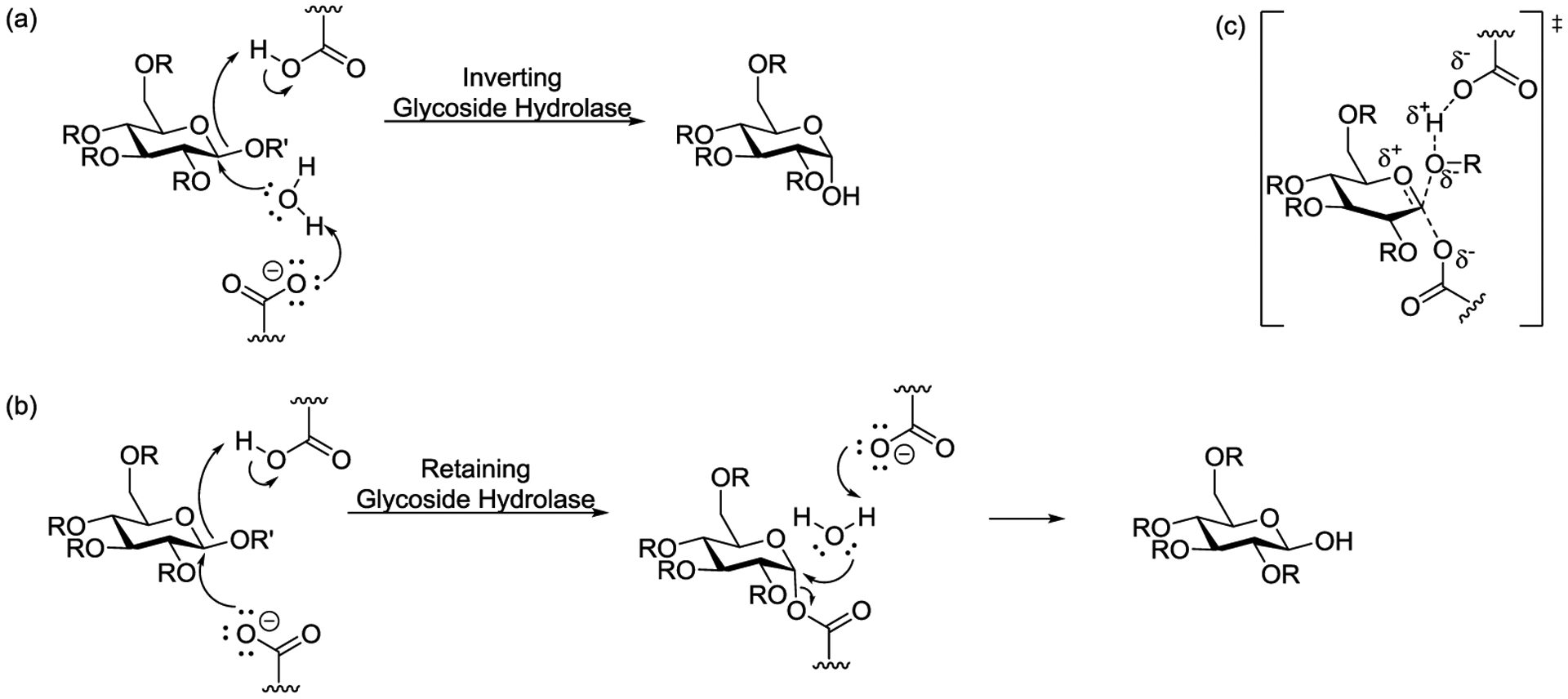
Figure 1.
Figure 1.
(a) Mechanism of inverting glycoside hydrolases (b) Mechanism of retaining glycoside hydrolases (c) Concerted oxocarbenium-like transition state for an inverting glycosidase
Figure 2.
Figure 2.
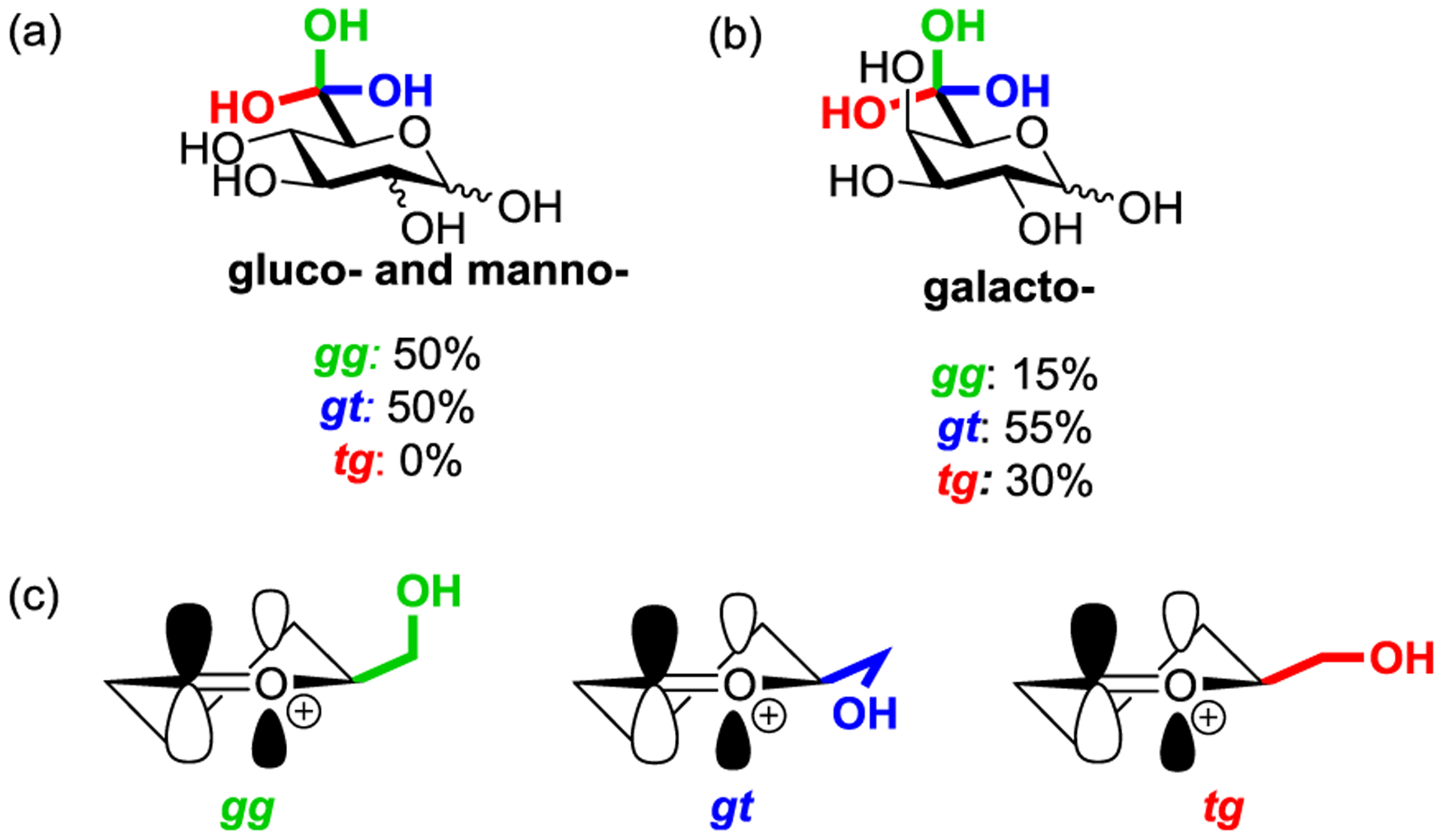
The three staggered side chain conformations and their approximate populations in free solution for (a) gluco- and mannopyranoses, and (b) for galactopyranoses. (c) Spatial relationships of side chain hydroxyl groups with the putative oxocarbenium π* orbital
Figure 3.
Figure 3.
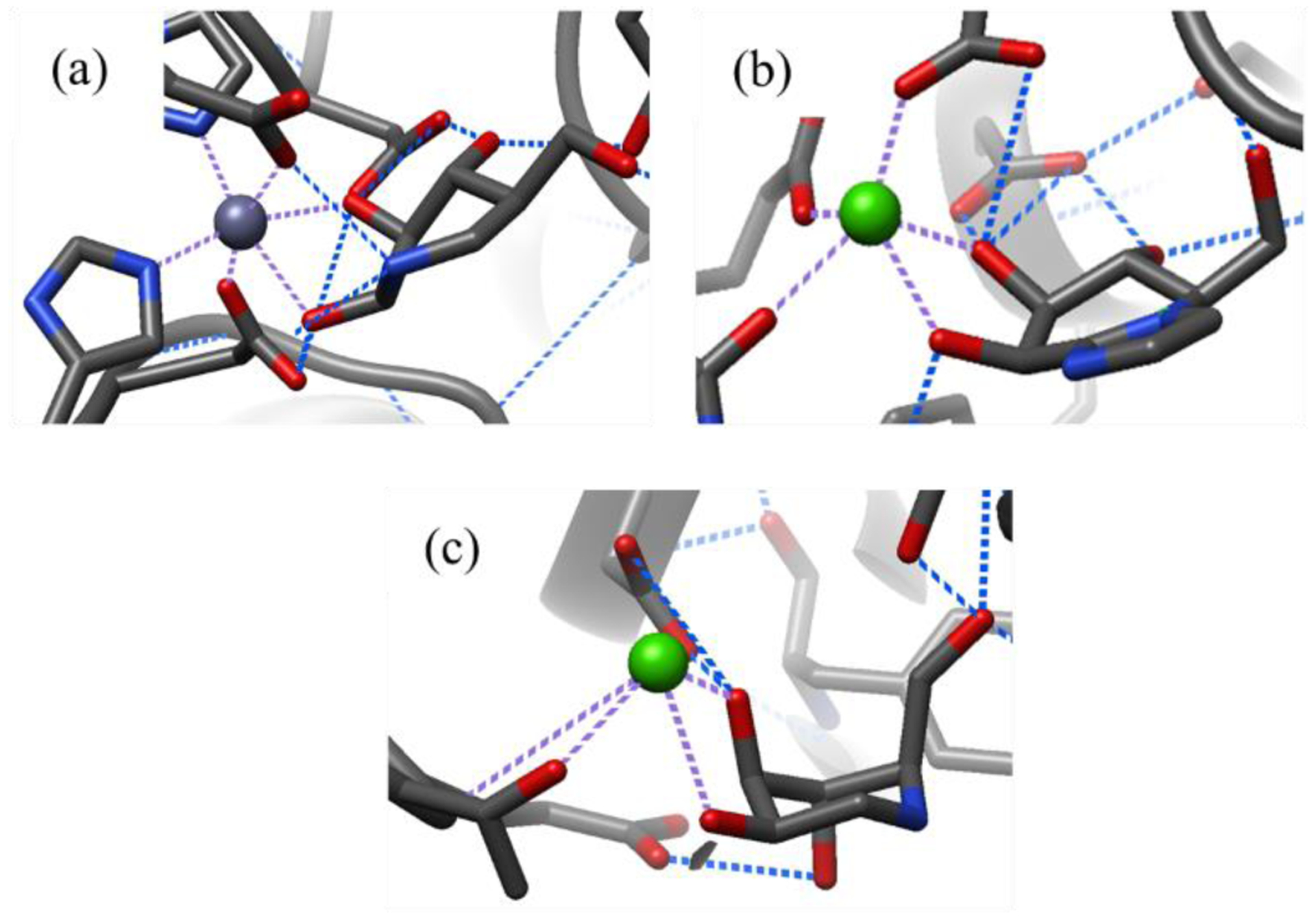
Coordination spheres of the divalent cation of (a) D. melanogaster GH38 golgi α-mannosidase II in complex with a mannoimidazole (Zn2+, PDB ID 2ALW), (b) B. thetaiotaomicron GH92 α-1,2-mannosidase in complex with a mannoimidazole (Ca2+, PDB ID 6F92), and (c) human GH47 α-1,2-mannosidase in complex with 1-deoxynojirimycin (Ca2+, PDB ID 1FO2). Blue dashed lines designate hydrogen bonds and purple dashed lines designate coordinative bonds to the metal.
Figure 4.
Figure 4.
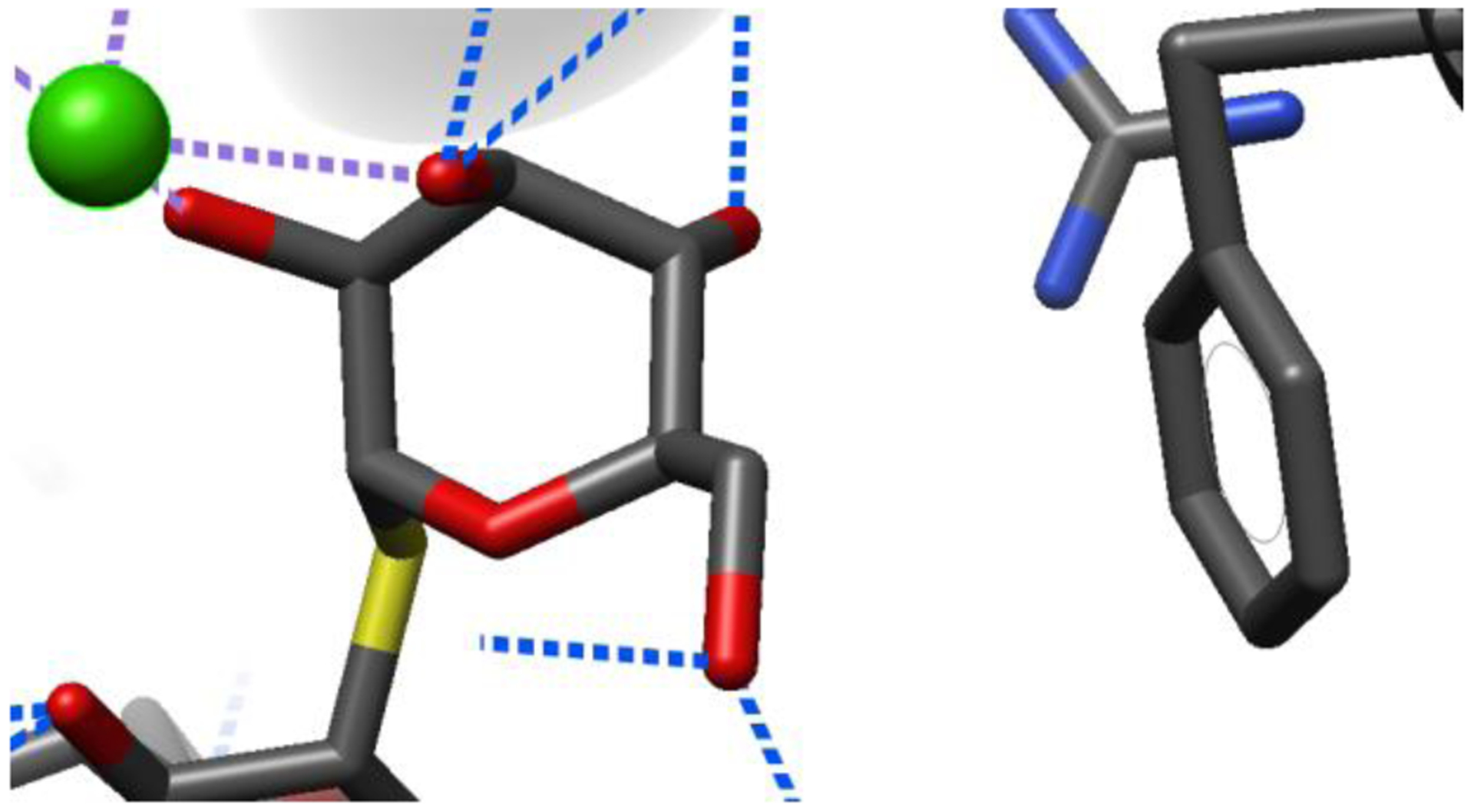
Partial crystal structure of human GH47 α-1,2-mannosidase bound to thiomannobiose, with F659 abutting the C4-C5-C6 plane (PDB ID 1X9D). Blue dashed lines designate hydrogen bonds and purple dashed lines designate coordinative bonds to the metal.
Figure 5.
Figure 5.
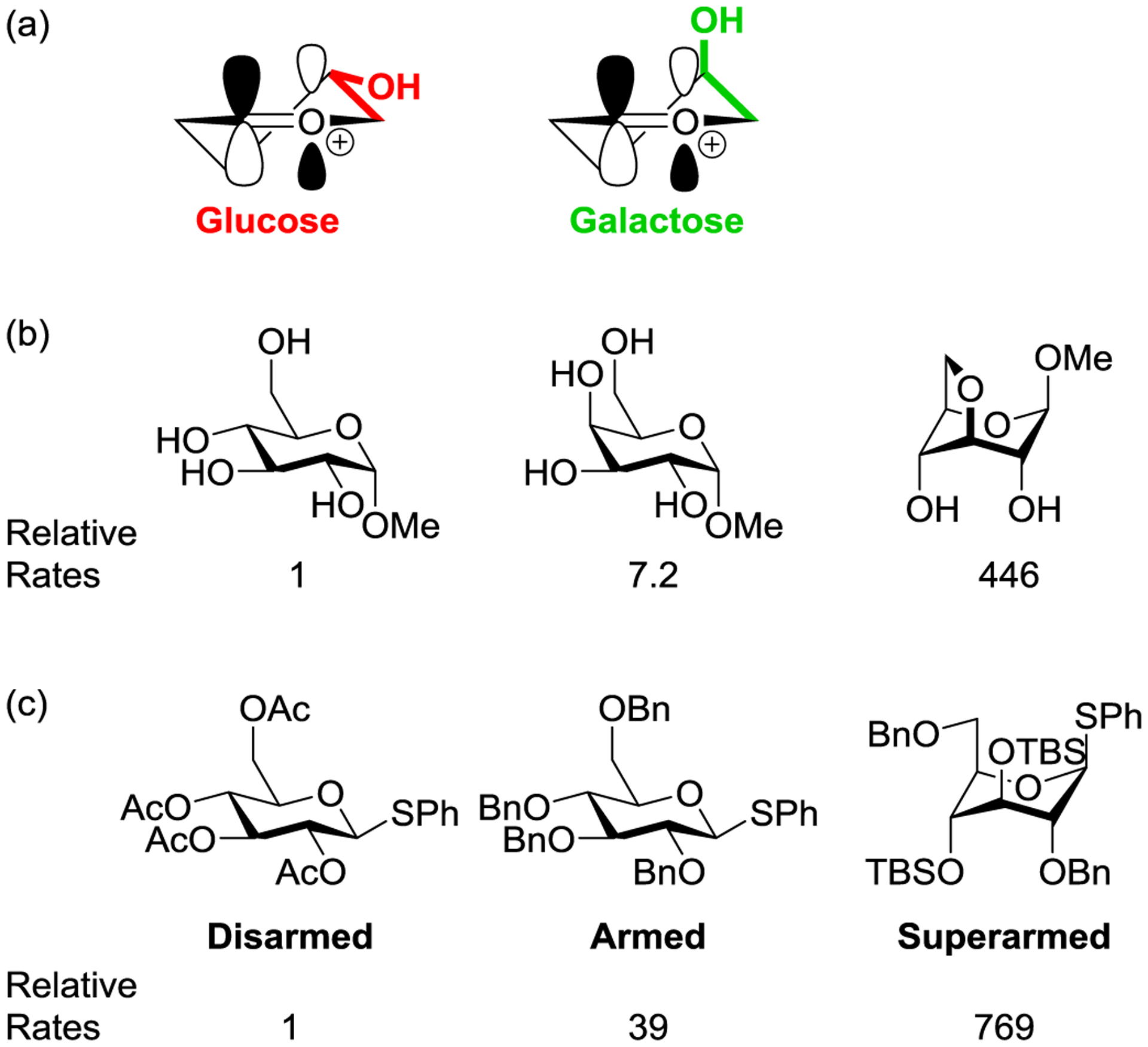
(a) Impacts of C4 configuration on putative oxocarbenium stability (b) Relative rates of acidic hydrolysis of methyl glycosides with increasing axial character (c) Relative rates of activation of disarmed, armed, and super-armed glycosyl donors
Figure 6.
Figure 6.
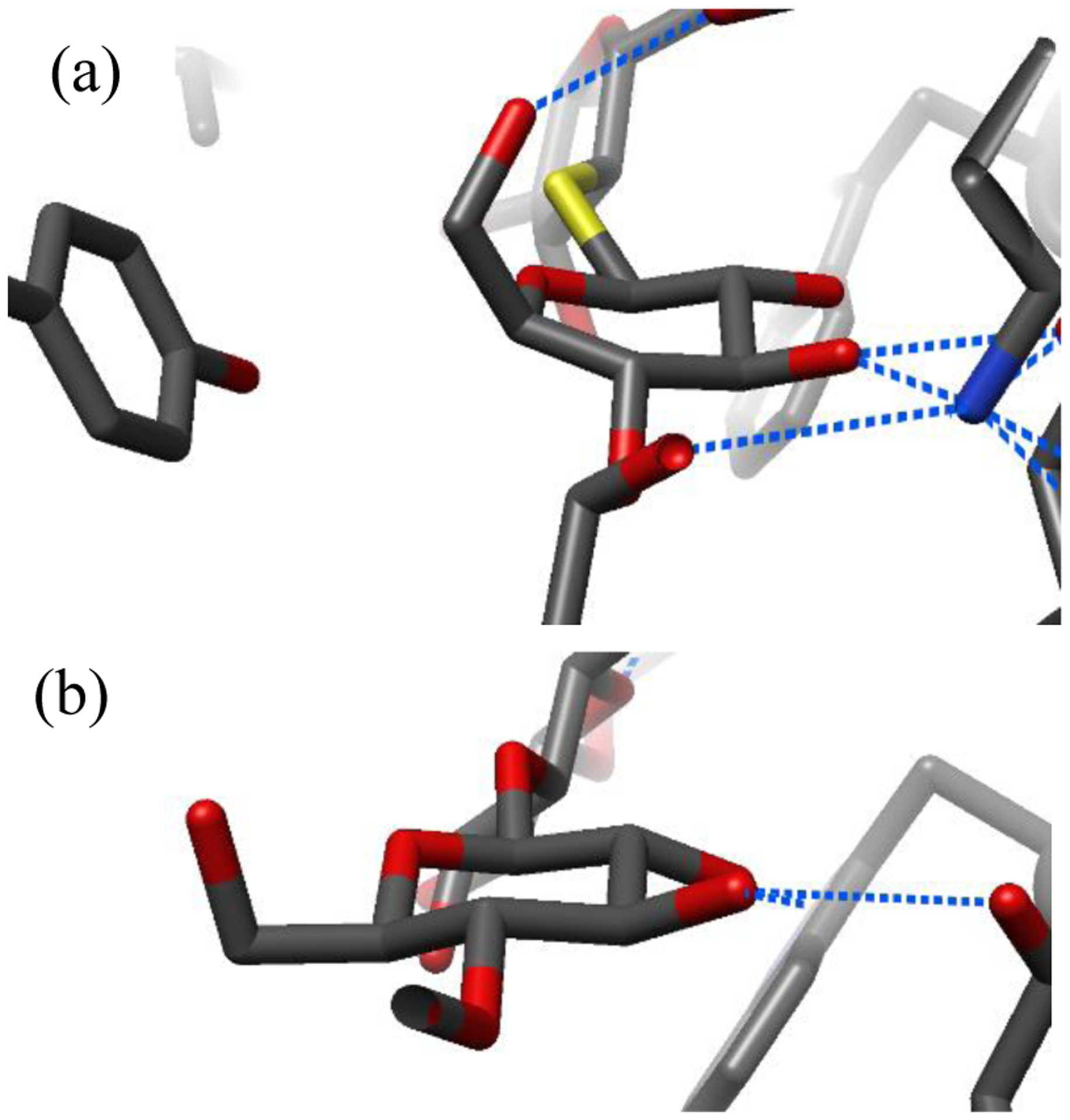
Partial crystal structures of (a) wild type T. fusca GH6 endoglucanase in complex with a thioglycoside (PDB ID 2BOD) and (b) Y73A T. fusca GH6 endoglucanase in complex with cellotetraose (PDB ID 2BOF) showing the pyranoside ring in the −1 site. Blue dashed lines designate hydrogen bonds.
Figure 7.
Figure 7.
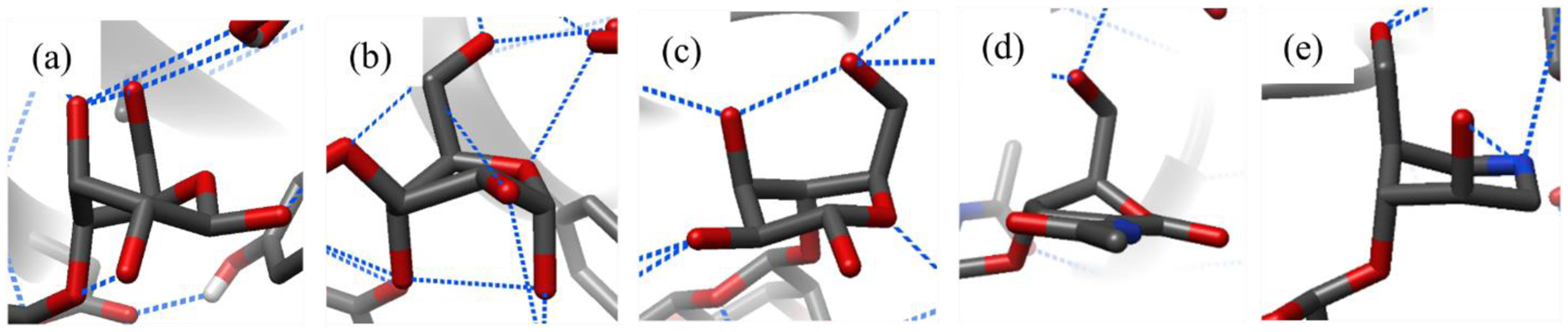
Partial crystal structures of (a) P. chryosporum GH45 endoglucanase bound to cellopentaose (PDB ID 3X2M), (b) B. halodurans GH81 glucosidase bound to laminarin (PDB ID 5T4G), (c) Streptomyces sp. GH134 β-mannanase bound to mannotriose (PDB ID 5JU9), (d) M. lusoria GH22 lysozyme bound to a tetrasaccharide-based unsaturated lactone (PDB ID 3AYQ), and (e) B. pumilus GH48 endoglucanase cellobiose-derived isofagomine (PDB ID 5VMA). Blue dashed lines designate hydrogen bonds.
Scheme 1.
Scheme 1.
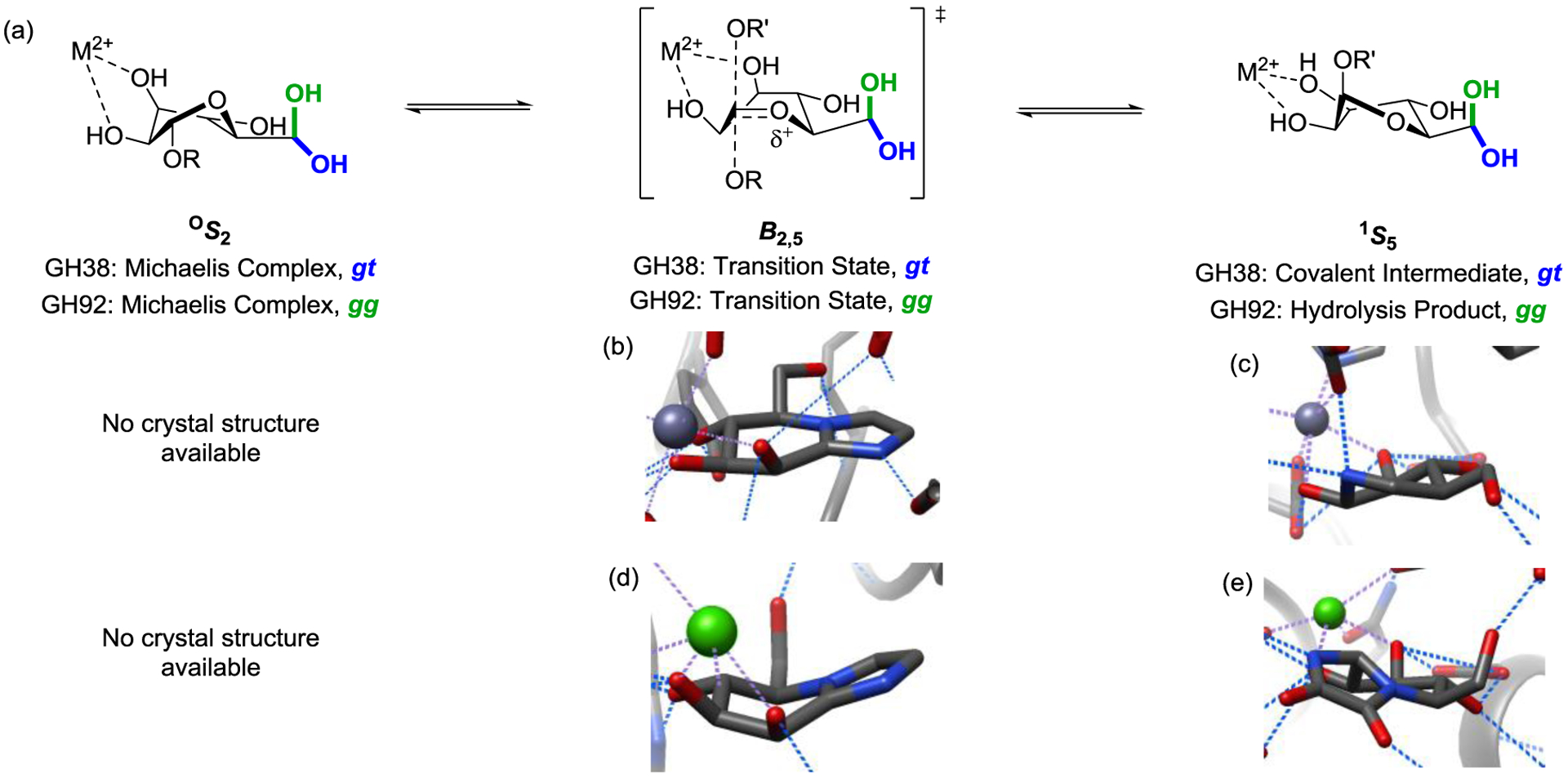
(a) Conformational itinerary of pyranosides at the −1 site of GH38 and GH92 mannosidases with partial crystal structures of (b) D. melanogaster GH38 Golgi α-1,2-mannosidase bound to a mannoimidazole TS analog inhibitor (PDB ID 3D4Y), (c) D. melanogaster GH38 Golgi α-1,2-mannosidase bound to noeuromycin (PDB ID 2ALW), (d) B. thetaiotaomicron 3990 GH92 α-mannosidase bound to a mannoimidazole TS analog inhibitor (PDB ID 2WZS), and (e) B. thetaiotaomicron 3990 GH92 α-mannosidase bound to kifunensine (PDB ID 2WVZ). Blue dashed lines designate hydrogen bonds and purple dashed lines designate coordinative bonds to the metal.
Scheme 2.
Scheme 2.
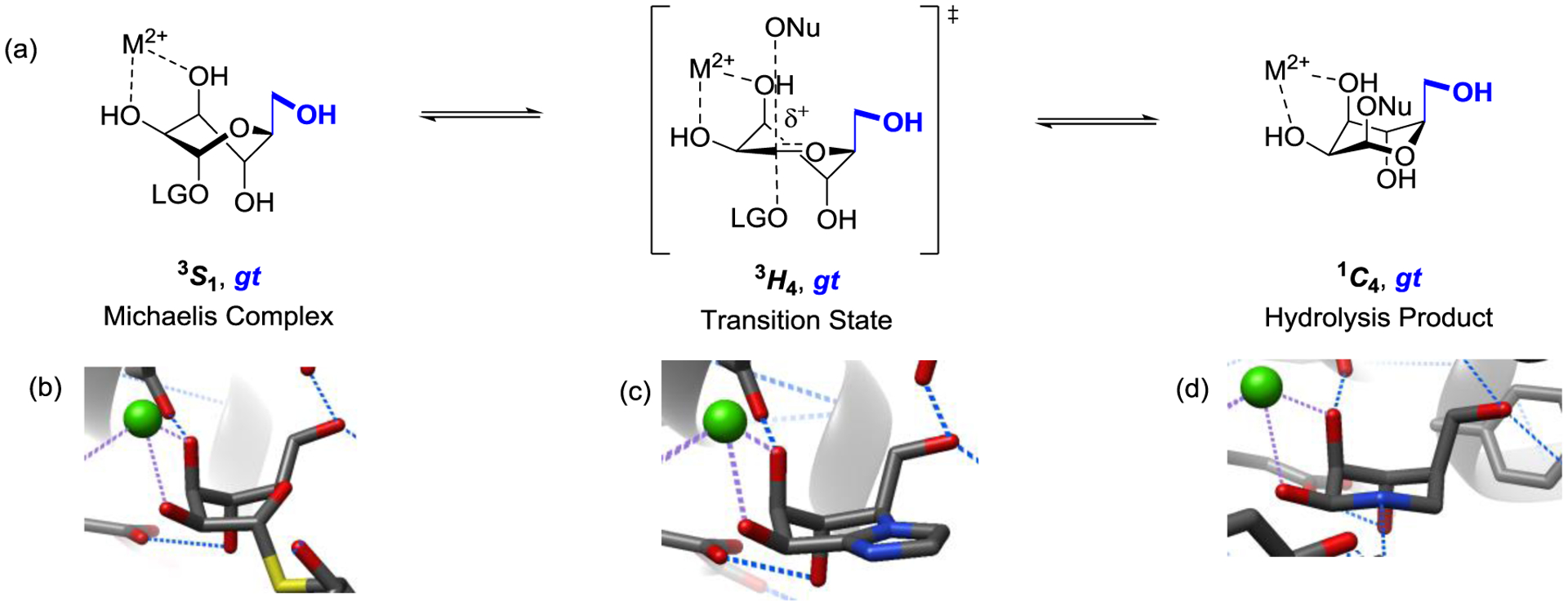
(a) Conformational itinerary of pyranosides at the −1 site of GH47 mannosidases, illustrated with partial crystal structures of Caulobacter sp. K31 in complex with (b) a thioglycoside (PDB ID 4AYP), (c) a mannoimidazole (PDB ID 4AYQ) 5KK7, and (d) noeuromycin (PDB ID 4AYR). Blue dashed lines designate hydrogen bonds and purple dashed lines designate coordinative bonds to the metal.

References

    1. Gloster TM; Davies GJ, Glycosidase Inhibition: Assessing Mimicry of the Transition State. Org. Biomol. Chem 2010, 305–320. - PMC - PubMed
    1. Zechel DL; Withers SG, Glycosidase Mechanisms: Anatomy of a Finely Tuned Catalyst. Acc. Chem. Res 2000, 33, 11–18. - PubMed
    1. Davies GJ; Planas A; Rovira C, Conformational Analyses of the Reaction Coordinate of Glycosidases. Acc. Chem. Res 2012, 45, 308–316. - PubMed
    1. Colombo C; Bennet AJ, Probing Transition State Analogy in Glycoside Hydrolase Catalysis. Adv. Phys. Org. Chem 2017, 51, 99–127.
    1. Wu L; Armstrong Z; Schröder SP; de Boer C; Artola M; Aerts JMFG; Overkleeft HS; Davies GJ, An Overview of Activity-Based Probes for Glycosidases. Curr. Opin. Chem. Biol 2019, 53, 25–36. - PubMed