


Current plastics pollution threats due to COVID-19 and its possible mitigation techniques: a waste-to-energy conversion via Pyrolysis
- PMID: 34777936
- PMCID: PMC7816145
- DOI: 10.1186/s40068-020-00217-x
Current plastics pollution threats due to COVID-19 and its possible mitigation techniques: a waste-to-energy conversion via Pyrolysis
Abstract
Background: The extensive use and production of PPE, and disposal in the COVID-19 pandemic increases the plastic wastes arise environmental threats. Roughly, 129 billion face masks and 65 billion plastic gloves every month are used and disposed of on the globe. The study aims to identify the polymer type of face masks and gloves and sustainable plastic waste management options.
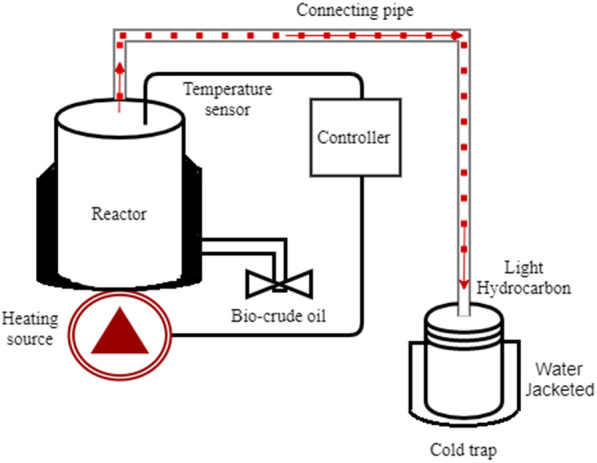
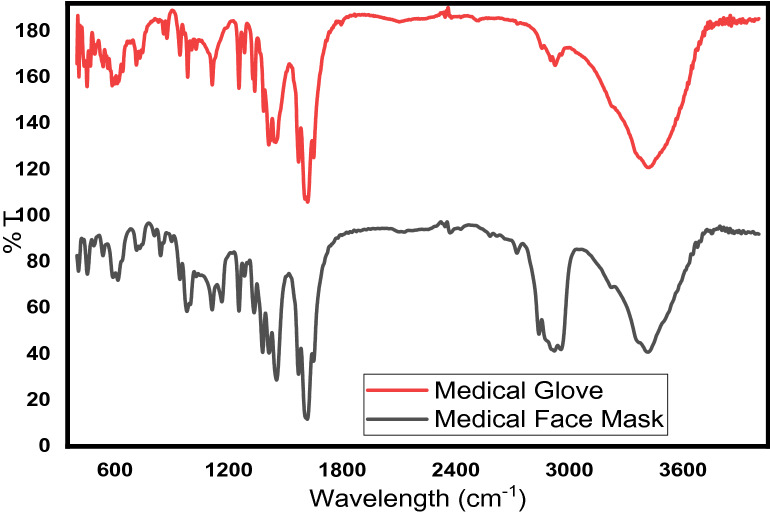
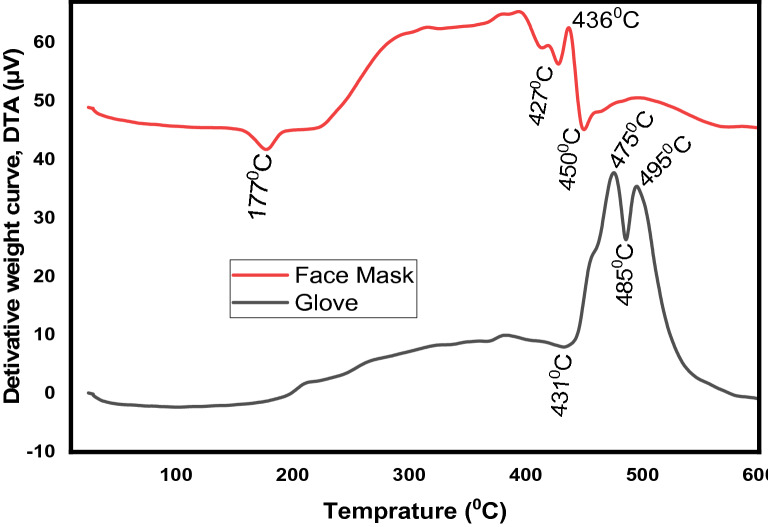
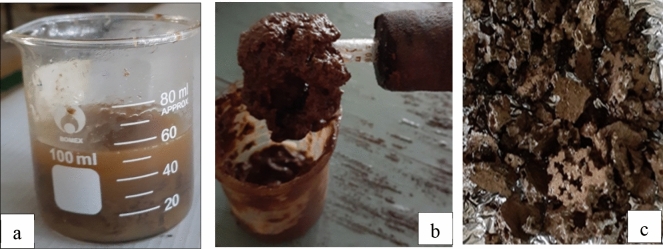
Results: The identification of polymers, which can help for fuel conversion alternatives, was confirmed by FTIR and TGA/DTA analysis and confirms that the polymeric categories fit for the intended purpose. Moreover, the handling technique for upcycling and the environmental impacts of the medical face mask and glove were discussed. The FTIR result revealed that face masks and gloves are polypropylene and PVC thermoplastic polymer, respectively and they can be easily transformed to fuel energy via pyrolysis. The endothermic peaks around 431 ℃ for medical glove and 175 ℃ for surgical is observed tells that the melting point of the PVC and polypropylene of plastic polymers, respectively. The pyrolysis of the face mask and glove was carried out in a closed reactor at 400 ℃ for 1 h. Conferring to lab-scale processes, liquid, and wax fuel rate of 75%, char of 10%, and the rest non-condensable gases were estimated at the end.
Conclusions: It can be concluded that the medical plastics can be recycled into oil due to their thermoplastics nature having high oil content and the waste to energy conversion can potentially reduce the volume of PPE plastic wastes.
Keywords: COVID-19; Characterization; Fuel; PPE plastics; Pyrolysis.
© The Author(s) 2021.
Conflict of interest statement
Competing interestsWe authors have read and understood the policy of the competing interests and declare that there are no competing interests among the authors and they have no known competing financial interests or personal relationships that could have appeared to influence the work reported in this paper.
Figures
References
-
- Abnisa F, Daud WM (2014) A review on co-pyrolysis of biomass: an optional technique to obtain a high-grade pyrolysis oil. Energy Convers Manag 87:71–85. 10.1016/j.enconman.2014.07.007
-
- Agarwal K, Prasad M, Chakraborty A et al (2011) Studies on phase morphology and thermo-physical properties of nitrile rubber blends. J Therm Anal Calorim 104:1125–1133. 10.1007/s10973-010-1193-y - DOI
-
- Ahmad I, Khan MI, Khan H, Ishaq M et al (2014) Pyrolysis study of polypropylene and polyethylene into premium oil products. Int J green energy 12:663–671. 10.1080/15435075.2014.880146 - DOI
-
- Anuar Sharuddin SD, Abnisa F, Wan Daud WMA, Aroua MK (2016) A review on pyrolysis of plastic wastes. Energy Convers Manag 115:308–326. 10.1016/j.enconman.2016.02.037 - DOI
LinkOut - more resources
Full Text Sources
Miscellaneous