. 2021 Aug 25;12(10):1780-1786.
doi: 10.1039/d1md00193k. eCollection 2021 Oct 20.

Photochemical synthesis of an epigenetic focused tetrahydroquinoline library

Affiliations

Photochemical synthesis of an epigenetic focused tetrahydroquinoline library

Adam I Green et al. RSC Med Chem. .

Abstract

Discovery of epigenetic chemical probes is an important area of research with potential to deliver drugs for a multitude of diseases. However, commercially available libraries frequently used in drug discovery campaigns contain molecules that are focused on a narrow range of chemical space primarily driven by ease of synthesis and previously targeted enzyme classes (e.g., kinases) resulting in low hit rates for epigenetic targets. Here we describe the design and synthesis of a compound collection that augments current screening collections by the inclusion of privileged isosteres for epigenetic targets.


Conflict of interest statement

There is no conflict of interest to declare.

Figures
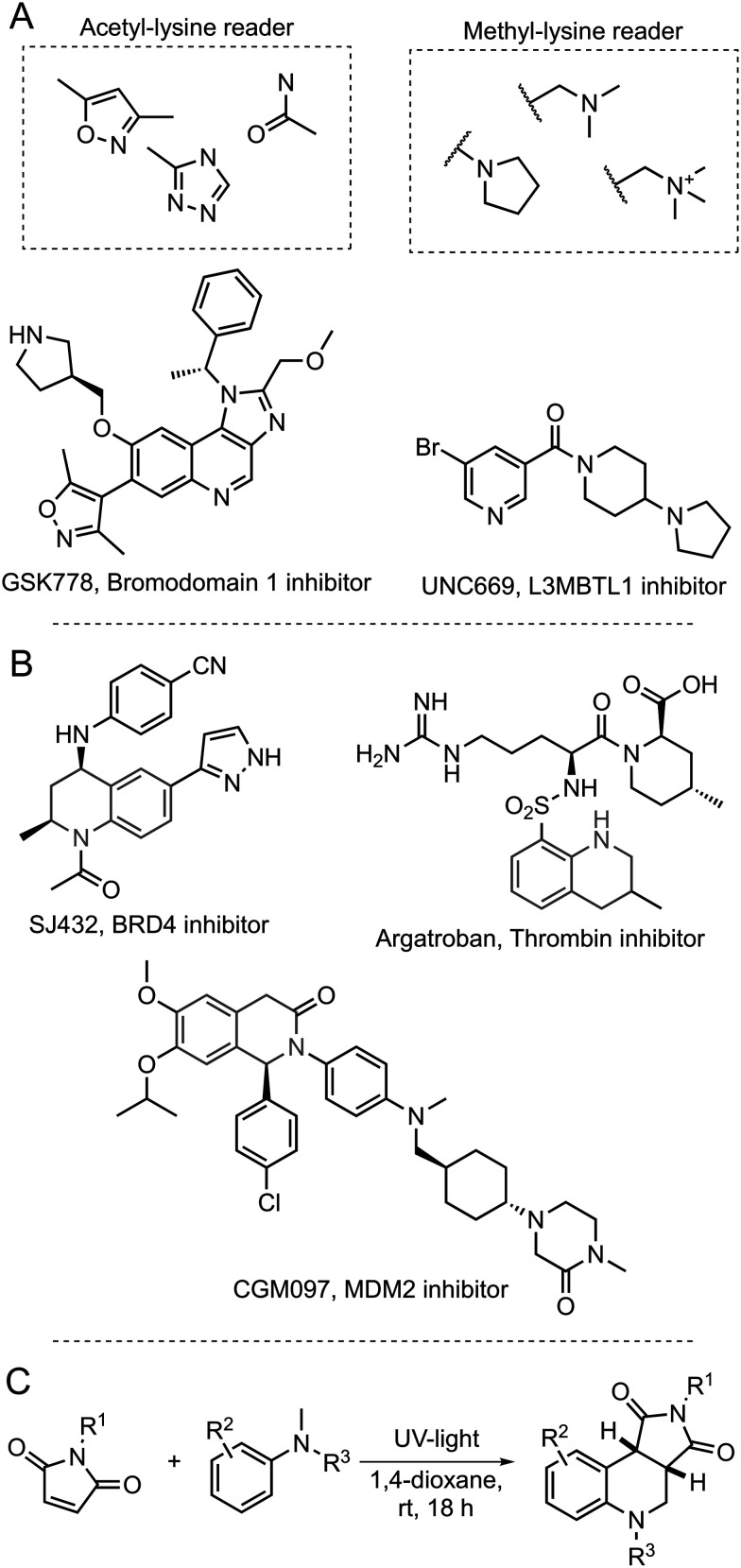
Fig. 1
Fig. 1. Exemplar epigenetic bioisosteres and ligands containing a tetrahydroquinoline pharmacophore highlighted in green. A: Examples of chemotypes employed as part of inhibitors of acetyl-lysine readers and methyl-lysine readers. B: Examples of bioactive molecules with tetrahydroquinoline or tetrahydroisoquinoline scaffolds. C: EDA-Mediated photochemical annulation of maleimides with N,N-dimethylaniline to yield a scaffold with a tetrahydroquinoline core.
Fig. 2
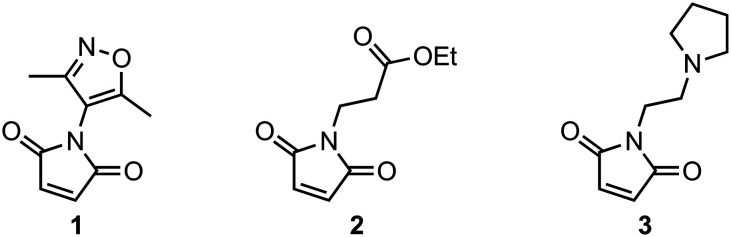
Fig. 2. Maleimide building blocks used in the synthesis of the epigenetic focused tetrahydroquinoline library.
Scheme 1
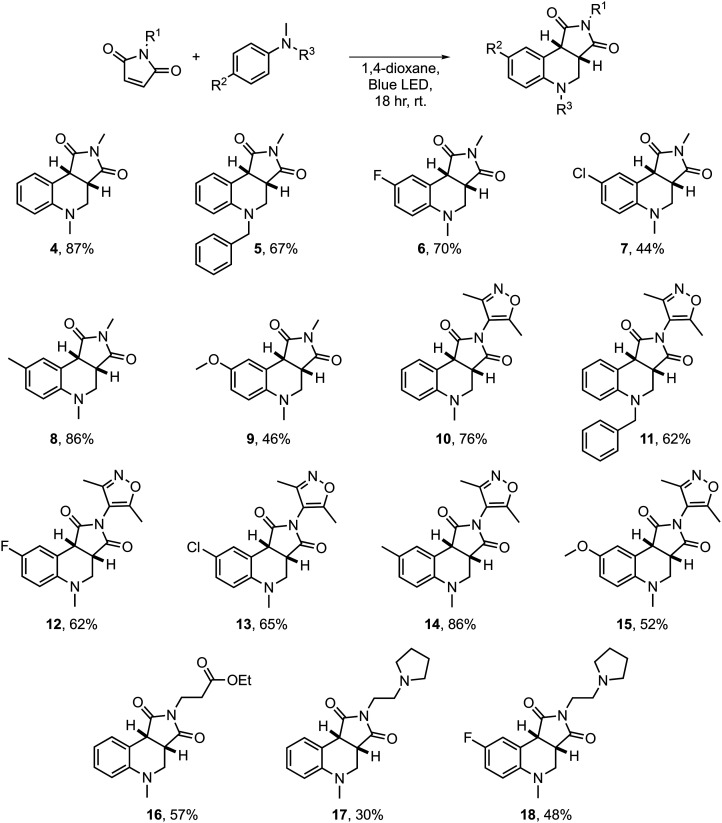
Scheme 1. Synthesis of the tetrahydroquinoline scaffold and epigenetic focused analogues.
Scheme 2
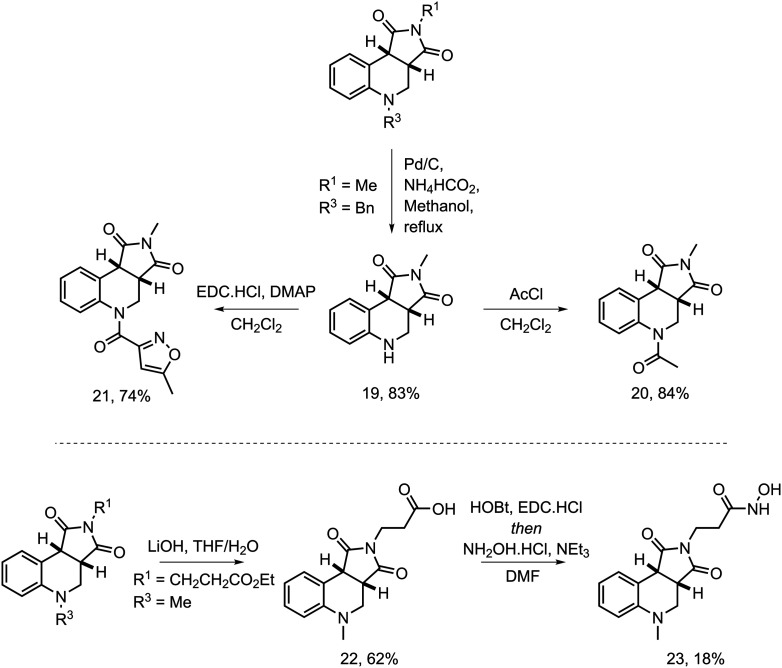
Scheme 2. Derivatizations of the tetrahydroquinoline scaffold.
Fig. 3
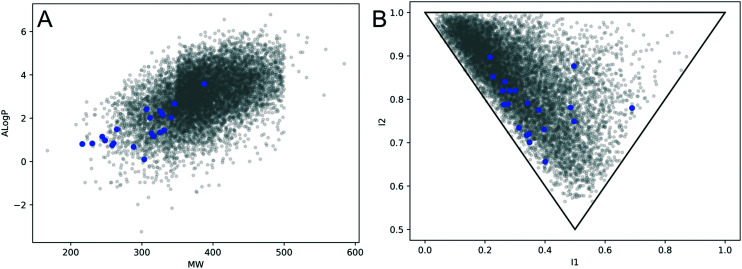
Fig. 3. Comparison of molecular properties for this compound collection (blue) and a commercially available epigenetic compound collection (grey). A: Molecular weight vs. A Log P. B: Principal moment of inertia plot. The commercially available epigenetic library is shown in grey and our focused library described is shown in blue. A Log P and principal moment of inertia (PMI) were calculated in RDKit. PMI represents the three-dimensional shape of a molecule where rod-like molecules are in the top left, disc-like molecules are at the lower middle, and sphere-like molecules are in the top right of the plot.
Fig. 4
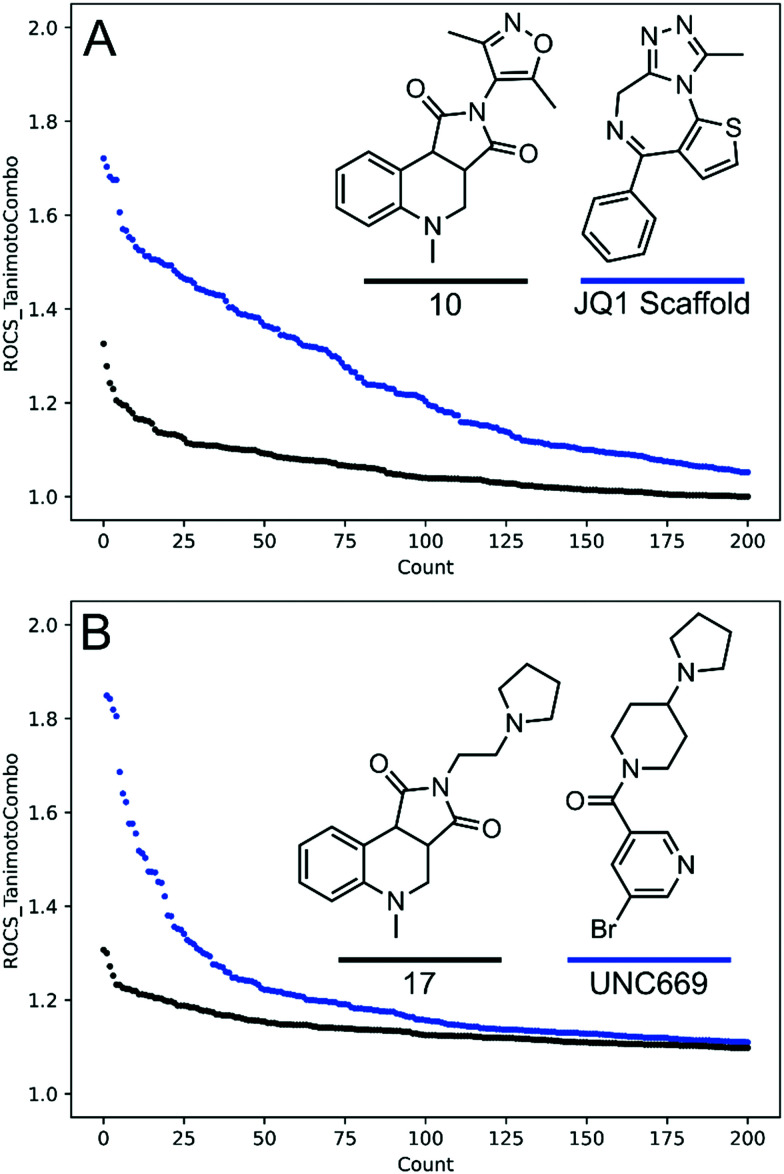
Fig. 4. Analysis of the top 200 ROCS ranked BRD4 or L3MBTL1 ligands in the ChEMBL database compared with exemplar compounds bearing privileged epigenetic chemotypes. Count refers to the ROCS ranking where 1 is the best ranked compound (most similar). A: Compound 10 (black) or the scaffold of JQ1 (blue) vs. BRD4 ligands deposited to ChEMBL (2168 molecules). B: Compound 17 (black) or UNC669 (blue) vs. L3MBTL1 ligands deposited to ChEMBL (10 847 molecules, UNC669 was removed from the test set).

References

    1. Hughes J. P. Rees S. Kalindjian S. B. Philpott K. L. Br. J. Pharmacol. 2011;162:1239–1249. doi: 10.1111/j.1476-5381.2010.01127.x. - DOI - PMC - PubMed
    1. Volochnyuk D. M. Ryabukhin S. V. Moroz Y. S. Savych O. Chuprina A. Horvath D. Zabolotna Y. Varnek A. Judd D. B. Drug Discovery Today. 2019;24:390–402. doi: 10.1016/j.drudis.2018.10.016. - DOI - PubMed
    1. Brown D. G. Boström J. J. Med. Chem. 2018;61:9442–9468. doi: 10.1021/acs.jmedchem.8b00675. - DOI - PubMed
    1. Green A. I. Burslem G. M. J. Med. Chem. 2021;64:7231–7240. doi: 10.1021/acs.jmedchem.1c00592. - DOI - PubMed
    1. Irwin J. J. Gaskins G. Sterling T. Mysinger M. M. Keiser M. J. J. Chem. Inf. Model. 2018;58:148–164. doi: 10.1021/acs.jcim.7b00316. - DOI - PMC - PubMed