


Genome-wide interaction study with major depression identifies novel variants associated with cognitive function
- PMID: 34782712
- PMCID: PMC7612684
- DOI: 10.1038/s41380-021-01379-5
Genome-wide interaction study with major depression identifies novel variants associated with cognitive function
Abstract
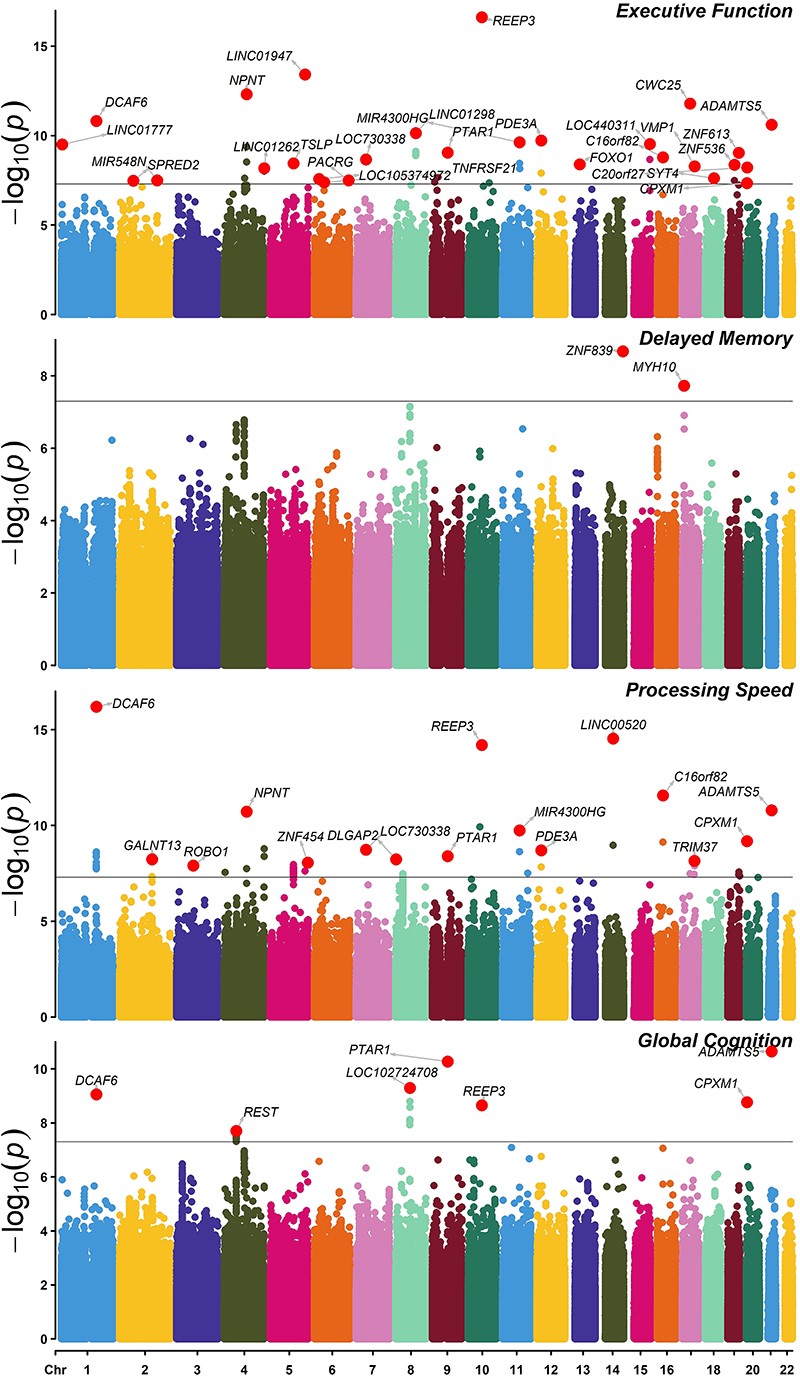
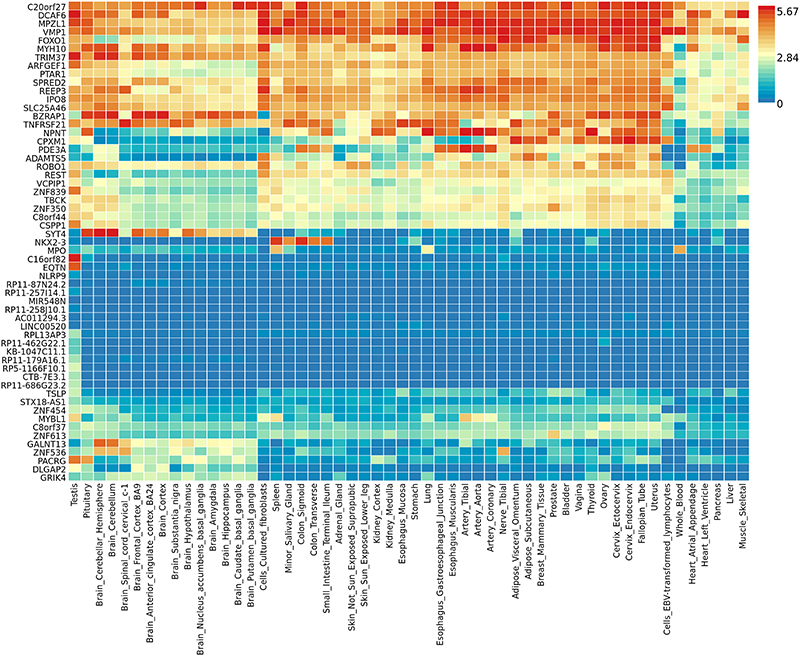
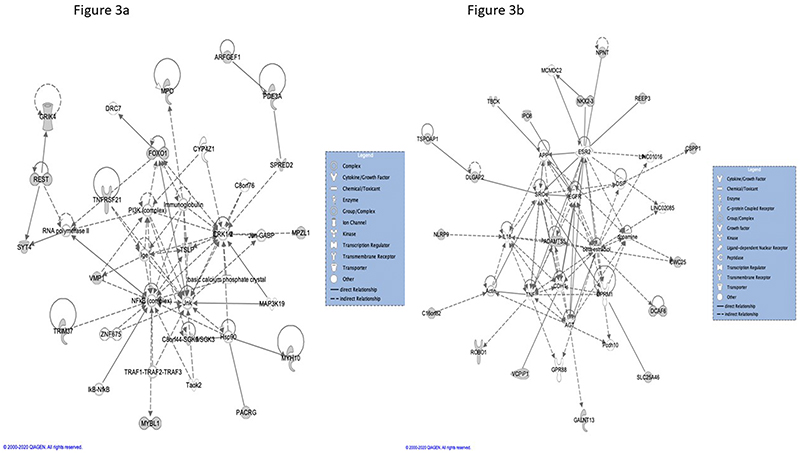
Major Depressive Disorder (MDD) often is associated with significant cognitive dysfunction. We conducted a meta-analysis of genome-wide interaction of MDD and cognitive function using data from four large European cohorts in a total of 3510 MDD cases and 6057 controls. In addition, we conducted analyses using polygenic risk scores (PRS) based on data from the Psychiatric Genomics Consortium (PGC) on the traits of MDD, Bipolar disorder (BD), Schizophrenia (SCZ), and mood instability (MIN). Functional exploration contained gene expression analyses and Ingenuity Pathway Analysis (IPA®). We identified a set of significantly interacting single nucleotide polymorphisms (SNPs) between MDD and the genome-wide association study (GWAS) of cognitive domains of executive function, processing speed, and global cognition. Several of these SNPs are located in genes expressed in brain, with important roles such as neuronal development (REST), oligodendrocyte maturation (TNFRSF21), and myelination (ARFGEF1). IPA® identified a set of core genes from our dataset that mapped to a wide range of canonical pathways and biological functions (MPO, FOXO1, PDE3A, TSLP, NLRP9, ADAMTS5, ROBO1, REST). Furthermore, IPA® identified upstream regulator molecules and causal networks impacting on the expression of dataset genes, providing a genetic basis for further clinical exploration (vitamin D receptor, beta-estradiol, tadalafil). PRS of MIN and meta-PRS of MDD, MIN and SCZ were significantly associated with all cognitive domains. Our results suggest several genes involved in physiological processes for the development and maintenance of cognition in MDD, as well as potential novel therapeutic agents that could be explored in patients with MDD associated cognitive dysfunction.
© 2021. The Author(s), under exclusive licence to Springer Nature Limited.
Conflict of interest statement
HJG has received travel grants and speaker honoraria from Fresenius Medical Care, Neuraxpharm, Servier and Janssen Cilag as well as research funding from Fresenius Medical Care. KOS reports having received lecture fees and research funding from Janssen Australia, research funding from Lundbeck Otsuka, and research funding from Gilead. BTB reports having received speaker and consultation fees from AstraZeneca, Lundbeck, Pfizer, Takeda, Servier, Bristol Myers Squibb, Otsuka, LivaNova and Janssen-Cilag.
Figures
References
-
- Whiteford HA, Degenhardt L, Rehm J, Baxter AJ, Ferrari AJ, Erskine HE, et al. Global burden of disease attributable to mental and substance use disorders: findings from the Global Burden of Disease Study 2010. Lancet. 2013;382(9904):1575–1586. - PubMed
-
- Butters MA, Whyte EM, Nebes RD, Begley AE, Dew MA, Mulsant BH, et al. The nature and determinants of neuropsychological functioning in late-life depression. Arch Gen Psychiatry. 2004;61(6):587–595. - PubMed
-
- Beblo T, Sinnamon G, Baune BT. Specifying the Neuropsychology of Affective Disorders: Clinical, Demographic and Neurobiological Factors. Neuropsychol Rev. 2011;21(4):337–359. - PubMed
-
- Rock PL, Roiser JP, Riedel WJ, Blackwell AD. Cognitive impairment in depression: a systematic review and meta-analysis. Psychol Med. 2014;44(10):2029–2040. - PubMed
Publication types
MeSH terms
Substances
Grants and funding
LinkOut - more resources
Full Text Sources
Research Materials
Miscellaneous
