


Long-Lasting Conceptual Change in Science Education: The Role of U-shaped Pattern of Argumentative Dialogue in Collaborative Argumentation
- PMID: 34803230
- PMCID: PMC8593386
- DOI: 10.1007/s11191-021-00288-x
Long-Lasting Conceptual Change in Science Education: The Role of U-shaped Pattern of Argumentative Dialogue in Collaborative Argumentation
Abstract
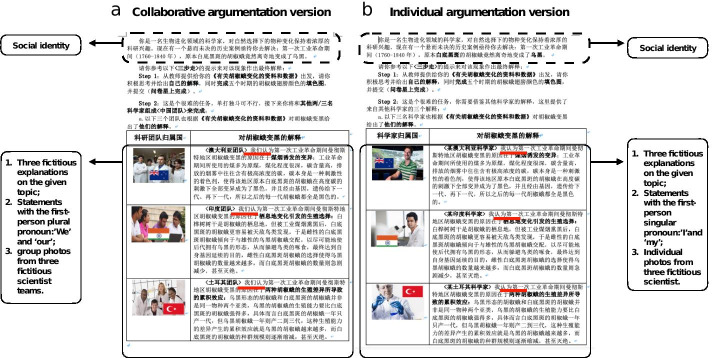
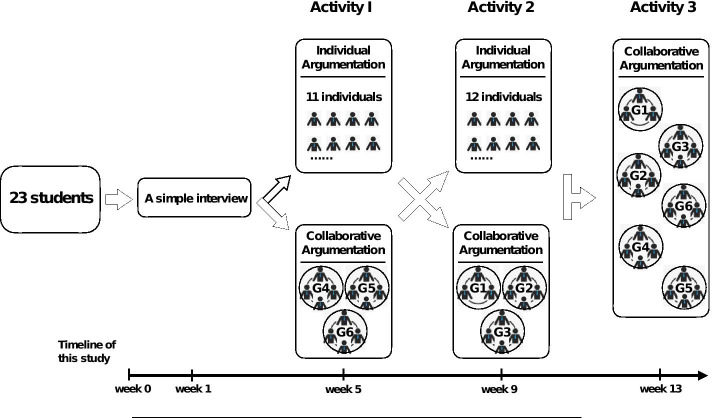
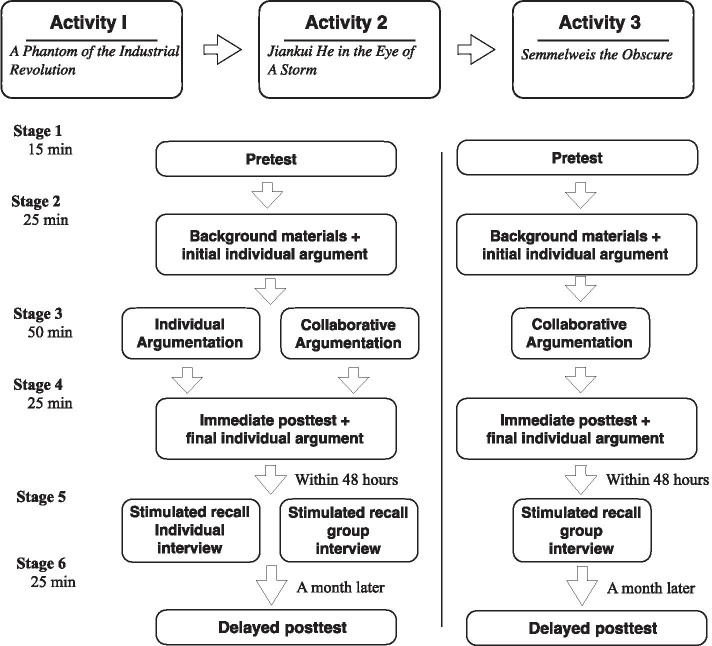
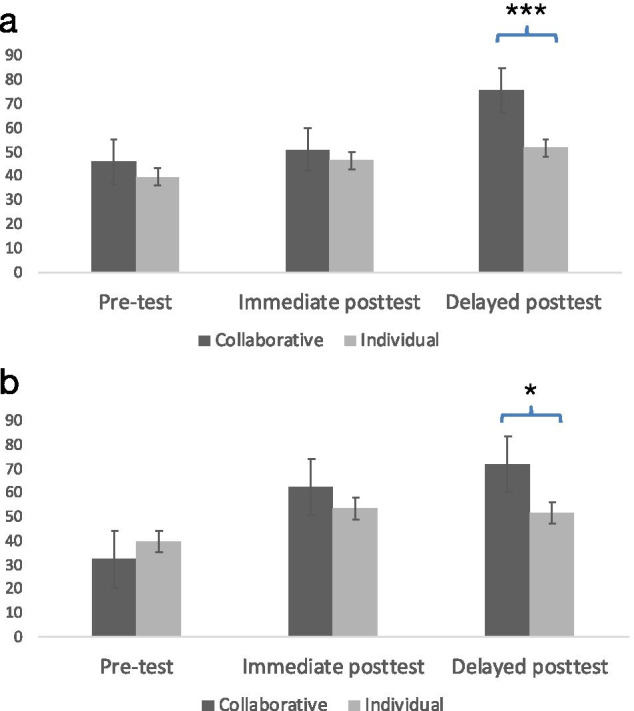
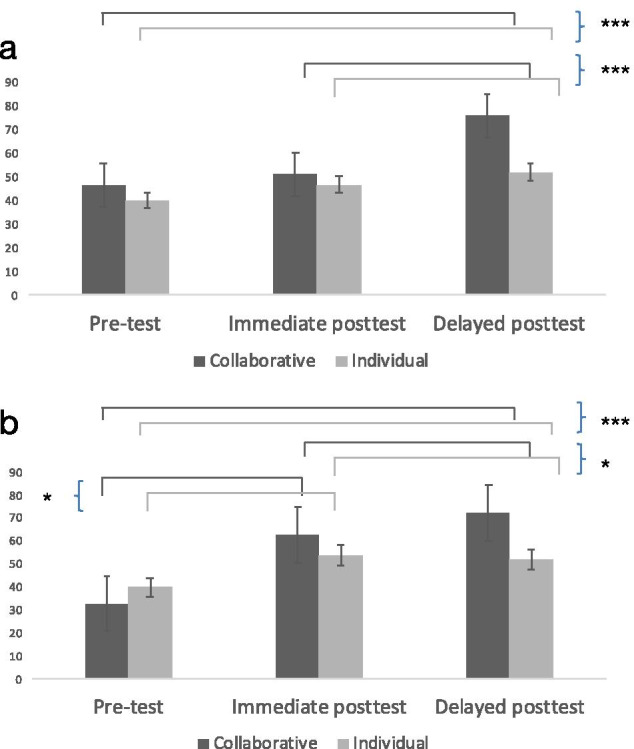
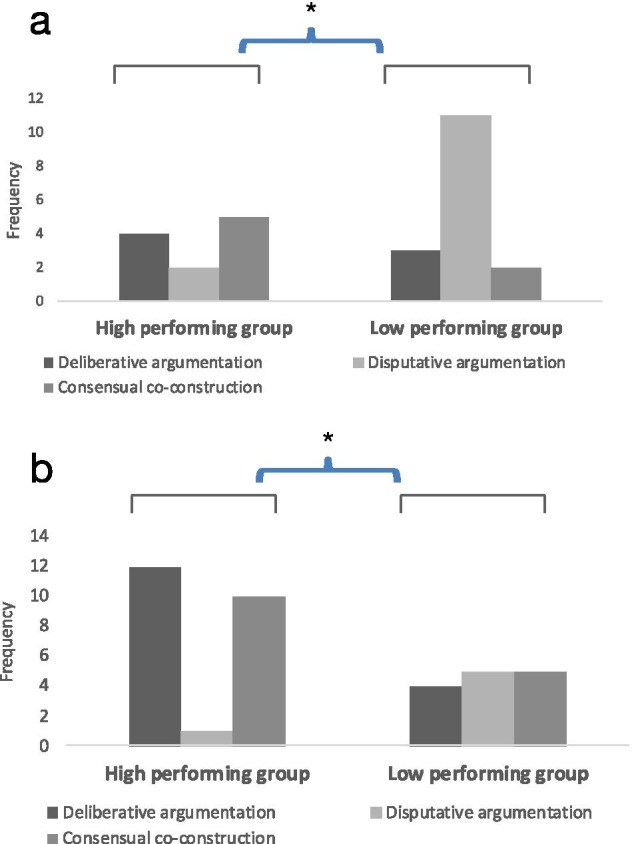
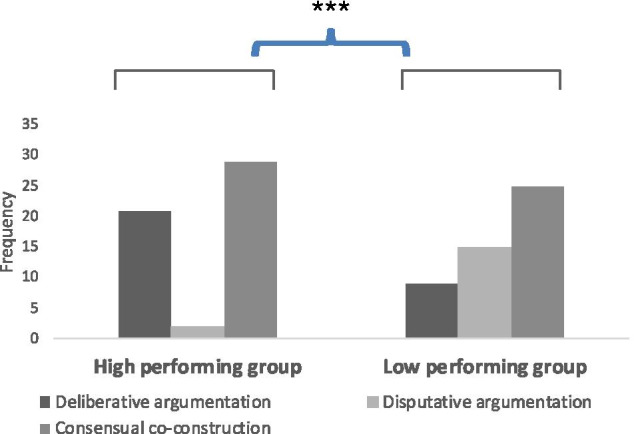
Meaningful learning for conceptual change in science education should aim to help students change their existing misconceptions to develop an accurate understanding of scientific concepts. Although collaborative argumentation is assumed to support such processes, its value for conceptual change is unclear. Moreover, the roles of argumentative dialogue should be considered in studies on collaborative argumentation. In the present study, using a controlled experiment, we examined the value of collaborative argumentation for conceptual change in science education while fully considering the roles of argumentative dialogue. Twenty-three postgraduate students were each allocated to one of two conditions (individual argumentation [control group] and collaborative argumentation [experimental group]) and participated in two argumentation activities. The results revealed that collaborative argumentation had a delayed but long-lasting effect on conceptual change in science education (i.e., conceptual change induced by collaborative argumentation did not immediately indicate a significant improvement at the moments of argumentation but showed a significant improvement during the delay period). Collaborative argumentation provided opportunities for change in cognitive, ontological, intentional, and other aspects of learning. Dialogue protocol analysis revealed that long-lasting conceptual change was associated with a U-shaped pattern of argumentative dialogue (i.e., two high and one low: both deliberative argumentation and co-consensual construction frequently occurred, while disputative argumentation rarely occurred) in collaborative argumentation. A third argumentation activity was then conducted to confirm this unexpected finding. The results confirmed an association between long-lasting conceptual change and a U-shaped pattern of argumentative dialogue in collaborative argumentation. The current study sheds light on the value of collaborative argumentation for long-lasting conceptual change, deepening our understanding of whether conceptual gains from argumentation activities were contingent on a particular type of verbal dialogue powered by collaborative argumentation. Implications for science education were discussed.
© The Author(s), under exclusive licence to Springer Nature B.V. 2021.
Conflict of interest statement
Conflict of InterestThe authors declare that they have no conflict of interest.
Figures


References
-
- Anderson CW, Smith EL. Richardson-Koehler, Educators’ Hand- book: A research perspective. Longman, Inc.; 1987. Teaching science; pp. 84–111.
-
- Asterhan CS. Epistemic and interpersonal dimensions of peer argumentation. Affective learning together; 2013. pp. 251–271.
-
- Asterhan CS, Babichenko M. The social dimension of learning through argumentation: Effects of human presence and discourse style. Journal of Educational Psychology. 2015;107(3):740. doi: 10.1037/edu0000014. - DOI
-
- Asterhan CS, Dotan A. Feedback that corrects and contrasts students’ erroneous solutions with expert ones improves expository instruction for conceptual change. Instructional Science. 2018;46(3):337–355. doi: 10.1007/s11251-017-9441-1. - DOI
LinkOut - more resources
Full Text Sources