


Targeting CoV-2 spike RBD and ACE-2 interaction with flavonoids of Anatolian propolis by in silico and in vitro studies in terms of possible COVID-19 therapeutics
- PMID: 34803452
- PMCID: PMC8576337
- DOI: 10.3906/biy-2104-5
Targeting CoV-2 spike RBD and ACE-2 interaction with flavonoids of Anatolian propolis by in silico and in vitro studies in terms of possible COVID-19 therapeutics
Abstract
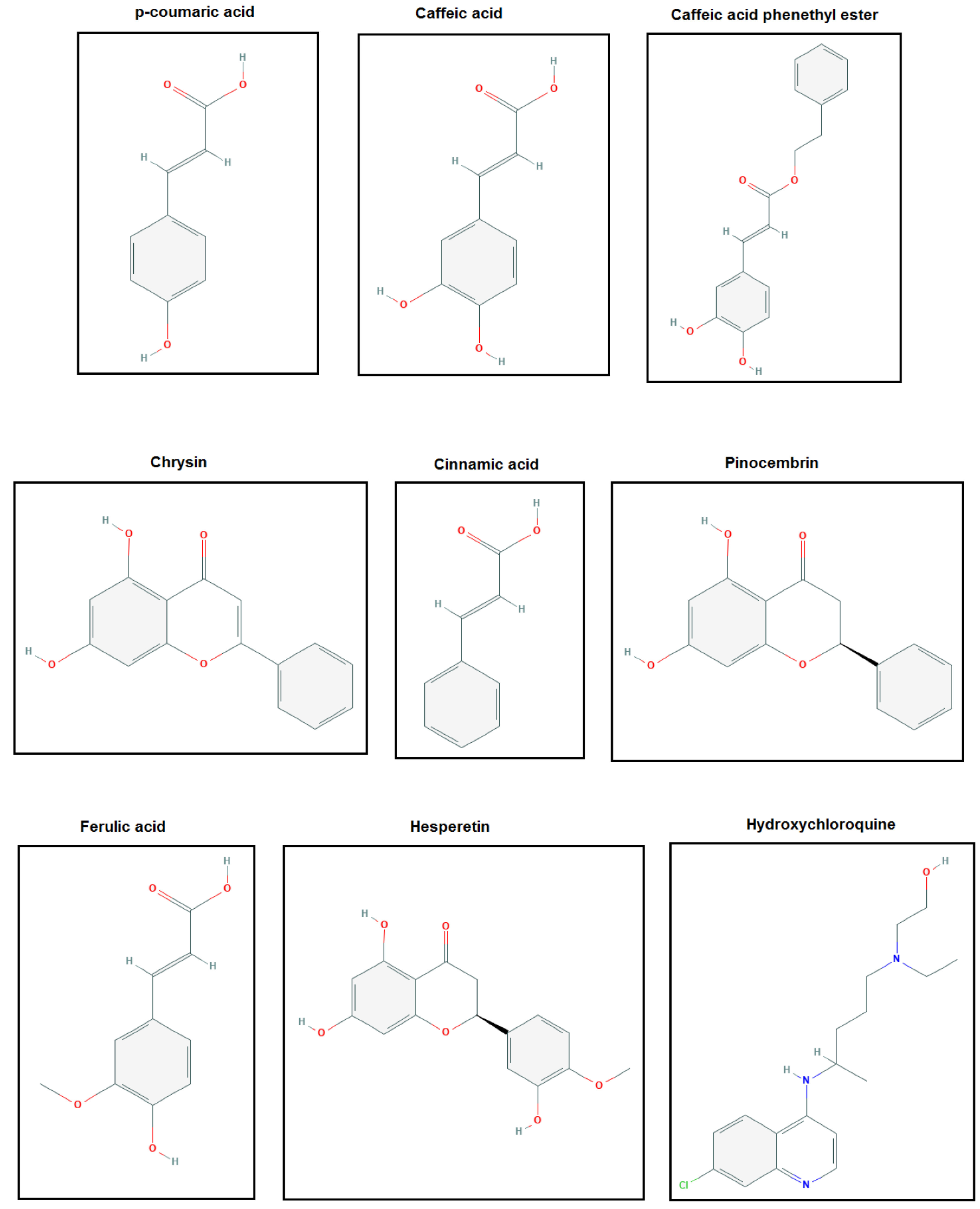
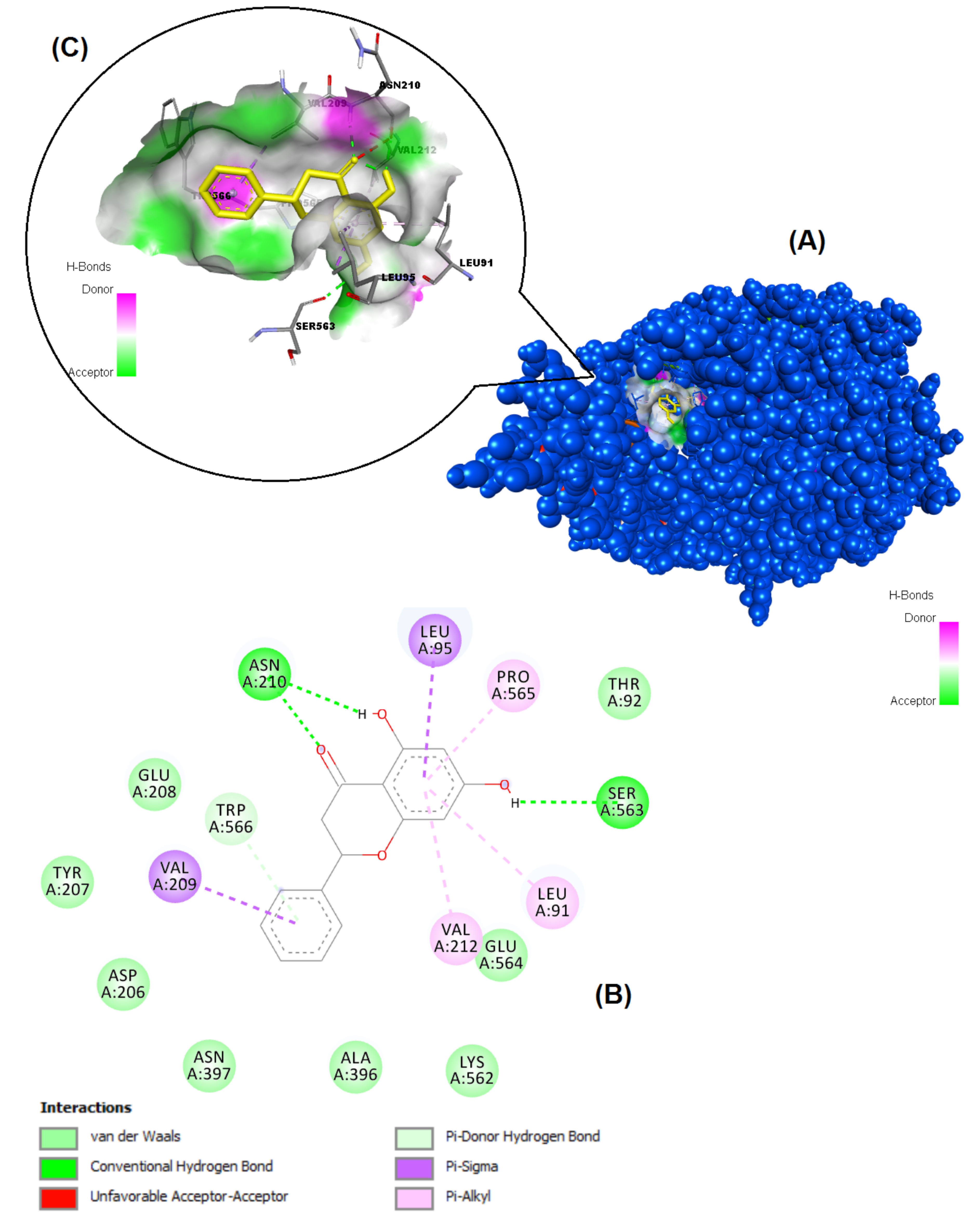
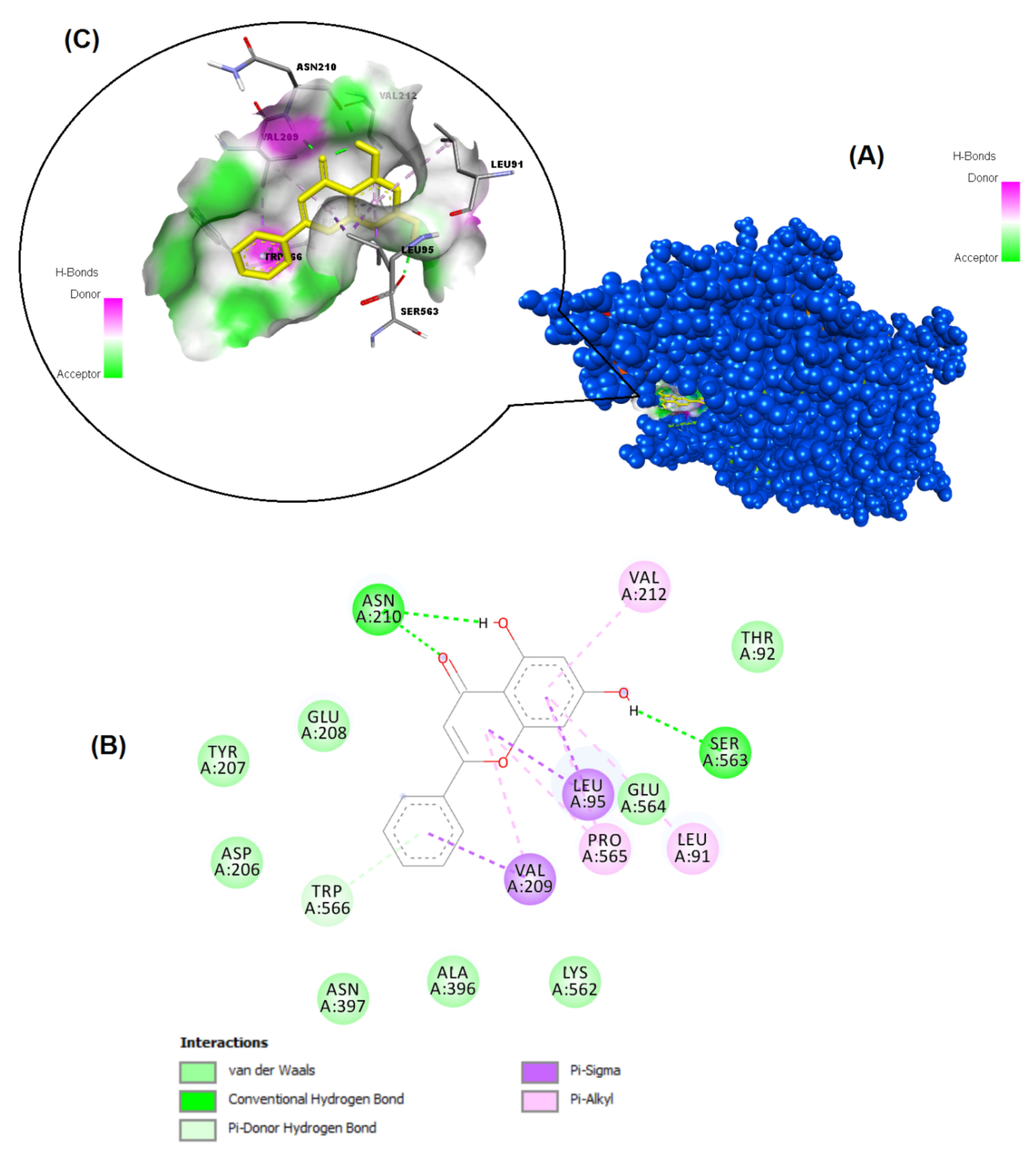
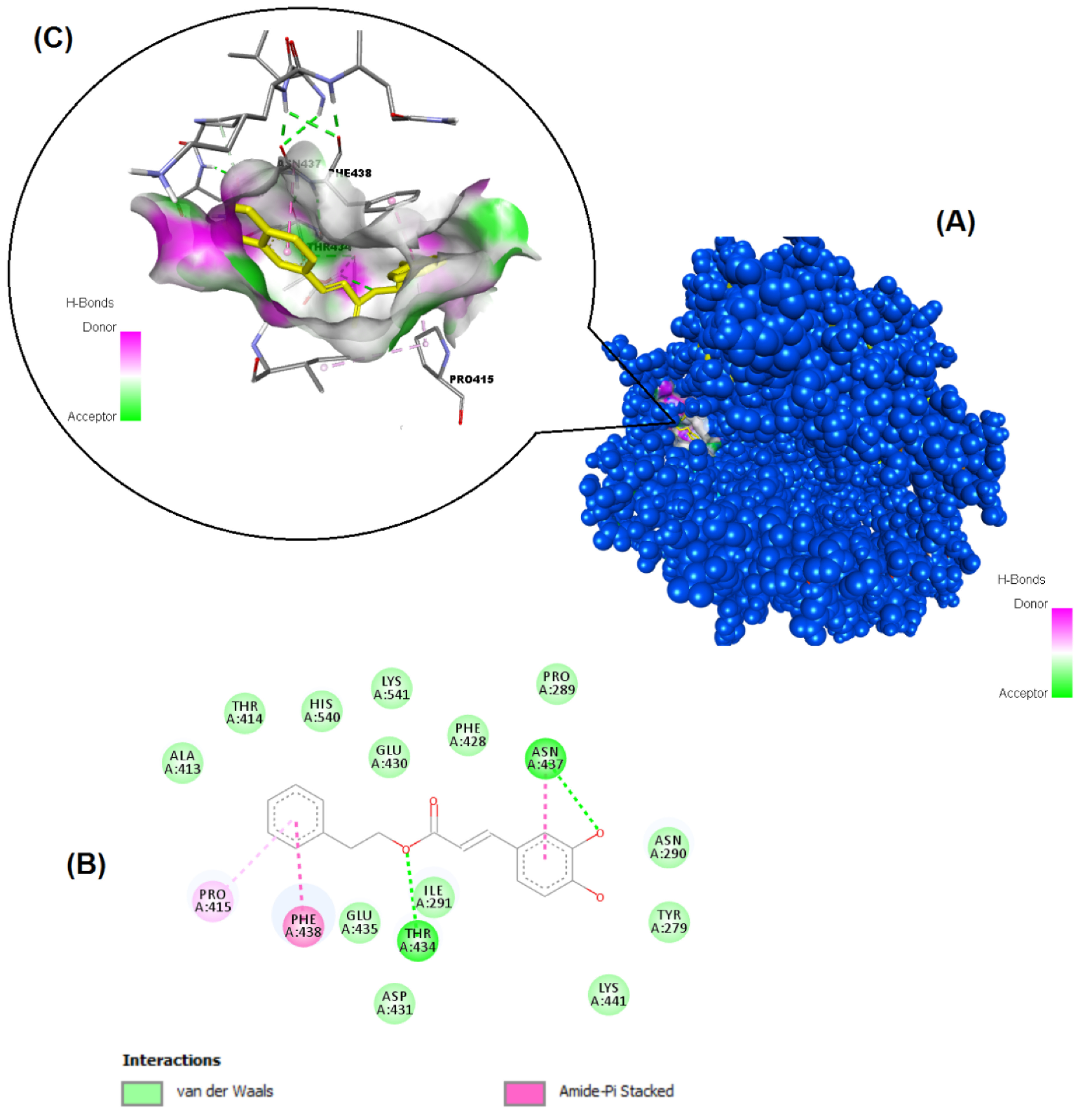
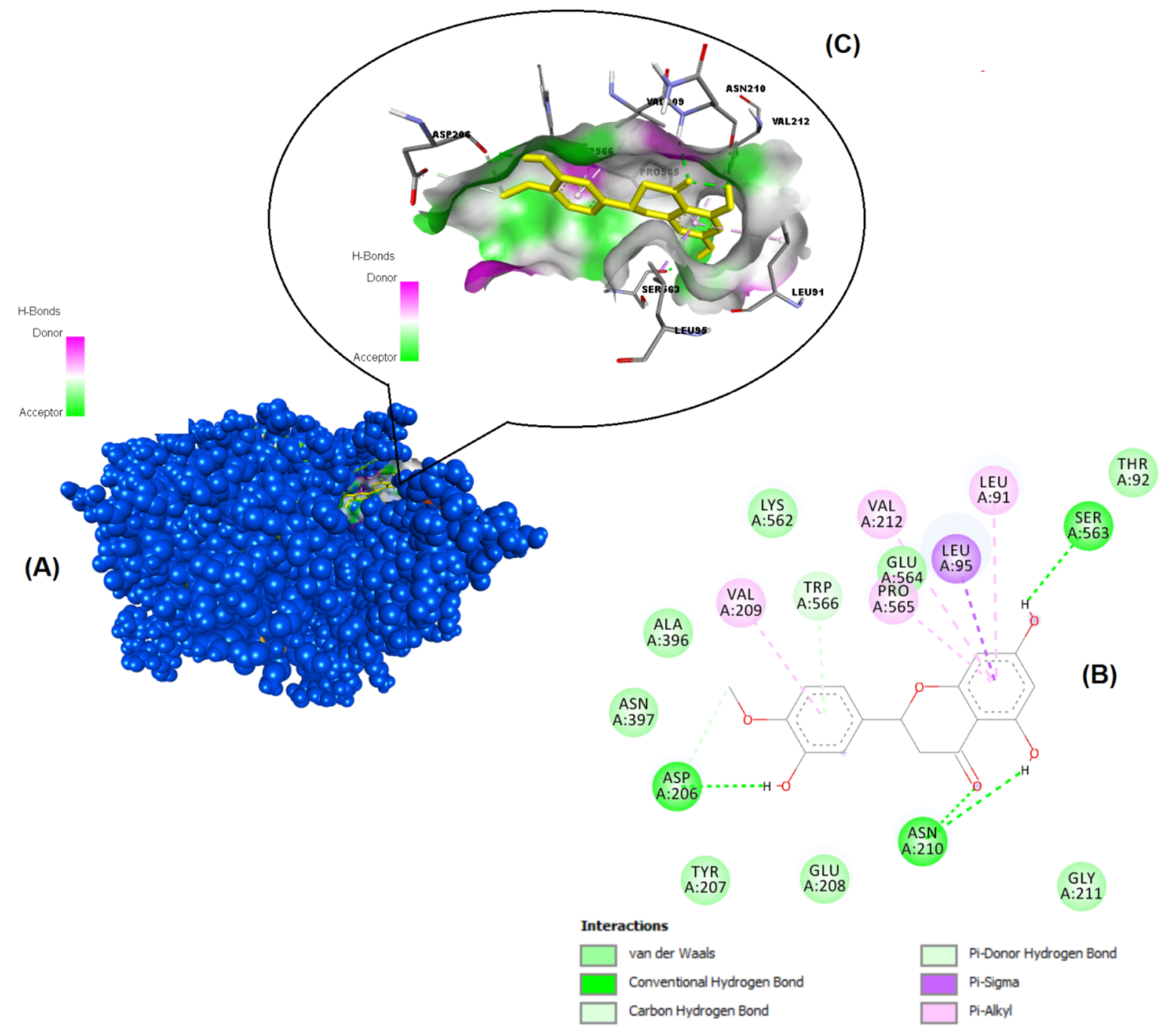
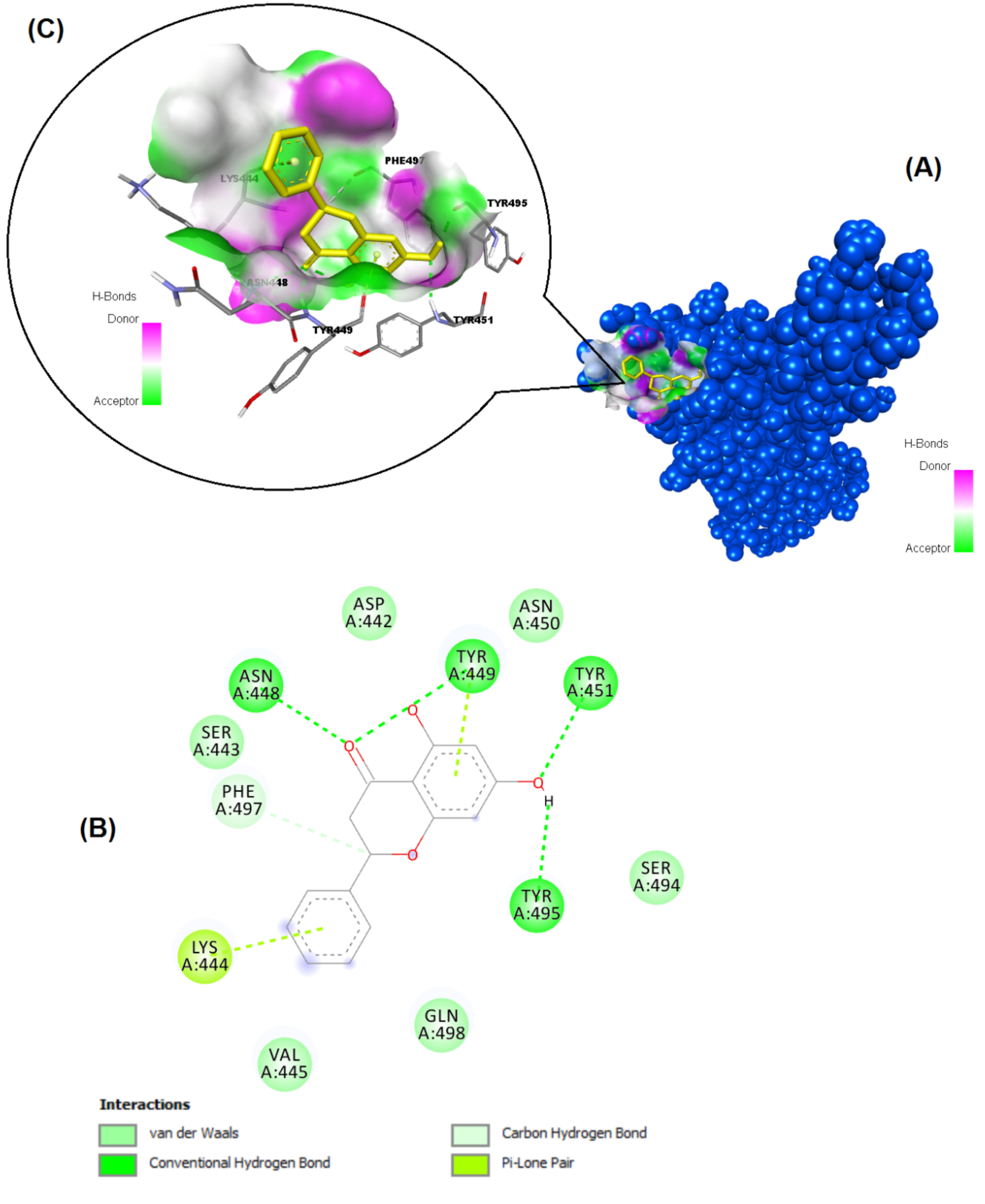
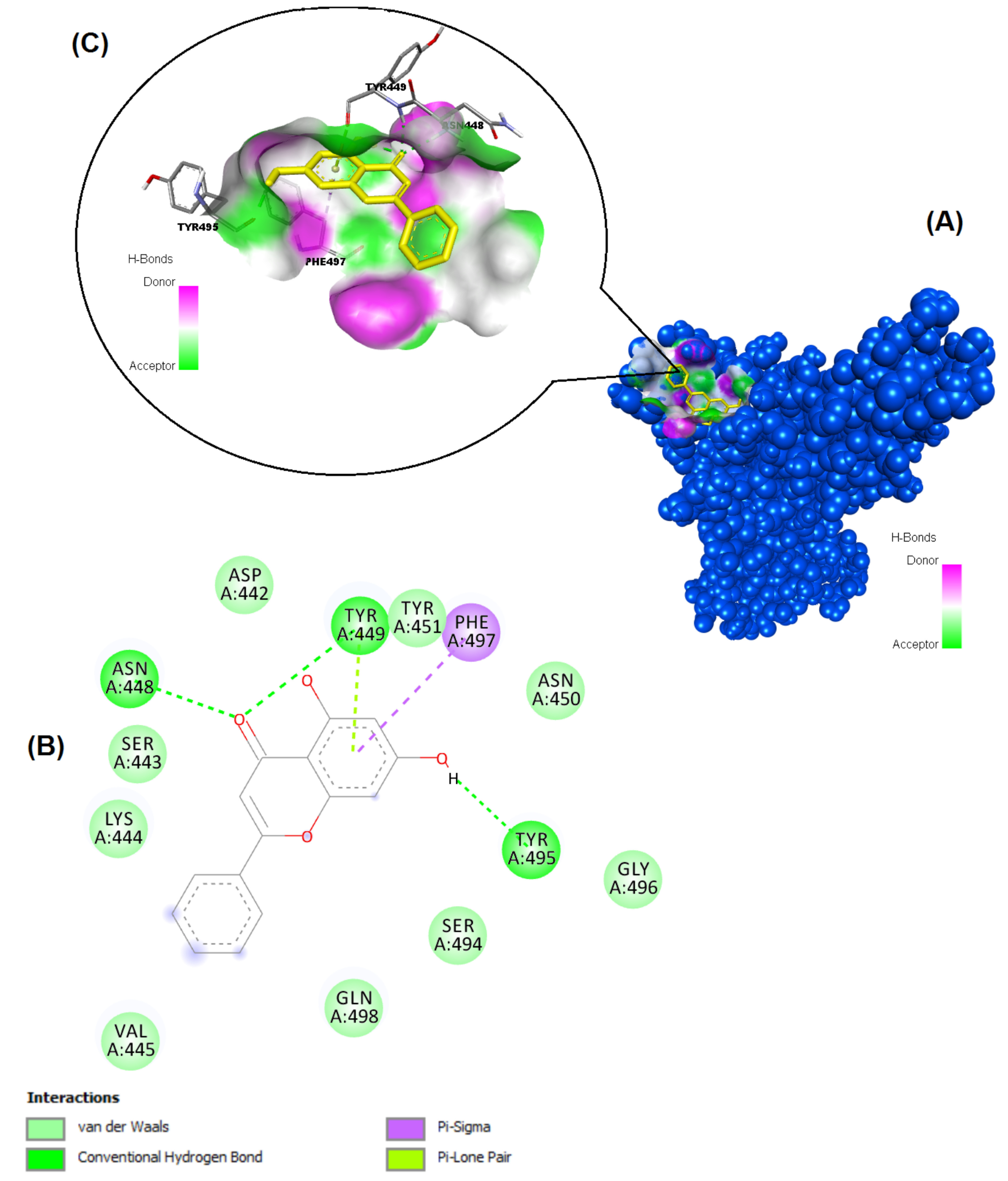
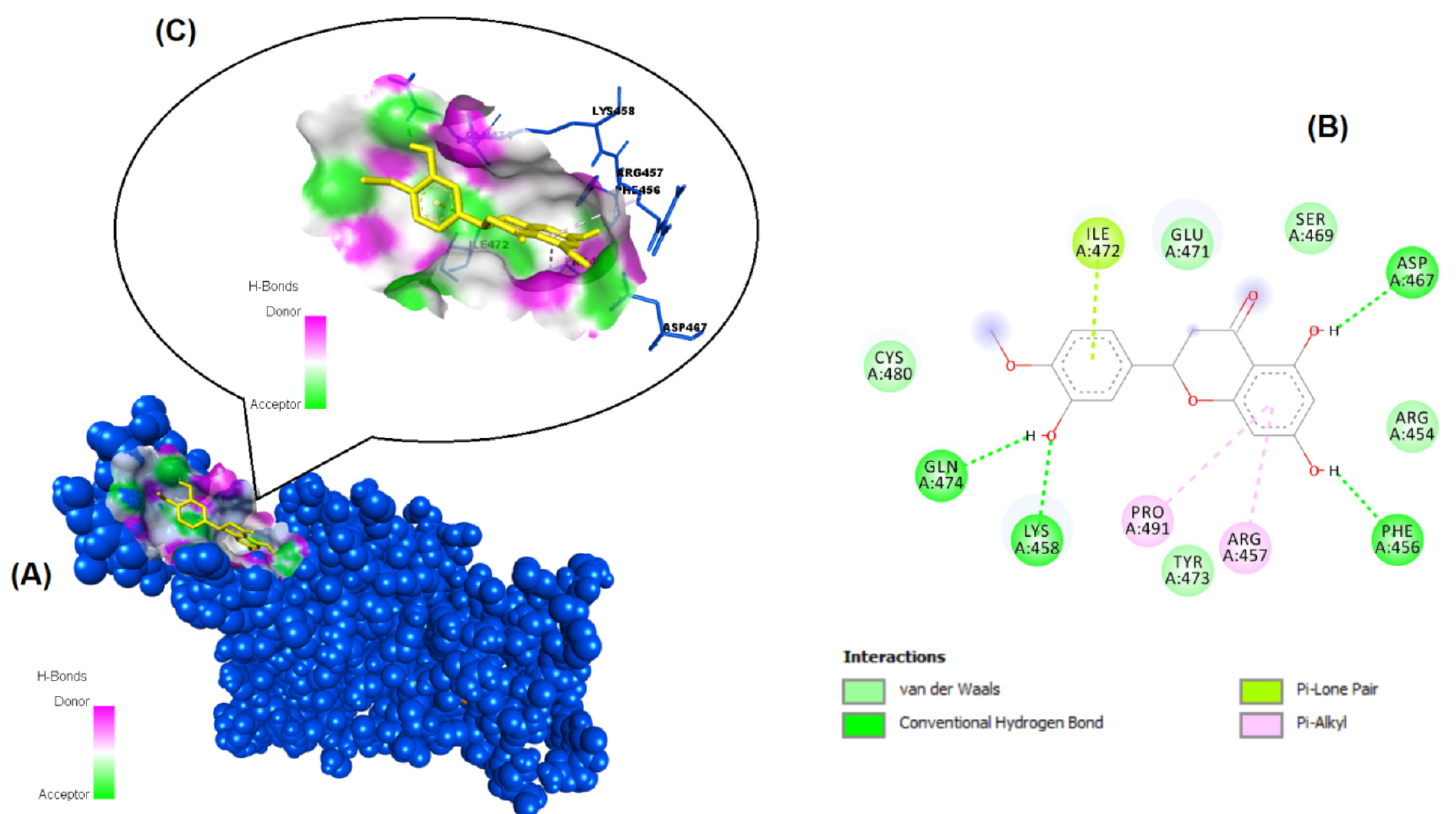
Propolis is a multi-functional bee product rich in polyphenols. In this study, the inhibitory effect of Anatolian propolis against SARS-coronavirus-2 (SARS-CoV-2) was investigated in vitro and in silico. Raw and commercial propolis samples were used, and both samples were found to be rich in caffeic acid, p-coumaric acid, ferulic acid, t-cinnamic acid, hesperetin, chrysin, pinocembrin, and caffeic acid phenethyl ester (CAPE) at HPLC-UV analysis. Ethanolic propolis extracts (EPE) were used in the ELISA screening test against the spike S1 protein (SARS-CoV-2): ACE-2 interaction for in vitro study. The binding energy values of these polyphenols to the SARS-CoV-2 spike and ACE-2 protein were calculated separately with a molecular docking study using the AutoDock 4.2.6 program. In addition, the pharmacokinetics and drug-likeness properties of these eight polyphenols were calculated according to the SwissADME tool. The binding energy value of pinocembrin was highest in both receptors, followed by chrysin, CAPE, and hesperetin. Based on the in silico modeling and ADME (absorption, distribution, metabolism, and excretion) behaviors of the eight polyphenols, the compounds exhibited the potential ability to act effectively as novel drugs. The findings of both studies showed that propolis has a high inhibitory potential against the Covid-19 virus. However, further studies are now needed.
Keywords: Covid-19; Propolis; SARS-CoV-2; molecular docking; pinocembrin.
Copyright © 2021 The Author(s).
Conflict of interest statement
CONFLICT OF INTEREST: No conflict of interest is declared.
Figures
References
-
- Aliyazıcıoglu R Sahin H Erturk O Ulusoy E Kolaylı S Properties of phenolic composition and biological activity of propolis from Turkey. International Journal of Food Properties. 2013;16:277–287.
-
- Andrade JKS Denadai M de Oliveira CS Nunes ML Narain N Evaluation of bioactive compounds potential and antioxidant activity of brown, green and red propolis from Brazilian northeast region. Food Research International. 2017;101:129–138. - PubMed
-
- Bankova V Bertelli D Borba R Conti BJ Standard methods for Apis mellifera propolis research. Journal of Apicultural Research. 2019;58:1–49.
-
- Bankova V Galabov AS Antonova D Vilhelmova N Di Perri B Chemical composition of propolis extract ACF® and activity against herpes simplex virus. Phytomedicine. 2014;21:1432–1438. - PubMed
LinkOut - more resources
Full Text Sources
Other Literature Sources
Miscellaneous