


Methods to Develop an in silico Clinical Trial: Computational Head-to-Head Comparison of Lisdexamfetamine and Methylphenidate
- PMID: 34803764
- PMCID: PMC8595241
- DOI: 10.3389/fpsyt.2021.741170
Methods to Develop an in silico Clinical Trial: Computational Head-to-Head Comparison of Lisdexamfetamine and Methylphenidate
Abstract
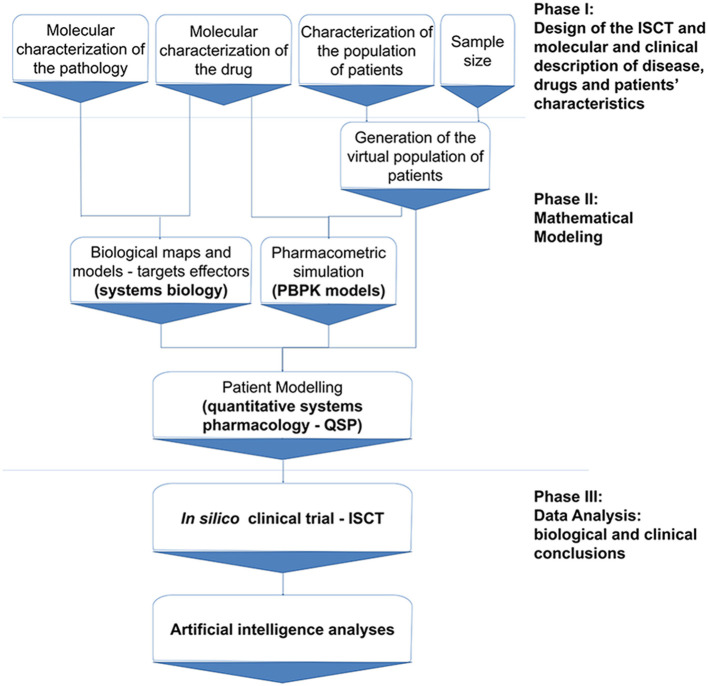
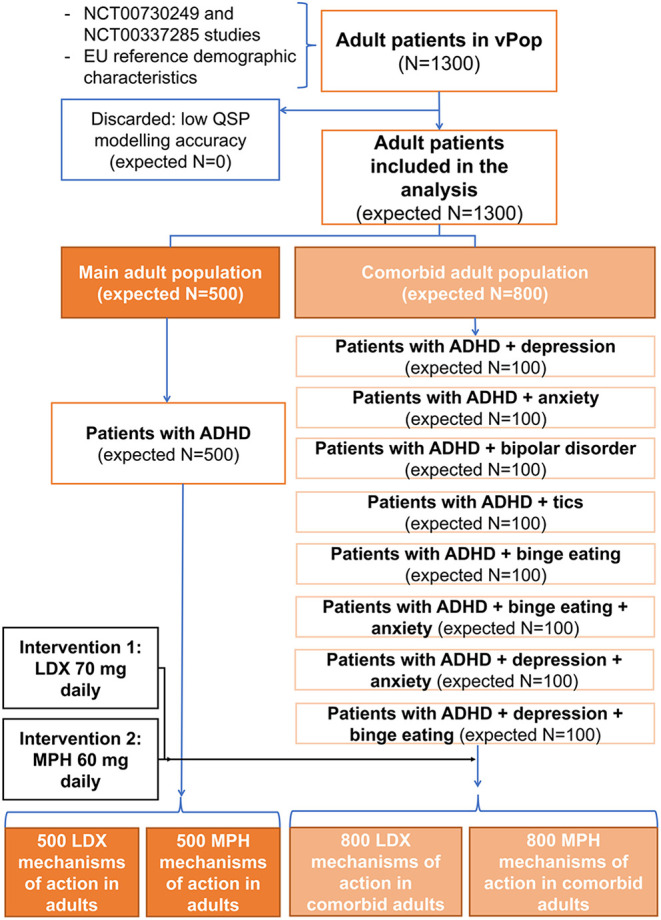
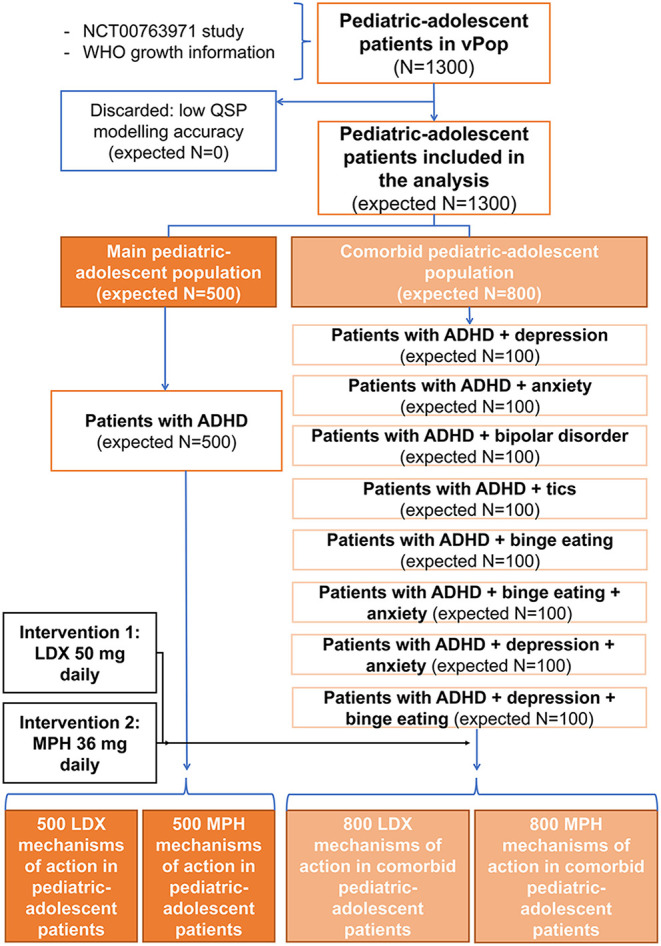
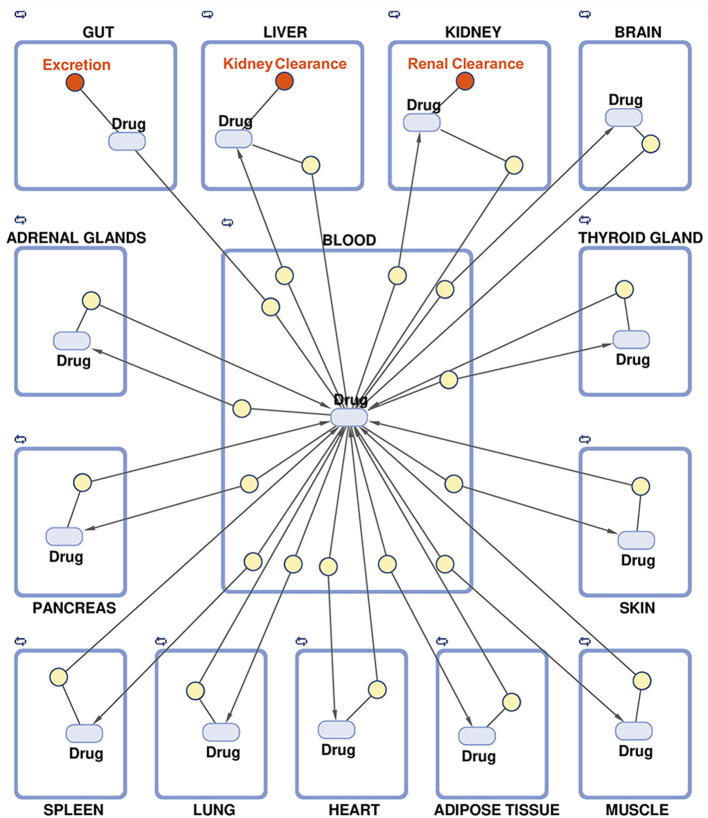
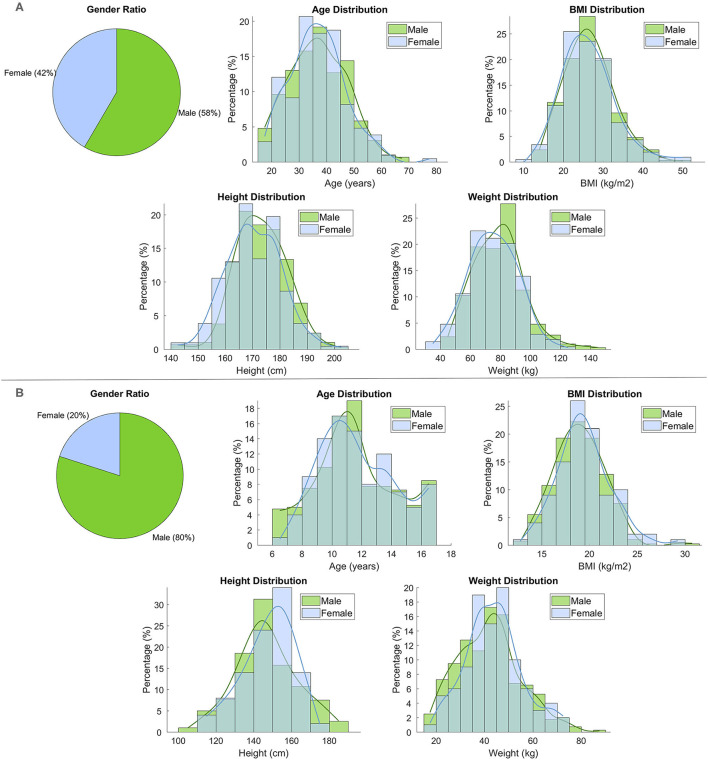
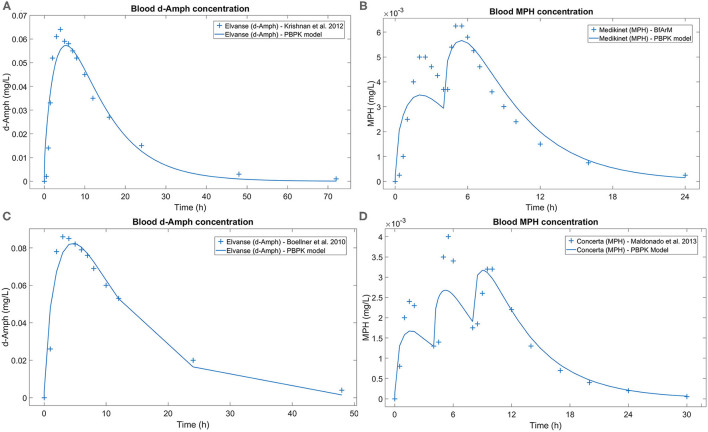
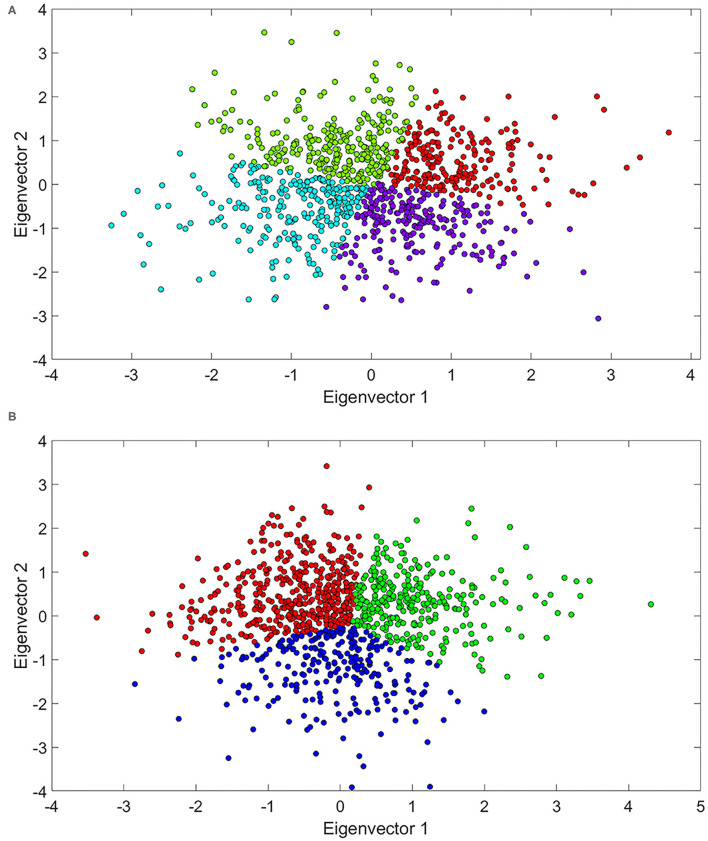
Regulatory agencies encourage computer modeling and simulation to reduce the time and cost of clinical trials. Although still not classified in formal guidelines, system biology-based models represent a powerful tool for generating hypotheses with great molecular detail. Herein, we have applied a mechanistic head-to-head in silico clinical trial (ISCT) between two treatments for attention-deficit/hyperactivity disorder, to wit lisdexamfetamine (LDX) and methylphenidate (MPH). The ISCT was generated through three phases comprising (i) the molecular characterization of drugs and pathologies, (ii) the generation of adult and children virtual populations (vPOPs) totaling 2,600 individuals and the creation of physiologically based pharmacokinetic (PBPK) and quantitative systems pharmacology (QSP) models, and (iii) data analysis with artificial intelligence methods. The characteristics of our vPOPs were in close agreement with real reference populations extracted from clinical trials, as did our PBPK models with in vivo parameters. The mechanisms of action of LDX and MPH were obtained from QSP models combining PBPK modeling of dosing schemes and systems biology-based modeling technology, i.e., therapeutic performance mapping system. The step-by-step process described here to undertake a head-to-head ISCT would allow obtaining mechanistic conclusions that could be extrapolated or used for predictions to a certain extent at the clinical level. Altogether, these computational techniques are proven an excellent tool for hypothesis-generation and would help reach a personalized medicine.
Keywords: attention-deficit/hyperactivity disorder; in silico clinical trial; lisdexamfetamine; mathematical modeling; methylphenidate.
Copyright © 2021 Gutiérrez-Casares, Quintero, Jorba, Junet, Martínez, Pozo-Rubio, Oliva, Daura, Mas and Montoto.
Conflict of interest statement
JRG-C has served as speaker for Takeda and Shire and has received research funding from Shire. JQ has served as speaker and/or on scientific advisory boards for Takeda, Janssen, and Rubio. GJ, VJ, and JM are full-time employees at Anaxomics Biotech. VM, TP-R, and CM are full-time employees at Takeda. The remaining authors declare that the research was conducted in the absence of any commercial or financial relationships that could be construed as a potential conflict of interest.
Figures
References
-
- Viceconti M, Henney A, Morley-Fletcher E. In silico clinical trials: how computer simulation will transform the biomedical industry. Int J Clin Trials. (2016) 3:37–46. 10.18203/2349-3259.ijct20161408 - DOI
LinkOut - more resources
Full Text Sources
