Protective effect of Dachengqi decoction on the pancreatic microcirculatory system in severe acute pancreatitis by down-regulating HMGB-TLR-4-IL-23-IL-17A mediated neutrophil activation by targeting SIRT1
- PMID: 34804889
- PMCID: PMC8575701
- DOI: 10.21037/gs-21-655
Protective effect of Dachengqi decoction on the pancreatic microcirculatory system in severe acute pancreatitis by down-regulating HMGB-TLR-4-IL-23-IL-17A mediated neutrophil activation by targeting SIRT1
Abstract
Background: Dachengqi decoction (DCQD), one of classic prescription of Chinese herbal medicine has been widely used in clinic to treat severe acute pancreatitis (SAP). The damage of pancreatic microcirculation plays key pathogenesis of SAP. However, little is known about the molecular pharmacological activity of DCQD on pancreatic microcirculation in SAP.
Methods: Sodium taurodeoxycholate and cerulein were used to establish model of SAP in vitro and in vivo, respectively. The pancreatic pathological morphology, wet weight ratio, myeloperoxidase (MPO) activity, cell viability and microcirculatory function of the pancreas, as well as serum lipase and amylase expressions were evaluated. The expression levels of SIRT1, acety-HMGB1, TLR-4, HMGB1, IL-23, IL-17A, neutrophil chemokines (KC, LIX, and MIP-2), and inflammation-related factors (IL-6, IL-1β, and TNF-α), the translocation of HMGB1 and the interaction of SIRT-HMGB1 in the pancreas and serum were determined by ELISA real-time PCR, western blotting and immunoprecipitation.
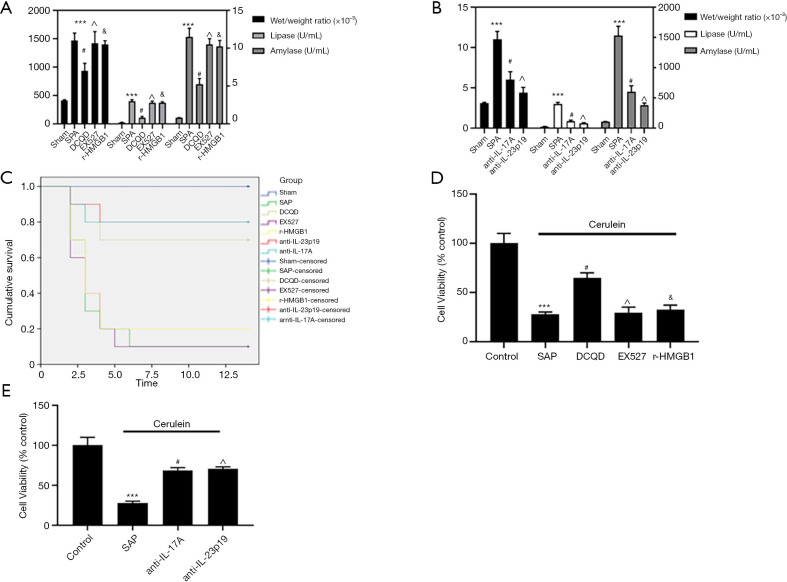
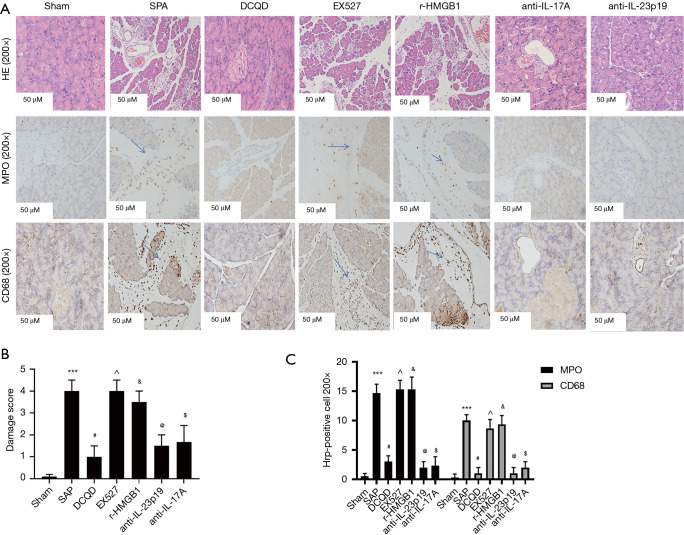
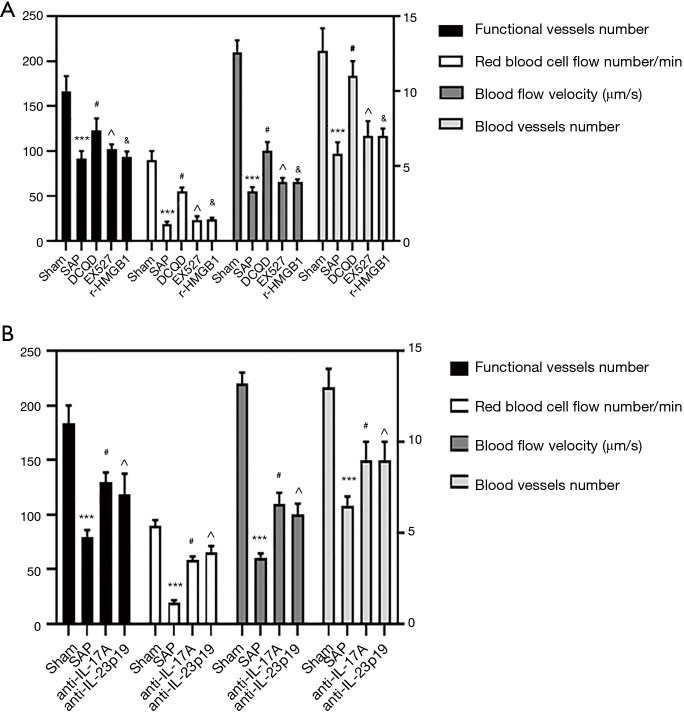
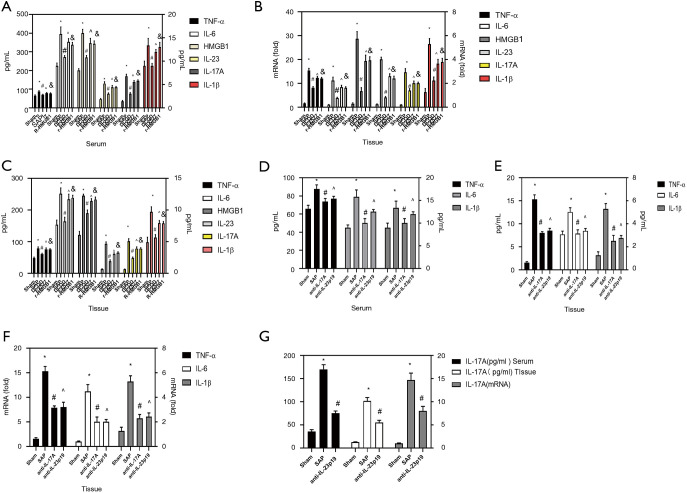
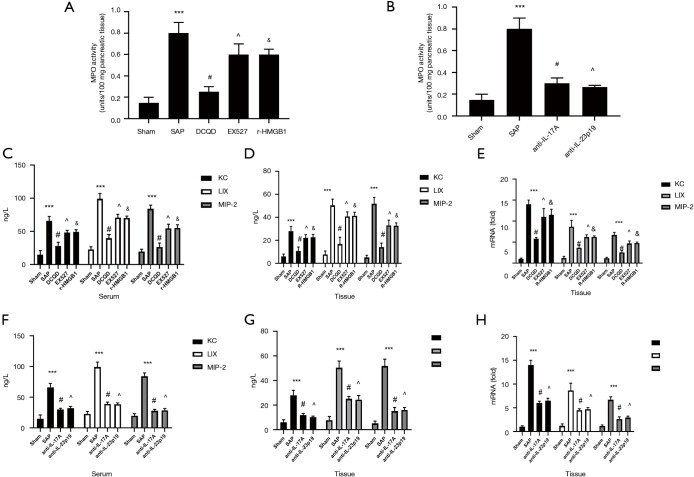
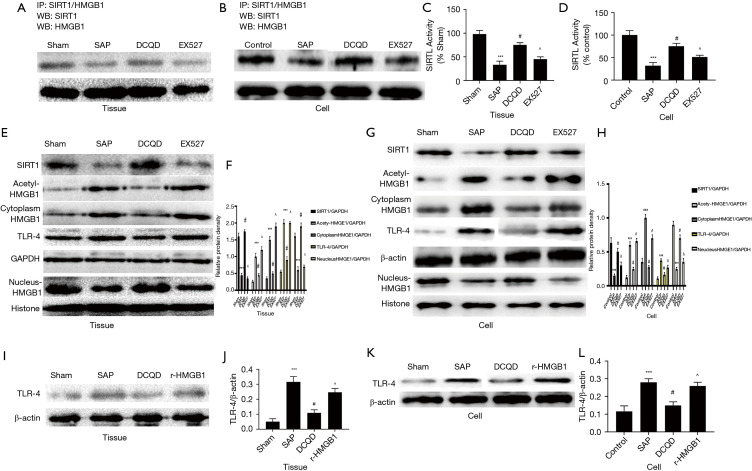
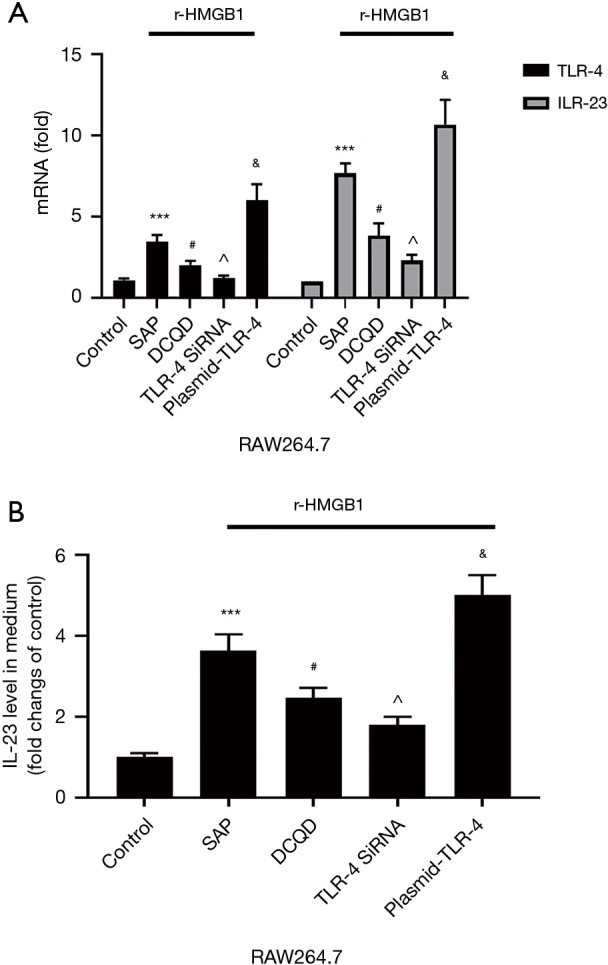
Results: In vivo studies showed that DCQD or neutralizing antibody (anti-23p19 or anti-IL-17A) could all significantly decrease lipase, amylase activity, down-regulate the expression of CD68, Myeloperoxidase (MPO), wet/weight, IL-1β, IL-6, TNF-α, and neutrophil chemokines (KC, LIX, MIP-2), alleviate pathological injury and improve pancreatic microcirculatory function in rats with SAP. Furthermore, DCQD remarkably increased SIRT1 expression, promoted SIRT1 and HMGB1 combination, reduced HMGB1 translocation from nuclear to cytoplasm, and alleviated the expression of acetyl-HMGB1, HMGB1, IL-17A, TLR-4, and IL-23 in vitro and in vivo with SAP. However, the intervention with EX527 (SIRT1 inhibitor) or r-HMGB1 (recombinant HMGB1) obliviously reverses the above mentioned influence mentioned above of DCQD in SAP. In vitro, we confirmed that DCQD could decrease HMGB1 acetylation, migration, and release, and improve the decline of cell viability, SIRT1 expression and SIRI-HMGB1 combination induced by cerulean with promoting macrophage to release IL-23 by relying on the HMGB1/TLR-4 way.
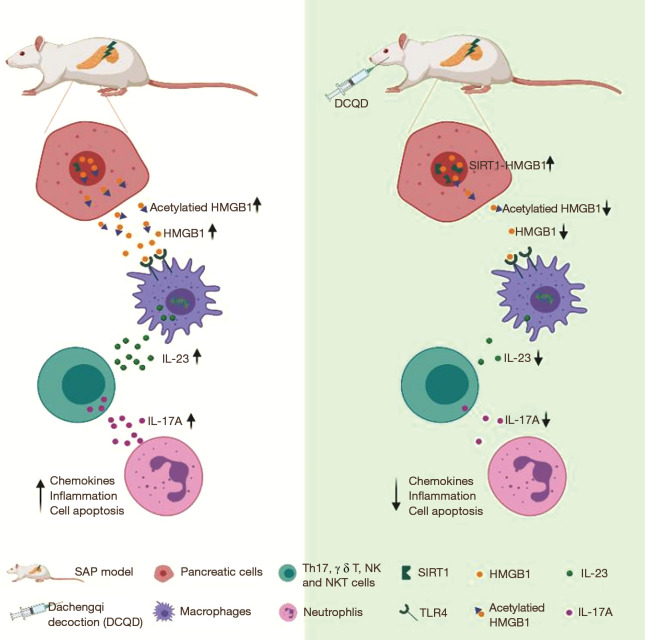
Conclusions: DCQD treatment improves SAP-induced pancreatic microcirculatory dysfunction by inhibiting neutrophil-mediated inflammation via inactivating HMGB1-TLR-4-IL-23-IL-17A signaling by targeting SIRT1.
Keywords: Dachengqi decoction (DCQD); HMGB1-TLR-4-IL-23-IL-17A; Severe acute pancreas (SAP); neutrophil; pancreatic microcirculatory.
2021 Gland Surgery. All rights reserved.
Conflict of interest statement
Conflicts of Interest: All authors have completed the ICMJE uniform disclosure form (available at https://dx.doi.org/10.21037/gs-21-655). Dr. JW reported that the study was funded by the Foundation of Sichuan Provincial People’s Hospital (No. 2017LY11). Dr. JZ reported that the study was funded by the Foundation of Sichuan Provincial People’s Hospital (No. 2020LY07) and scientific research project of Sichuan Provincial Department of Science and Technology (No. 2020YJ0179). The other authors have no conflicts of interest to declare.
Figures
References
LinkOut - more resources
Full Text Sources
Research Materials
Miscellaneous