


Association between angiotensinogen (AGT), angiotensin-converting enzyme (ACE) and angiotensin-II receptor 1 (AGTR1) polymorphisms and COVID-19 infection in the southeast of Iran: a preliminary case-control study
- PMID: 34805533
- PMCID: PMC8596349
- DOI: 10.1186/s41231-021-00106-0
Association between angiotensinogen (AGT), angiotensin-converting enzyme (ACE) and angiotensin-II receptor 1 (AGTR1) polymorphisms and COVID-19 infection in the southeast of Iran: a preliminary case-control study
Abstract
Background: The COVID-19 pandemic remains an emerging public health crisis with serious adverse effects. The disease is caused by severe acute respiratory syndrome coronavirus-2 (SARS-CoV--2) infection, targeting angiotensin-converting enzyme-2 (ACE2) receptor for cell entry. However, changes in the renin-angiotensin system (RAS) balance alter an individual's susceptibility to COVID-19 infection. We aimed to evaluate the association between AGT rs699 C > T, ACE rs4646994 I/D, and AGTR1 rs5186 C > A variants and the risk of COVID-19 infection and the severity in a sample of the southeast Iranian population.
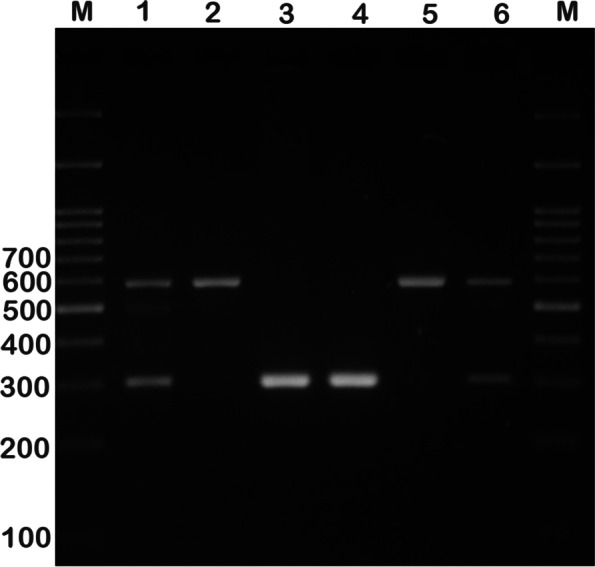
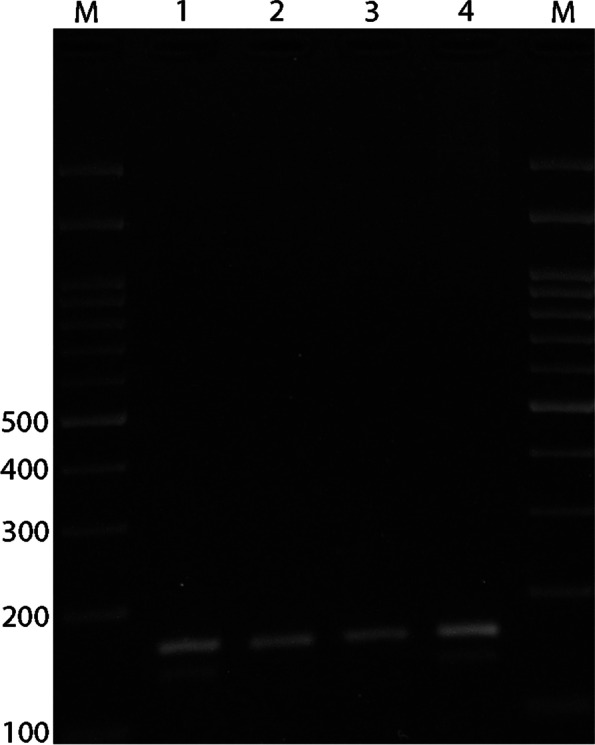
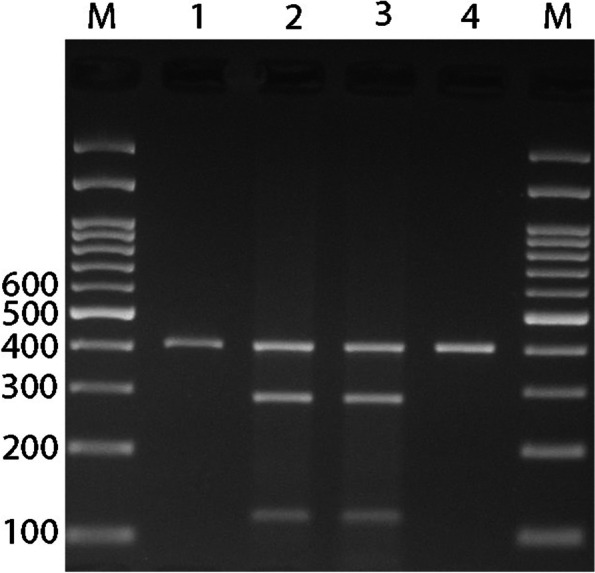
Methods: A total of 504 subjects, including 258 COVID-19 positives, and 246 healthy controls, were recruited. Genotyping of the ACE gene rs4646994, and AGT rs699, and AGTR1 rs5186 polymorphisms was performed by polymerase chain reaction (PCR) and PCR-restriction fragment length polymorphism (PCR-RFLP), respectively.
Results: Our results showed that the II genotype of ACE rs4646994 and the I allele decreased the risk of COVID-19 infection. Moreover, we found that the TC genotype and C allele of AGT rs699 increased the risk of COVID-19 infection. The AGTR1 rs5186 was not associated with COVID-19 infection. Also, we did not find any association between these polymorphisms and the severity of the disease. However, we found a significantly higher age and prevalence of diabetes and hypertension in patients with severe disease than a non-severe disease.
Conclusions: These findings suggest that ACE rs4646994 and AGT rs699 polymorphisms increase the risk of COVID-19 infection in a southeast Iranian population.
Keywords: ACE; AGT; AGTR1; Angiotensin; COVID-19; Polymorphism; SARS-CoV-2.
© The Author(s) 2021.
Conflict of interest statement
Competing interestsAll authors declared that they have no conflict of interest.
Figures
References
LinkOut - more resources
Full Text Sources
Miscellaneous