


Global, regional, and national cancer incidence and death for 29 cancer groups in 2019 and trends analysis of the global cancer burden, 1990-2019
- PMID: 34809683
- PMCID: PMC8607714
- DOI: 10.1186/s13045-021-01213-z
Global, regional, and national cancer incidence and death for 29 cancer groups in 2019 and trends analysis of the global cancer burden, 1990-2019
Abstract
Background and aims: Cancer will soon become the leading cause of death in every country in the twenty-first century. This study aimed to analyze the mortality and morbidity of 29 types of cancer in 204 countries or regions from 1990 to 2019 to guide global cancer prevention and control.
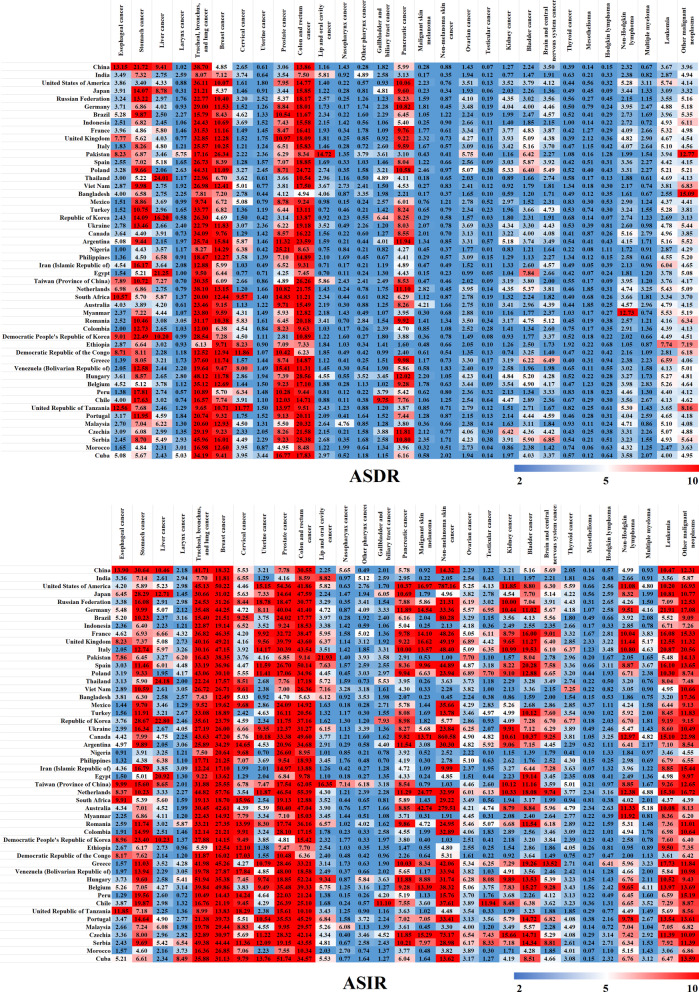
Methods: Detailed information for 29 cancer groups was collected from the Global Burden of Disease Study in 2019. The age-standardized incidence rate (ASIR) and age-standardized death rate (ASDR) of the 29 cancer groups were calculated based on sex, age, region, and country. In addition, separate analyses were performed for major cancer types.
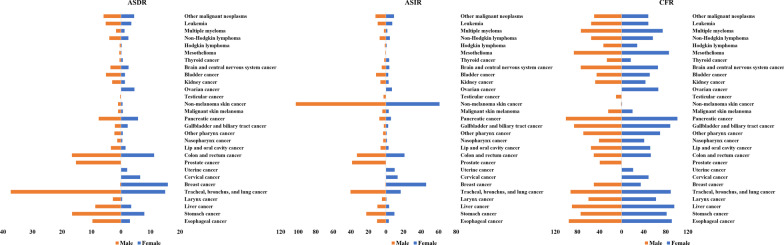
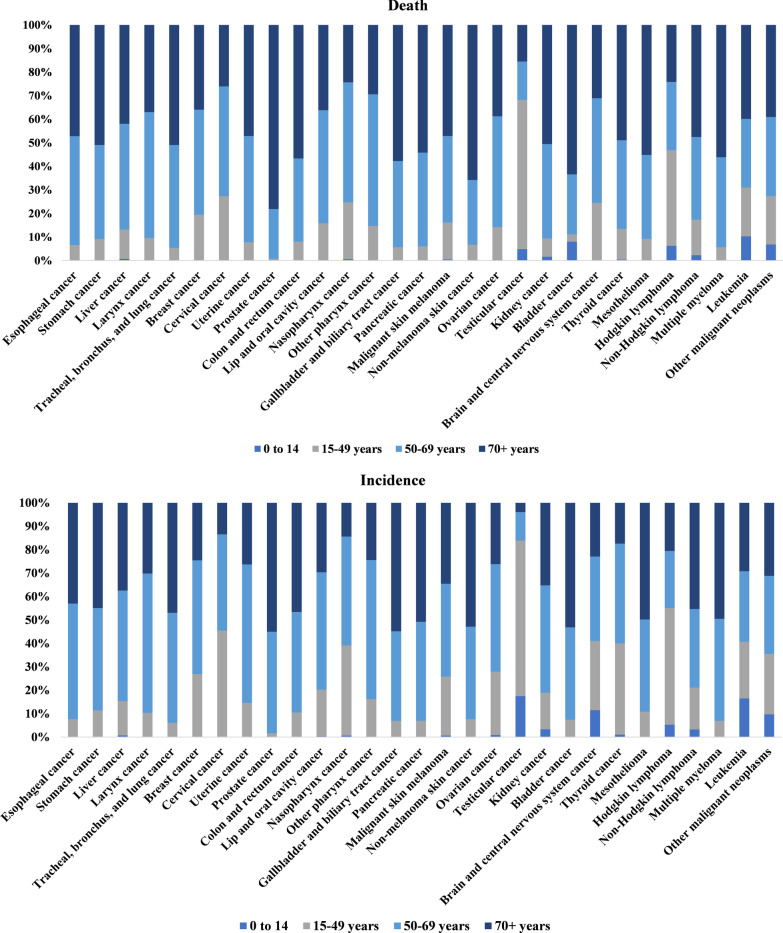
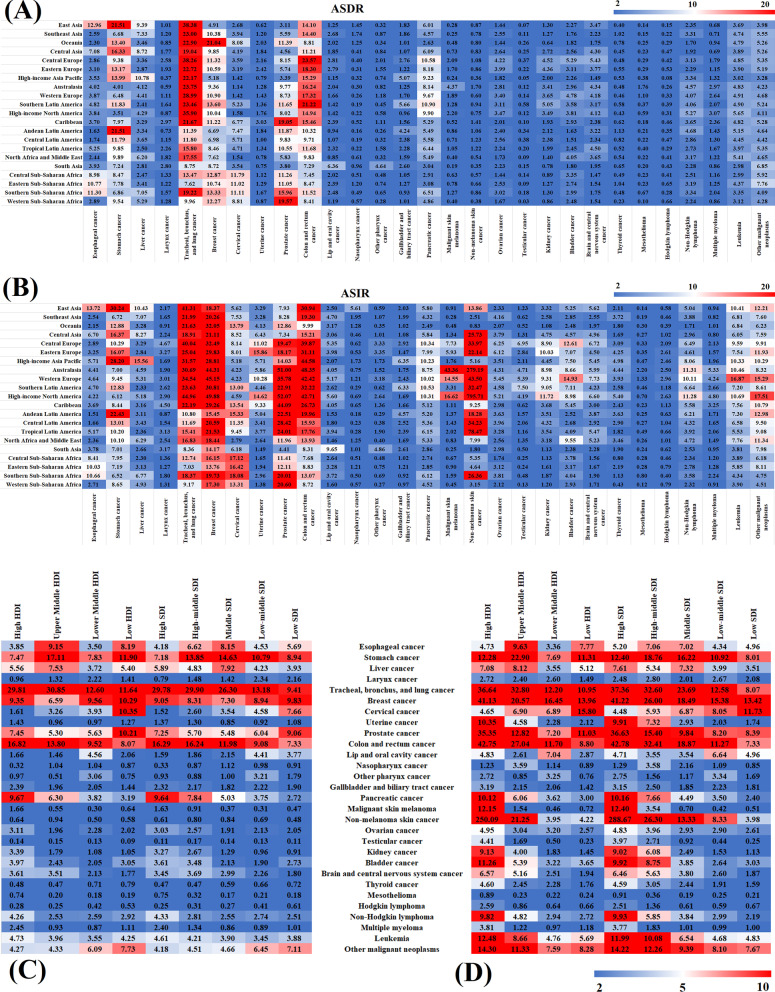
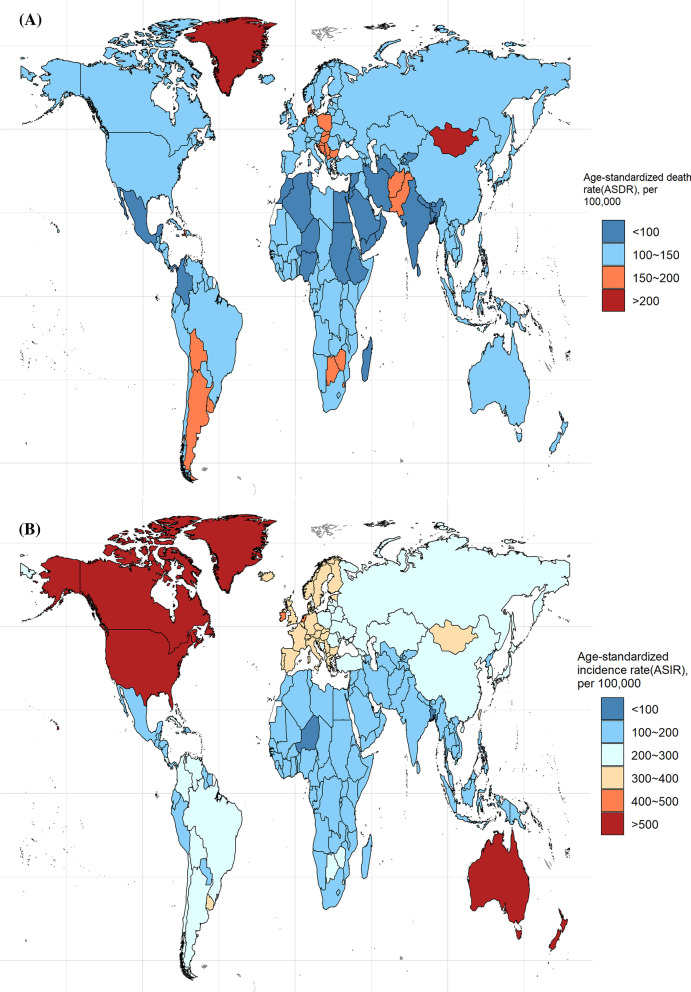
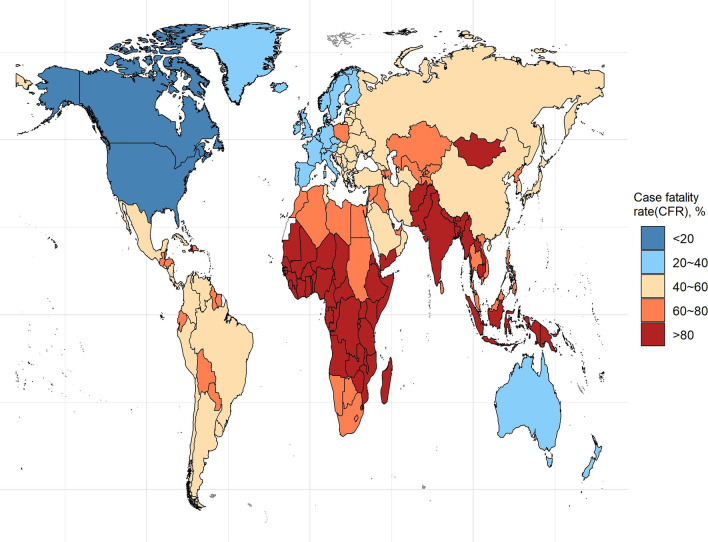
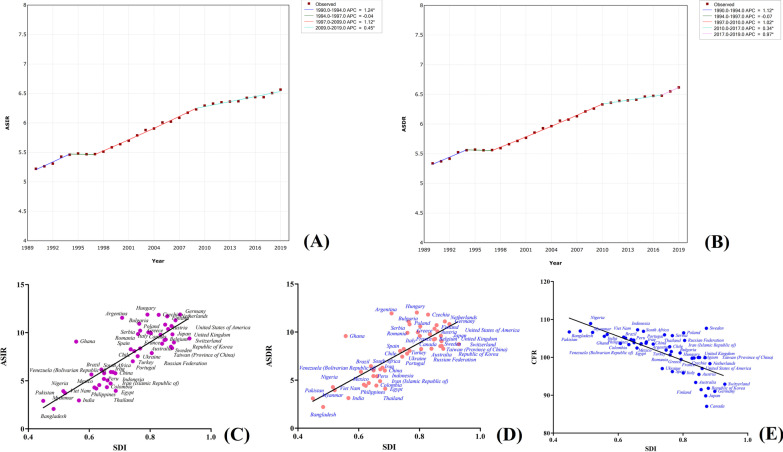
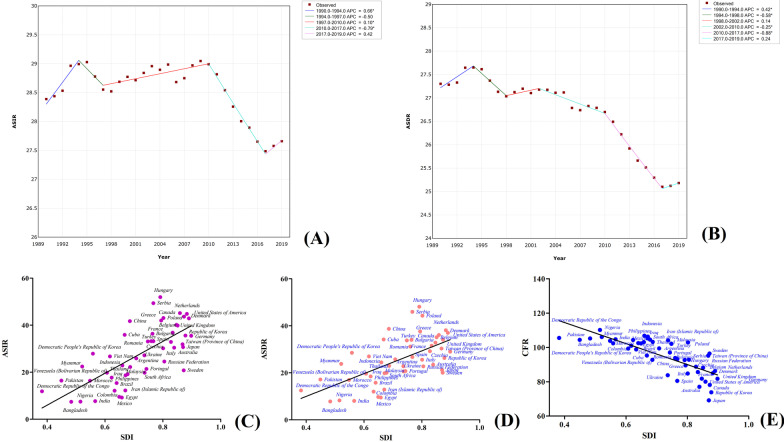
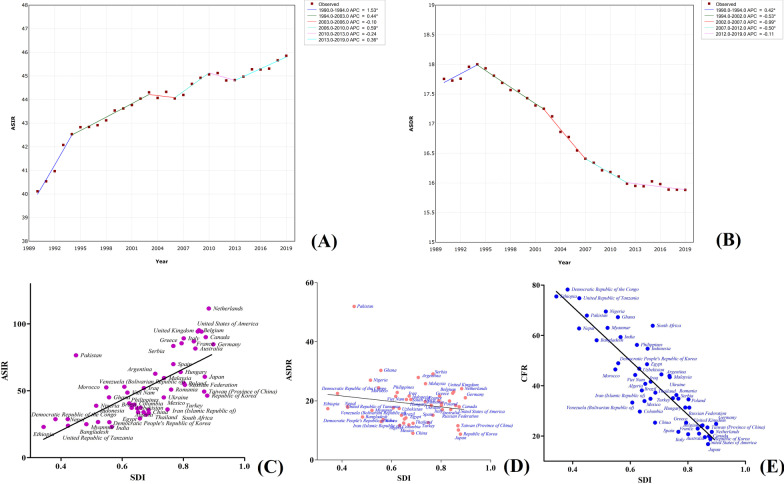
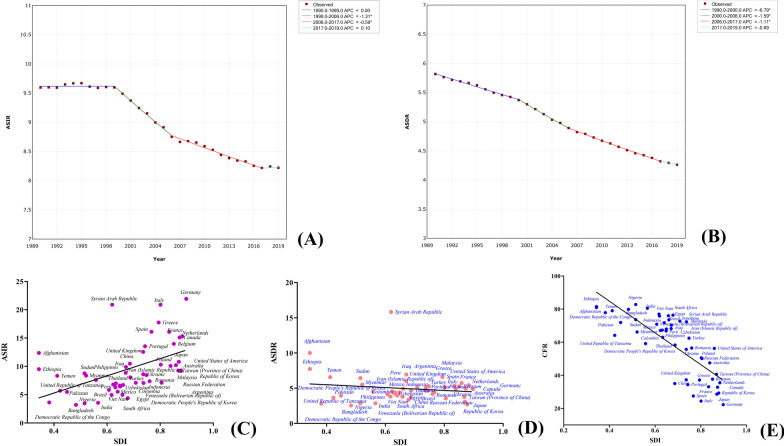
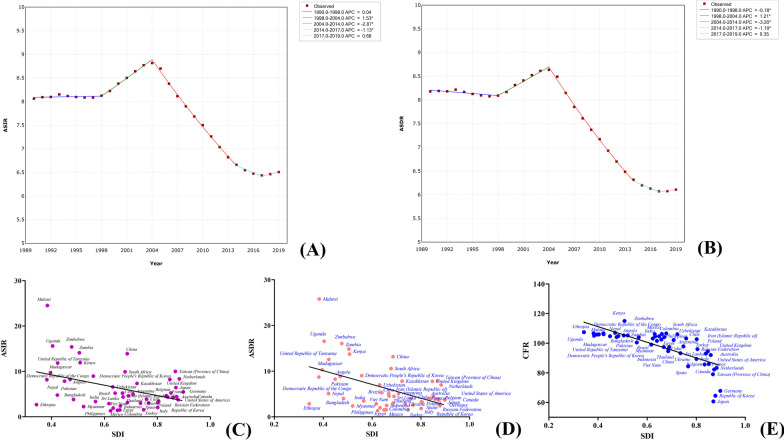
Results: In 2019, more than 10 million people died from cancer, which was approximately twice the number in 1990. Tracheal, bronchus, and lung (TBL) cancers collectively showed the highest death rate, and the ASDR of pancreatic cancer increased by 24%, which was cancer with the highest case fatality rate (CFR). The global cancer ASIR showed an increasing trend, with testicular cancer, thyroid cancer, and malignant skin melanoma showing a significant increase. The ASDR and ASIR of cancer in males were about 1.5 times higher than that in females. Individuals over 50 years had the highest risk of developing cancer, with incidences and deaths in this age group accounting for more than 85% of cancers in all age groups. Asia has the heaviest cancer burden due to its high population density, with esophageal cancer in this region accounting for 53% of the total fatalities related to this type of cancer in the world. In addition, the mortality and morbidity of most cancers increased with the increase in the development or socio-demographic index (SDI) in the SDI regions based on the World Bank's Human Development Index (HDI), with cancer characteristics varying in the different countries globally.
Conclusions: The global cancer burden continues to increase, with substantial mortality and morbidity differences among the different regions, ages, countries, gender, and cancer types. Effective and locally tailored cancer prevention and control measures are essential in reducing the global cancer burden in the future.
Keywords: Cancer; Death; Global burden of disease; Incidence.
© 2021. The Author(s).
Conflict of interest statement
The authors declare no competing interests.
Figures
References
-
- Sung H, Ferlay J, Siegel RL, Laversanne M, Soerjomataram I, Jemal A, et al. Global cancer statistics 2020: GLOBOCAN estimates of incidence and mortality worldwide for 36 cancers in 185 countries. CA Cancer J Clin. 2021;71:209–249. - PubMed
-
- Bray F, Jemal A, Grey N, Ferlay J, Forman D. Global cancer transitions according to the Human Development Index (2008–2030): a population-based study. Lancet Oncol. 2012;13:790–801. - PubMed
-
- Global Burden of Disease Collaborative Network. Global Burden of Disease Study 2019 (GBD 2019) Results. Seattle, United States: Institute for Health Metrics and Evaluation (IHME), 2020. http://ghdx.healthdata.org/gbd-results-tool.
Publication types
MeSH terms
LinkOut - more resources
Full Text Sources
Medical
