


Comparative evaluation of condylar guidance obtained by three different interocclusal recording materials in a semi-adjustable articulator and digital panoramic radiographic images in dentate patients: An in vivo study
- PMID: 34810368
- PMCID: PMC8617454
- DOI: 10.4103/jips.jips_239_21
Comparative evaluation of condylar guidance obtained by three different interocclusal recording materials in a semi-adjustable articulator and digital panoramic radiographic images in dentate patients: An in vivo study
Abstract
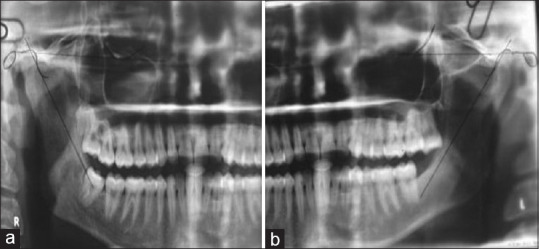
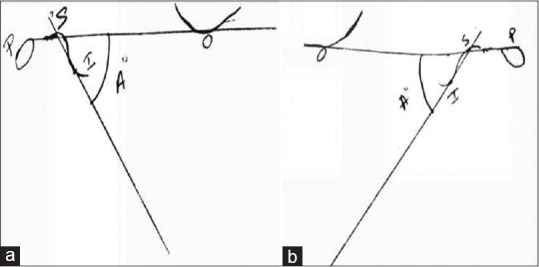
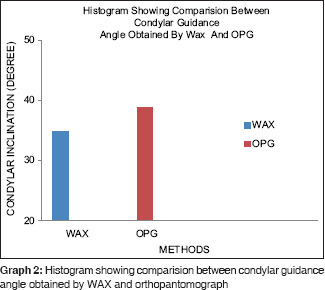
Aim: The Aim of the study was to evaluate the reproducibility of condylar inclination values obtained using three different interocclusal recording materials in Hanau Wide-Vue semi-adjustable articulator and to compare those values of condylar inclination with panoramic radiographic images.
Settings and design: In Vivo Comparative study.
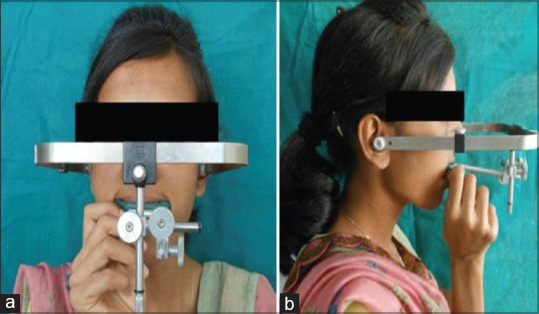
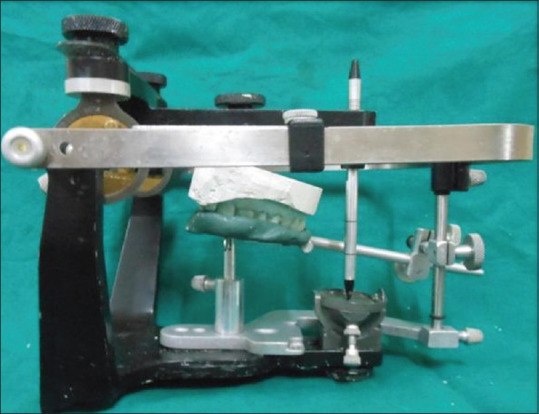
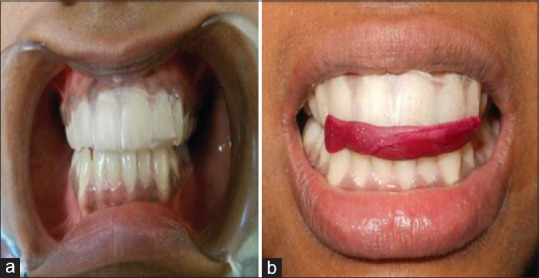
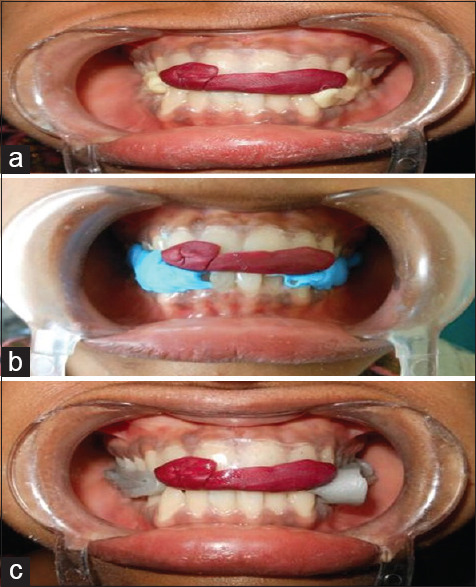
Materials and methods: The clinical trial was carried out in the Department of Prosthodontics, M. R Ambedkar Dental College and Hospital, Bengaluru. A total of 30 dentulous subjects aged between 20 and 40 years were selected, without any signs and symptoms of temporomandibular joint disorders. With the help of a custom-made protrusive guide, protrusive records for three materials were made. These records were used for programming the articulator and the respective horizontal condylar inclination (HCI) value, and panoramic radiographs were made. The values obtained were statistically analyzed.
Statistical analysis used: Independent t-test, multiple comparisons using Bonferroni method followed by Analysis of variances (ANOVA) were used.
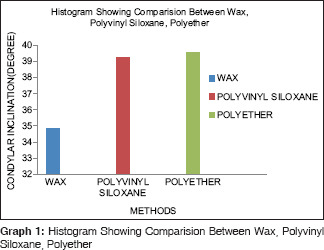
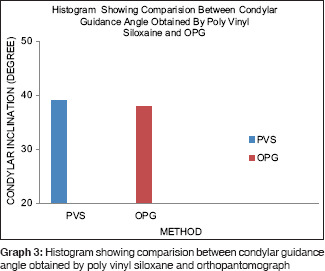
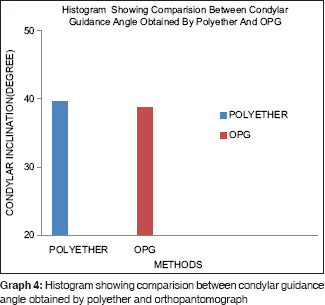
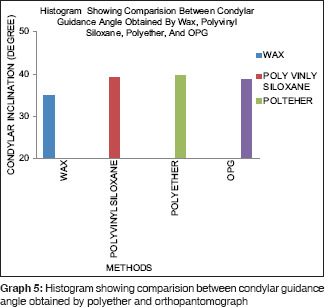
Results: Among each pair of groups there exists a significant difference, i.e., the mean condylar inclination (degree) was found to be statistically significant between wax and polyvinyl siloxane (P < 0.01) as well as between wax and polyether (P < 0.01). No significant difference was observed between polyvinyl siloxane and polyether (P > 0.05).
Conclusion: HCI values differed depending on the type of material employed. The study concluded that the protrusive condylar guidance angles obtained by panoramic radiograph can be used in programming the semi-adjustable articulator and among the materials polyether gave the highest Condylar Guidance values with less variability and wax gave lowest values with greater variation.
Keywords: Condylar guidance; interocclusal records; panoramic radiograph; semi-adjustable articulator.
Conflict of interest statement
None
Figures
References
-
- Gilboa I, Cardash HS, Kaffe I, Gross MD. Condylar guidance: Correlation between articular morphology and panoramic radiographic images in dry human skulls. J Prosthet Dent. 2008;99:477–82. - PubMed
-
- Payne JA. Condylar determinants in a patient population: Electronic pantograph assessment. J Oral Rehabil. 1997;24:157–63. - PubMed
-
- Tannamala PK, Pulagam M, Pottem SR, Swapna B. Condylar guidance: Correlation between protrusive interocclusal record and panoramic radiographic image: A pilot study. J Prosthodont. 2012;21:181–4. - PubMed
-
- Sharma LA, Azhagarasan NS, Shankar C, Sharma A. A comparative study of the effect of three different interocclusal recording materials on reproducibility of horizontal condylar registrations in two different semiadjustable articulators: A clinical study. Int J Prosthodont Rest Dent. 2011;1:155–62.
Publication types
MeSH terms
LinkOut - more resources
Full Text Sources
Research Materials