


Dental anxiety and potentially traumatic events: a cross-sectional study based on the Tromsø Study-Tromsø 7
- PMID: 34814891
- PMCID: PMC8609887
- DOI: 10.1186/s12903-021-01968-4
Dental anxiety and potentially traumatic events: a cross-sectional study based on the Tromsø Study-Tromsø 7
Abstract
Objective: The objectives of the study were to describe the prevalence of dental anxiety and the possible associations between dental anxiety and potentially traumatic events in an adult population.
Method: The study is based on cross-sectional questionnaire data from the 7th wave of the Tromsø Study, a study of the adult general population in the municipality of Tromsø carried out in 2015-2016. The Modified Dental Anxiety Scale was used to measure dental anxiety across potentially traumatic events, oral health, dental attendance (avoidance) and current mental health symptoms (Hopkins Symptom Checklist). Individuals with high and low dental anxiety scores were compared to investigate differences in the distribution of potentially traumatic events, current mental health symptoms, avoidance, sex and oral health, and hierarchical multivariable regression was used to study the influence of traumatic events on dental anxiety.
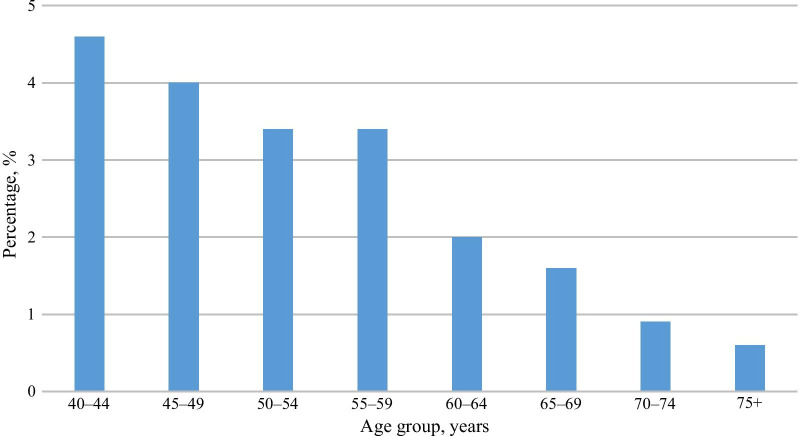
Results: High dental anxiety was reported by 2.9% of the sample and was most prevalent among females and in the youngest age groups. Individuals with high dental anxiety reported more current mental health symptoms, and they were more likely to report poorer oral health and more irregular dental visits compared to individuals with no or lower dental anxiety scores. Concerning traumatic events, the reporting of painful or frightening dental treatment showed the biggest difference between those with high dental anxiety and low dental anxiety scores (a moderate effect). The hierarchical regression model indicated that reporting sexual abuse, traumatic medical treatment in hospital and childhood neglect significantly predicted dental anxiety in the step they were entered in, but only sexual abuse remained a significant individual contributor after controlling for current mental health symptoms.
Conclusions: The prevalence of high dental anxiety was lower than expected (2.9%), but dentally anxious individuals expressed a high burden of mental health symptoms, poor oral health and the avoidance of dental care. The regression analysis indicated that experiences with sexual abuse could affect dental anxiety levels in the absence of generalised symptoms of anxiety and depression.
Keywords: Dental anxiety; Oral health; Psychological distress; Psychological trauma; Public health dentistry; Sexual trauma.
© 2021. The Author(s).
Conflict of interest statement
The authors declare that they have no competing interests.
Figures

References
-
- Hill KB, Chadwick B, Freeman R, O'Sullivan I, Murray JJ. Adult Dental Health Survey 2009: relationships between dental attendance patterns, oral health behaviour and the current barriers to dental care. Br Dent J. 2013;214:25. - PubMed
-
- Schuller AA, Willumsen T, Holst D. Are there differences in oral health and oral health behavior between individuals with high and low dental fear? Community Dent Oral Epidemiol. 2003;31(2):116–121. - PubMed
-
- Armfield JM. Predicting dental avoidance among dentally fearful Australian adults. Eur J Oral Sci. 2013;121(32):240–246. - PubMed
-
- Abrahamsson KH, Berggren U, Hakeberg M, Carlsson SG. Phobic avoidance and regular dental care in fearful dental patients: a comparative study. Acta Odontol Scand. 2001;59(5):273–279. - PubMed
-
- De Jongh A, Fransen J, Oosterink-Wubbe F, Aartman I. Psychological trauma exposure and trauma symptoms among individuals with high and low levels of dental anxiety. Eur J Oral Sci. 2006;114:286–292. - PubMed
Publication types
MeSH terms
LinkOut - more resources
Full Text Sources
Medical
