


Reducing medication errors for adults in hospital settings
- PMID: 34822165
- PMCID: PMC8614640
- DOI: 10.1002/14651858.CD009985.pub2
Reducing medication errors for adults in hospital settings
Abstract
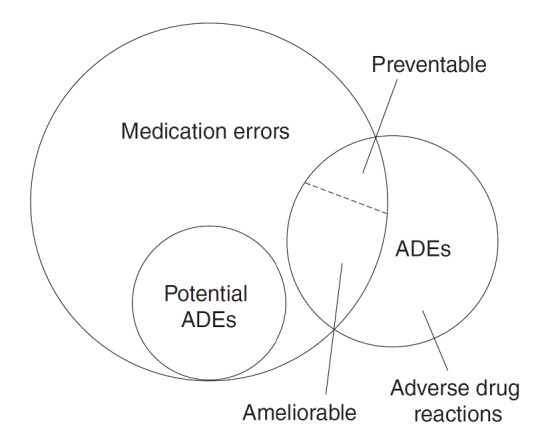
Background: Medication errors are preventable events that may cause or lead to inappropriate medication use or patient harm while the medication is in the control of the healthcare professional or patient. Medication errors in hospitalised adults may cause harm, additional costs, and even death.
Objectives: To determine the effectiveness of interventions to reduce medication errors in adults in hospital settings.
Search methods: We searched CENTRAL, MEDLINE, Embase, five other databases and two trials registers on 16 January 2020. SELECTION CRITERIA: We included randomised controlled trials (RCTs) and interrupted time series (ITS) studies investigating interventions aimed at reducing medication errors in hospitalised adults, compared with usual care or other interventions. Outcome measures included adverse drug events (ADEs), potential ADEs, preventable ADEs, medication errors, mortality, morbidity, length of stay, quality of life and identified/solved discrepancies. We included any hospital setting, such as inpatient care units, outpatient care settings, and accident and emergency departments.
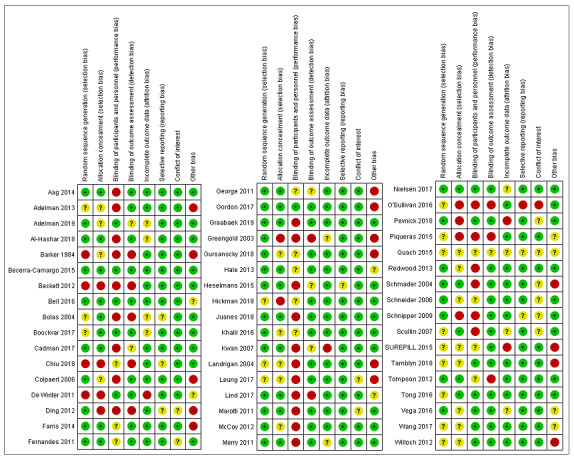
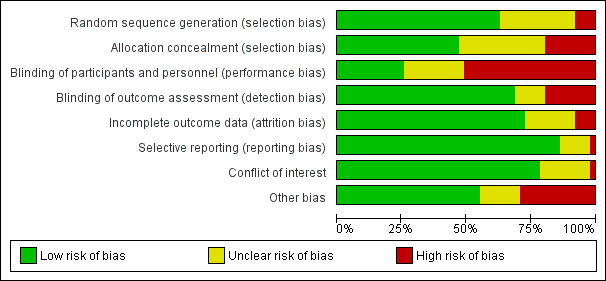
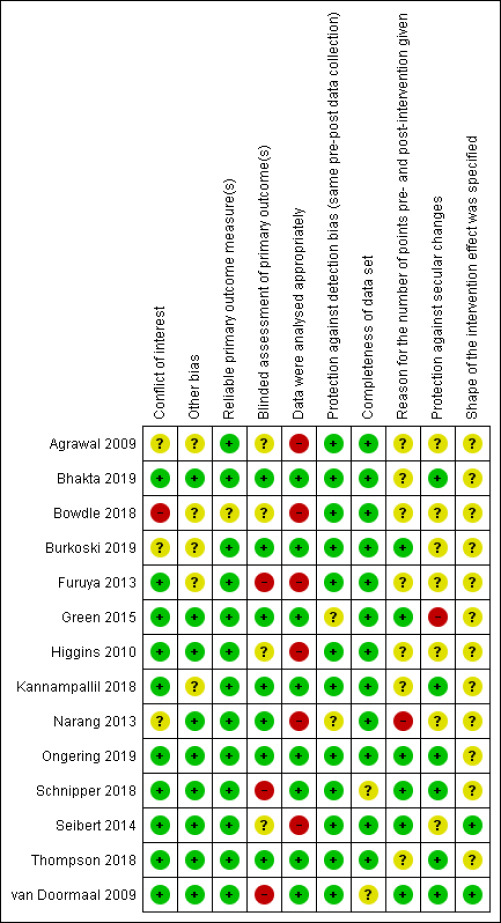
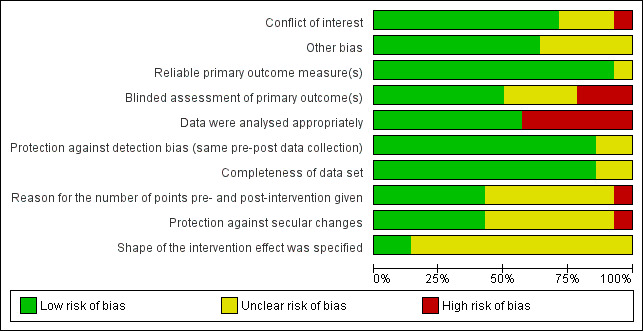
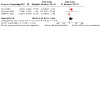
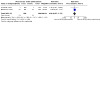
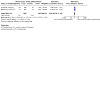
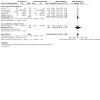
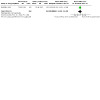
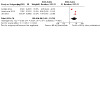
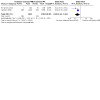
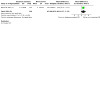
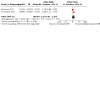
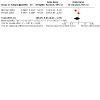
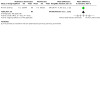
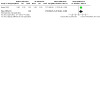
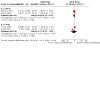
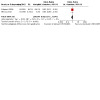
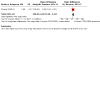
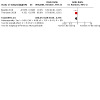
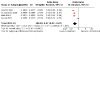
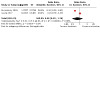
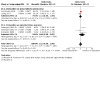
Data collection and analysis: We followed the standard methodological procedures expected by Cochrane and the Effective Practice and Organisation of Care (EPOC) Group. Where necessary, we extracted and reanalysed ITS study data using piecewise linear regression, corrected for autocorrelation and seasonality, where possible. MAIN RESULTS: We included 65 studies: 51 RCTs and 14 ITS studies, involving 110,875 participants. About half of trials gave rise to 'some concerns' for risk of bias during the randomisation process and one-third lacked blinding of outcome assessment. Most ITS studies presented low risk of bias. Most studies came from high-income countries or high-resource settings. Medication reconciliation -the process of comparing a patient's medication orders to the medications that the patient has been taking- was the most common type of intervention studied. Electronic prescribing systems, barcoding for correct administering of medications, organisational changes, feedback on medication errors, education of professionals and improved medication dispensing systems were other interventions studied. Medication reconciliation Low-certainty evidence suggests that medication reconciliation (MR) versus no-MR may reduce medication errors (odds ratio [OR] 0.55, 95% confidence interval (CI) 0.17 to 1.74; 3 studies; n=379). Compared to no-MR, MR probably reduces ADEs (OR 0.38, 95%CI 0.18 to 0.80; 3 studies, n=1336 ; moderate-certainty evidence), but has little to no effect on length of stay (mean difference (MD) -0.30 days, 95%CI -1.93 to 1.33 days; 3 studies, n=527) and quality of life (MD -1.51, 95%CI -10.04 to 7.02; 1 study, n=131). Low-certainty evidence suggests that, compared to MR by other professionals, MR by pharmacists may reduce medication errors (OR 0.21, 95%CI 0.09 to 0.48; 8 studies, n=2648) and may increase ADEs (OR 1.34, 95%CI 0.73 to 2.44; 3 studies, n=2873). Compared to MR by other professionals, MR by pharmacists may have little to no effect on length of stay (MD -0.25, 95%CI -1.05 to 0.56; 6 studies, 3983). Moderate-certainty evidence shows that this intervention probably has little to no effect on mortality during hospitalisation (risk ratio (RR) 0.99, 95%CI 0.57 to 1.7; 2 studies, n=1000), and on readmissions at one month (RR 0.93, 95%CI 0.76 to 1.14; 2 studies, n=997); and low-certainty evidence suggests that the intervention may have little to no effect on quality of life (MD 0.00, 95%CI -14.09 to 14.09; 1 study, n=724). Low-certainty evidence suggests that database-assisted MR conducted by pharmacists, versus unassisted MR conducted by pharmacists, may reduce potential ADEs (OR 0.26, 95%CI 0.10 to 0.64; 2 studies, n=3326), and may have no effect on length of stay (MD 1.00, 95%CI -0.17 to 2.17; 1 study, n=311). Low-certainty evidence suggests that MR performed by trained pharmacist technicians, versus pharmacists, may have little to no difference on length of stay (MD -0.30, 95%CI -2.12 to 1.52; 1 study, n=183). However, the CI is compatible with important beneficial and detrimental effects. Low-certainty evidence suggests that MR before admission may increase the identification of discrepancies compared with MR after admission (MD 1.27, 95%CI 0.46 to 2.08; 1 study, n=307). However, the CI is compatible with important beneficial and detrimental effects. Moderate-certainty evidence shows that multimodal interventions probably increase discrepancy resolutions compared to usual care (RR 2.14, 95%CI 1.81 to 2.53; 1 study, n=487). Computerised physician order entry (CPOE)/clinical decision support systems (CDSS) Moderate-certainty evidence shows that CPOE/CDSS probably reduce medication errors compared to paper-based systems (OR 0.74, 95%CI 0.31 to 1.79; 2 studies, n=88). Moderate-certainty evidence shows that, compared with standard CPOE/CDSS, improved CPOE/CDSS probably reduce medication errors (OR 0.85, 95%CI 0.74 to 0.97; 2 studies, n=630). Low-certainty evidence suggests that prioritised alerts provided by CPOE/CDSS may prevent ADEs compared to non-prioritised (inconsequential) alerts (MD 1.98, 95%CI 1.65 to 2.31; 1 study; participant numbers unavailable). Barcode identification of participants/medications Low-certainty evidence suggests that barcoding may reduce medication errors (OR 0.69, 95%CI 0.59 to 0.79; 2 studies, n=50,545). Reduced working hours Low-certainty evidence suggests that reduced working hours may reduce serious medication errors (RR 0.83, 95%CI 0.63 to 1.09; 1 study, n=634). However, the CI is compatible with important beneficial and detrimental effects. Feedback on prescribing errors Low-certainty evidence suggests that feedback on prescribing errors may reduce medication errors (OR 0.47, 95%CI 0.33 to 0.67; 4 studies, n=384). Dispensing system Low-certainty evidence suggests that dispensing systems in surgical wards may reduce medication errors (OR 0.61, 95%CI 0.47 to 0.79; 2 studies, n=1775).
Authors' conclusions: Low- to moderate-certainty evidence suggests that, compared to usual care, medication reconciliation, CPOE/CDSS, barcoding, feedback and dispensing systems in surgical wards may reduce medication errors and ADEs. However, the results are imprecise for some outcomes related to medication reconciliation and CPOE/CDSS. The evidence for other interventions is very uncertain. Powered and methodologically sound studies are needed to address the identified evidence gaps. Innovative, synergistic strategies -including those that involve patients- should also be evaluated.
Copyright © 2021 The Cochrane Collaboration. Published by John Wiley & Sons, Ltd.
Conflict of interest statement
The authors declare that they do not have any special conflicts of interest.
Figures



Comment in
-
Cochrane in CORR® : Reducing Medication Errors for Adults in Hospital Settings.Clin Orthop Relat Res. 2023 Jan 1;481(1):17-24. doi: 10.1097/CORR.0000000000002497. Epub 2022 Dec 5. Clin Orthop Relat Res. 2023. PMID: 36473112 Free PMC article. No abstract available.
References
References to studies included in this review
Aag 2014 {published data only}
-
- Aag T, Garcia BH, Viktil KK. Should nurses or clinical pharmacists perform medication reconciliation? A randomized controlled trial. European Journal of Clinical Pharmacology 2014;70:1325-32. - PubMed
Adelman 2013 {published data only}
Adelman 2019 {published data only}
Agrawal 2009 {published data only}
-
- Agrawal A, Wu WY. Reducing medication errors and improving systems reliability using an electronic medication reconciliation system. Joint Commission Journal on Quality and Patient Safety / Joint Commission Resources 2009;35(2):106-14. - PubMed
Al‐Hashar 2018 {published data only}
-
- Al-Hashar A, Al-Zakwani I, Eriksson T, Sarakbi A, Al-Zadjali B, Al Mubaihsi S, et al. Impact of medication reconciliation and review and counselling, on adverse drug events and healthcare resource use. International Journal of Clinical Pharmacy 2018;40(5):1154-64. - PubMed
Barker 1984 {published data only}
-
- Barker KN, Pearson RE, Hepler CD, Smith WE, Pappas CA. Effect of an automated bedside dispensing machine on medication errors. American Journal of Hospital Pharmacy 1984;41(7):1352-8. - PubMed
Becerra‐Camargo 2015 {published data only}
-
- Becerra-Camargo J, Martinez-Martinez F, Garcia-Jimenez E. The effect on potential adverse drug events of a pharmacist-acquired medication history in an emergency department: a multicentre, double-blind, randomised, controlled, parallel-group study. BMC Health Services Research 2015;15:337. - PMC - PubMed
Beckett 2012 {published data only}
-
- Beckett RD, Crank CW, Wehmeyer A. Effectiveness and feasibility of pharmacist-led admission medication reconciliation for geriatric patients. Journal of Pharmacy Practice 2012;25(2):136-41. - PubMed
Bell 2016 {published data only}
Bhakta 2019 {published data only}
-
- Bhakta SB, Colavecchia AC, Haines L, Varkey D, Garey KW. A systematic approach to optimize electronic health record medication alerts in a health system. American Journal of Health-system Pharmacy 2019;76(8):530-6. - PubMed
Bolas 2004 {published data only}
Boockvar 2017 {published data only}
-
- Boockvar KS, Ho W, Pruskowski J, DiPalo KE, Wong JJ, Patel J, et al. Effect of health information exchange on recognition of medication discrepancies is interrupted when data charges are introduced: results of a cluster-randomized controlled trial. Journal of the American Medical Informatics Association : JAMIA 2017;24(6):1095-1101. - PMC - PubMed
Bowdle 2018 {published data only}
-
- Bowdle TA, Jelacic S, Nair B, Togashi K, Caine K, Bussey L, et al. Facilitated self-reported anaesthetic medication errors before and after implementation of a safety bundle and barcode-based safety system. British Journal of Anaesthesia 2018;121(6):1338-45. - PubMed
Burkoski 2019 {published data only}
-
- Burkoski V, Yoon J, Solomon S, Hall TN, Karas AB, Jarrett SR, et al. Closed-loop medication system: leveraging technology to elevate safety. Nursing Leadership (Toronto, Ont.) 2019;32(SP):16-28. - PubMed
Cadman 2017 {published data only}
Chiu 2018 {published data only}
-
- Chiu KC, Lee WK, See YW, Chan HW. Outcomes of a pharmacist-led medication review programme for hospitalised elderly patients. Hong Kong Medical Journal 2018;24(2):98-106. - PubMed
Colpaert 2006 {published data only}
-
- Colpaert K, Claus B, Somers A, Vandewoude K, Robays H, Decruyenaere J. Impact of computerized physician order entry on medication prescription errors in the intensive care unit: a controlled cross-sectional trial. Critical Care (London, England) 2006;10(1):R21. [DOI: 10.1186/cc3983] - DOI - PMC - PubMed
De Winter 2011 {published data only}
-
- De Winter S, Vanbrabant P, Spriet I, Desruelles D, Indevuyst C, Knockaert D, et al. A simple tool to improve medication reconciliation at the emergency department. European Journal of Internal Medicine 2011;22(4):382-5. [PMID: ] - PubMed
Ding 2012 {published data only}
-
- Ding Q. The Effect of the Unit Dose Dispensing System on Medication Preparation and Administration Errors in Intravenous (IV) Drugs in a Chinese Hospital: Inpatient [Doctoral thesis]. Auburn (AL): Auburn University Harrison School of Pharmacy, 2012.
Farris 2014 {published data only}
Fernandes 2011 {published data only}
-
- Fernandes OA, Etchells EE, Lee AW, Siu V, Bell C, Wong G, et al. What is the impact of a centralized provincial drug profile viewer on the quality and efficiency of patient admission medication reconciliation? A randomized controlled trial. Canadian Journal of Hospital Pharmacy 2011;64(1):85.
Furuya 2013 {published data only}
-
- Furuya H, Morimoto T, Ogawa Y. Relationship between the use of an electronic commercial prescribing system and medical and medication errors in a teaching hospital. Tokai Journal of Experimental and Clinical Medicine 2013;38(1):33-6. - PubMed
George 2011 {published data only}
-
- George LJW, Senturk-Raif R, Hodgkinson MR, Emmerton M, Larmour I. Impact of a surgical preadmission clinic pharmacist on the quality of medication management from preadmission to discharge: a randomised controlled study. Journal of Pharmacy Practice and Research 2011;41(3):212‐6.
Gordon 2017 {published data only}
-
- Gordon M, Jones H. Prospective ongoing prescribing error feedback to enhance safety: a randomised controlled trial. Drugs and Therapy Perspectives 2017;33(8):387-94.
Graabaek 2019 {published data only}
-
- Graabaek T, Hedegaard U, Christensen MB, Clemmensen MH, Knudsen T, Aagaard L. Effect of a medicines management model on medication-related readmissions in older patients admitted to a medical acute admission unit: a randomized controlled trial. Journal of Evaluation in Clinical Practice 2019;25(1):88-96. - PubMed
Green 2015 {published data only}
Greengold 2003 {published data only}
Gursanscky 2018 {published data only}
-
- Gursanscky J, Young J, Griffett K, Liew D, Smallwood D. Benefit of targeted, pharmacist-led education for junior doctors in reducing prescription writing errors – a controlled trial. Journal of Pharmacy Practice and Research 2018;48(1):26‐35.
Hale 2013 {published data only}
-
- Hale AR, Coombes ID, Stokes J, McDougall D, Whitfield K, Maycock E, et al. Perioperative medication management: expanding the role of the preadmission clinic pharmacist in a single centre, randomised controlled trial of collaborative prescribing. BMJ Open 2013;13(7):pii: e003027. [DOI: 10.1136/bmjopen-2013-003027] - DOI - PMC - PubMed
Heselmans 2015 {published data only}
-
- Heselmans A, Van Krieken J, Cootjans S, Nagels K, Filliers D, Dillen K, et al. Medication review by a clinical pharmacist at the transfer point from ICU to ward: a randomized controlled trial. Journal of Clinical Pharmacy and Therapeutics 2015;40(5):578-83. - PubMed
Hickman 2018 {published data only}
-
- Hickman L, Poole SG, Hopkins RE, Walters D, Dooley MJ. Comparing the accuracy of medication order verification between pharmacists and a tech check tech model: a prospective randomised observational study. Research in Social & Administrative Pharmacy : RSAP 2018;14(10):931-5. - PubMed
Higgins 2010 {published data only}
Juanes 2018 {published data only}
-
- Juanes A, Garin N, Mangues MA, Herrera S, Puig M, Faus MJ, et al. Impact of a pharmaceutical care programme for patients with chronic disease initiated at the emergency department on drug-related negative outcomes: a randomised controlled trial. European Journal of Hospital Pharmacy 2018;25(5):274-80. - PMC - PubMed
Kannampallil 2018 {published data only}
Khalil 2016 {published data only}
-
- Khalil V, deClifford JM, Lam S, Subramaniam A. Implementation and evaluation of a collaborative clinical pharmacist's medications reconciliation and charting service for admitted medical inpatients in a metropolitan hospital. Journal of Clinical Pharmacy and Therapeutics 2016;41(6):662-6. - PubMed
Kwan 2007 {published data only}
Landrigan 2004 {published data only}
Leung 2017 {published data only}
-
- Leung S, Zheng WY, Sandhu A, Day R, Li L, Baysari M. Feedback and training to improve use of an electronic prescribing system: a randomised controlled trial. Studies in Health Technology and Informatics 2017;239:63-9. - PubMed
Lind 2017 {published data only}
Marotti 2011 {published data only}
McCoy 2012 {published data only}
Merry 2011 {published data only}
Narang 2013 {published data only}
-
- Narang S. Use of technology to reduce the occurrence of medication errors in a U.S. hospital: a project report. ProQuest Dissertations and Theses 2013:45. [ISBN 978-1-303-76609-1] [Publication Number: 1527334]
Nielsen 2017 {published data only}
-
- Nielsen TR, Honore PH, Rasmussen M, Andersen SE. Clinical effects of a pharmacist intervention in acute wards - a randomized controlled trial. Basic & Clinical Pharmacology & Toxicology 2017;121(4):325-33. - PubMed
O'Sullivan 2016 {published data only}
-
- O'Sullivan D, Mahony D, Connor MN, Gallagher P, Gallagher J, Cullinan S, et al. Prevention of adverse drug reactions in hospitalised older patients using a software-supported structured pharmacist intervention: a cluster randomised controlled trial. Drugs & Aging 2016;33(1):63-73. [DOI: 10.1007/s40266-015-0329-y.] - DOI - PubMed
Ongering 2019 {published data only}
-
- Ongering MS, Bakker T, Dongelmans DA, De Keizer NF, Abu-Hanna A, Klopotowska JE. Effect of a clinical decision support system on reducing drug-drug interactions in the intensive care unit. Pharmaceutisch Weekblad 2019;154(39):17-22.
Pevnick 2018 {published data only}
Piqueras Romero 2015 {published data only}
-
- Piqueras Romero C, Calderon Hernanz B, Segura Fragoso A, Juarez Gonzalez R, Berrocal Javato MA, Calleja Hernandez MA. Efficacy of a reconciliation intervention by a specialized pharmacist to resolve medication-related problems of elderly patients admitted to an emergency department short-stay unit: a randomized clinical trial. Emergencias 2015;27(6):364-70. - PubMed
Quach 2015 {published data only}
-
- Quach J, Hua S, Traylor B, Burton J. Reduce medication errors by doing early medication reconciliation in the emergency department. Pharmacotherapy 2015;35:E197.
Redwood 2013 {published data only}
Schmader 2004 {published data only}
-
- Schmader KE, Hanlon JT, Pieper CF, Sloane R, Ruby CM, Twersky J, et al. Effects of geriatric evaluation and management on adverse drug reactions and suboptimal prescribing in the frail elderly. American Journal of Medicine 2004;116(6):394-401. - PubMed
Schneider 2006 {published data only}
Schnipper 2009 {published data only}
-
- Schnipper JL, Hamann C, Ndumele CD, Liang CL, Carty MG, Karson AS, et al. Effect of an electronic medication reconciliation application and process redesign on potential adverse drug events: a cluster-randomized trial. Archives of Internal Medicine 2009;169(8):771-80. - PubMed
Schnipper 2018 {published data only}
-
- Schnipper JL, Mixon A, Stein J, Wetterneck TB, Kaboli PJ, Mueller S, et al. Effects of a multifaceted medication reconciliation quality improvement intervention on patient safety: final results of the MARQUIS study. BMJ Quality & Safety 2018;27(12):954-64. - PubMed
Scullin 2007 {published data only}
-
- Scullin C, Scott MG, Hogg A, McElnay JC. An innovative approach to integrated medicines management. Journal of Evaluation in Clinical Practice 2007;13(5):781-8. - PubMed
Seibert 2014 {published data only}
SUREPILL 2015 {published data only}
Tamblyn 2018 {published data only}
-
- Tamblyn R, Huang AR, Motulsky A, Meguerditchian AN, Winslade NE, Buckeridge DL, et al. The Right-Rx medication reconciliation trial: impact on potential adverse drug events. Pharmacoepidemiology and Drug Safety 2018;27:366-7.
-
- Tamblyn R, Winslade N, Lee TC, Motulsky A, Meguerditchian A, Bustillo M, et al. Improving patient safety and efficiency of medication reconciliation through the development and adoption of a computer-assisted tool with automated electronic integration of population-based community drug data: the RightRx project. Journal of the American Medical Informatics Association : JAMIA 2018;25(5):482-95. - PMC - PubMed
Thompson 2018 {published data only}
Tompson 2012 {published data only}
Tong 2016 {published data only}
-
- Tong EY, Roman C, Mitra B, Yip G, Gibbs H, Newnham H, et al. Partnered pharmacist charting on admission in the General Medical and Emergency Short-stay Unit - a cluster-randomised controlled trial in patients with complex medication regimens. Journal of Clinical Pharmacy and Therapeutics 2016;41(4):414-8. - PubMed
Van Doormaal 2009 {published data only}
-
- Van Doormaal JE, Van den Bemt PM, Zaal RJ, Egberts AC, Lenderink BW, Kosterink JG, et al. The influence that electronic prescribing has on medication errors and preventable adverse drug events: an interrupted time-series study. Journal of the American Medical Informatics Association 2009;16(6):816-25. [DOI: 10.1197/jamia.M3099 ] - PMC - PubMed
Vega 2016 {published data only}
-
- Vega TG, Sierra-Sanchez JF, Martinez-Bautista MJ, Garcia-Martin F, Suarez-Carrascosa F, Baena-Canada JM. Medication reconciliation in oncological patients: a randomized clinical trial. Journal of Managed Care & Specialty Pharmacy 2016;22(6):734-40. [DOI: 10.18553/jmcp.2016.15248] - DOI - PMC - PubMed
Wang 2017 {published data only}
-
- Wang Y, Du Y, Zhao Y, Ren Y, Zhang W. Automated anesthesia carts reduce drug recording errors in medication administrations: a single center study in the largest tertiary referral hospital in China. Journal of Clinical Anesthesia 2017;40:11-5. - PubMed
Willoch 2012 {published data only}
-
- Willoch K, Blix HS, Pedersen-Bjergaard AM, Eek AK, Reikvam A. Handling drug-related problems in rehabilitation patients: a randomized study. International Journal of Clinical Pharmacy 2012;34:382-8. - PubMed
References to studies excluded from this review
Farley 2014 {published data only}
Franklin 2019 {published data only}
Gillespie 2009 {published data only}
-
- Gillespie U, Alassaad A, Henrohn D, Garmo H, Hammarlund-Udenaes M, Toss H, et al. A comprehensive pharmacist intervention to reduce morbidity in patients 80 years or older: a randomized controlled trial. Archives of Internal Medicine 2009;169(9):894-900. - PubMed
Heng 2013 {published data only}
-
- Heng ST, Lee JC. Medication reconciliation in outpatient hospital clinics. Annals of the Academy of Medicine, Singapore 2013;42(9 Suppl 1):S7.
Kripalani 2012 {published data only}
Kucukarslan 2003 {published data only}
-
- Kucukarslan SN, Peters M, Mlynarek M, Nafziger DA. Pharmacists on rounding teams reduce preventable adverse drug events in hospital general medicine units. Archives of Internal Medicine 2003;163(17):2014-8. [PMID: ] - PubMed
Makowsky 2009 {published data only}
-
- Makowsky MJ, Koshman SL, Midodzi WK, Tsuyuki RT. Capturing outcomes of clinical activities performed by a rounding pharmacist practicing in a team environment: the COLLABORATE study [NCT00351676]. Medical Care 2009;47(6):642-50. [PMID: ] - PubMed
Pellegrin 2017 {published data only}
-
- Pellegrin KL, Krenk L, Oakes SJ, Ciarleglio A, Lynn J, McInnis T, et al. Reductions in medication-related hospitalizations in older adults with medication management by hospital and community pharmacists: a quasi-experimental study. Journal of the American Geriatrics Society 2017;65(1):212-9. - PubMed
Shah 2013 {published data only}
-
- Shah M, Norwood CA, Farias S, Ibrahim S, Chong PH, Fogelfeld L. Diabetes transitional care from inpatient to outpatient setting: pharmacist discharge counseling. Journal of Pharmacy Practice 2013;26(2):120-4. - PubMed
Singh 2012 {published data only}
-
- Singh R, Anderson D, McLean-Plunkett E, Brooks R, Wisniewski A, Satchidanand N, et al. IT-enabled systems engineering approach to monitoring and reducing ADEs. American Journal of Managed Care 2012;18(3):169-75. [PMID: ] - PubMed
Stowasser 2002 {published data only}
-
- Stowasser DA, Collins DM, Stowasser M. A randomised controlled trial of medication liaison services - patient outcomes. Journal of Pharmacy Practice and Research 2002;32(2):133-40.
Whittington 2004 {published data only}
-
- Whittington J, Cohen H. OSF healthcare's journey in patient safety. Quality Management in Health Care 2004;13(1):53-9. - PubMed
References to ongoing studies
ACTRN12618000067279 {published data only}
-
- ACTRN12618000067279. Evaluation of the implementation of electronic prescribing on prescribing errors using interrupted time-series analysis at two hospitals in Queensland. www.anzctr.org.au/Trial/Registration/TrialReview.aspx?id=374237 (first received 29 December 2017).
ACTRN12619001757101 {published data only}
-
- ACTRN12619001757101. Realising the benefits of clinical pharmacy in the bush: the efficacy and scalability of a virtual clinical pharmacy service (VCPS) in rural and remote New South Wales health facilities. www.anzctr.org.au/Trial/Registration/TrialReview.aspx?id=378878 (first received 5 December 2019).
Bakker 2019 {published data only}
-
- Bakker T, Klopotowska JE, Eslami S, Lange DW, Van Marum R, Van der Sijs H, et al. The effect of ICU-tailored drug-drug interaction alerts on medication prescribing and monitoring: protocol for a cluster randomized stepped-wedge trial. BMC Medical Informatics and Decision Making 2019;19(1):159. - PMC - PubMed
Granados 2020 {published data only}
-
- Granados J, Salazar-Ospina A, Botero-Aguirre JP, Valencia-Quintero AF, Ortiz N, Amariles P. Effect and associated factors of a clinical pharmacy model in the incidence of medication errors (EACPharModel) in the Hospital Pablo Tobon Uribe: study protocol for a stepped wedge randomized controlled trial (NCT03338725). Trials 2020;21(1):26. - PMC - PubMed
IRCT20181213041949N1 {published data only}
-
- IRCT20181213041949N1. Assessment of the effectiveness of a training course on knowledge and medication error of nurses. trialsearch.who.int/?TrialID=IRCT20181213041949N1 (first received 21 January 2019).
ISRCTN01624723 {published data only}
-
- ISRCTN01624723. Medication error and adverse event detection and resolution by a pharmacist in the Emergency Department at Southampton General Hospital. Sub-study on patient views about medication. trialsearch.who.int/Trial2.aspx?TrialID=ISRCTN01624723 (first received 28 September 2007).
Lavan 2019 {published data only}
-
- Lavan AH, O'Mahony D, Gallagher P, Fordham R, Flanagan E, Dahly D, et al. The effect of SENATOR (Software ENgine for the Assessment and optimisation of drug and non-drug Therapy in Older peRsons) on incident adverse drug reactions (ADRs) in an older hospital cohort - Trial Protocol. BMC Geriatrics 2019;19(1):40. - PMC - PubMed
Leguelinel‐Blache 2018 {published data only}
NCT02999412 {published data only}
-
- NCT02999412. Medication reviews bridging healthcare: a cluster-randomised crossover trial. clinicaltrials.gov/ct2/show/NCT02999412 (first received 21 December 2016).
NCT03062852 {published data only}
-
- NCT03062852. Preventing drug errors related to caregiver interruptions (PERMIS). clinicaltrials.gov/ct2/show/NCT03062852 (first received 23 February 2017).
NCT03541421 {published data only}
-
- NCT03541421. Self-administration of patients' own drugs during hospital stay. clinicaltrials.gov/ct2/show/NCT03541421 (first received 30 May 2018).
NCT03928106 {published data only}
-
- NCT03928106. Impact of pharmacists' directed medication reconciliation on reducing medication discrepancies in a surgery ward. clinicaltrials.gov/ct2/show/NCT03928106 (first received 25 April 2019).
Additional references
Ahtiainen 2020
Alanazi 2016
-
- Alanazi MA, Tully MP, Lewis PJ. A systematic review of the prevalence and incidence of prescribing errors with high-risk medicines in hospitals. Journal of Clinical Pharmacy and Therapeutics 2016;41(3):239-45. - PubMed
Anderson 2019
Assiri 2018
-
- Assiri GA, Shebl NA, Mahmoud MA, Aloudah N, Grant E, Aljadhey H, et al. What is the epidemiology of medication errors, error-related adverse events and risk factors for errors in adults managed in community care contexts? A systematic review of the international literature. BMJ Open 2018;8(5):e019101. - PMC - PubMed
Baker 2004
Bates 1995
-
- Bates DW, Boyle DL, Vander Vliet MB, Schneider J, Leape L. Relationship between medication errors and adverse drug events. Journal of General Internal Medicine 1995;10(4):199-205. [PMID: ] - PubMed
Berdot 2016
-
- Berdot S, Roudot M, Schramm C, Katsahian S, Durieux P, Sabatier B. Interventions to reduce nurses' medication administration errors in inpatient settings: a systematic review and meta-analysis. International Journal of Nursing Studies 2016;53:342-50. - PubMed
Brennan 2005
-
- Brennan TA, Gawande A, Thomas E, Studdert D. Accidental deaths, saved lives, and improved quality. New England Journal of Medicine 2005;353(13):1405-9. [PMID: ] - PubMed
Cheema 2018
Choi 2019
-
- Choi YJ, Kim H. Effect of pharmacy-led medication reconciliation in emergency departments: a systematic review and meta-analysis. Journal of Clinical Pharmacy and Therapeutics 2019;44(6):932-45. - PubMed
Christensen 2016
Classen 1997
-
- Classen DC, Pestotnik SL, Evans RS, Lloyd JF, Burke JP. Adverse drug events in hospitalized patients. Excess length of stay, extra costs, and attributable mortality. JAMA 1997;277(4):301-6. [PMID: ] - PubMed
Classen 2005
Covidence [Computer program]
-
- Covidence. Version accessed prior to 4 November 2021. Melbourne, Australia: Veritas Health Innovation, 2021. Available at covidence.org.
Cumby 1992
-
- Cumby RE, Huizinga J. Testing the autocorrelation structure of disturbances in ordinary least squares and instrumental variables regressions. Econometrica 1992;60(1):185-95.
DerSimonian 1986
-
- DerSimonian R, Laird N. Meta-analysis in clinical trials. Controlled Clinical Trials 1986;7(3):177-88. - PubMed
Devin 2020
de Vries 2008
Draper 1981
-
- Draper N, Smith H. Applied Regression Analysis. New York (NY): Wiley, 1981.
Eng 2018
-
- Poh EW, McArthur A, Stephenson M, Roughead EE. Effects of pharmacist prescribing on patient outcomes in the hospital setting: a systematic review. JBI Database of Systematic Reviews & Implementation Reports 2018;16(9):1823-73. - PubMed
EPOC 1998
-
- Cochrane Effective Practice and Organisation of Care (EPOC) Group. EPOC methods paper: interrupted time series (ITS) designs for EPOC reviews; April 1998. Available at epoc.cochrane.org/sites/epoc.cochrane.org/files/public/uploads/inttime.pdf.
EPOC 2015
-
- Cochrane Effective Practice and Organisation of Care (EPOC) Group. EPOC Taxonomy; 2015. epoc.cochrane.org/epoc-taxonomy (accessed prior to 4 November 2021).
EPOC 2017
-
- Cochrane Effective Practice and Organisation of Care (EPOC) Group. Suggested risk of bias criteria for EPOC reviews; August 2017. Available at www.epoc.cochrane.org/sites/epoc.cochrane.org/files/public/uploads/Resou... 2017.
European Council 2005
-
- Council of Europe Committee of Experts on Management of Safety and Quality in Health Care, Expert Group on Safe Medicine Practices. Glossary of terms related to patient and medication safety – approved terms; October 2005. Available at www.who.int/patientsafety/highlights/COE_patient_and_medication_safety_g....
Falconer 2019
-
- Falconer N, Barras M, Martin J, Cottrell N. Defining and classifying terminology for medication harm: a call for consensus. European Journal of Clinical Pharmacology 2019;75(2):137-45. - PubMed
Gillani 2020
GRADEpro GDT [Computer program]
-
- GRADEpro Guideline Development Tool (GDT). Version accessed prior to 4 November 2021. Hamilton (ON): McMaster University (developed by Evidence Prime), 2021. Available at gradepro.org.
Guyatt 2011
-
- Guyatt G, Oxman AD, Akl EA, Kunz R, Vist G, Brożek J, et al. GRADE guidelines: 1. Introduction - GRADE evidence profiles and summary of findings tables. Journal of Clinical Epidemiology 2011;64(4):383-94. - PubMed
Harkanen 2016
-
- Harkanen M, Voutilainen A, Turunen E, Vehvilainen-Julkunen K. Systematic review and meta-analysis of educational interventions designed to improve medication administration skills and safety of registered nurses. Nurse Education Today 2016;41:36-43. - PubMed
Higgins 2003
Higgins 2011
-
- Higgins JP, Green S, (editors). Cochrane Handbook for Systematic Reviews of Interventions Version 5.1.0 (updated March 2011). The Cochrane Collaboration, 2011. Available from handbook.cochrane.org.
Hodgkinson 2006
-
- Hodgkinson B, Koch S, Nay R, Nichols K. Strategies to reduce medication errors with reference to older adults. International Journal of Evidence-based Healthcare 2006;4(1):2-41. - PubMed
Hultcrantz 2017
Ioannidis 2001
ISMP 2011
-
- Institute for Safe Medicine Practices. Adverse Drug Events and Potential Adverse Drug Events. Horsham (PA): Institute for Safe Medication Practices, 2011.
Jia 2016
Khalil 2020
-
- Khalil H, Kynoch K, Hines S. Interventions to ensure medication safety in acute care: an umbrella review. International Journal of Evidence-based Healthcare 2020;18(2):188-211. - PubMed
Kohn 2000
-
- Institute of Medicine Committee on Quality of Health Care in America. To Err is Human: Building a Safer Health System. Washington (DC): National Academies Press (US) Copyright 2000 by the National Academy of Sciences. All rights reserved., 2000. [PMID: ]
Korb‐Savoldelli 2018
-
- Korb-Savoldelli V, Boussadi A, Durieux P, Sabatier B. Prevalence of computerized physician order entry systems-related medication prescription errors: a systematic review. International Journal of Medical Informatics 2018;111:112-22. - PubMed
Larmené‐Beld 2018
Linden 2016
-
- Linden A. Conducting interrupted time-series analysis for single- and multiple-group comparisons. Stata Journal 2016;15(2):480–500.
Lisby 2012
-
- Lisby M, Nielsen LP, Brock B, Mainz J. How should medication errors be defined? Development and test of a definition. Scandinavian Journal of Public Health 2012;40(2):203-10. - PubMed
Maaskant 2015
Manias 2020
Mekonnen 2016
Morimoto 2004
NCC‐MERP 2021
-
- National Coordinating Council for Medication Error Reporting and Prevention. About Medication Errors: What is a Medication Error.. www.nccmerp.org/about-medication-errors (accessed prior to 4 November 2021).
Nebeker 2004
-
- Nebeker JR, Barach P, Samore MH. Clarifying adverse drug events: a clinician's guide to terminology, documentation, and reporting. Annals of Internal Medicine 2004;140(10):795-801. [PMID: ] - PubMed
Prgomet 2017
-
- Prgomet M, Ling L, Niazkhani Z, Georgiou A, Westbrook JI. Impact of commercial computerized provider order entry (CPOE) and clinical decision support systems (CDSSs) on medication errors, length of stay, and mortality in intensive care units: a systematic review and meta-analysis. Journal of the American Medical Informatics Association 2017;24(2):413-22. - PMC - PubMed
Redmond 2018
Review Manager 2020 [Computer program]
-
- Review Manager 5 (RevMan 5). Version 5.4. Copenhagen: The Nordic Cochrane Centre, The Cochrane Collaboration, 2020.
Roumeliotis 2019
Sarfati 2019
-
- Sarfati L, Ranchon F, Vantard N, Schwiertz V, Larbre V, Parat S, et al. Human-simulation-based learning to prevent medication error: a systematic review. Journal of Evaluation in Clinical Practice 2019;25(1):11-20. - PubMed
Schünemann 2013
-
- Schünemann H, Brożek J, Guyatt G, Oxman A, (editors). Handbook for grading the quality of evidence and the strength of recommendations using the GRADE approach (updated October 2013). GRADE Working Group, 2013. Available from gdt.gradepro.org/app/handbook/handbook.html.
Shitu 2019
-
- Shitu Z, Aung MM, Kamauzaman TH, Bhagat V, Rahman AF. Medication error in hospitals and effective intervention strategies: a systematic review. Research Journal of Pharmacy and Technology 2019;12(10):4669-77.
Shojania 2001
-
- Shojania KG, Duncan BW, McDonald KM, Wachter RM (editors). Making Health Care Safer: A Critical Analysis of Patient Safety Practices. Evidence Report/Technology Assessment No. 43 edition. Vol. AHRQ Publication No. 01-E058. San Francisco (CA): Agency for Healthcare Research and Quality, July 2001. - PMC - PubMed
Sloss 2020
-
- Sloss EA, Jones TL. Alert types and frequencies during bar code-assisted medication administration: a systematic review. Journal of Nursing Care Quality 2020;35(3):265-9. - PubMed
StataCorp 2015 [Computer program]
-
- Stata. Version 14. College Station, Tx, USA: StataCorp, 2015. Available at www.stata.com.
Vélez‐Díaz‐Pallarés 2018
-
- Vélez-Díaz-Pallarés M, Pérez-Menéndez-Conde C, Bermejo-Vicedo T. Systematic review of computerized prescriber order entry and clinical decision support. American Journal of Health-system Pharmacy 2018;75(23):1909-21. - PubMed
Vilela 2018
-
- Vilela R, Pompeo D, Jericó M, Werneck A. Cost of the medication error and adverse drug events in the medication therapy chain: review literature as a topic. Jornal Brasileiro de Economia da Saúde 2018;10(2):179-89.
Villar 2020
-
- Villar V, Duarte S, Martins M. Patient safety in hospital care: a review of the patient's perspective. Cadernos de Saúde Publica 2020;36(12):e00223019. - PubMed
Vrbnjak 2016
-
- Vrbnjak D, Denieffe S, O'Gorman C, Pajnkihar M. Barriers to reporting medication errors and near misses among nurses: a systematic review. International Journal of Nursing Studies 2016;63:162-78. - PubMed
Walsh 2017
-
- Walsh EK, Hansen CR, Sahm LJ, Kearney PM, Doherty E, Bradley CP. Economic impact of medication error: a systematic review. Pharmacoepidemiology and Drug Safety 2017;26(5):481-97. - PubMed
Wang 2018
Wong 2010
-
- Wong K, Yu SK, Holbrook A. A systematic review of medication safety outcomes related to drug interaction software. Journal of Population Therapeutics and Clinical Pharmacology [Journal de la Therapeutique des Populations et de la Pharamcologie Clinique] 2010;17(2):e243-55. - PubMed
World Alliance for Patient Safety 2008
-
- World Alliance for Patient Safety. Summary of the Evidence on Patient Safety: Implications for Research. Geneva, Switzerland: World Health Organization, 2008.
Young 2019
-
- Young IJ, Luz S, Lone N. A systematic review of natural language processing for classification tasks in the field of incident reporting and adverse event analysis. International Journal of Medical Informatics 2019;132:103971. - PubMed
Publication types
MeSH terms
LinkOut - more resources
Full Text Sources
Medical
