Review
. 2022 Jan:132:793-817.
doi: 10.1016/j.neubiorev.2021.11.014. Epub 2021 Nov 22.

Brain-derived estrogen and neural function

Affiliations
Review

Brain-derived estrogen and neural function

Darrell W Brann et al. Neurosci Biobehav Rev. 2022 Jan.

Abstract

Although classically known as an endocrine signal produced by the ovary, 17β-estradiol (E2) is also a neurosteroid produced in neurons and astrocytes in the brain of many different species. In this review, we provide a comprehensive overview of the localization, regulation, sex differences, and physiological/pathological roles of brain-derived E2 (BDE2). Much of what we know regarding the functional roles of BDE2 has come from studies using specific inhibitors of the E2 synthesis enzyme, aromatase, as well as the recent development of conditional forebrain neuron-specific and astrocyte-specific aromatase knockout mouse models. The evidence from these studies support a critical role for neuron-derived E2 (NDE2) in the regulation of synaptic plasticity, memory, socio-sexual behavior, sexual differentiation, reproduction, injury-induced reactive gliosis, and neuroprotection. Furthermore, we review evidence that astrocyte-derived E2 (ADE2) is induced following brain injury/ischemia, and plays a key role in reactive gliosis, neuroprotection, and cognitive preservation. Finally, we conclude by discussing the key controversies and challenges in this area, as well as potential future directions for the field.

Keywords: 17β-Estradiol; Aromatase; Gliosis; Memory; Neuroprotection; Neurosteroid; Sexual behavior; Synaptic plasticity.


Conflict of interest statement

Declaration of Competing Interest

The authors report no declarations of interest.

Figures
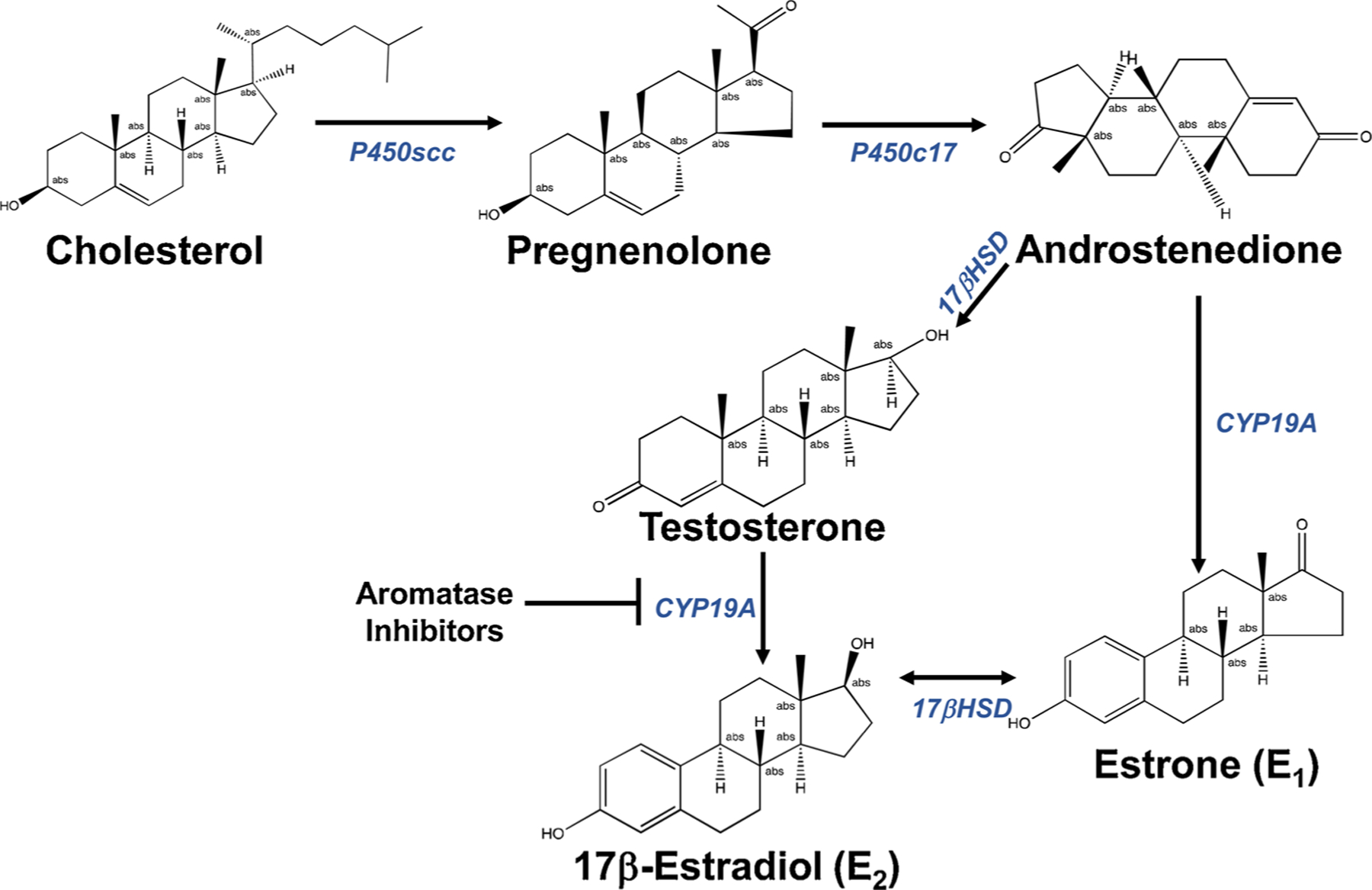
Fig. 1.
Fig. 1.. Simplified Biosynthetic Pathway for Estrogens.
Estrogen synthesis begins with conversion of cholesterol to pregnenolone in mitochondria. Through a series of steps, pregnenolone is converted into androstenedione, which is converted into testosterone and estrone (E1). Testosterone is then converted into 17β-estradiol (E2) through the action of aromatase (CYP19A). As also shown, CYP19A can be inhibited by various aromatase inhibitors for research purposes and for therapies. Chemical structures were generated from the ChemSpider webpage (http://www.chemspider.com).
Fig. 2.
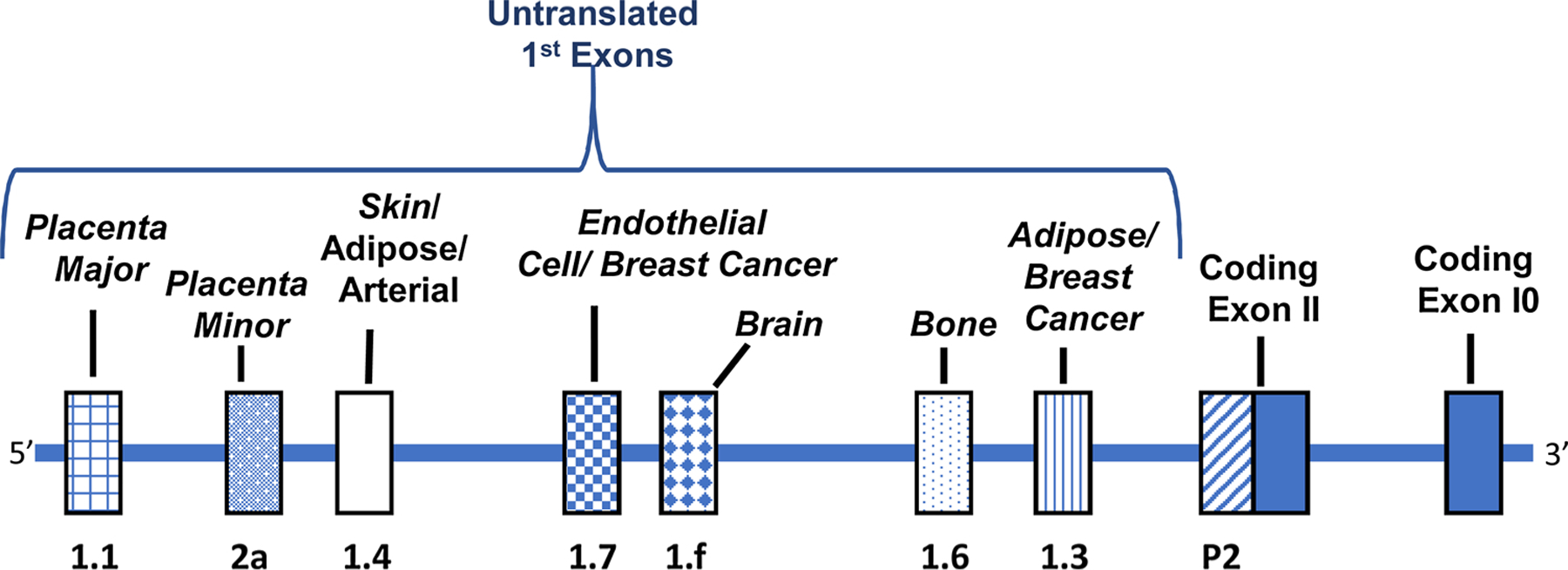
Fig. 2.. Partial Aromatase Gene Structure.
Tissue-specific promoters in untranslated first exons are responsible for tissue-specific transcripts of aromatase. Promoter 1.f is typically considered the brain-specific promoter; however, promoters 1.3 and 1.4 have also been reported to be expressed in the brain.
Fig. 3.
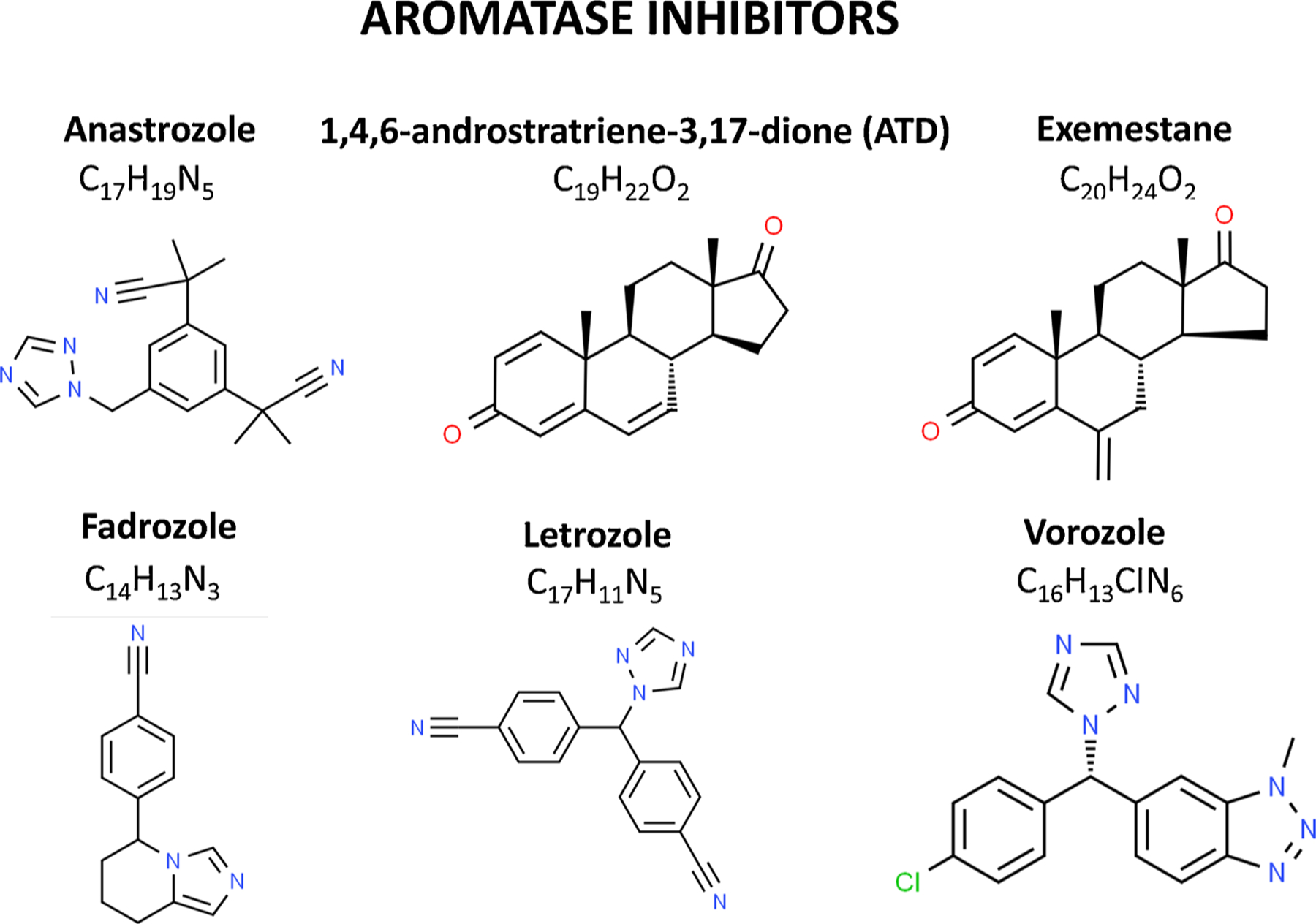
Fig. 3.. Primary aromatase inhibitors used to inhibit aromatase activity in the brain in animals and humans.
Chemical structures were generated from the ChemSpider webpage (http://www.chemspider.com).
Fig. 4.
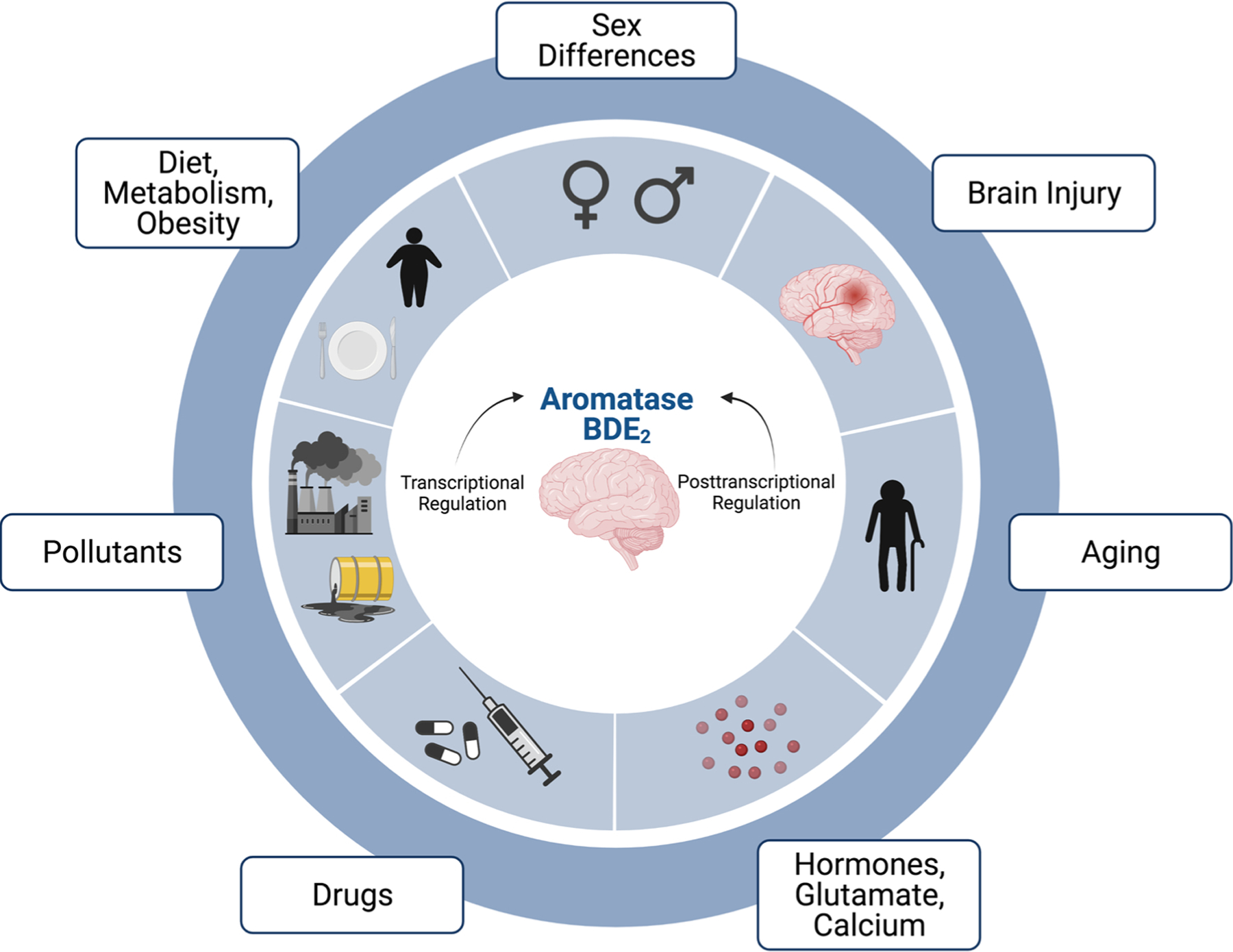
Fig. 4.. Summary diagram illustrating multiple processes and factors that have been implicated to regulate brain aromatase.
See text for full description and discussion. BDE2 = brain-derived 17β-estradiol. Created with BioRender.com.
Fig. 5.
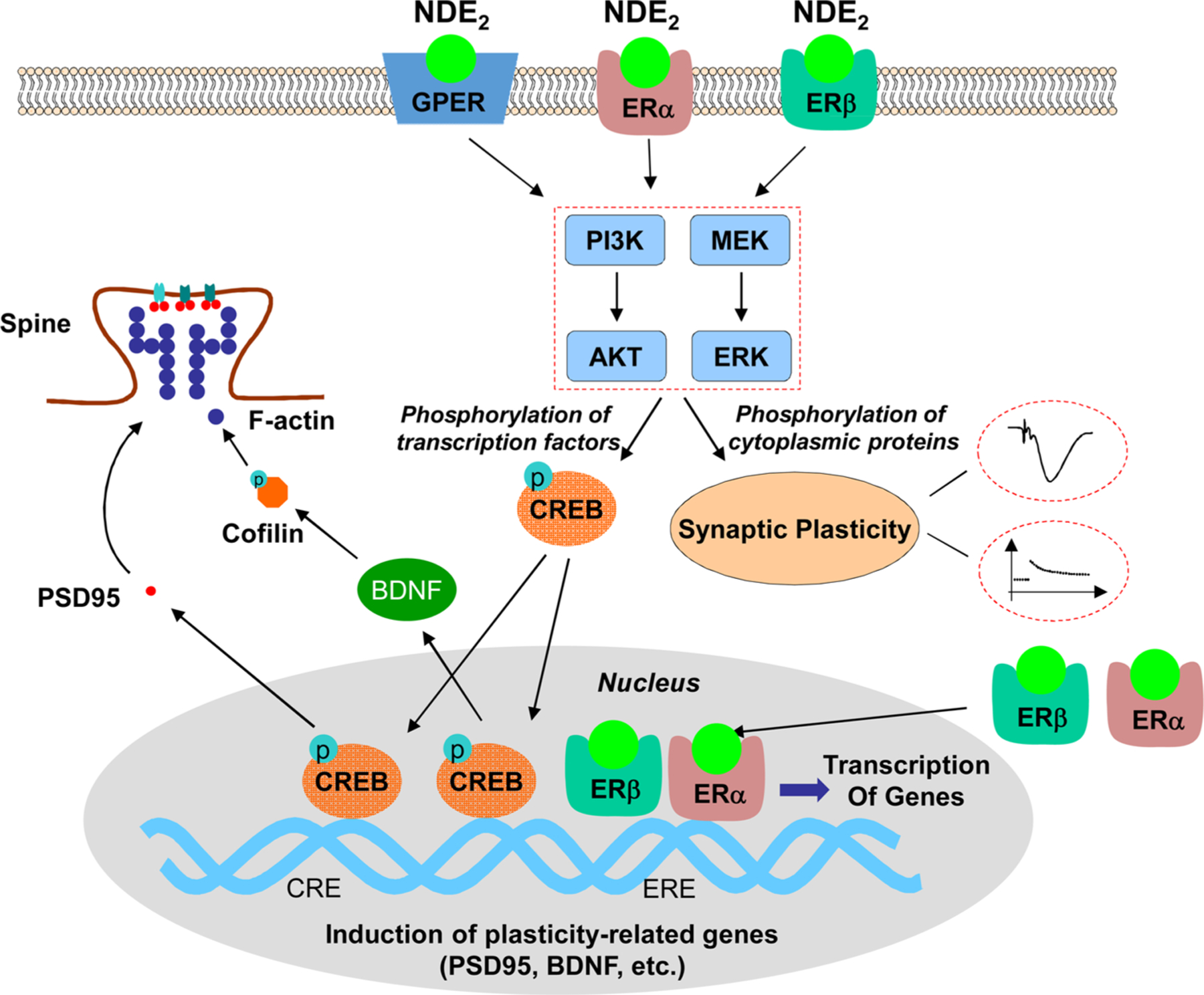
Fig. 5.. Schematic illustration of the potential mechanisms underlying neuron-derived E2 (NDE2) regulation of synaptic plasticity.
It is proposed that neuron-derived E2 (NDE2) regulates synaptic plasticity via both rapid and genomic signaling mechanisms. 1) Membrane localized estrogen receptors (estrogen receptor-α and β, ERα and ERβ, and G-protein coupled estrogen receptor-1, GPER1) can bind NDE2 and 2) the receptor bound NDE2 then induces rapid PI3K/AKT and MEK/ERK kinase signaling, which is capable of quickly shaping synaptic plasticity. In addition, the activated intracellular kinase signaling also phosphorylates the important transcriptional factor, CREB which further translocates into nucleus to facilitate the expressions of neurotrophic factor BDNF and synaptic protein PSD95. BDNF can also regulate synaptic plasticity by coupling to the rapid intracellular kinases. Moreover, BDNF signaling activates cofilin which is required for F-actin assembly and dendritic spine formation. Intracellular ERα and ERβ act in the genomic signaling pathway by transactivating estrogen response elements (ERE) in regulated genes and promoting genes transcription. CRE = cAMP response element.
Fig. 6.
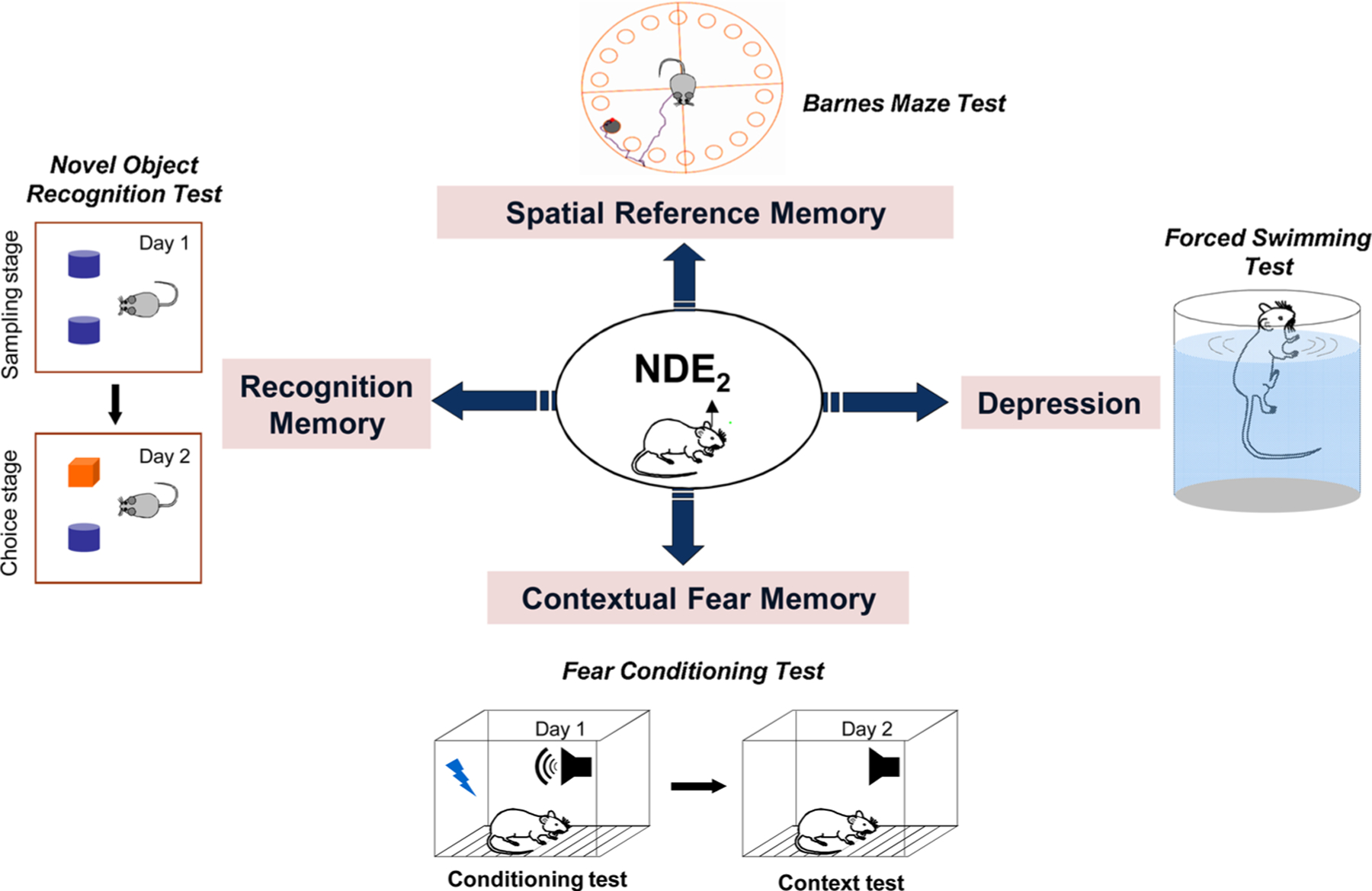
Fig. 6.. Cognitive functions regulated by neuron-derived E2 (NDE2) and the commonly used behavioral tests for rodent studies.
Neuron-derived E2 (NDE2) is critical for hippocampus-dependent spatial reference memory, which is often tested using the Barnes Maze test. Hippocampus-dependent recognition memory is another important cognitive function that is regulated by NDE2 and which can be assessed using the Novel Object Recognition Test (NORT). In addition, NDE2 was also demonstrated to regulate contextual, but not cued fear memory, which can be evaluated using Fearing Conditioning Test. Finally, NDE2 is essential to prevent depressive-like behavior in female mice, which can be tested with the Forced Swimming Test.
Fig. 7.
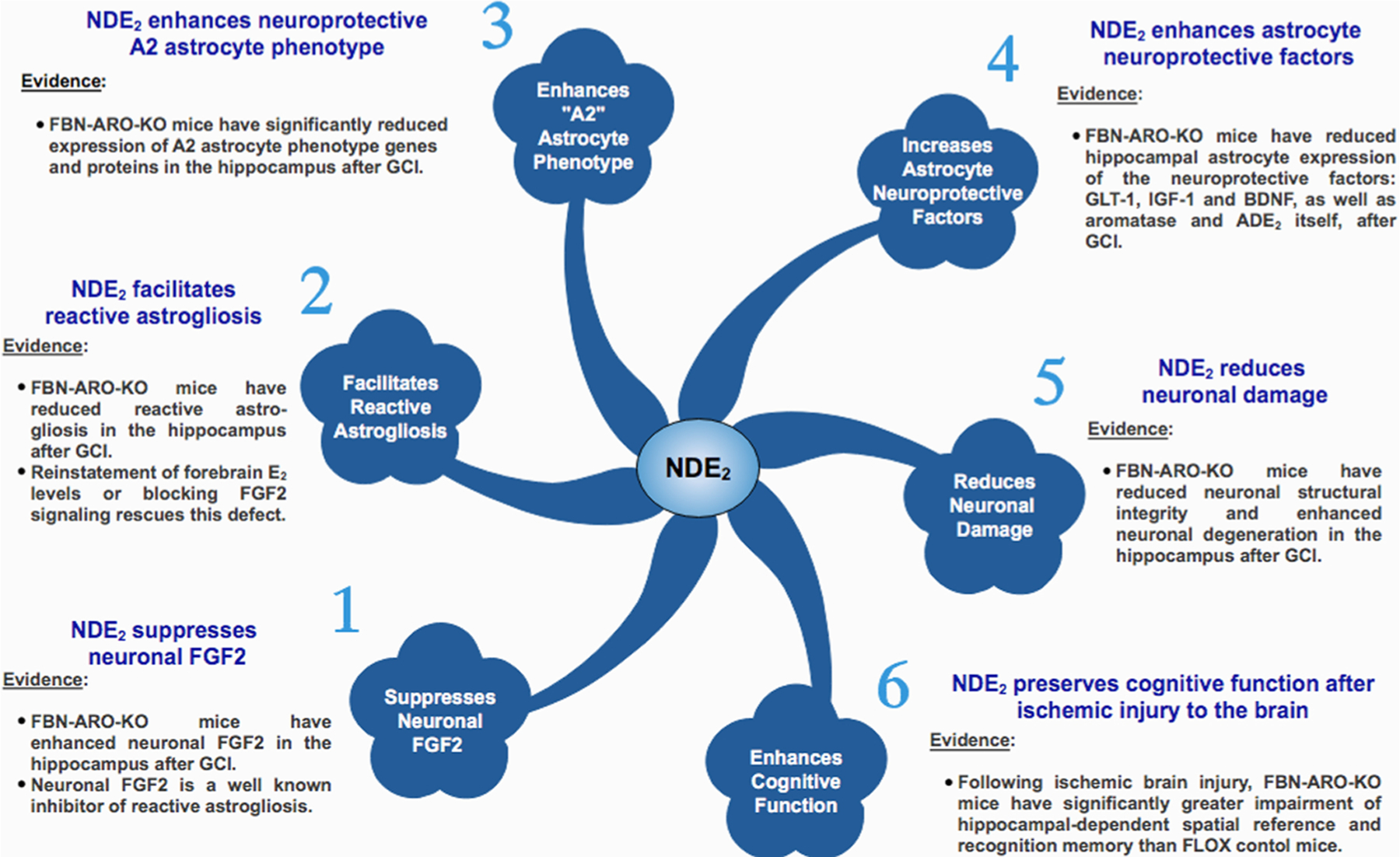
Fig. 7.. Proposed mechanisms underlying neuron-derived E2 (NDE2) neuroprotection in the ischemic brain.
See text for full description. FBN-ARO-KO: forebrain neuron-specific aromatase knockout.
Fig. 8.
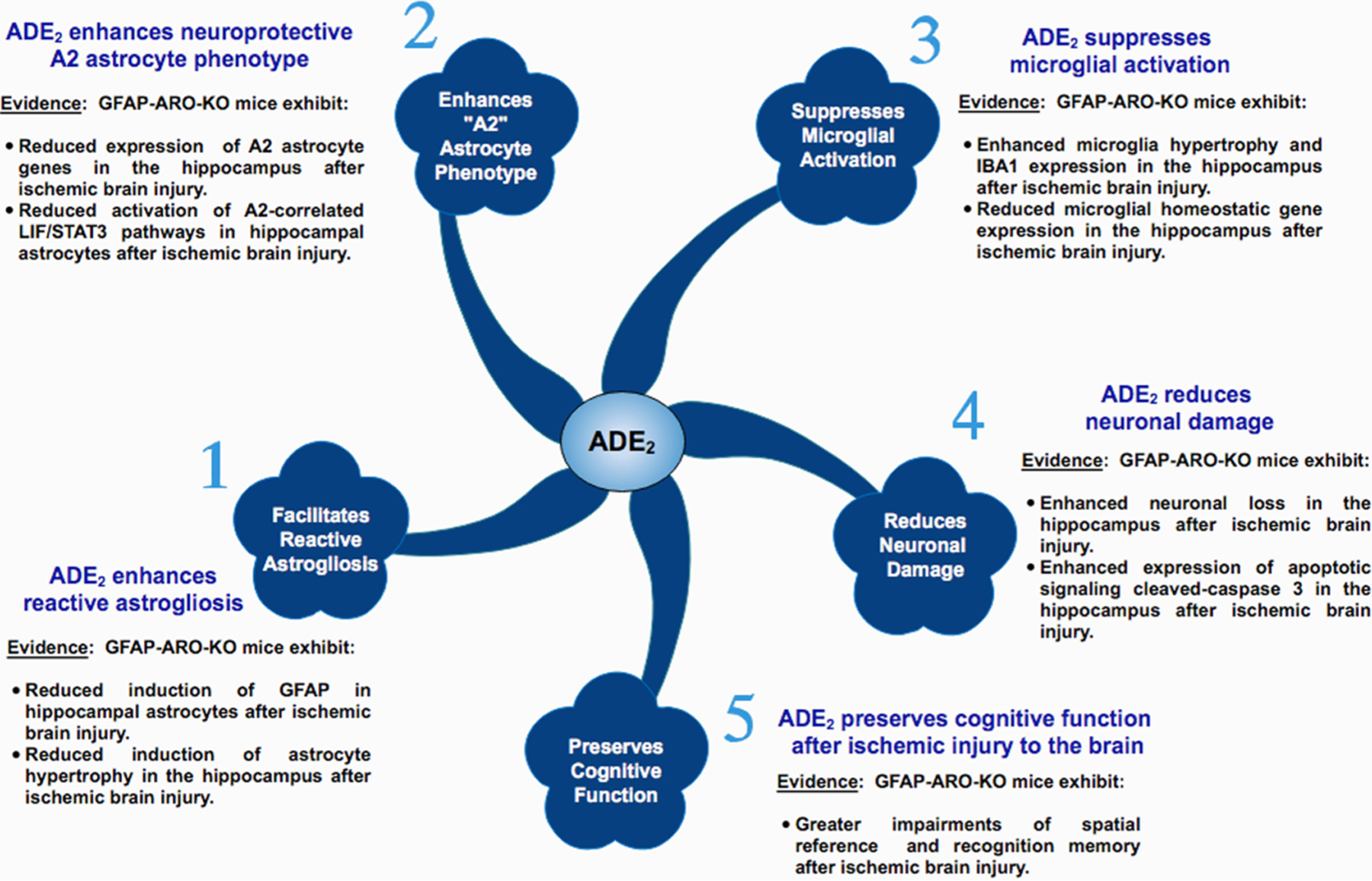
Fig. 8.. Proposed mechanisms underlying astrocyte-derived E2 (ADE2) neuroprotection in the ischemic brain.
See text for full description. GFAP-ARO-KO: astrocyte-specific aromatase knockout.

References

    1. Abdelgadir SE, Resko JA, Ojeda SR, Lephart ED, McPhaul MJ, Roselli CE, 1994. Androgens regulate aromatase cytochrome P450 messenger ribonucleic acid in rat brain. Endocrinology 135, 395–401. - PubMed
    1. Aloisi AM, Ceccarelli I, Fiorenzani P, Maddalena M, Rossi A, Tomei V, Sorda G, Danielli B, Rovini M, Cappelli A, Anzini M, Giordano A, 2010. Aromatase and 5-alpha reductase gene expression: modulation by pain and morphine treatment in male rats. Mol. Pain 6, 69. - PMC - PubMed
    1. Alward BA, de Bournonville C, Chan TT, Balthazart J, Cornil CA, Ball GF, 2016. Aromatase inhibition rapidly affects in a reversible manner distinct features of birdsong. Sci. Rep 6, 32344. - PMC - PubMed
    1. Amodio R, Esposito E, De Ruvo C, Bellavia V, Amodio E, Carruba G, 2006. Red wine extract prevents neuronal apoptosis in vitro and reduces mortality of transgenic mice. Ann. N. Y. Acad. Sci 1089, 88–97. - PubMed
    1. Arevalo MA, Azcoitia I, Garcia-Segura LM, 2015. The neuroprotective actions of oestradiol and oestrogen receptors. Nat. Rev. Neurosci 16, 17–29. - PubMed

Publication types