


Long-Term Outcomes after Neonatal Hypoxic-Ischemic Encephalopathy in the Era of Therapeutic Hypothermia: A Longitudinal, Prospective, Multicenter Case-Control Study in Children without Overt Brain Damage
- PMID: 34828791
- PMCID: PMC8625352
- DOI: 10.3390/children8111076
Long-Term Outcomes after Neonatal Hypoxic-Ischemic Encephalopathy in the Era of Therapeutic Hypothermia: A Longitudinal, Prospective, Multicenter Case-Control Study in Children without Overt Brain Damage
Abstract
Background: Data on long-term outcomes in the era before therapeutic hypothermia (TH) showed a higher incidence of cognitive problems. Since the introduction of TH, data on its results are limited.
Methods: Our sample population consisted of 40 children with a history of hypoxic-ischemic encephalopathy (HIE) treated with TH, with an average age of 6.25 years (range 5.5, 7.33), 24 (60%) males; and 33 peers with an average age of 8.8 years (6.08, 9.41), 17 (51%) males. Long-term follow-up data belong to two centers in Padova and Torino. We measured general intelligence (WPPSI-III or WISC-IV) and neuropsychological functioning (language, attention, memory, executive functions, social skills, visual motor abilities). We also administered questionnaires to their parents on the children's psychopathological profiles and parental stress.
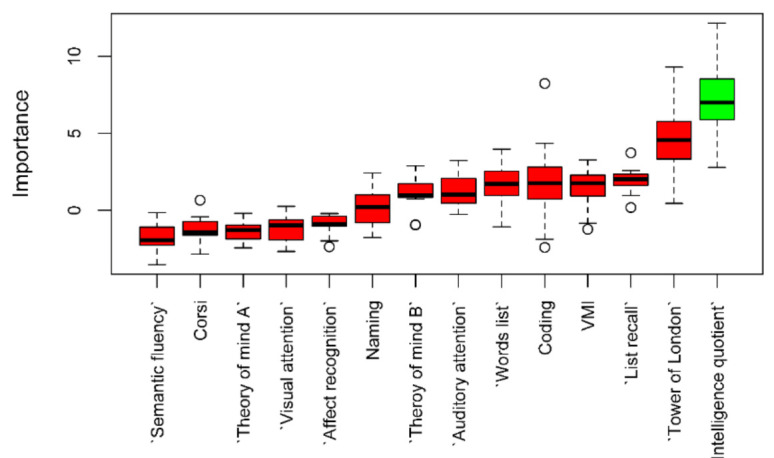
Results: We found differences between groups in several cognitive and neuropsychological domains: intelligence, visuomotor skills, executive functions, and attention. Interestingly, IQ test results effectively differentiated between the groups (HIE vs. controls). Furthermore, the incidence of psychopathology appears to be significantly higher in children with HIE (35%) than in control peers (12%).
Conclusions: Our study supports previous findings on a higher incidence of neuropsychological, cognitive, and psychopathological sequelae after HIE treated with TH. As hypothesized, TH does not appear to ameliorate the outcome after neonatal HIE in those children who survive without major sequelae.
Keywords: children; cognition; neuropsychological; perinatal asphyxia; psychopathology.
Conflict of interest statement
The authors declare no conflict of interest.
Figures
References
Grants and funding
LinkOut - more resources
Full Text Sources
Research Materials
