Review
. 2021 Nov 15;11(11):2112.
doi: 10.3390/diagnostics11112112.

Idiopathic Megacolon-Short Review

Affiliations
Review

Idiopathic Megacolon-Short Review

Adrian Constantin et al. Diagnostics (Basel). .

Abstract

Introduction: Idiopathic megacolon (IM) is a rare condition with a more or less known etiology, which involves management challenges, especially therapeutic, and both gastroenterology and surgery services. With insufficiently drawn out protocols, but with occasionally formidable complications, the condition management can be difficult for any general surgery team, either as a failure of drug therapy (in the context of a known case, initially managed by a gastroenterologist) or as a surgical emergency (in which the diagnostic surprise leads additional difficulties to the tactical decision), when the speed imposed by the severity of the case can lead to inadequate strategies, with possibly critical consequences.

Method: With such a motivation, and having available experience limited by the small number of cases (described by all medical teams concerned with this pathology), the revision of the literature with the update of management landmarks from the surgical perspective of the pathology appears as justified by this article.

Results: If the diagnosis of megacolon is made relatively easily by imaging the colorectal dilation (which is associated with initial and/or consecutive clinical aspects), the establishing of the diagnosis of idiopathic megacolon is based in practice almost exclusively on a principle of exclusion, and after evaluating the absence of some known causes that can lead to the occurrence of these anatomic and clinical changes, mimetically, clinically, and paraclinically, with IM (intramural aganglionosis, distal obstructions, intoxications, etc.). If the etiopathogenic theories, based on an increase in the performance of the arsenal of investigations of the disease, have registered a continuous improvement and an increase of objectivity, unfortunately, the curative surgical treatment options still revolve around the same resection techniques. Moreover, the possibility of developing a form of etiopathogenic treatment seems as remote as ever.

Keywords: etiopathogenic theories of idiopathic megacolon; idiopathic megacolon; surgical treatment.


Conflict of interest statement

The authors declare no conflict of interest.

Figures
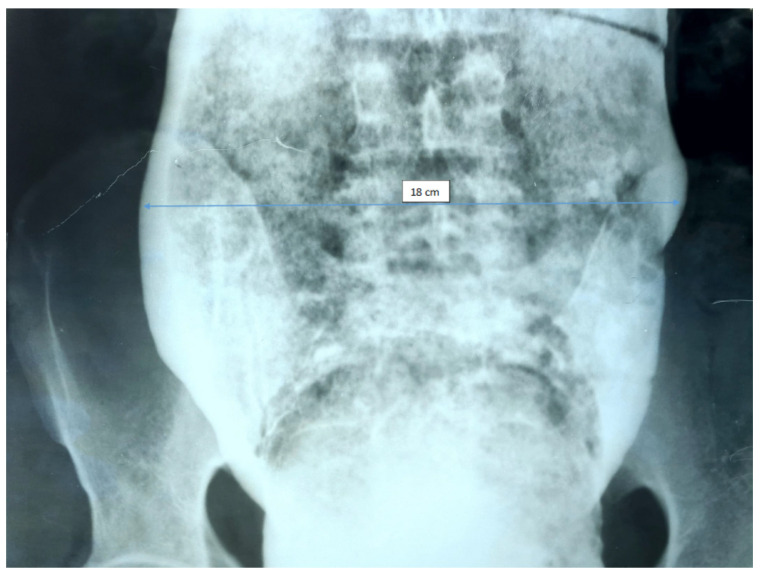
Figure 1
Figure 1
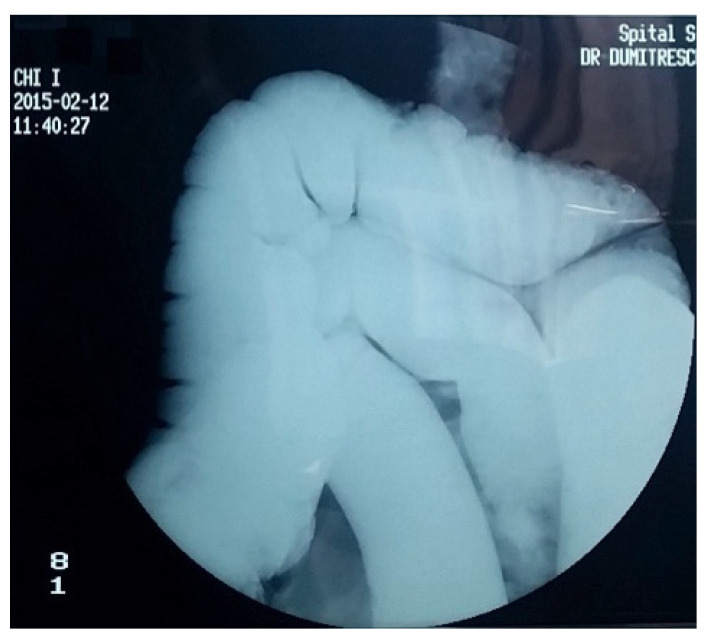
Irigographic examination—rectal evaluation sequence. Impressive dimensions of the rectum are found—about 18 cm diameter lumen, full of fecal matter, occupying the entire pelvis and compressing the adjacent viscera.
Figure 2
Figure 2
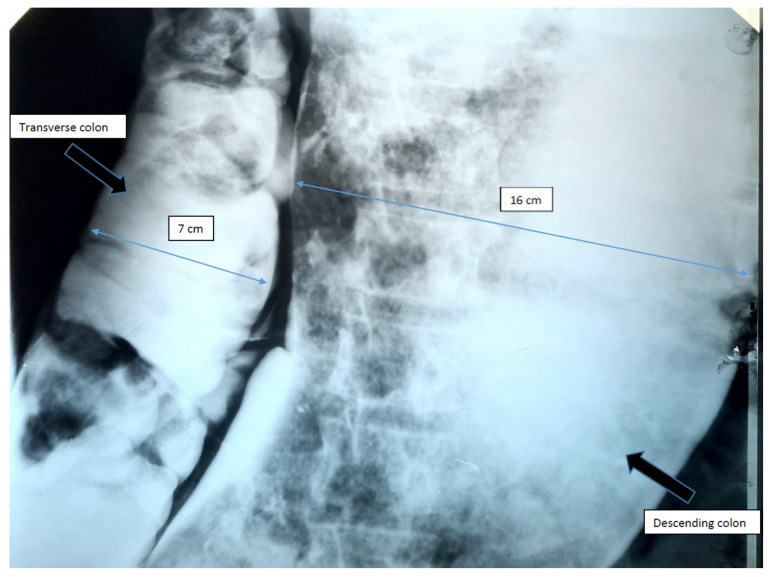
Irigographic examination—sequence. Monstrous segmental dilation located at the level of the descending colon and sigmoid is identified, the dimensional evaluation showing a lumen diameter of approximately 16 cm. It is noticeable the erasure of the haustrations and the envelopes of the colon, as well as numerous remains, organized in multiple faeces. Transverse colon slightly dilated, but with a caliber relatively within normal limits.
Figure 3
Figure 3
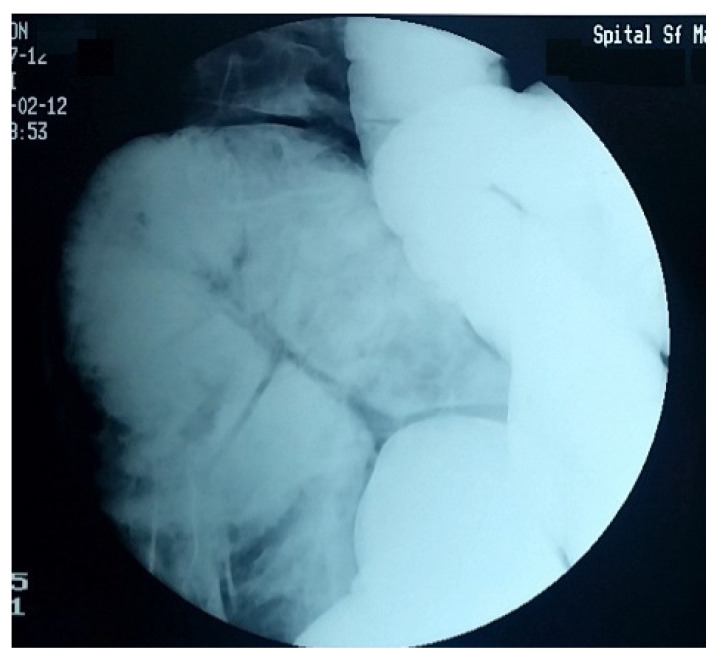
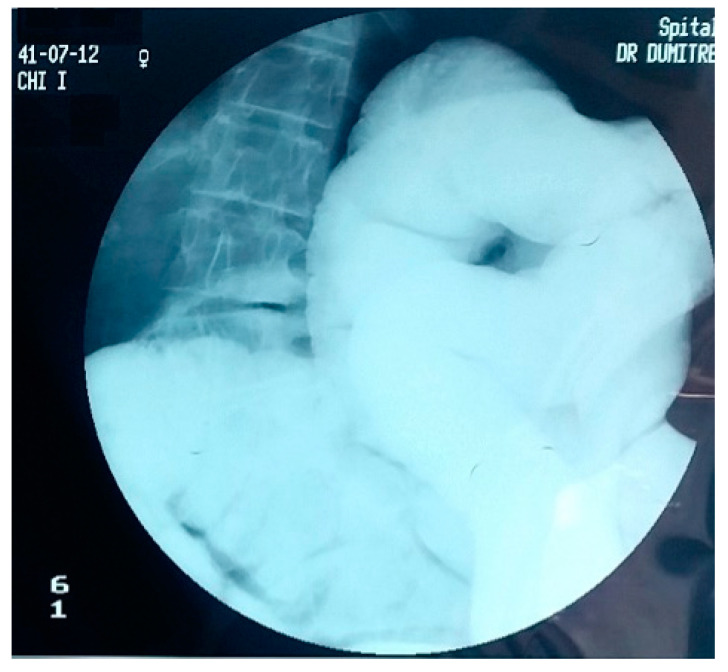
Colon with impressive length, with multiple volutes and important dilation.
Figure 4
Figure 4
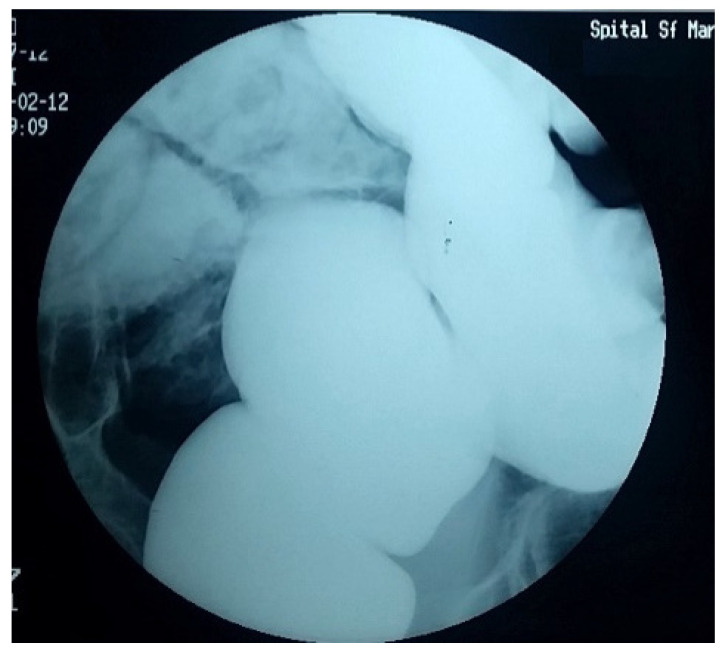
Barium enema. Colon with the deletion of the haustrations at the level of the descendant and the sigmoid.
Figure 5
Figure 5
Significant rectal dilation.
Figure 6
Figure 6
Significant reflux in the terminal ileum, which appears dilated, the consequence of transit disorders and fecal stasis in the colon.
Figure 7
Figure 7
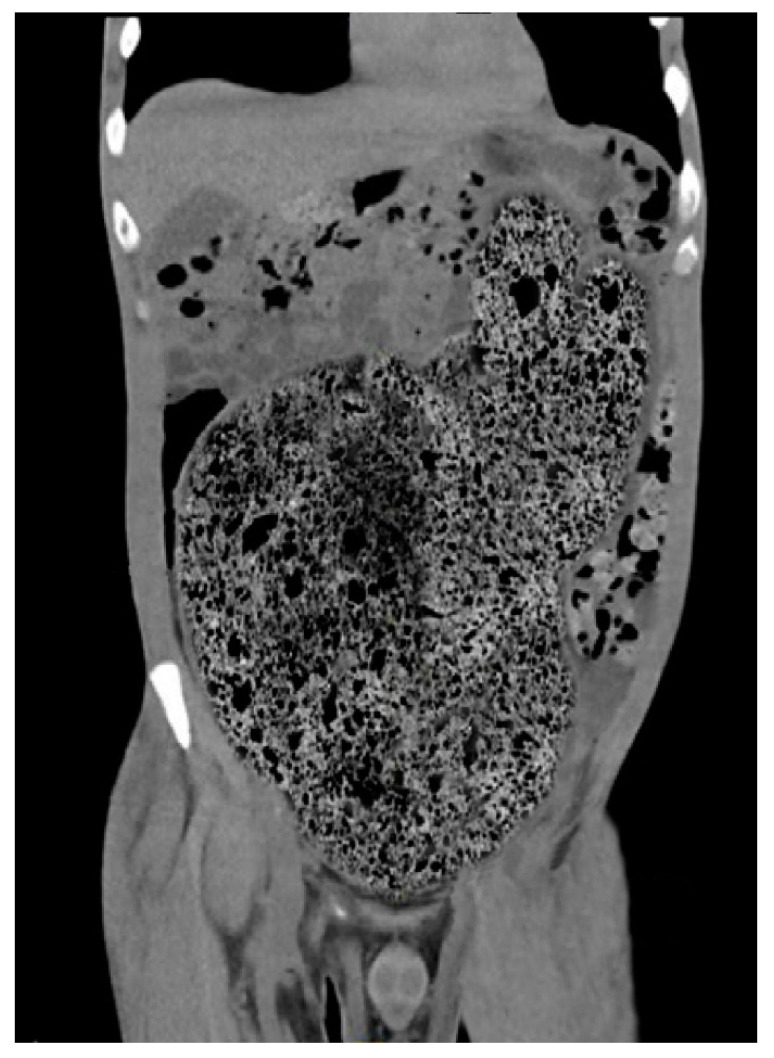
CT scan with idiopathic megarectum and megacolon.
Figure 8
Figure 8
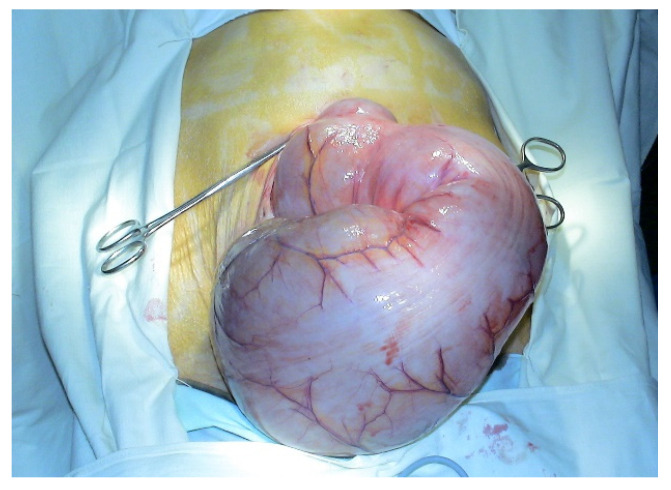
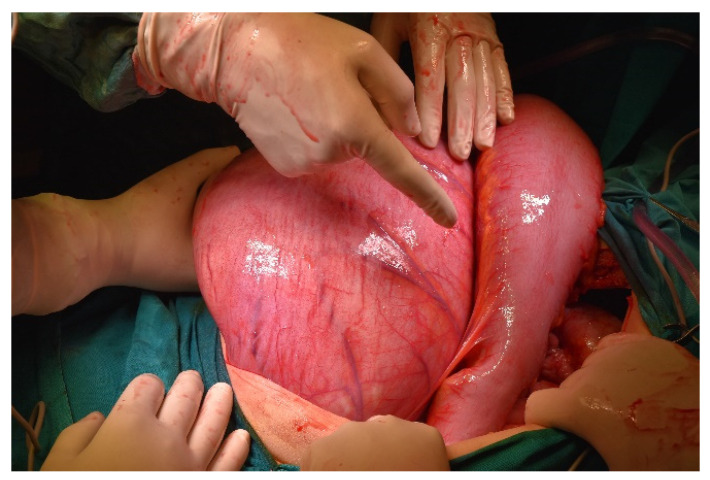
Intraoperative picture. Idiopathic megacolon, spectacular enlarged colon.
Figure 9
Figure 9
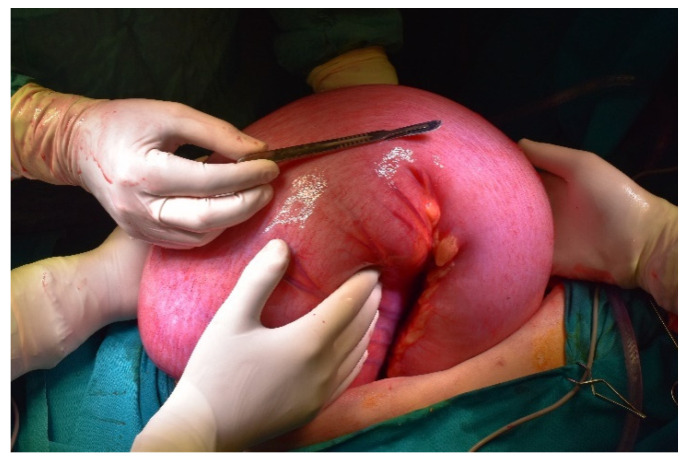
Intraoperative picture. Assessing the size of the colon.
Figure 10
Figure 10
Intraoperative picture. Intrabdominal adhesions.
Figure 11
Figure 11
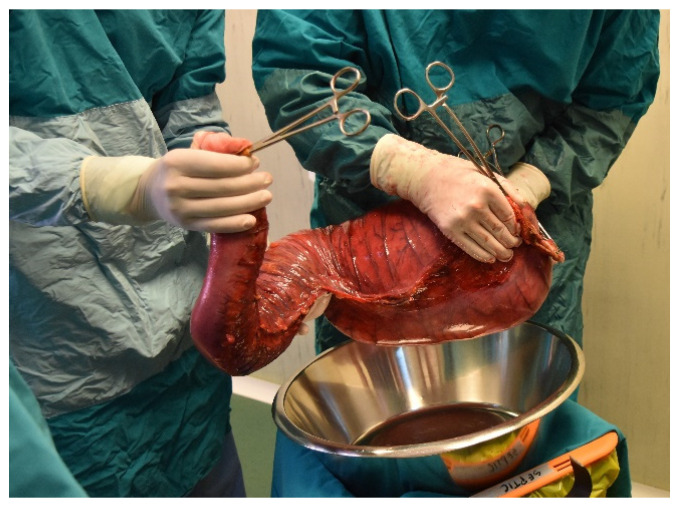
Intraoperative picture. Colon resection specimen.

References

    1. Yinghua L., Zhibao L., Weijue X., Jiangbin L., Xiong H. An unusual cause of idiopathic megacolon in a juvenile. Medicine. 2019;98:e16487. - PMC - PubMed
    1. Gladman M.A., Knowles C.H. Novel concepts in the diagnosis, pathophysiology and management of idiopathic megabowel. Color. Dis. 2008;10:531–538. doi: 10.1111/j.1463-1318.2007.01457.x. - DOI - PubMed
    1. Fransvea P., Cortese F. A case of idiopathic giant megacolon in an obese patientitle of image. Pan Afr. Med. J. 2018;31:206. doi: 10.11604/pamj.2018.31.206.16982. - DOI - PMC - PubMed
    1. Larentzakis A., Kalyva A., Kantas T., Michalopoulos N.V., Zografos C.G., Zografos G.C. Mega-megacolon: A case report. Int. J. Color. Dis. 2020;35:1615–1617. doi: 10.1007/s00384-020-03642-7. - DOI - PubMed
    1. Wang X.J., Camilleri M. Chronic Megacolon Presenting in Adolescents or Adults: Clinical Manifestations, Diagnosis, and Genetic Associations. Dig. Dis. Sci. 2019;64:2750–2756. doi: 10.1007/s10620-019-05605-7. - DOI - PMC - PubMed

LinkOut - more resources