


Structural and Functional Changes and Possible Molecular Mechanisms in Aged Skin
- PMID: 34830368
- PMCID: PMC8624050
- DOI: 10.3390/ijms222212489
Structural and Functional Changes and Possible Molecular Mechanisms in Aged Skin
Abstract
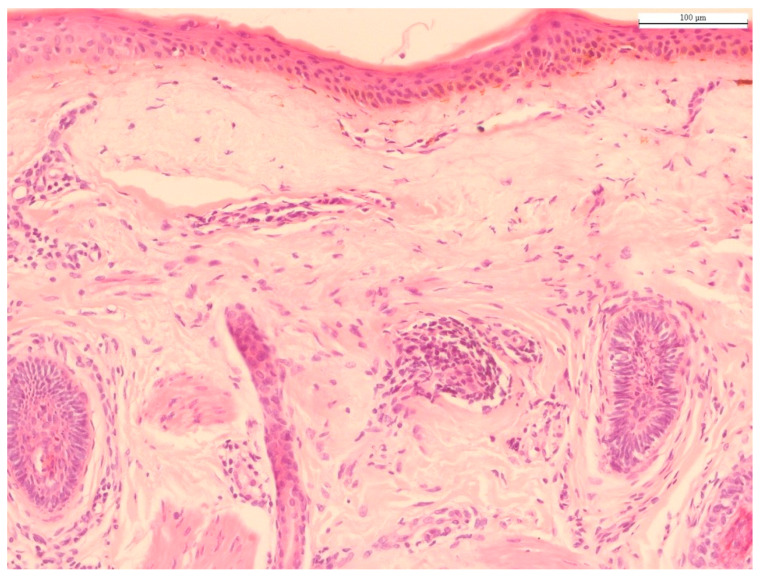
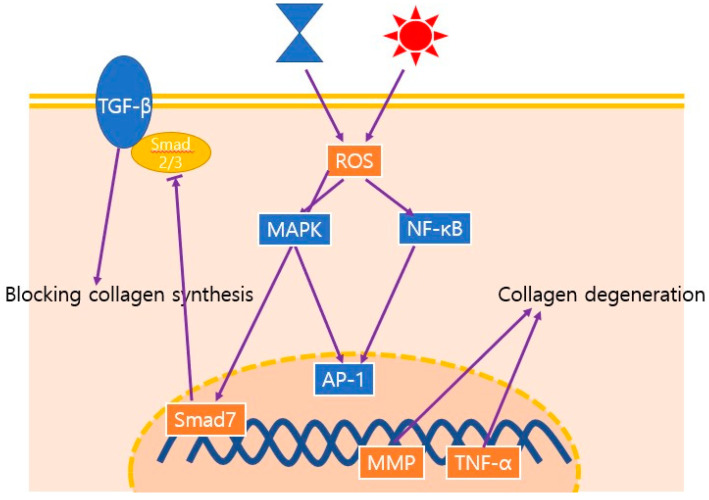
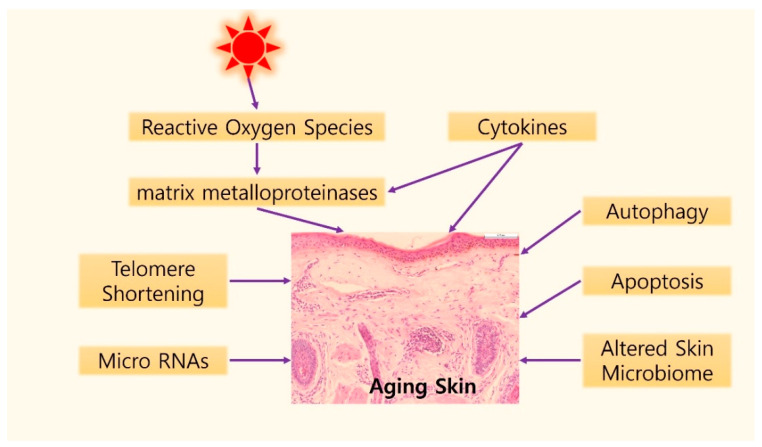
Skin aging is a complex process influenced by intrinsic and extrinsic factors. Together, these factors affect the structure and function of the epidermis and dermis. Histologically, aging skin typically shows epidermal atrophy due to decreased cell numbers. The dermis of aged skin shows decreased numbers of mast cells and fibroblasts. Fibroblast senescence contributes to skin aging by secreting a senescence-associated secretory phenotype, which decreases proliferation by impairing the release of essential growth factors and enhancing degradation of the extracellular matrix through activation of matrix metalloproteinases (MMPs). Several molecular mechanisms affect skin aging including telomere shortening, oxidative stress and MMP, cytokines, autophagic control, microRNAs, and the microbiome. Accumulating evidence on the molecular mechanisms of skin aging has provided clinicians with a wide range of therapeutic targets for treating aging skin.
Keywords: intrinsic aging; molecular mechanisms; photoaging; skin aging.
Conflict of interest statement
The authors declare no conflict of interest.
Figures
References
Publication types
MeSH terms
Substances
Grants and funding
LinkOut - more resources
Full Text Sources
Other Literature Sources
Medical
