


Surgical Treatment of "Large Uterine Masses" in Pregnancy: A Single-Center Experience
- PMID: 34831895
- PMCID: PMC8618779
- DOI: 10.3390/ijerph182212139
Surgical Treatment of "Large Uterine Masses" in Pregnancy: A Single-Center Experience
Abstract
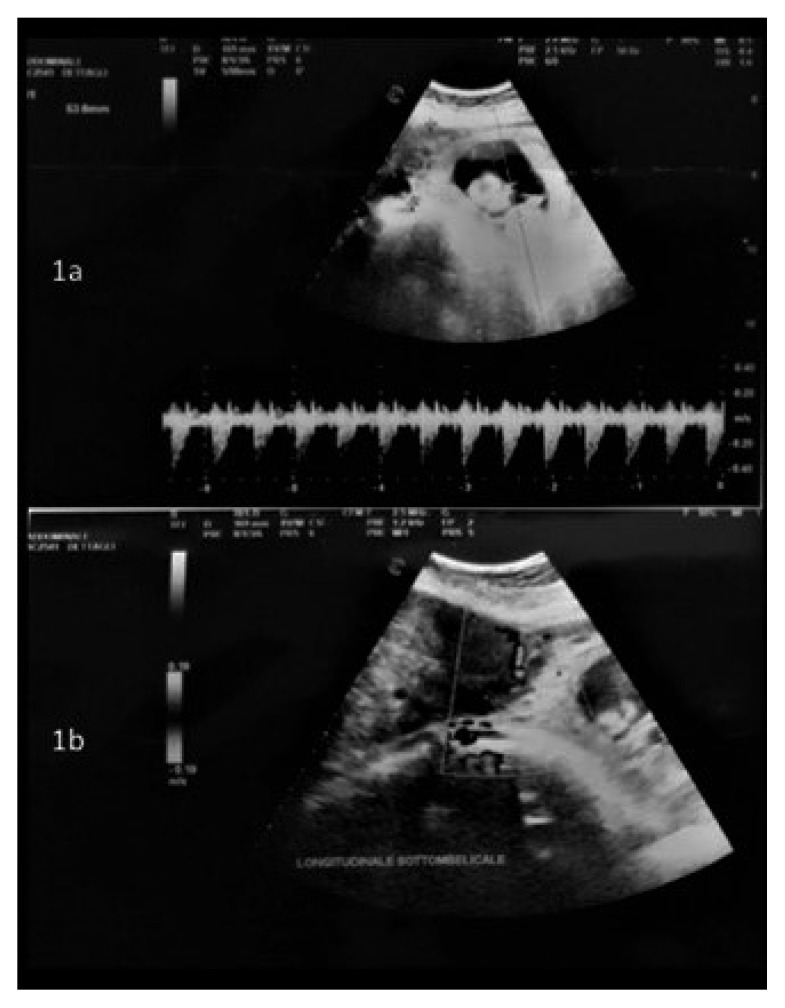
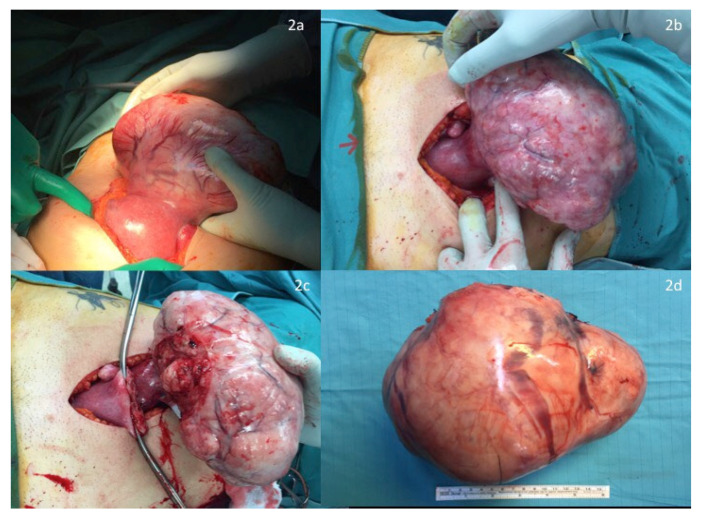
Uterine myomas or uterine fibroids are the most common benign uterine masses affecting women. The management of large myoma during pregnancy is challenging, and surgical treatment is a possible option. We report nine cases of pregnant women affected by uterine masses larger than 10 cm, who underwent surgical treatment during the second trimester of pregnancy. In all cases, the masses were preconceptionally unknown and diagnosed during the first trimester. In eight cases, no maternal and fetal complications arose during or after surgical treatment and delivery occurred at full term of pregnancy. In one case, spontaneous abortion was recorded. In all cases, histologic diagnosis demonstrated the benign nature. Women affected by large uterine masses diagnosed for the first time in pregnancy could be taken into consideration for surgical treatment in a referral center during the second trimester.
Keywords: large mass; myomectomy during pregnancy; obstetric complications; uterine myomas.
Conflict of interest statement
The authors declare no conflict of interest.
Figures
References
MeSH terms
LinkOut - more resources
Full Text Sources
Medical
