


Coffee Pulp, a By-Product of Coffee Production, Modulates Gut Microbiota and Improves Metabolic Syndrome in High-Carbohydrate, High-Fat Diet-Fed Rats
- PMID: 34832525
- PMCID: PMC8624503
- DOI: 10.3390/pathogens10111369
Coffee Pulp, a By-Product of Coffee Production, Modulates Gut Microbiota and Improves Metabolic Syndrome in High-Carbohydrate, High-Fat Diet-Fed Rats
Abstract
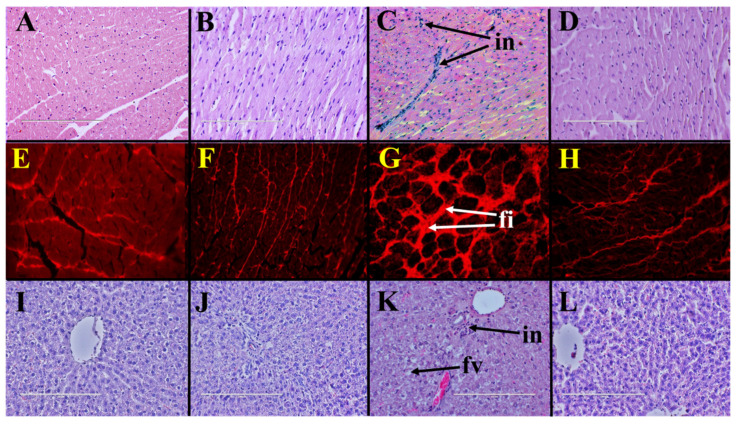
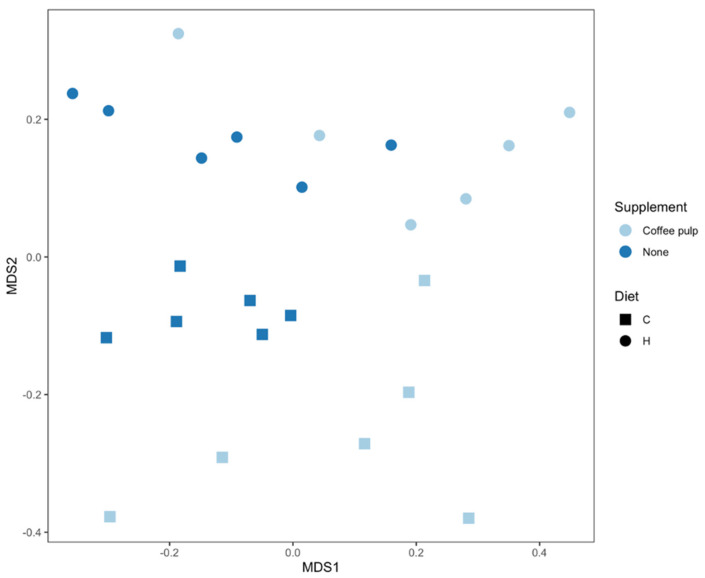
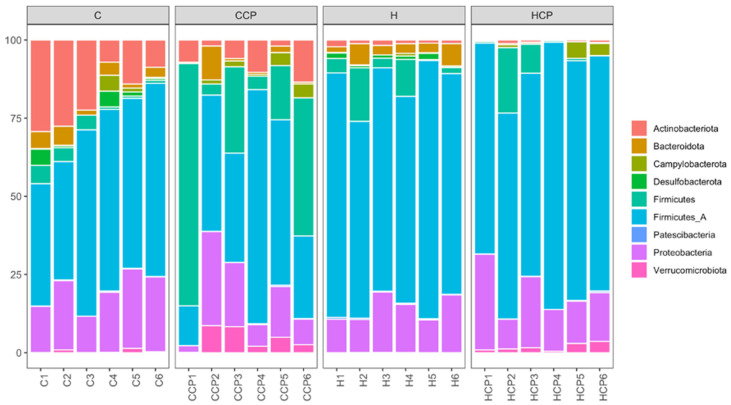
Waste from food production can be re-purposed as raw material for usable products to decrease industrial waste. Coffee pulp is 29% of the dry weight of coffee cherries and contains caffeine, chlorogenic acid, trigonelline, diterpenes and fibre. We investigated the attenuation of signs of metabolic syndrome induced by high-carbohydrate, high-fat diet in rats by dietary supplementation with 5% freeze-dried coffee pulp for the final 8 weeks of a 16-week protocol. Coffee pulp decreased body weight, feed efficiency and abdominal fat; normalised systolic blood pressure, left ventricular diastolic stiffness, and plasma concentrations of triglycerides and non-esterified fatty acids; and improved glucose tolerance in rats fed high-carbohydrate, high-fat diet. Further, the gut microbiota was modulated with high-carbohydrate, high-fat diet and coffee pulp supplementation and 14 physiological parameters were correlated with the changes in bacterial community structures. This study suggested that coffee pulp, as a waste from the coffee industry, is useful as a functional food for improving obesity-associated metabolic, cardiovascular and liver structure and function, and gut microbiota.
Keywords: chlorogenic acid; coffee pulp; gut microbiota; high-carbohydrate; high-fat; metabolic syndrome; obesity.
Conflict of interest statement
The authors declare no conflict of interest.
Figures
References
-
- ICO . Monthly Coffee Market Report (June 2021) International Coffee Organization; London, UK: 2021. [(accessed on 12 August 2021)]. Available online: https://www.ico.org/documents/cy2020-21/cmr-0621-e.pdf.
-
- Potts J., Lynch M., Wilkings A., Huppé G.A., Cunningham M., Voora V.A. Chapter 8. Coffee Market. In: Ilnyckyj R., Holmes D., Rickert E., editors. The State of Sustainability Initiatives Review: Standards and the Green Economy. International Institute for Sustainable Development; Winnipeg, MB, Canada: 2014. [(accessed on 12 August 2021)]. pp. 155–186. Available online: https://www.iisd.org/system/files/pdf/2014/ssi_2014.pdf.
-
- Banerjee S., Meghashree H.M., Haldar S. Coffee cultivation, processing and aroma: A detailed review. Acta Sci. Nutr. Health. 2019;3:14–18.
-
- Brando C.H.J. Harvesting and Green Coffee Processing. In: Wintgens J.N., editor. Coffee: Growing, Processing, Sustainable Production: A Guidebook for Growers, Processors, Traders, and Researchers. Wiley-VCH Verlag GmbH & Co. KGaA; Weinheim, Germany: 2004. pp. 604–715. - DOI
-
- Blinová L., Sirotiak M., Bartošová A., Soldán M. Review: Utilization of waste from coffee production. Res. Pap. Fac. Mat. Sci. Technol. Slovak Univ. Technol. 2017;25:91–101. doi: 10.1515/rput-2017-0011. - DOI
Grants and funding
LinkOut - more resources
Full Text Sources
Other Literature Sources
