


Resident and migratory adipose immune cells control systemic metabolism and thermogenesis
- PMID: 34837070
- PMCID: PMC8891307
- DOI: 10.1038/s41423-021-00804-7
Resident and migratory adipose immune cells control systemic metabolism and thermogenesis
Erratum in
-
Correction: Resident and migratory adipose immune cells control systemic metabolism and thermogenesis.Cell Mol Immunol. 2022 Apr;19(4):554. doi: 10.1038/s41423-022-00844-7. Cell Mol Immunol. 2022. PMID: 35217777 Free PMC article. No abstract available.
Abstract
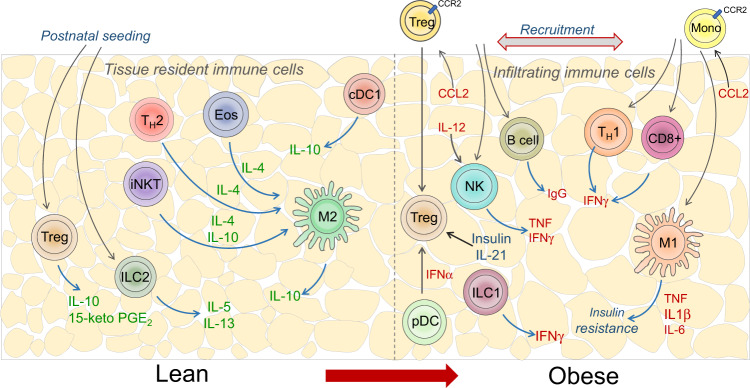
Glucose is a vital source of energy for all mammals. The balance between glucose uptake, metabolism and storage determines the energy status of an individual, and perturbations in this balance can lead to metabolic diseases. The maintenance of organismal glucose metabolism is a complex process that involves multiple tissues, including adipose tissue, which is an endocrine and energy storage organ that is critical for the regulation of systemic metabolism. Adipose tissue consists of an array of different cell types, including specialized adipocytes and stromal and endothelial cells. In addition, adipose tissue harbors a wide range of immune cells that play vital roles in adipose tissue homeostasis and function. These cells contribute to the regulation of systemic metabolism by modulating the inflammatory tone of adipose tissue, which is directly linked to insulin sensitivity and signaling. Furthermore, these cells affect the control of thermogenesis. While lean adipose tissue is rich in type 2 and anti-inflammatory cytokines such as IL-10, obesity tips the balance in favor of a proinflammatory milieu, leading to the development of insulin resistance and the dysregulation of systemic metabolism. Notably, anti-inflammatory immune cells, including regulatory T cells and innate lymphocytes, protect against insulin resistance and have the characteristics of tissue-resident cells, while proinflammatory immune cells are recruited from the circulation to obese adipose tissue. Here, we review the key findings that have shaped our understanding of how immune cells regulate adipose tissue homeostasis to control organismal metabolism.
Keywords: adipose tissue; immune cells; metabolism.
© 2021. The Author(s).
Conflict of interest statement
The authors declare no competing interests.
Figures
References
-
- Theret M, Mounier R, Rossi F. The origins and non-canonical functions of macrophages in development and regeneration. Development. 2019;146:dev156000. 10.1242/dev.156000. - PubMed
Publication types
MeSH terms
LinkOut - more resources
Full Text Sources
