


Experiences of Ethnic Discrimination Among US Hispanics: Intersections of Language, Heritage, and Discrimination Setting
- PMID: 34840361
- PMCID: PMC8622792
- DOI: 10.1016/j.ijintrel.2021.08.006
Experiences of Ethnic Discrimination Among US Hispanics: Intersections of Language, Heritage, and Discrimination Setting
Abstract
Background: Informed by Latino Critical Race Theory, the present study examined how intersections between English use/proficiency, Spanish use/proficiency, and heritage group shape the varying experiences of ethnic discrimination reported by US Hispanic adults.
Methods: The study utilized data from 7,037 Hispanic adults from the 2012-2013 National Epidemiologic Survey on Alcohol and Related Conditions-III. Multivariable binomial logistic regression modeled language use/proficiency, heritage, and demographic characteristics as predictors of past-year self-reported perceived ethnic discrimination, overall and in six different settings.
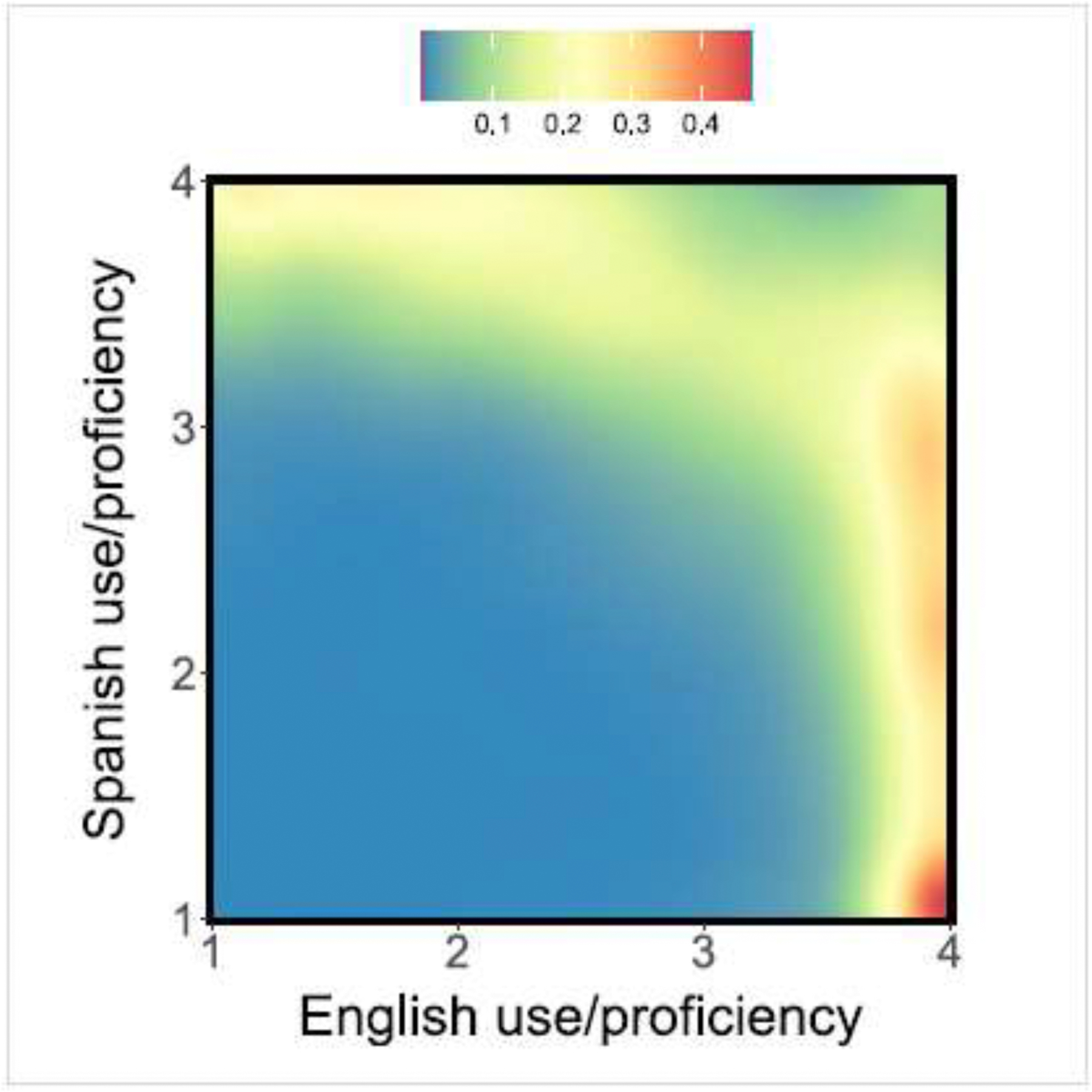
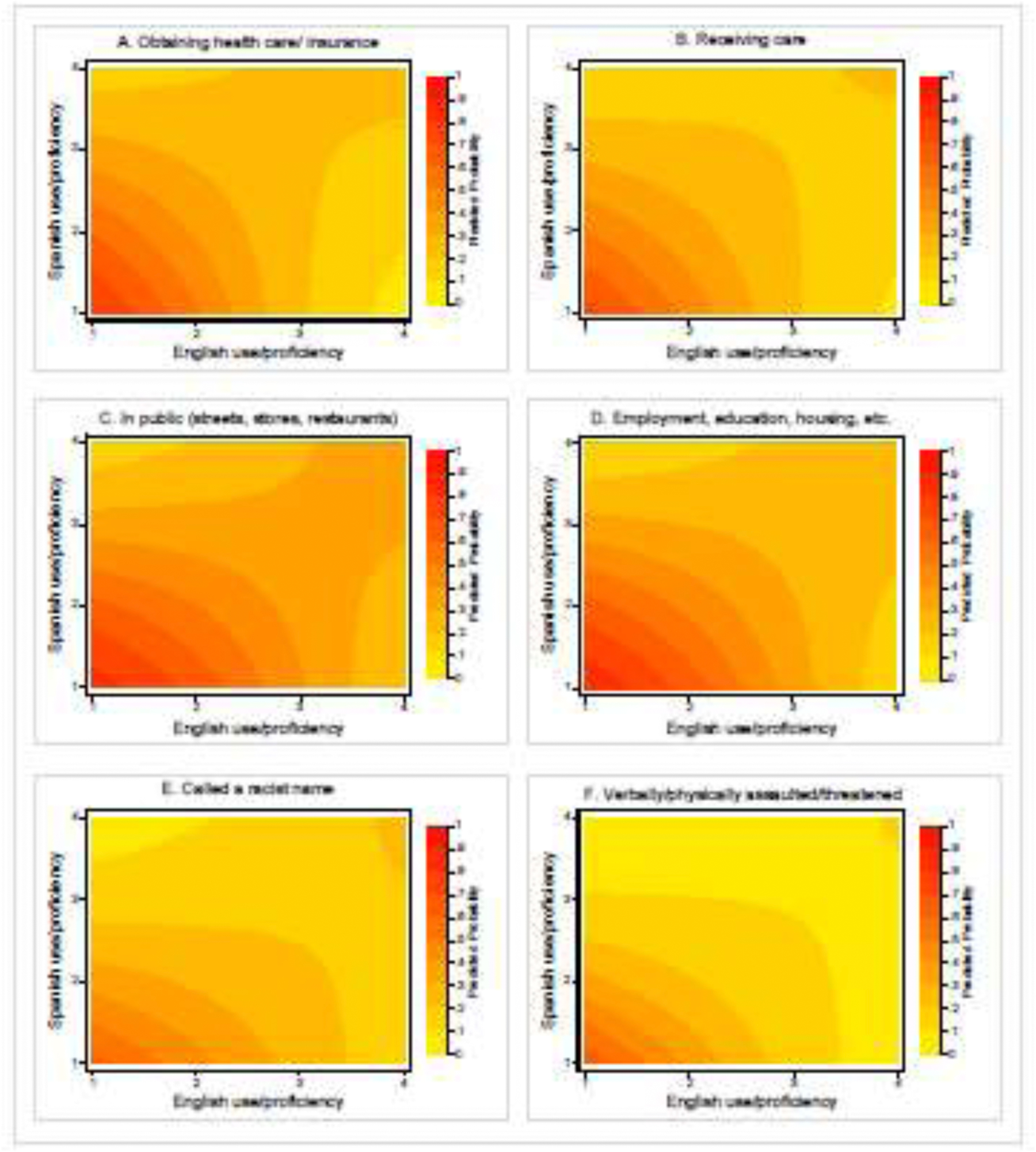
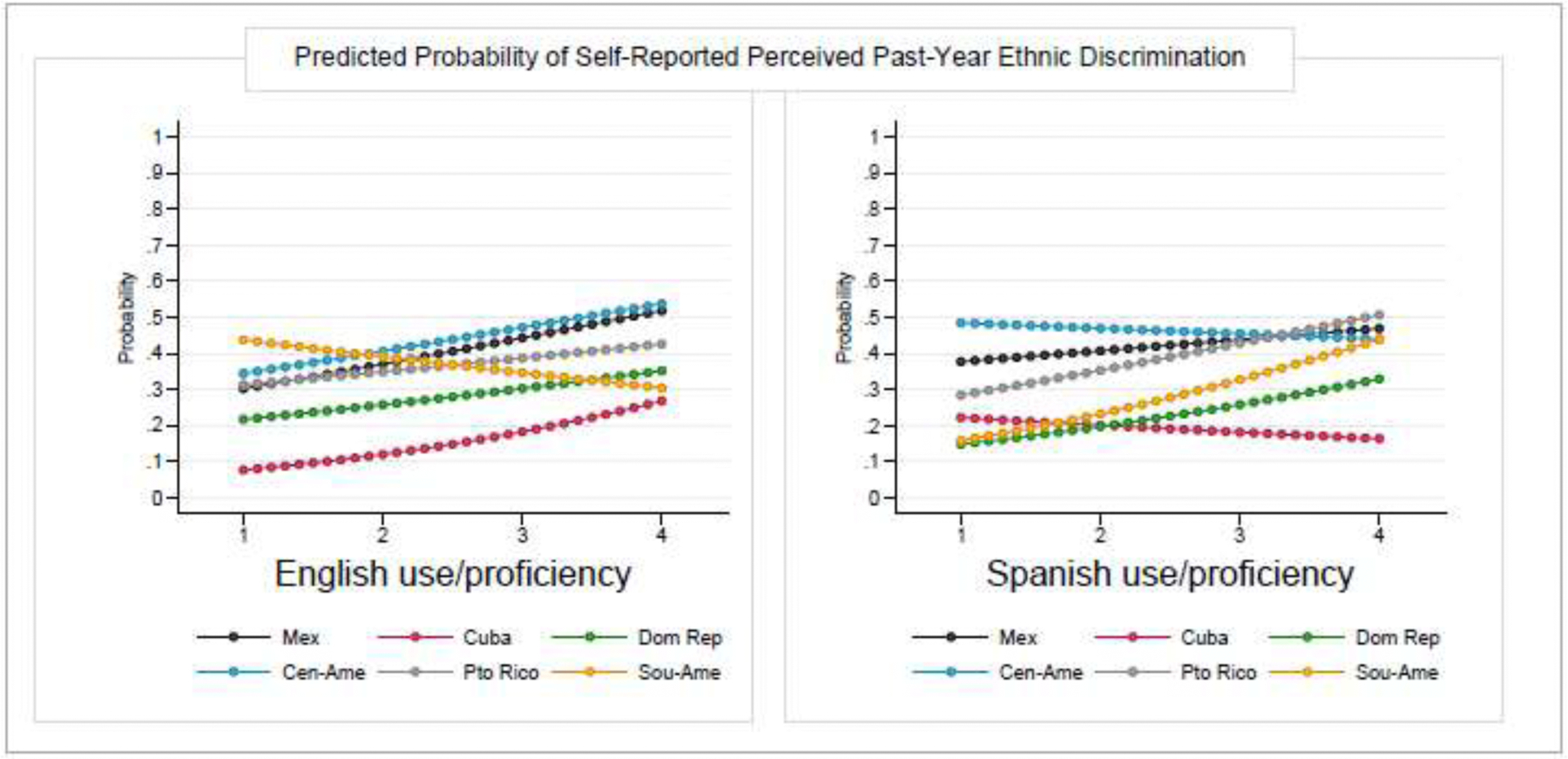
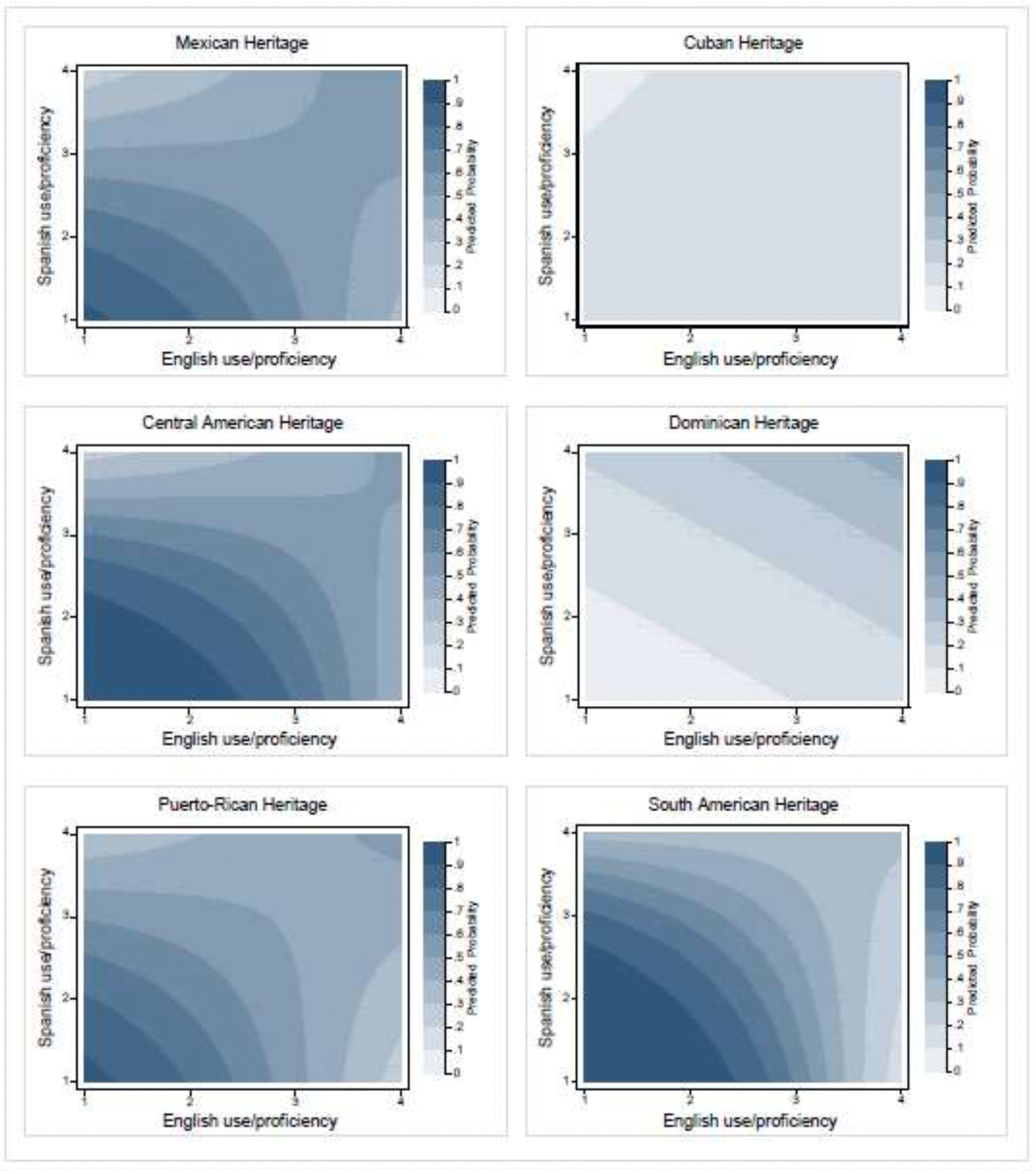
Results: Both English and Spanish use/proficiency were positively associated with increased adjusted odds of reporting ethnic discrimination overall, in public, or with respect to employment/education/ housing/courts/police; however, with respect to being called a racist name or receiving verbal/physical threats/assaults, a positive association was observed for English, yet not Spanish. Results also indicated a significant interaction between English use/proficiency and Spanish use/proficiency when predicting past-year ethnic discrimination overall or for any of the six types/settings examined, although the relationship between language use/proficiency and ethnic discrimination varied by Hispanic heritage group.
Conclusion: Study findings emphasize that experiencing some form of ethnic discrimination is relatively common among US Hispanic adults, yet the prevalence and types or settings of ethnic discrimination vary widely on the basis of demographics, immigrant generation, heritage, and the interplay between English and Spanish use/proficiency.
Keywords: Hispanic adults; ethnic/racial discrimination; language use/proficiency.
Conflict of interest statement
Declarations of Competing Interest: None.
Figures
References
-
- Aguilera J. (2020, August 3). One Year After Mass Shooting, El Paso Residents Grapple With White Supremacy: ‘It Was There the Whole Time.’ Time. https://time.com/5874088/el-paso-shooting-racism/
-
- Alamilla SG, Kim BSK, & Lam NA (2010). Acculturation, enculturation, perceived racism, minority status stressors, and psychological symptomatology among Latino/as. Hispanic Journal of Behavioral Sciences, 32(1), 55–76. 10.1177/0739986309352770 - DOI
-
- Alba R, & Nee V. (2003). Remaking the American mainstream: Assimilation and contemporary immigration. Harvard University Press.
-
- Araujo-Dawson B. (2015). Understanding the complexities of skin color, perceptions of race, and discrimination among Cubans, Dominicans, and Puerto Ricans. Hispanic Journal of Behavioral Sciences, 37(2), 243–256. 10.1177/0739986314560850 - DOI
Grants and funding
LinkOut - more resources
Full Text Sources
Miscellaneous