


Characteristics of maternal depression and children's functioning: A meta-analytic review
- PMID: 34843324
- PMCID: PMC9157221
- DOI: 10.1037/fam0000940
Characteristics of maternal depression and children's functioning: A meta-analytic review
Abstract
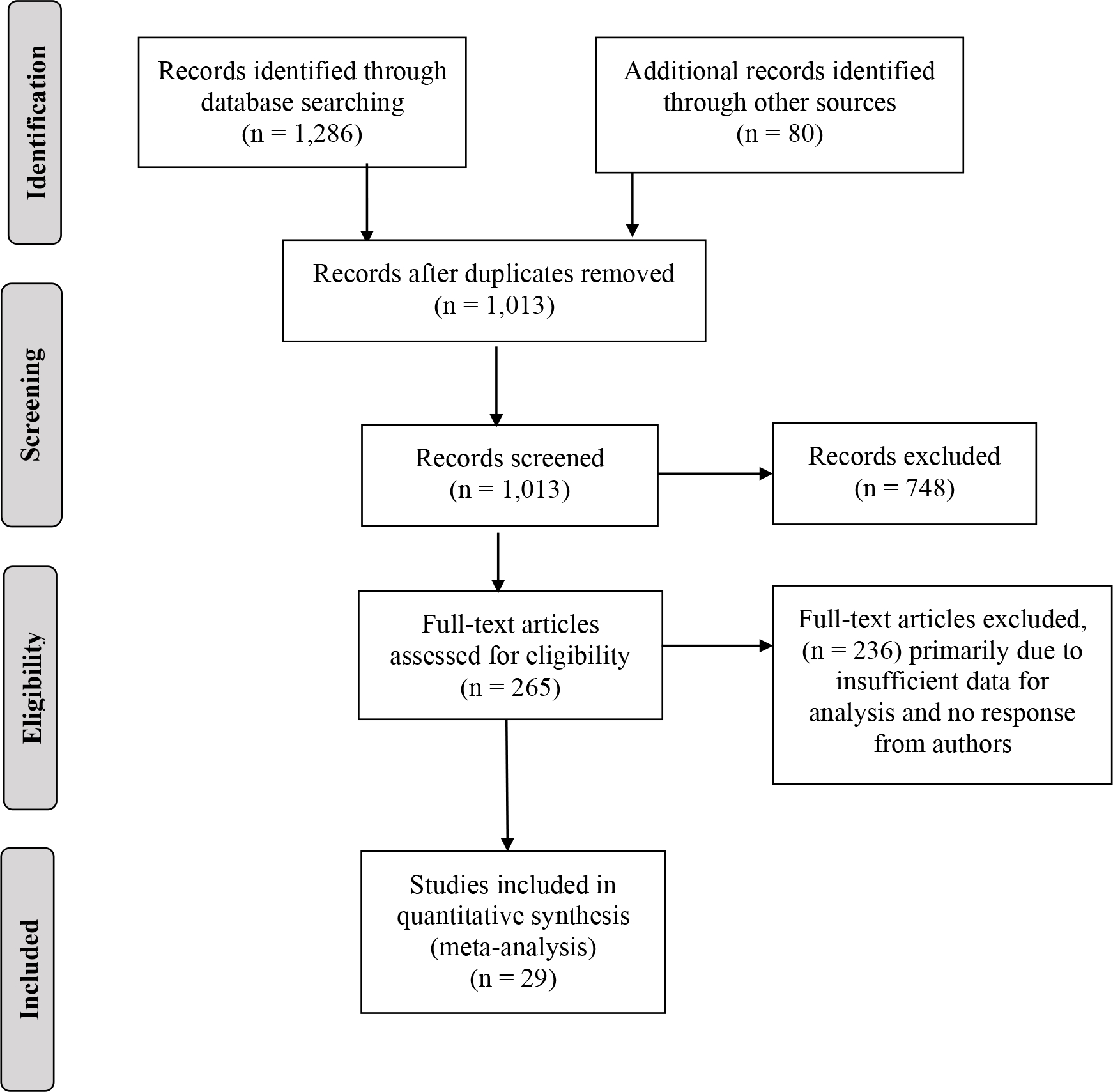
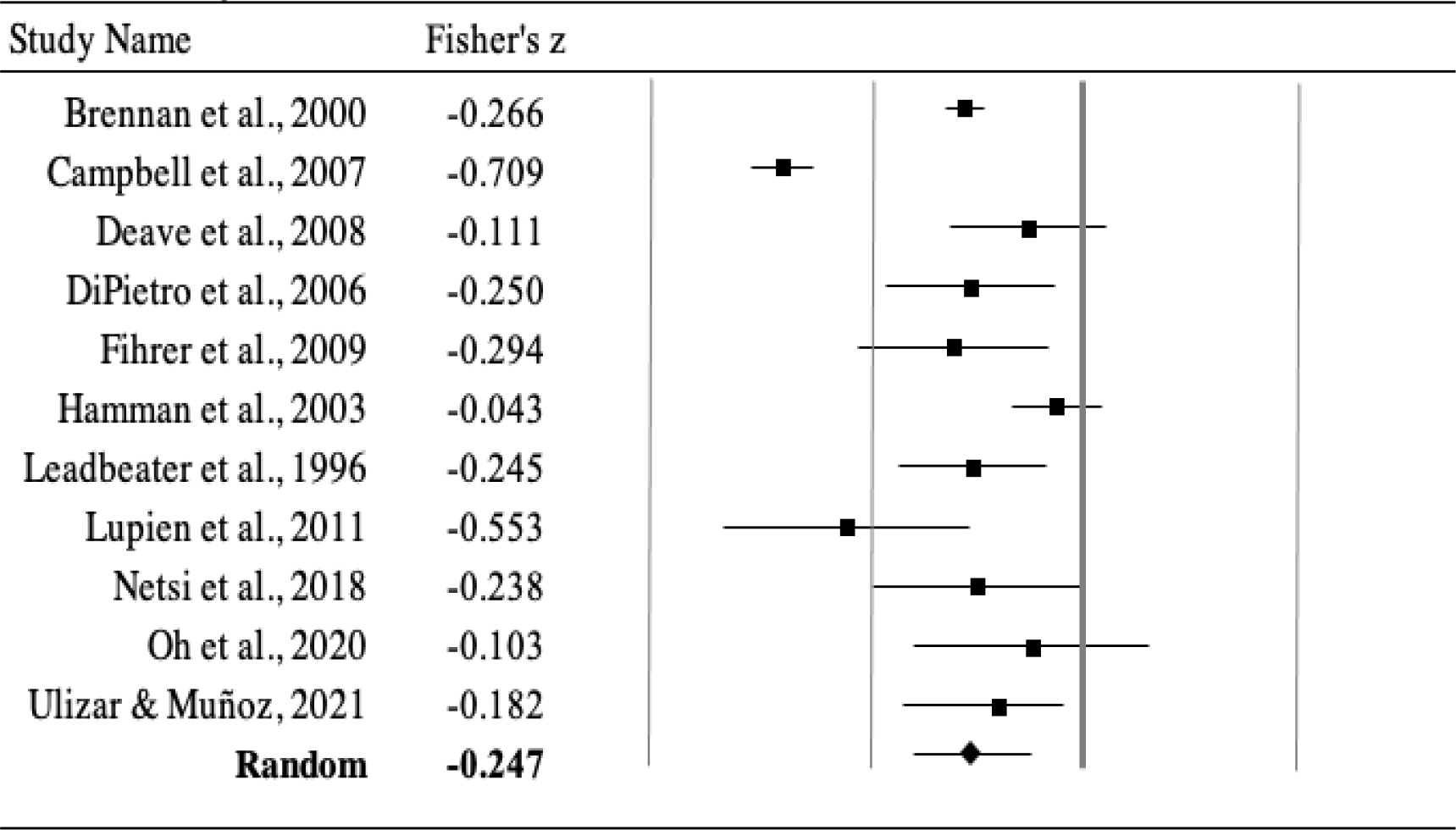
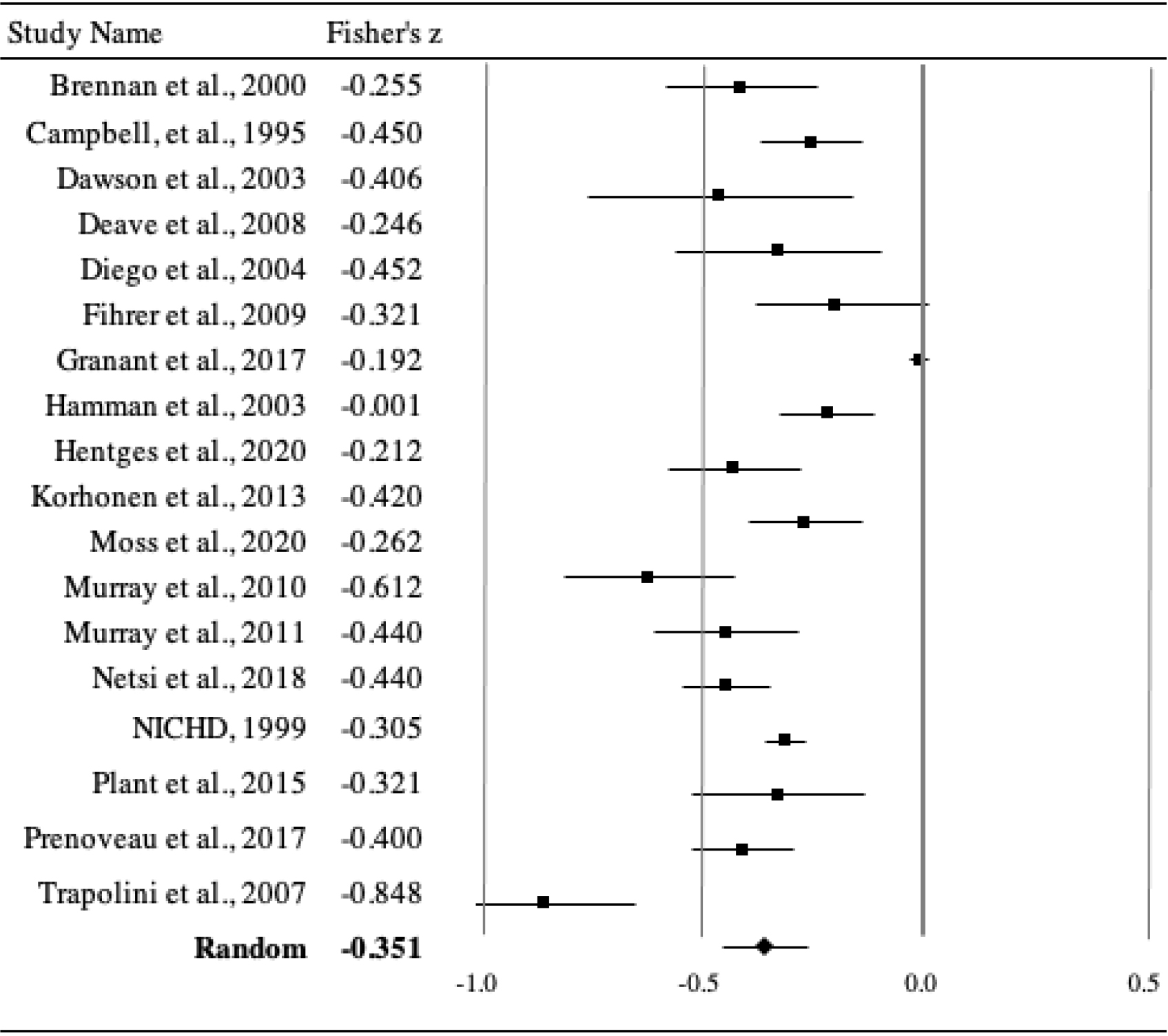
Maternal depression is associated with cognitive, emotional, and behavioral problems in offspring, but the substantial heterogeneity of depression precludes a full understanding of these associations. Variation in course of depression, characterized by severity or chronicity, may be related differentially to children's development. The current meta-analytic review examined the relations of these characteristics of maternal depression to children's developmental outcomes. Twenty-nine studies were identified and reviewed; the majority (93%) of studies reported a negative association between some aspect of maternal depression and children's adjustment. Separate meta-analyses revealed significant effect sizes for severity (Fisher's z = -.243) and chronicity (adjusted Fisher's z = -.337) of maternal depression and children's cognitive or behavioral functioning. Findings are synthesized across features of maternal depression; methodological limitations within the empirical literature are discussed; and recommendations for future research are suggested. (PsycInfo Database Record (c) 2022 APA, all rights reserved).
Figures
References
-
- Achenbach TM, Rescorla LA, & Maruish ME (2014). The Achenbach system of empirically based assessment (ASEBA) for ages 1.5 to 18 years. The use of psychological testing for treatment planning and outcomes assessment, 2, 179–213. Routledge.
-
- Bagner DM, Pettit JW, Lewinsohn PM, Seeley JR, & Jaccard J (2013). Disentangling the temporal relationship between parental depressive symptoms and early child behavior problems: A transactional framework. Journal of Clinical Child & Adolescent Psychology, 42(1), 78–90. doi: 10.1080/15374416.2012.715368 - DOI - PMC - PubMed
