Mining-Associated Malaria Epidemics
- PMID: 34844214
- PMCID: PMC8733498
- DOI: 10.4269/ajtmh.21-0747
Mining-Associated Malaria Epidemics
Abstract
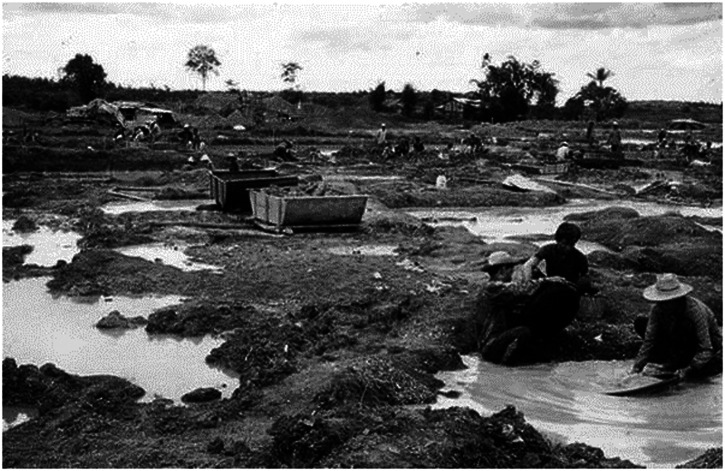
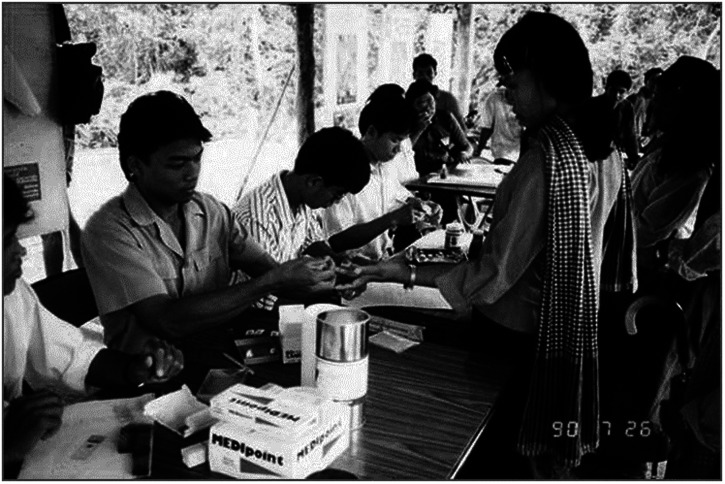
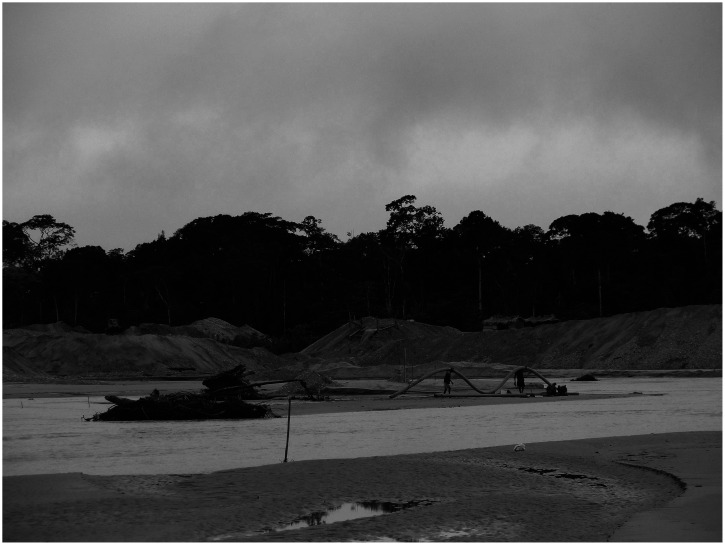
Tropical alluvial gold and gem miners are often an especially at-risk population for malaria infection. Geographical areas of mining-associated malaria epidemics in the recent past include Southeast Asia (Cambodia, Thailand, and Myanmar); the Amazon basin (Brazil, French Guyana, Suriname, Columbia, and Peru); and tropical Africa. Mobile populations of young adult men engaged in the hard labor of mining may experience severe malaria especially if they lack preexisting immunity and are irregularly consuming antimalarial drugs. Particular problems occur because much of this informal mining activity is illegal and done in isolated areas without access to health services and with evidence of emerging antimalarial drug resistance. Concentrating vulnerable populations in an ecologically disturbed landscape is often conducive to epidemics, which can then spread as these highly mobile workers return to their homes. Mining-associated malaria endangers malaria elimination efforts and miners need to be addressed as a group of particular concern.
Conflict of interest statement
Disclaimer: The opinions expressed are those of the authors and do not necessarily reflect those of the Australian Defence Force or the US Department of Defence.
Figures
References
-
- Konchom S, Singhasivanon P, Kaewkungwal J, Chuprapawan S, Thimasarn K, Kidson C, Yimsamran S, Rojanawatsirivet C, 2005. Chronicle of malaria epidemics in Thailand, 1980–2000. Southeast Asian J Trop Med Public Health 36: 64–67. - PubMed
-
- Wongsrichanalai C, Sirichaisinthop J, Karwacki JJ, Congpuong K, Miller RS, Pang L, Thimasarn K, 2001. Drug resistant malaria on the Thai-Myanmar and Thai-Cambodian borders. Southeast Asian J Trop Med Public Health 32: 41–49. - PubMed
-
- Durham J, Battle K, Rickart K, Shanks GD, 2014. Geographical origin of post-landmine injury malaria infections. Disaster Med Public Health Prep 8: 417–421. - PubMed
-
- Wongsrichanalai C, Pickard AL, Wernsdorfer WH, Meshnick SR, 2002. Epidemiology of drug-resistant malaria. Lancet Infect Dis 2: 209–218. - PubMed
MeSH terms
Substances
LinkOut - more resources
Full Text Sources
Medical
Research Materials
Miscellaneous