


Myocardial Strain and Association With Clinical Outcomes in Danon Disease: A Model for Monitoring Progression of Genetic Cardiomyopathies
- PMID: 34845930
- PMCID: PMC9075351
- DOI: 10.1161/JAHA.121.022544
Myocardial Strain and Association With Clinical Outcomes in Danon Disease: A Model for Monitoring Progression of Genetic Cardiomyopathies
Abstract
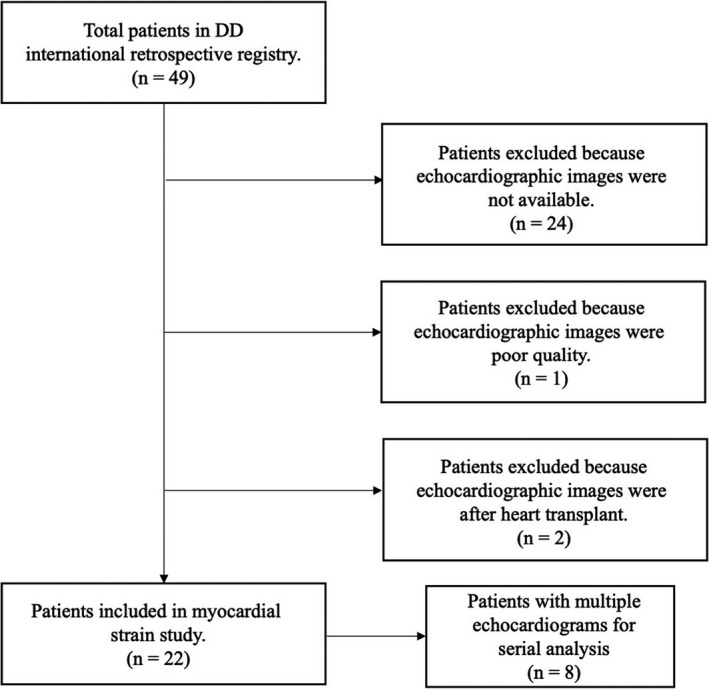
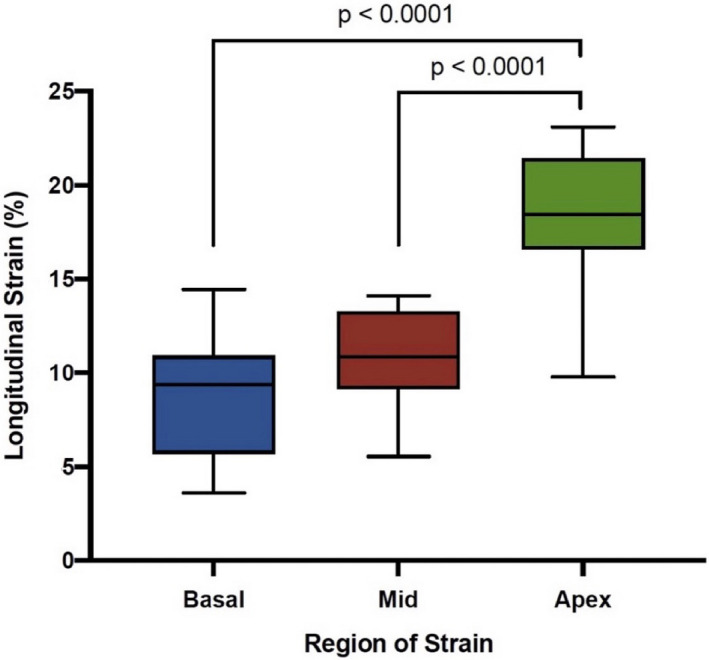
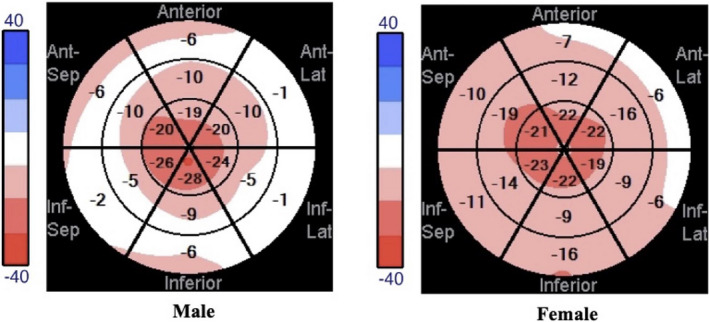
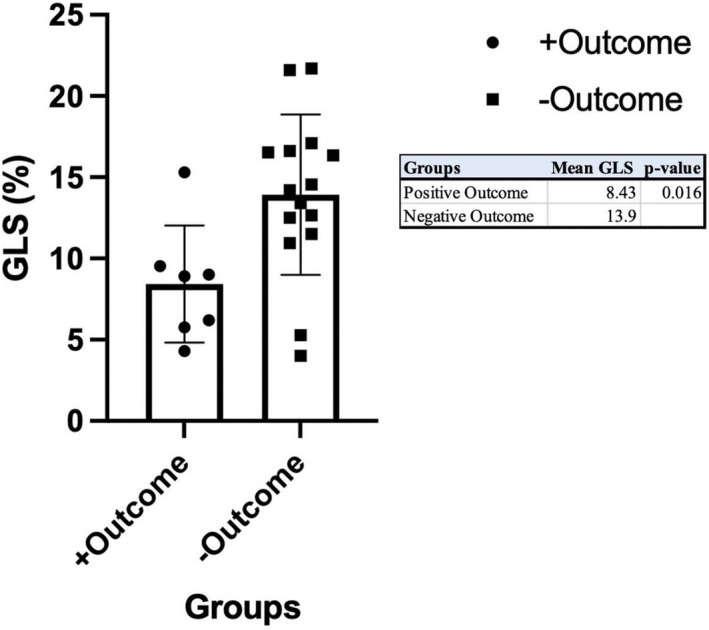
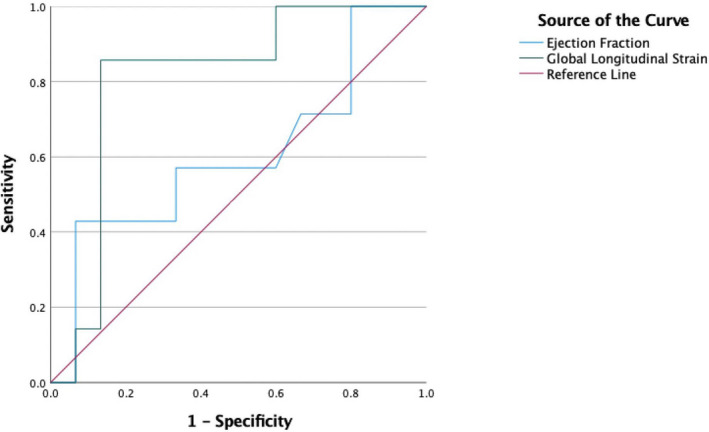
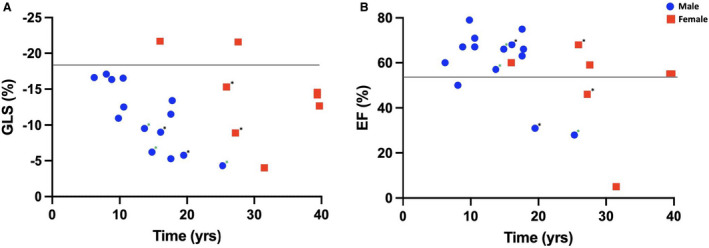
Background Myocardial strain can identify subclinical left ventricular dysfunction in various cardiac diseases, but its association with clinical outcomes in genetic cardiomyopathies remains unknown. Herein, we assessed myocardial strain in patients with Danon disease (DD), a rare X-linked autophagic disorder that causes severe cardiac manifestations. Methods and Results Echocardiographic images were reviewed and used to calculate myocardial strain from a retrospective, international registry of patients with DD. Regression analyses were performed to evaluate for an association of global longitudinal strain (GLS) and ejection fraction with the composite outcome (death, ventricular assist device, heart transplantation, and implantable cardioverter defibrillator for secondary prevention). A total of 22 patients with DD (male 14 [63.6%], median age 16.5 years) had sufficient echocardiograms for analysis. Absolute GLS was reduced with a mean of 12.2% with an apical-sparing pattern observed. Univariable regression for GLS and composite outcome showed an odds ratio of 1.32 (95% CI, 1.02-1.71) with P=0.03. For receiver operating characteristic analysis, the areas under the curve for GLS and ejection fraction were 0.810 (P=0.02) and 0.605 (P=0.44), respectively. An absolute GLS cutoff of 10.0% yielded a true positive rate of 85.7% and false positive rate of 13.3%. Conclusions In this cohort of patients with DD, GLS may be a useful assessment of myocardial function and may predict clinical outcomes. This study highlights the potential use of myocardial strain phenotyping to monitor disease progression and potentially to predict clinical outcomes in DD and other genetic cardiomyopathies.
Keywords: Danon disease; echocardiography; ejection fraction; genetic cardiomyopathy; hypertrophic cardiomyopathy; left ventricular hypertrophy; strain.
Figures
References
-
- Pellikka PA, She L, Holly TA, Lin G, Varadarajan P, Pai RG, Bonow RO, Pohost GM, Panza JA, Berman DS, et al. Variability in ejection fraction measured by echocardiography, gated single‐photon emission computed tomography, and cardiac magnetic resonance in patients with coronary artery disease and left ventricular dysfunction. JAMA Netw Open. 2018;1:e181456. doi: 10.1001/jamanetworkopen.2018.1456 - DOI - PMC - PubMed
-
- Hamada S, Schroeder J, Hoffmann R, Altiok E, Keszei A, Almalla M, Napp A, Marx N, Becker M. Prediction of outcomes in patients with chronic ischemic cardiomyopathy by layer‐specific strain echocardiography: a proof of concept. J Am Soc Echocardiogr. 2016;29:412–420. doi: 10.1016/j.echo.2016.02.001 - DOI - PubMed
Publication types
MeSH terms
LinkOut - more resources
Full Text Sources
Miscellaneous
