. 2021 Dec 2;16(12):e0260522.
doi: 10.1371/journal.pone.0260522. eCollection 2021.

Treatment of necrotizing enterocolitis by conditioned medium derived from human amniotic fluid stem cells

Affiliations

Treatment of necrotizing enterocolitis by conditioned medium derived from human amniotic fluid stem cells

Joshua S O'Connell et al. PLoS One. .

Abstract

Purpose: Necrotizing enterocolitis (NEC) is one of the most distressing gastrointestinal emergencies affecting neonates. Amniotic fluid stem cells (AFSC) improve intestinal injury and survival in experimental NEC but are difficult to administer. In this study, we evaluated whether conditioned medium (CM) derived from human AFSC have protective effects.

Methods: Three groups of C57BL/6 mice were studied: (i) breast-fed mice as control; (ii) experimental NEC mice receiving PBS; and (iii) experimental NEC mice receiving CM. NEC was induced between post-natal days P5 through P9 via: (A) gavage feeding of hyperosmolar formula four-time a day; (B) 10 minutes hypoxia prior to feeds; and (C) lipopolysaccharide administration on P6 and P7. Intra-peritoneal injections of either PBS or CM were given on P6 and P7. All mice were sacrificed on P9 and terminal ileum were harvested for analyses.

Results: CM treatment increased survival and reduced intestinal damage, decreased mucosal inflammation (IL-6; TNF-α), neutrophil infiltration (MPO), and apoptosis (CC3), and also restored angiogenesis (VEGF) in the ileum. Additionally, CM treated mice had increased levels of epithelial proliferation (Ki67) and stem cell activity (Olfm4; Lgr5) compared to NEC+PBS mice, showing restored intestinal regeneration and recovery during NEC induction. CM proteomic analysis of CM content identified peptides that regulated immune and stem cell activity.

Conclusions: CM derived from human AFSC administered in experimental NEC exhibited various benefits including reduced intestinal injury and inflammation, increased enterocyte proliferation, and restored intestinal stem cell activity. This study provides the scientific basis for the use of CM derived from AFSC in neonates with NEC.


Conflict of interest statement

RM, SR, PD, and KP are stockholder of Micregen Ltd, this relationship had no effect on study design, analysis, or interpretation of results, and this does not alter our adherence to PLOS ONE policies on sharing data and materials. All other authors declared they had no conflict of interest.

Figures
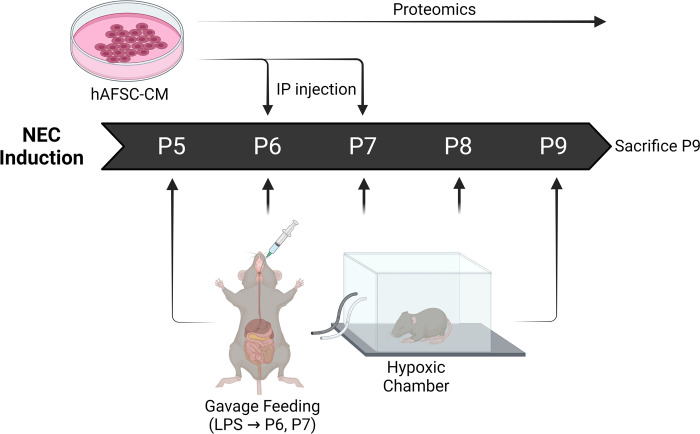
Fig 1
Fig 1. Schematic illustration of experimental NEC model and CM administration.
From postnatal days (p) 5 to p9, mouse pups exposed to NEC induction, which including four times daily hyperosmolar formula feeding and hypoxia, and LPS administration on p6 and p7. AFSC-CM were collected, assessed by proteomics, and administered by intraperitoneal injection to the mice pups undergoing NEC induction on p6 and p7.
Fig 2
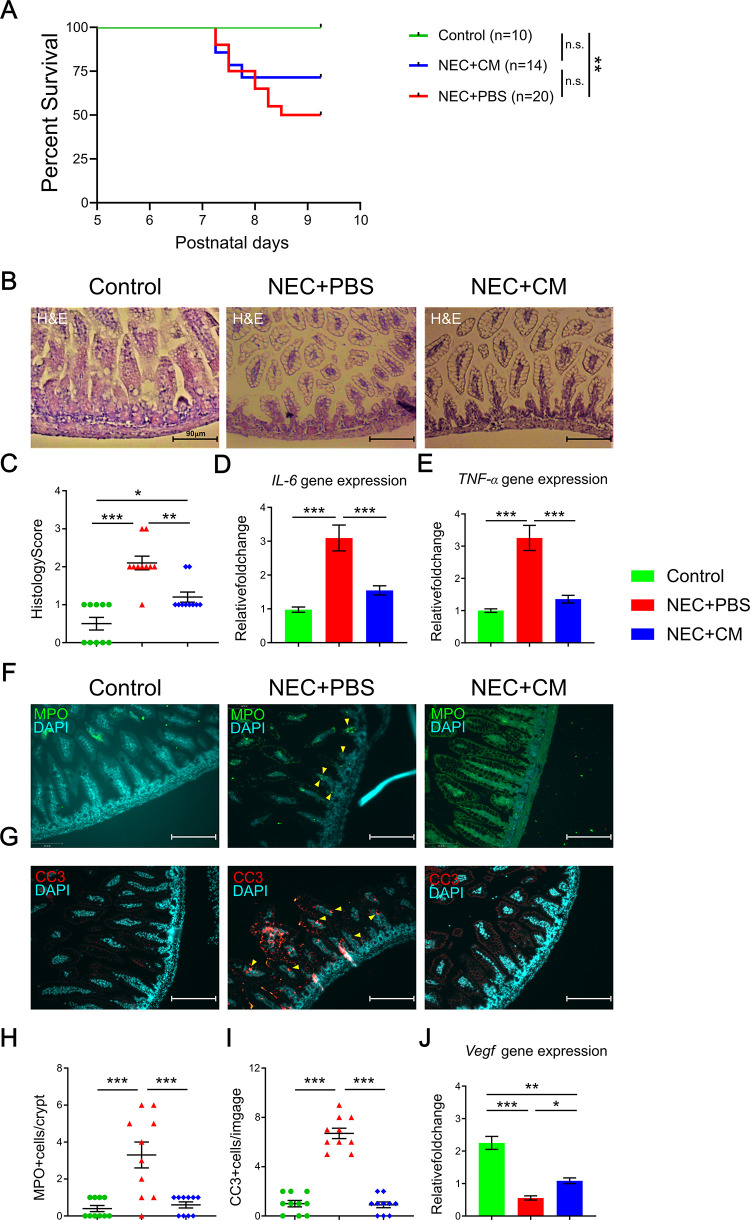
Fig 2. NEC survival and intestinal injury.
(A) Survival curves for mice pups from the 3 groups on postnatal days 5 to 9. (B) Representative histological images of the terminal ileum. (C) Histological score of intestinal injury. Inflammatory gene marker expression of (D) Il-6 and (E) Tnf-α. Immunofluorescent protein expression of (F) MPO and (G) CC3 in the terminal ilea of the 3 groups. Yellow arrows indicate positive staining. Relative quantification of the (H) MPO and (I) CC3 protein expressions. (J) Angiogenesis/vascularization Vegf gene expression in the 3 groups. Data are presented as mean ± standard error, with significance of group comparisons based on one-way ANOVA and Tukey post-hoc tests. n = 10 for each group, *p<0.05, **p<0.01, and ***p<0.001.
Fig 3
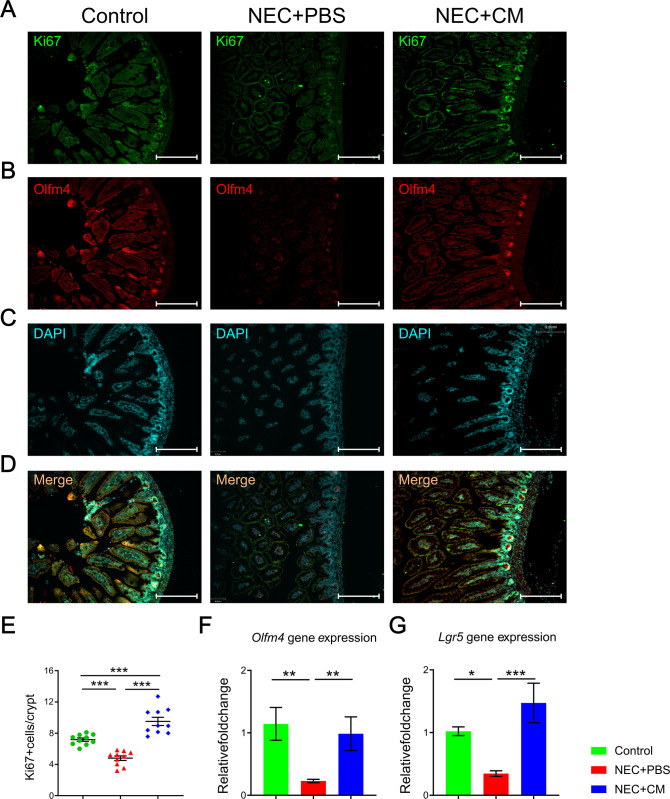
Fig 3. Intestinal proliferation and regeneration.
Representative immunofluorescent histomicrographs of the terminal ileum from the control, NEC+PBS, and NEC+CM groups, showing expression of (A) KI67, (B) OLFM4, (C) DAPI staining denoting the nuclei for each respective group, and (D) merging the 3 stains with yellow staining denoting positive KI67 and DAPI overlap. Relative quantitative expression for (E) KI67, (F) Olfm4, and (G) Lgr5 in the 3 groups. Data are presented as mean ± standard error, with significance of group comparisons based on one-way ANOVA and Tukey post-hoc tests. n = 10 for each group, *p<0.05, **p<0.01, and ***p<0.001.
Fig 4
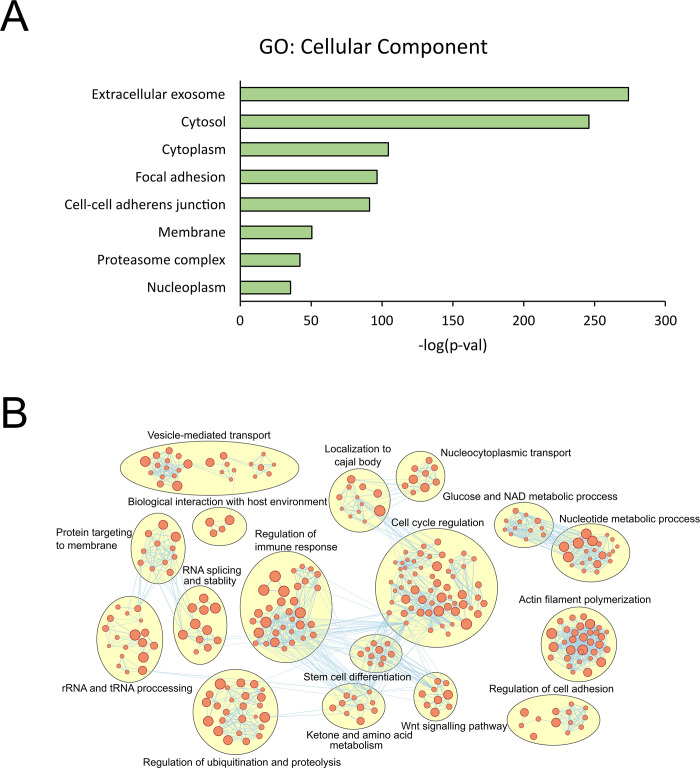
Fig 4. Proteomic analysis of human AFSC-derived CM.
(A) cellular component gene ontology enriched in the secretome of hAFSC-CM. (B) Network clustering showing the clusters of biological processes (from gene ontology) enriched in the secretome of hAFSC-CM.
Fig 5
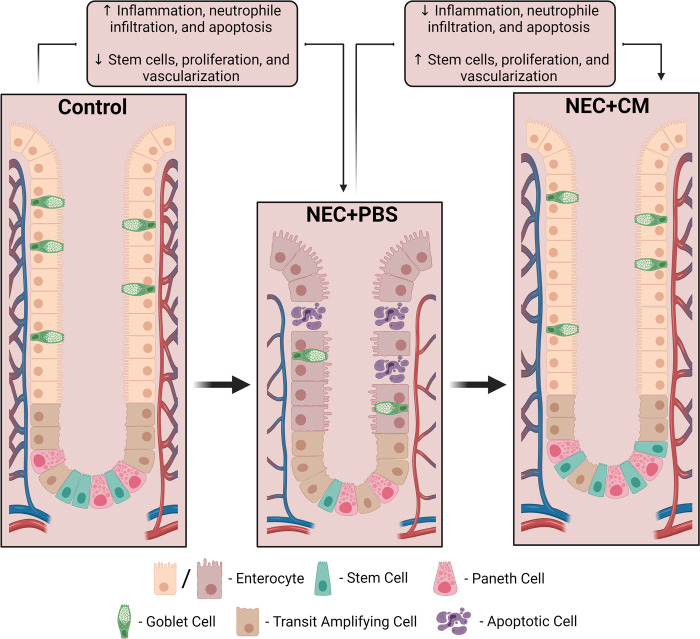
Fig 5. Summary of the role of AFSC-CM in experimental NEC.
NEC induced an intestinal damage, increased inflammation (IL-6 and TNF-α), neutrophil infiltration (MPO), and elevated apoptosis (CC3), as well as decreased angiogenesis or vascularization (VEGF). Further, it diminished epithelial proliferation (Ki67) and stem cell regeneration activity (Lgr5 and Olfm4), however, CM administration reverses all of these effects to yield reduced intestinal injury and improved survival.

References

    1. Zani A, Pierro A. Necrotizing enterocolitis: controversies and challenges. F1000Res. 2015;4. Epub 2016/02/27. doi: 10.12688/f1000research.6003.2 ; PubMed Central PMCID: PMC4753995. - DOI - PMC - PubMed
    1. Hall NJ, Eaton S, Pierro A. Royal Australasia of Surgeons Guest Lecture. Necrotizing enterocolitis: prevention, treatment, and outcome. J Pediatr Surg. 2013;48(12):2359–67. Epub 2013/12/10. doi: 10.1016/j.jpedsurg.2013.08.006 . - DOI - PubMed
    1. Mutanen A, Pierro A, Zani A. Perioperative Complications Following Surgery for Necrotizing Enterocolitis. Eur J Pediatr Surg. 2018;28(2):148–51. Epub 2018/03/14. doi: 10.1055/s-0038-1636943 . - DOI - PubMed
    1. Zani A CM, Fascetti-Leon F, Lauriti G, Smith VV, Bollini S, Ghionzoli M, et al. Amniotic fluid stem cells improve survival and enhance repair of damaged intestine in necrotising enterocolitis via a COX-2 dependent mechanism. Gut. 2014;63(2):300–9. Epub 2013/03/24. doi: 10.1136/gutjnl-2012-303735 . - DOI - PubMed
    1. Eaton S, Zani A, Pierro A, De Coppi P. Stem cells as a potential therapy for necrotizing enterocolitis. Expert Opin Biol Ther. 2013;13(12):1683–9. Epub 2013/10/25. doi: 10.1517/14712598.2013.849690 . - DOI - PubMed

Substances

Grants and funding