. 2021 Nov 27;3(Suppl 5):v144-v156.
doi: 10.1093/noajnl/vdab115. eCollection 2021 Nov.

Animal models of brain metastasis

Affiliations

Animal models of brain metastasis

Lauritz Miarka et al. Neurooncol Adv. .

Abstract

Modeling of metastatic disease in animal models is a critical resource to study the complexity of this multi-step process in a relevant system. Available models of metastatic disease to the brain are still far from ideal but they allow to address specific aspects of the biology or mimic clinically relevant scenarios. We not only review experimental models and their potential improvements but also discuss specific answers that could be obtained from them on unsolved aspects of clinical management.

Keywords: brain metastasis; experimental models; therapy; treatment toxicity.


Figures

Figure 1.
Figure 1.
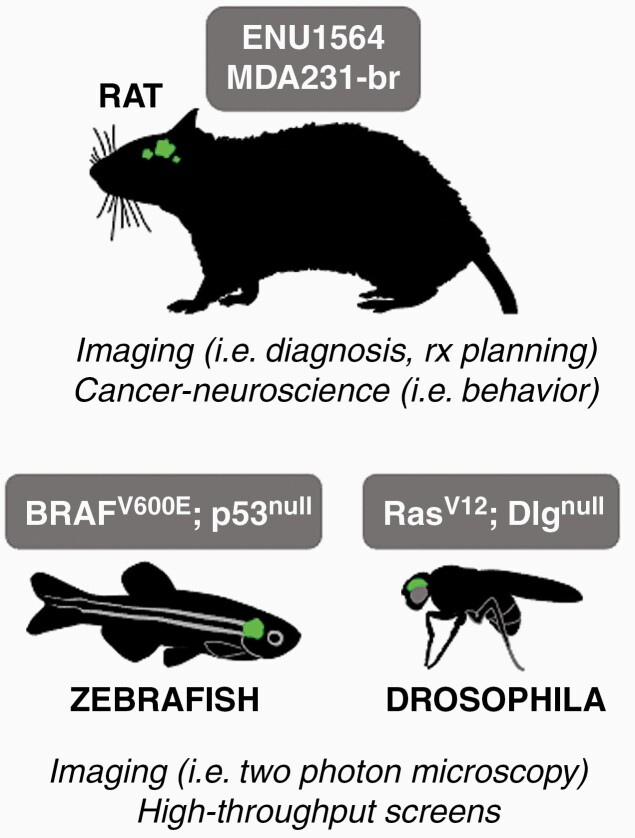
Alternative brain metastasis models. Different models of brain metastasis reported in the literature are described including the cell line used (Rat, zebrafish) or the genetic modification leading to brain metastasis. Each of these organisms provide specific advantages for analyzing brain metastasis.
Figure 2.
Figure 2.
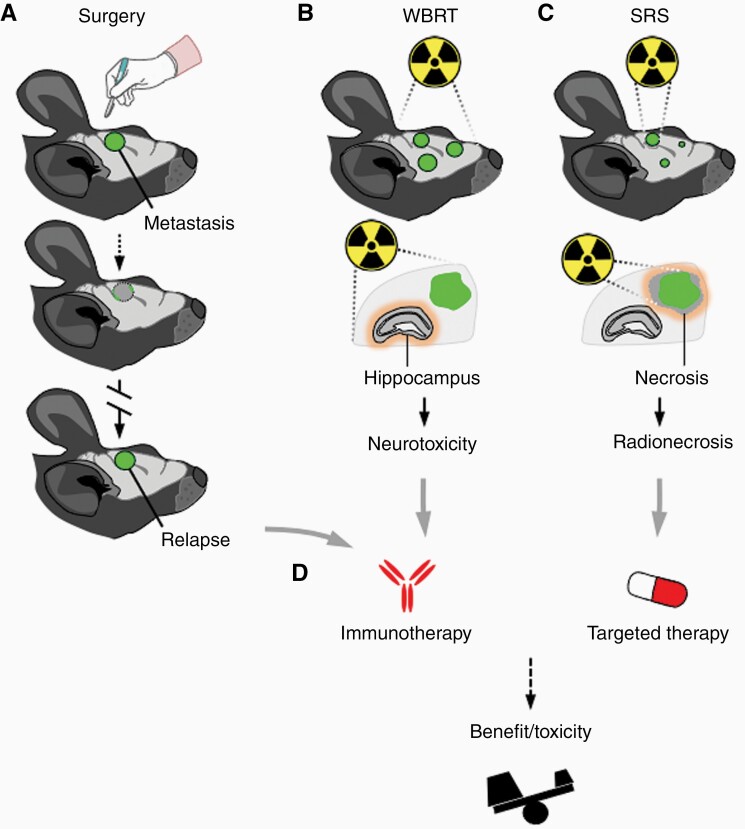
Experimental models incorporating local therapies. Both neurosurgery and radiotherapy have been applied to experimental brain metastasis models in vivo. These approaches could help to understand the biology of local relapse (a), neurotoxicity related to whole brain radiotherapy (WBRT) (b), and the radionecrosis that could be associated with stereotactic radiosurgery (SRS) (c). In addition, these models could be used to evaluate the benefit versus increased toxicity of combining local and systemic therapies (d).
Figure 3.
Figure 3.
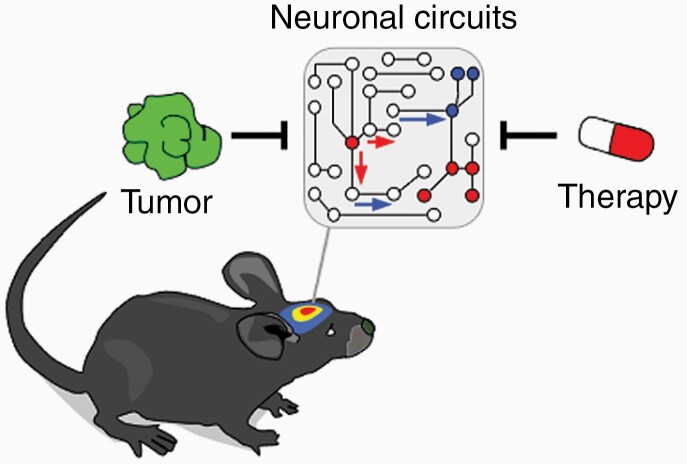
Impact of brain metastasis and their treatment in brain function. Both the tumor but also systemic and local treatments might have an impact in neuronal communication that could generate neurocognitive defects, which are highly prevalent among cancer patients with brain metastasis.
Figure 4.
Figure 4.
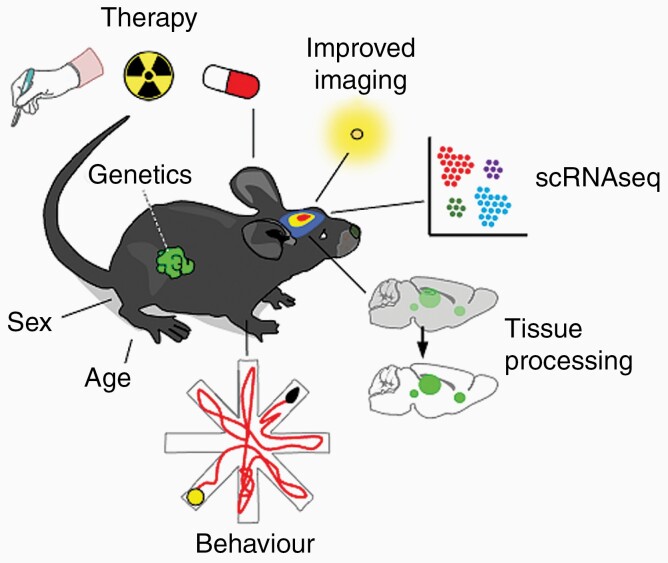
Technical aspects to improve brain metastasis models. Incorporating therapies is highly necessary to recapitulate the disease in patients. In addition, the presence of a primary tumor with known genetics, considering sex and age as important variables, the use of improved molecular imaging resources (ie, next generation of luciferases), single-cell technologies to deconstruct the complexity of the brain metastasis associated microenvironment, advanced tissue processing technologies (ie, tissue clearing) so intact metastasis could be studied, and evaluate the impact of brain metastasis in the whole organisms (ie, behavior) will certainly increase the quality of the evaluation of metastatic disease in the brain.

References

    1. Lambert AW, Pattabiraman DR, Weinberg RA. Emerging biological principles of metastasis. Cell. 2017;168(4):670–691. - PMC - PubMed
    1. Kienast Y, von Baumgarten L, Fuhrmann M, et al. Real-time imaging reveals the single steps of brain metastasis formation. Nat Med. 2010;16(1):116–122. - PubMed
    1. Quail DF, Joyce JA. The microenvironmental landscape of brain tumors. Cancer Cell. 2017;31(3):326–341. - PMC - PubMed
    1. Arvanitis CD, Ferraro GB, Jain RK. The blood-brain barrier and blood-tumour barrier in brain tumours and metastases. Nat Rev Cancer. 2020;20(1):26–41. - PMC - PubMed
    1. Valiente M, Ahluwalia MS, Boire A, et al. The evolving landscape of brain metastasis. Trends Cancer. 2018;4(3):176–196. - PMC - PubMed

LinkOut - more resources