


Meta-Regression of Herpes Zoster Incidence Worldwide
- PMID: 34874546
- PMCID: PMC8650523
- DOI: 10.1007/s40121-021-00567-8
Meta-Regression of Herpes Zoster Incidence Worldwide
Abstract
Introduction: Many studies have been conducted worldwide to estimate herpes zoster (HZ) incidence rates. We synthesized studies of HZ incidence rates in the general population using meta-analysis models.
Methods: A random effects meta-analysis was conducted to estimate HZ incidence from a published worldwide systematic literature review (SLR) including only individuals aged 50 years and older. Meta-regression was used to explore whether variability in incidence rates could be explained by a combination of study-specific characteristics including age, gender, continent and year of study data. The impact of adding additional covariates-case detection method (general practitioner surveillance, healthcare database, sentinel network, etc.), case definition (medical record-based, self-reported), study design (retrospective passive surveillance, retrospective active surveillance, etc.), incidence type (cumulative incidence/1000 persons or incidence rate/1000 person-years), patient type (outpatients or in- and out-patients) and latitude to the base model-was also assessed.
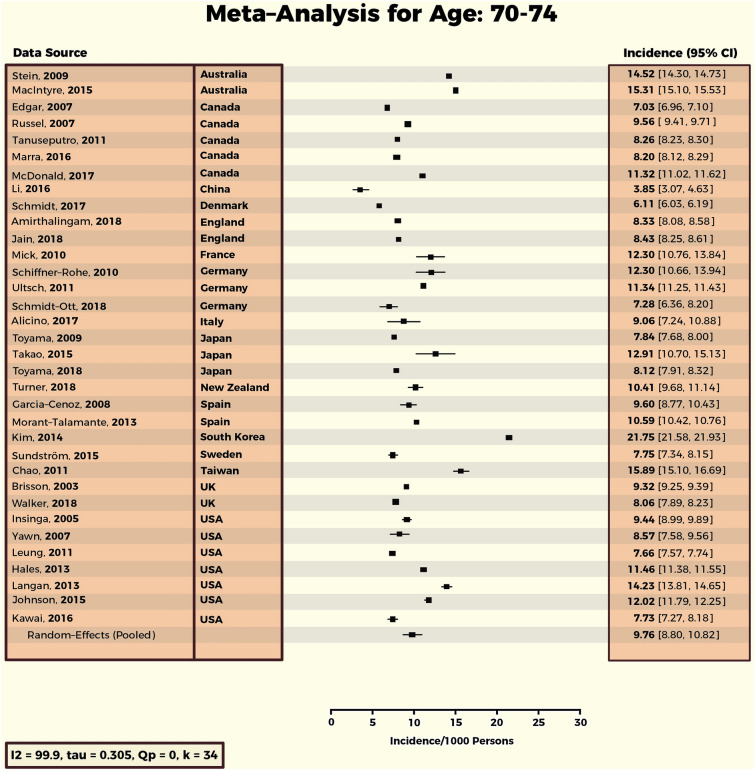
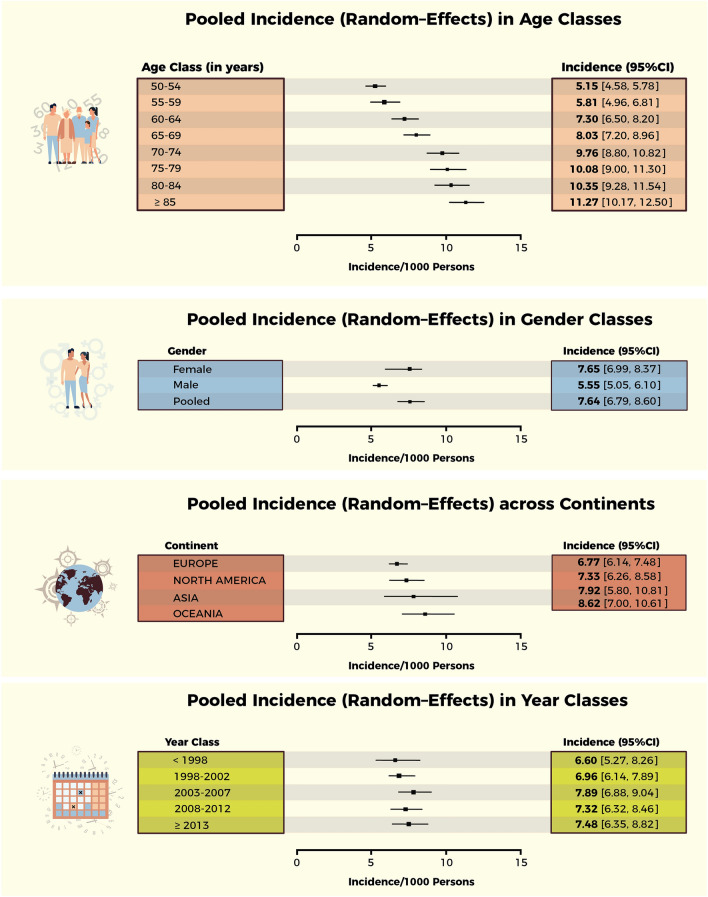
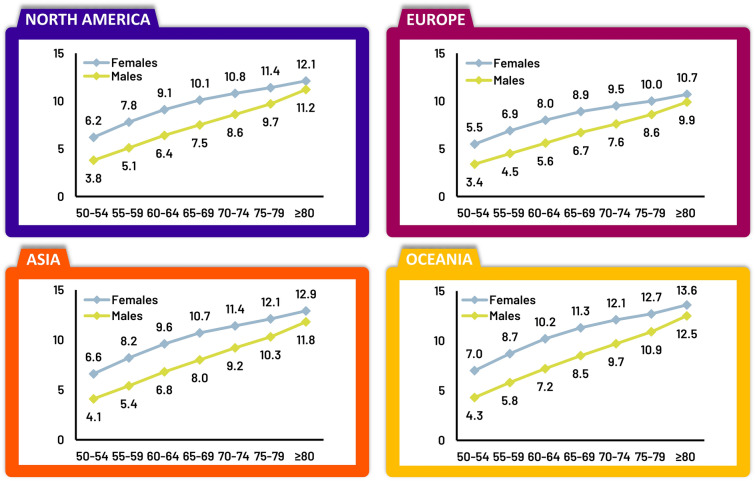
Results: Sixty-one records from 59 studies were included in the analysis: 25, 20, 11 and 5 from Europe, North America, Asia and Oceania, respectively. There was variation in study methodology and outcomes. Heterogeneity of incidence rates was greatest among studies conducted in Asia. Meta-analysis showed that incidence increased with age, was lower in males compared to females, tended to be lower in Europe and North America compared to Asia and Oceania and increased with year of study data. The data-driven meta-regression model included continent, year of study data, gender, age and an age × gender interaction term. The difference in incidence between males and females was greater in younger ages (e.g., 50-59) compared to older age groups (e.g., 80+). None of the additional covariates contributed significantly to the model.
Conclusion: Incidence rates were shown to vary by age, gender, continent and year of study data.
Keywords: Adults; Epidemiology; Global; Herpes zoster; Incidence; Meta-analysis; Meta-regression; Review; Shingles; Vaccination.
© 2021. The Author(s).
Figures

References
-
- Mizukami A, Sato K, Adachi K, et al. Impact of herpes zoster and post-herpetic neuralgia on health-related quality of life in Japanese adults aged 60 years or older: results from a prospective, observational cohort study. Clin Drug Investig. 2018;38(1):29–37. doi: 10.1007/s40261-017-0581-5. - DOI - PMC - PubMed
-
- Harpaz R, Ortega-Sanchez IR, Seward JF. Prevention of herpes zoster: recommendations of the Advisory Committee on Immunization Practices (ACIP) MMWR Recomm Rep. 2008;57(RR-5):1–30. - PubMed
-
- Centers for Disease Control and Prevention. Shingles (Herpes Zoster). 2018. https://www.cdc.gov/shingles/about/index.html. Accessed July 12, 2021
LinkOut - more resources
Full Text Sources
