


Leukocyte methylomic imprints of exposure to the genocide against the Tutsi in Rwanda: a pilot epigenome-wide analysis
- PMID: 34875875
- PMCID: PMC8672329
- DOI: 10.2217/epi-2021-0310
Leukocyte methylomic imprints of exposure to the genocide against the Tutsi in Rwanda: a pilot epigenome-wide analysis
Abstract
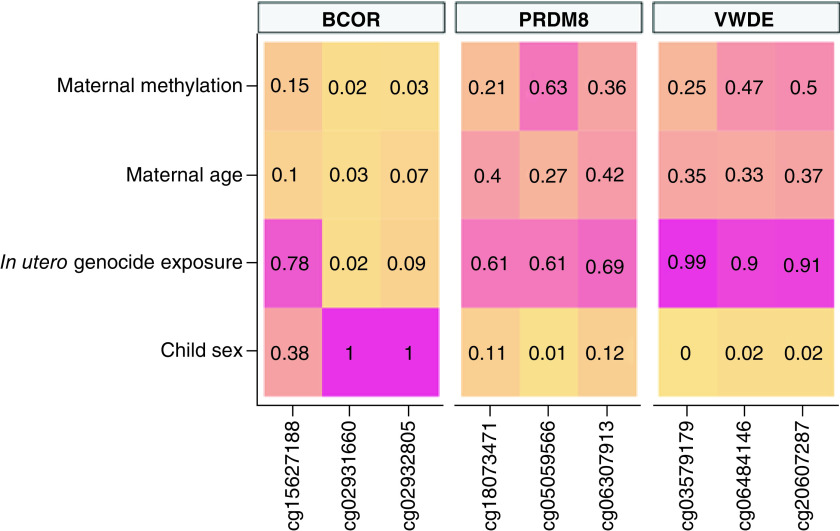
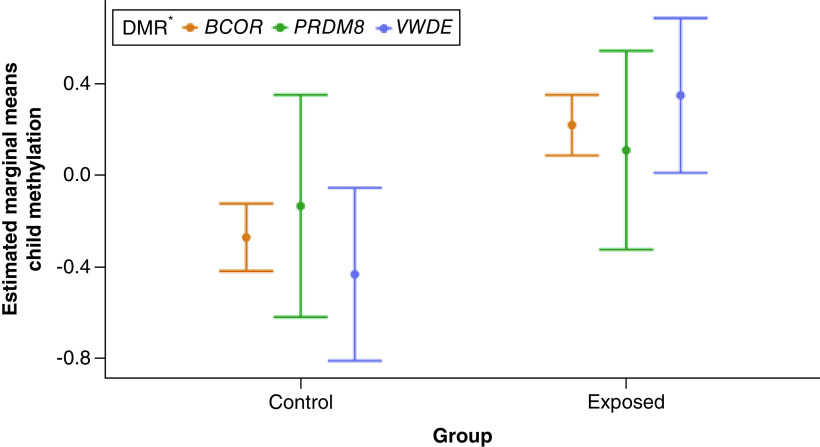
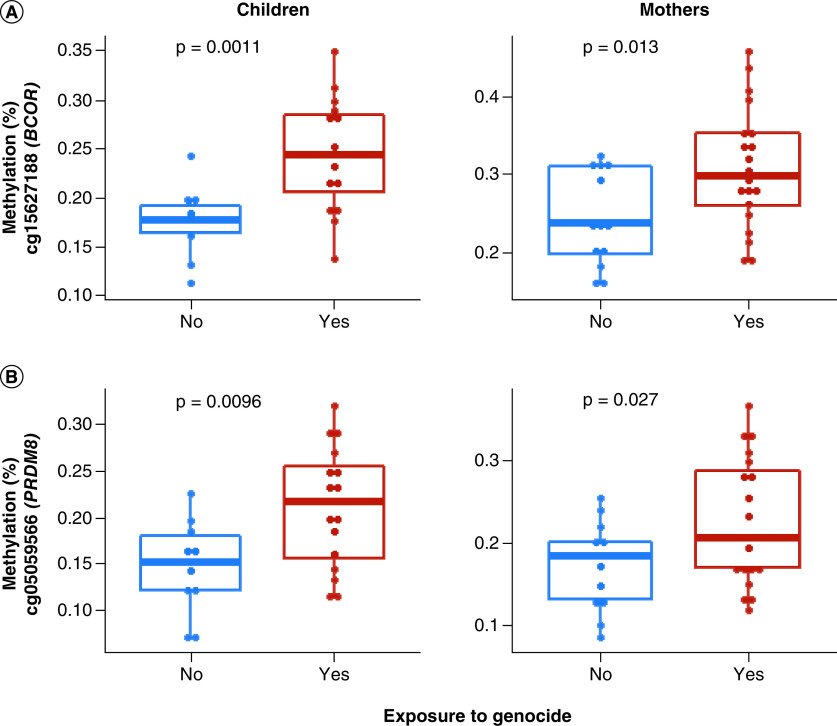
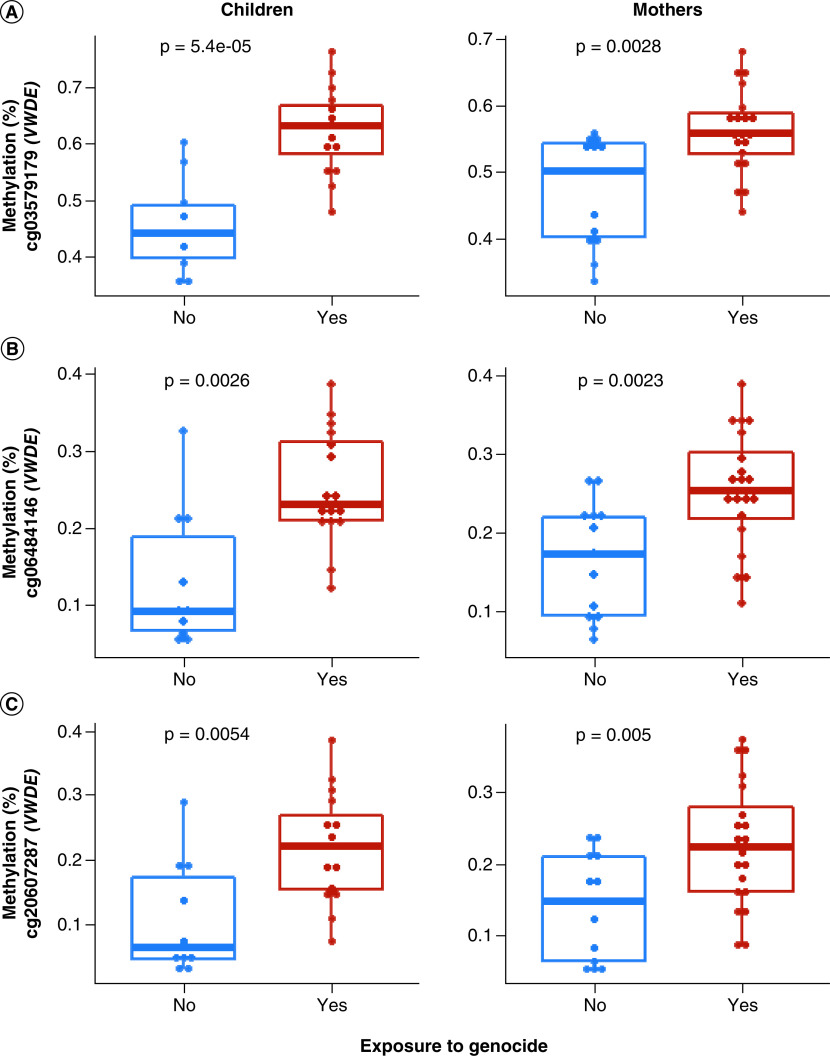
Aim & methods: We conducted a pilot epigenome-wide association study of women from Tutsi ethnicity exposed to the genocide while pregnant and their resulting offspring, and a comparison group of women who were pregnant at the time of the genocide but living outside of Rwanda.Results: Fifty-nine leukocyte-derived DNA samples survived quality control: 33 mothers (20 exposed, 13 unexposed) and 26 offspring (16 exposed, 10 unexposed). Twenty-four significant differentially methylated regions (DMRs) were identified in mothers and 16 in children. Conclusions:In utero genocide exposure was associated with CpGs in three of the 24 DMRs: BCOR, PRDM8 and VWDE, with higher DNA methylation in exposed versus unexposed offspring. Of note, BCOR and VWDE show significant correlation between brain and blood DNA methylation within individuals, suggesting these peripherally derived signals of genocide exposure may have relevance to the brain.
Keywords: PTSD; differentially methylated region; epigenetics; epigenomic; genocide; intergenerational transmission; maternal stress; methylation; offspring; trauma.
Plain language summary
Lay abstract The 1994 Rwandan genocide against ethnic Tutsi has been associated with adverse mental health outcomes in survivors decades later, but the molecular mechanisms that contribute to this association remain poorly characterized. Epigenetic mechanisms such as DNA methylation regulate gene function and change in response to life experiences. We identified differentially methylated regions (DMRs) in genocide-exposed versus unexposed mothers and children. In utero genocide exposure was linked with methylation differences in three maternal DMRs, with higher methylation in exposed offspring. Two of three DMRs show correlation between brain and blood methylation within individuals, suggesting that peripherally derived signals of genocide exposure may be relevant to the brain.
Conflict of interest statement
This work was funded by the NIH (grant no. U01MH115485). M Uddin was a paid consultant for System Analytic in 2020. The authors have no other relevant affiliations or financial involvement with any organization or entity with a financial interest in or financial conflict with the subject matter or materials discussed in the manuscript apart from those disclosed.
No writing assistance was utilized in the production of this manuscript.
Figures
References
-
- Kubzansky LD, Koenen KC, Spiro A III et al. Prospective study of posttraumatic stress disorder symptoms and coronary heart disease in the Normative Aging Study. Arch. Gen. Psychiatry 64(1), 109–116 (2007). - PubMed
-
- Husarewycz MN, Gabalawy REI, Logsetty S et al. The association between number and type of traumatic life experiences and physical conditions in a nationally representative sample. Gen. Hosp. Psychiatry 36(1), 26–32 (2014). - PubMed
Publication types
MeSH terms
Grants and funding
LinkOut - more resources
Full Text Sources
Medical
