


Oral cancer among Khat users: finding evidence from DNA analysis of nine cancer-related gene mutations
- PMID: 34876124
- PMCID: PMC8650367
- DOI: 10.1186/s12903-021-01981-7
Oral cancer among Khat users: finding evidence from DNA analysis of nine cancer-related gene mutations
Abstract
Background: Khat leaves contain the alkaloid cathinone. Research shows that khat might provoke toxicity, mutagenicity, as well as carcinogenicity.
Methods: Two groups were identified as khat abusers and were categorized by abuse time and diagnosis of oral squamous cell carcinoma (OSCC). Here, 41 participants from Group 2 were short-term khat users, and 42 participants were long-term khat users. The control group included 30 healthy individuals. The coding exons included nine cancer-related genes and were analysed. The histopathological research was conducted with H&E staining along with the TP53 protein expression by implementing immunohistochemical analyses.
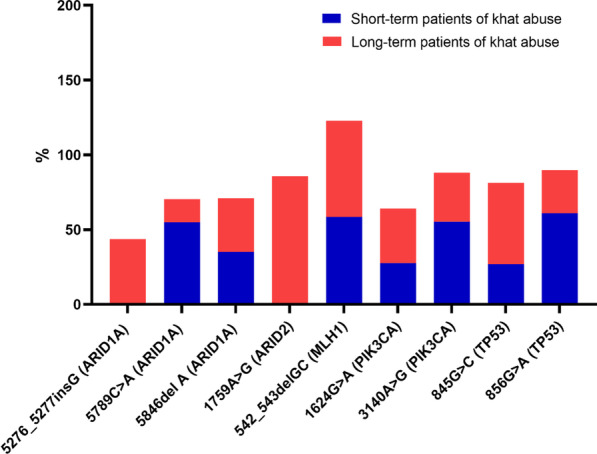
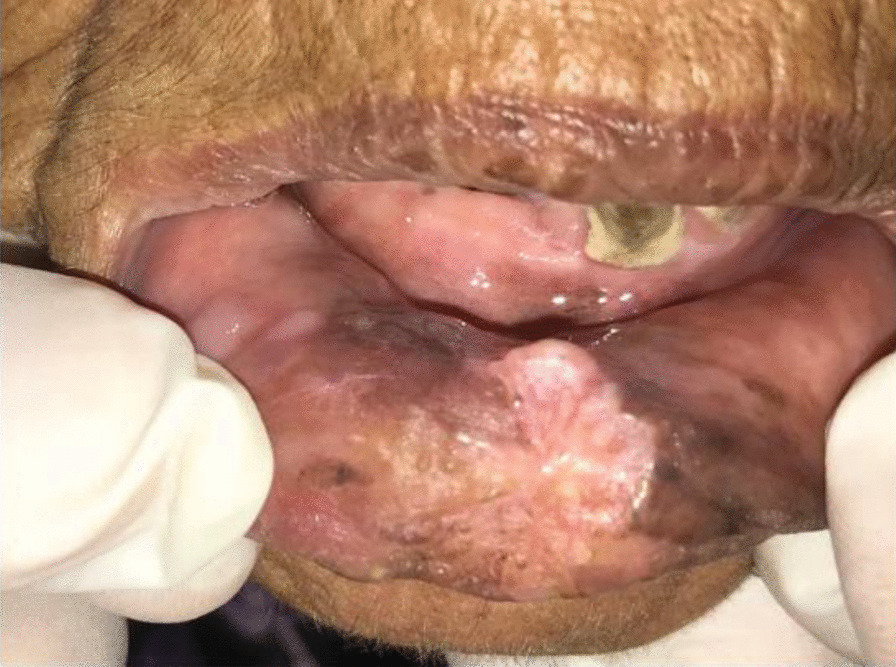
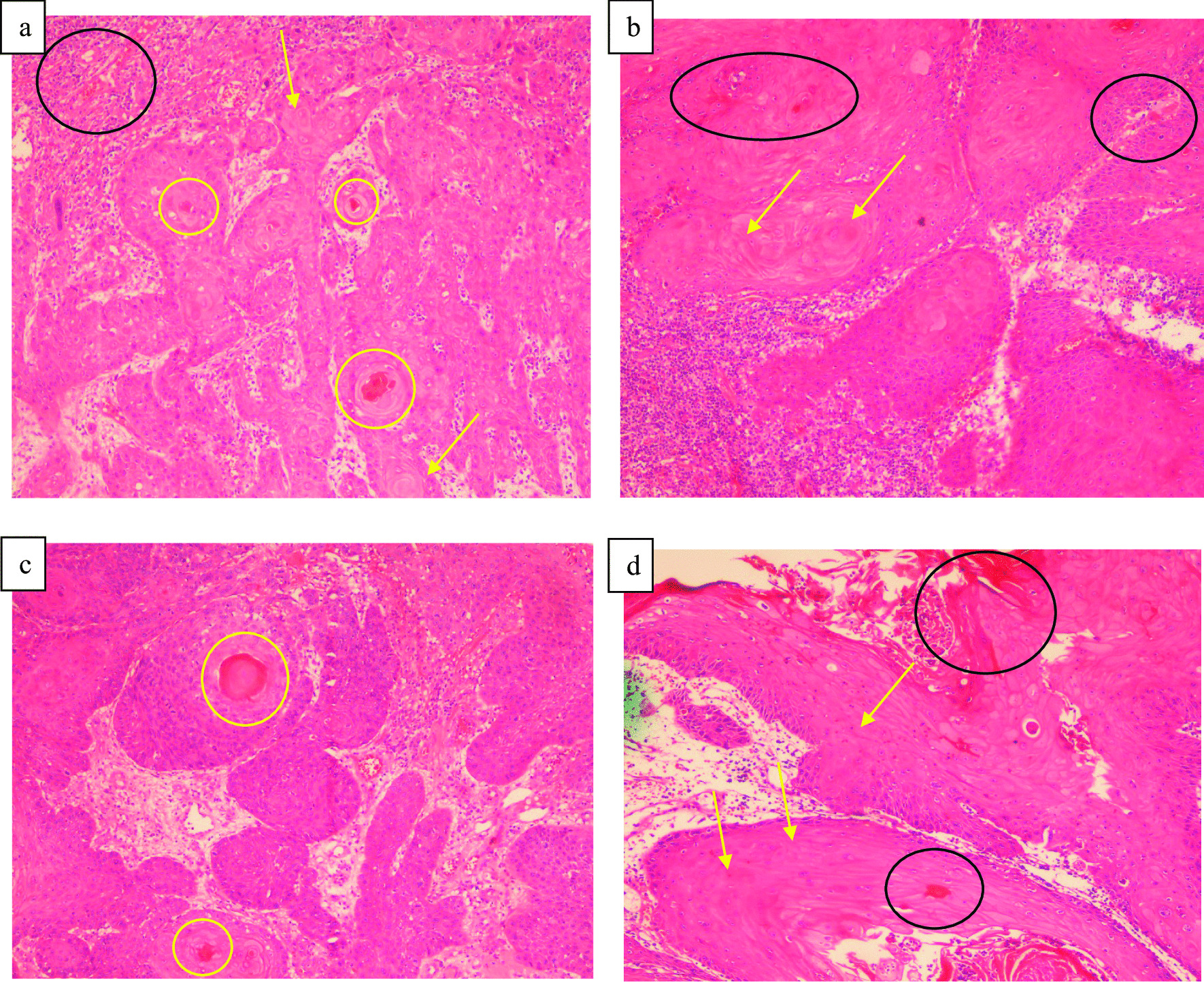
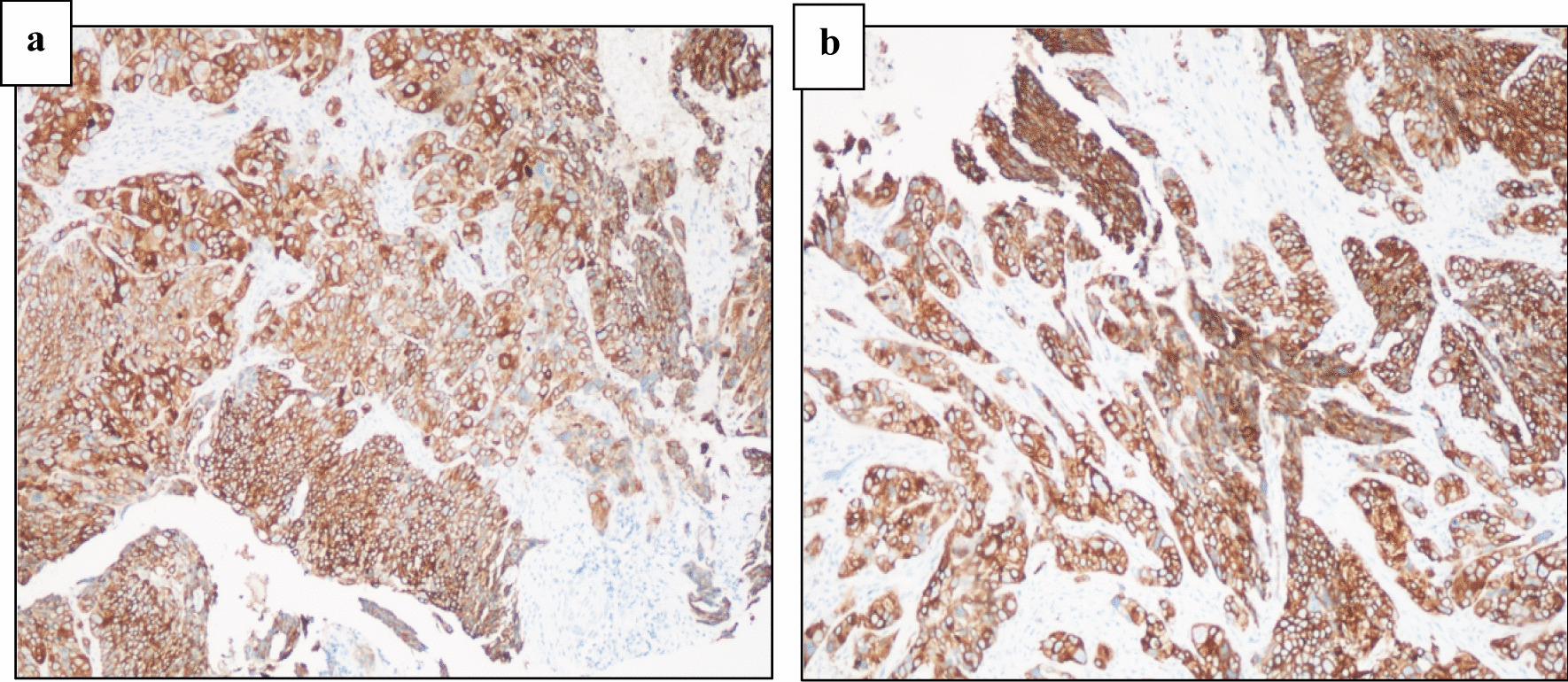
Results: Here, 41 short-term khat users carried seven somatic mutations in four out of nine cancer-related genes: 29/41(70.73%) ARID1A, 24/41(58.53%) MLH1, 34/41(82.92%) PIK3CA and 36/41(87.80%) TP53. The 42 long-term khat users incorporated nine somatic mutations in five out of nin ecancer-related genes: 40/42(95.23%) ARID1A, 36/42(85.71%) ARID2, 29/42(69.04%) PIK3CA, 27/42(64.28%) MLH1, and 35/42(83.33%) TP53. Every khat user had somatic mutations related to OSCC affecting the gingiva and the lower lip. TP53 protein expression was confirmed in all immunohistochemical oral tests. Carcinoma was also positive in the histopathological analysis.
Conclusions: Khat is a mutagenic and carcinogenic plant that provoked OSCC among short-term khat users (<15 years of use) and long-term users (>15 years of use).
Keywords: Cancer-related gene; DNA analysis; Khat users; Mutations; Oral squamous cell carcinomas.
© 2021. The Author(s).
Conflict of interest statement
The authors declare that they have no competing interests.
Figures
References
-
- Yip TT, Ngan RK, Fong AH, et al. Application of circulating plasma/serum EBV DNA in the clinical management of nasopharyngeal carcinoma. Oral Oncol. 2014;50(6):527–38. - PubMed
-
- Capote-Moreno A, Brabyn P, Muñoz-Guerra MF, et al. Oral squamous cell carcinoma: epidemiological study and risk factor assessment based on a 39-year series. Int J Oral Maxillofac Surg. 2020;49(12):1525–34. - PubMed
Publication types
MeSH terms
Substances
LinkOut - more resources
Full Text Sources
Medical
Research Materials
Miscellaneous
