


Automatic Segmentation of Mandibular Ramus and Condyles
- PMID: 34891864
- PMCID: PMC8994041
- DOI: 10.1109/EMBC46164.2021.9630727
Automatic Segmentation of Mandibular Ramus and Condyles
Abstract
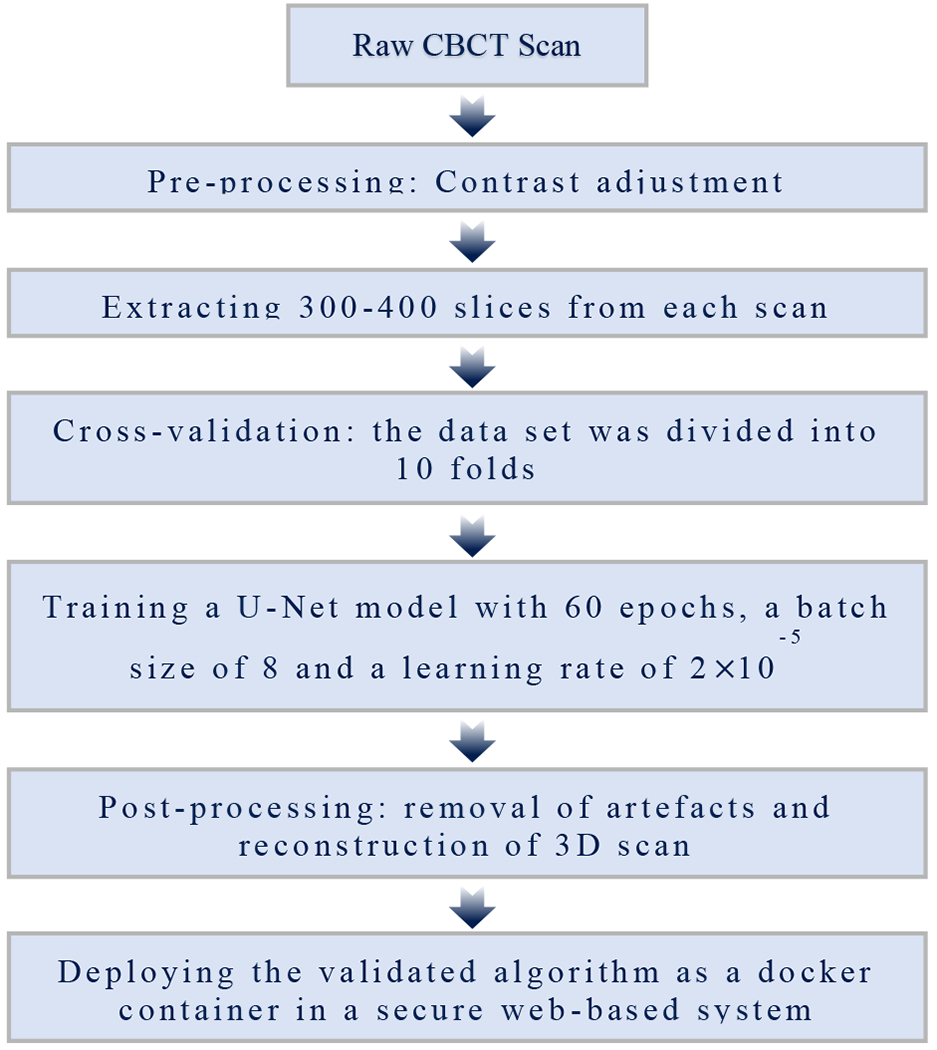
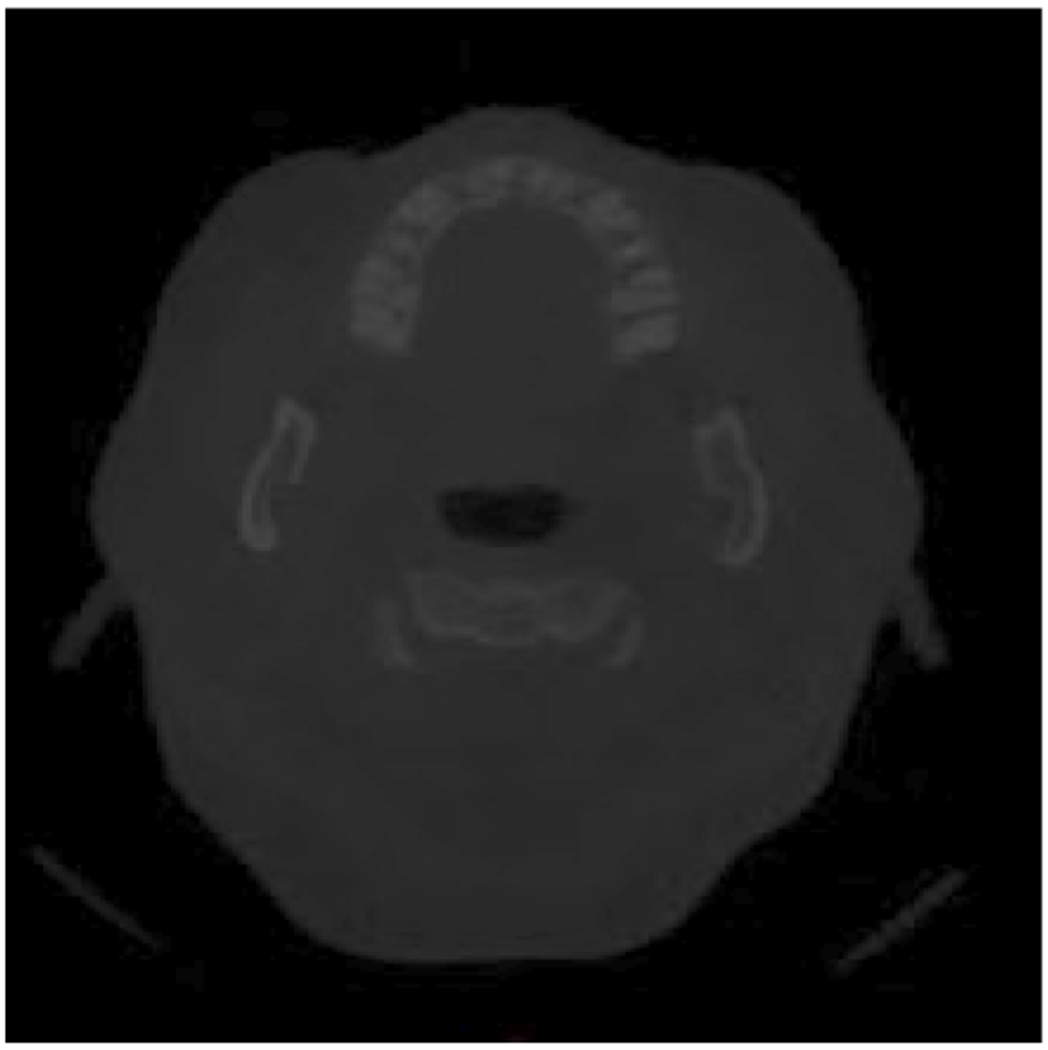
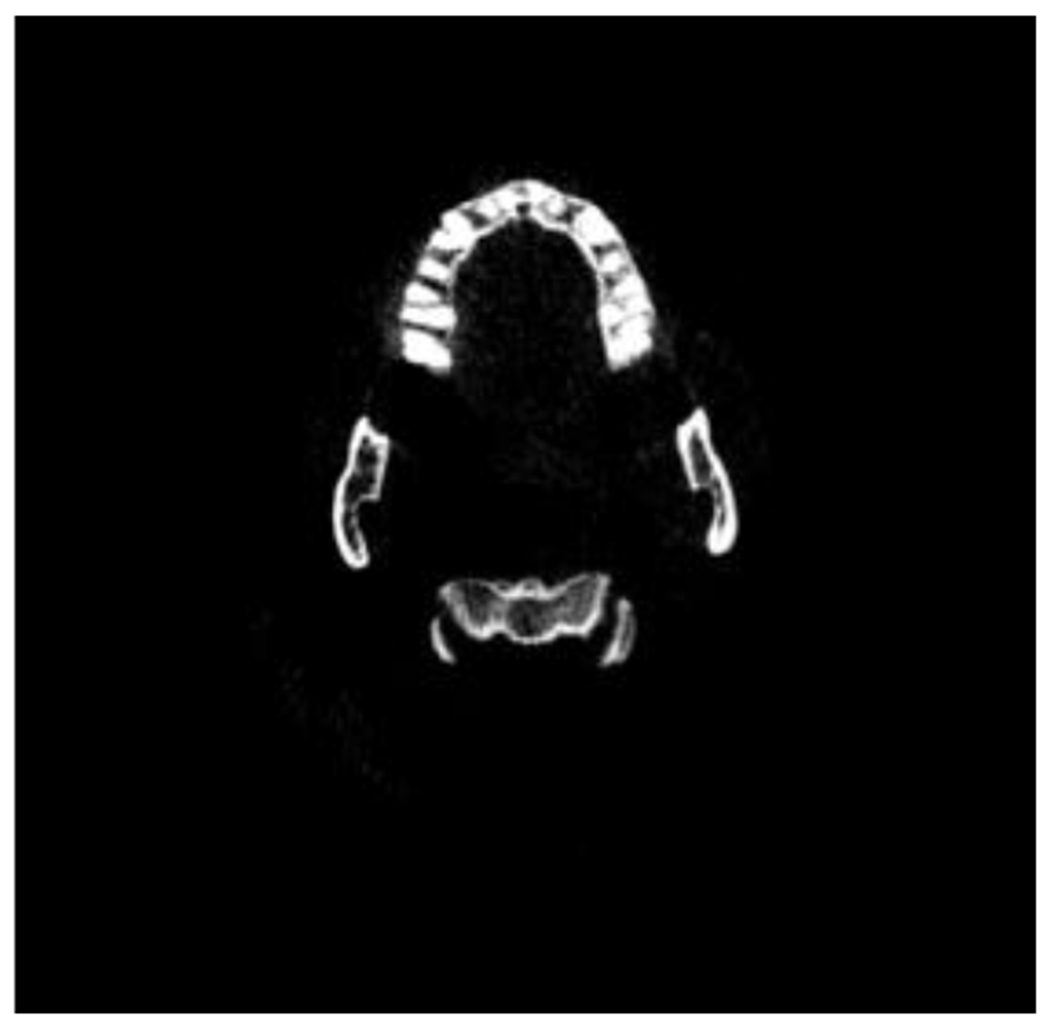
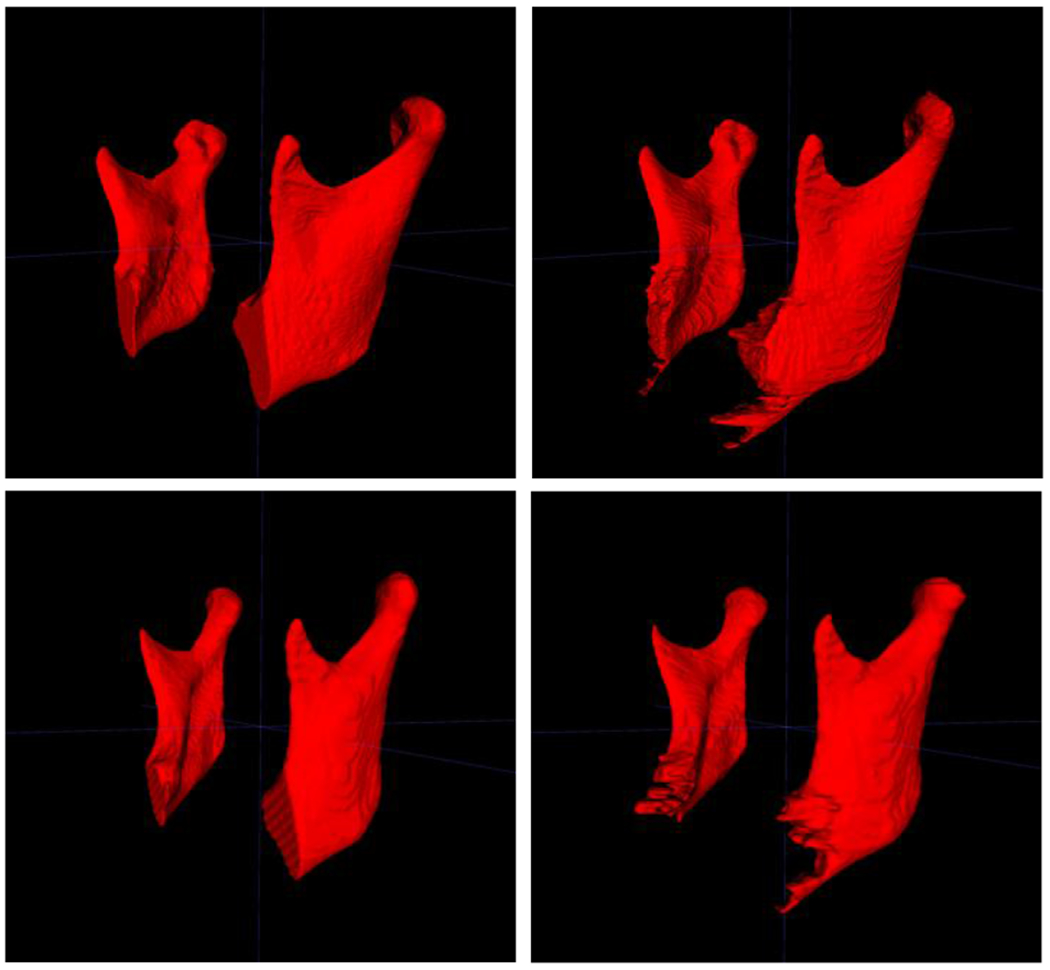
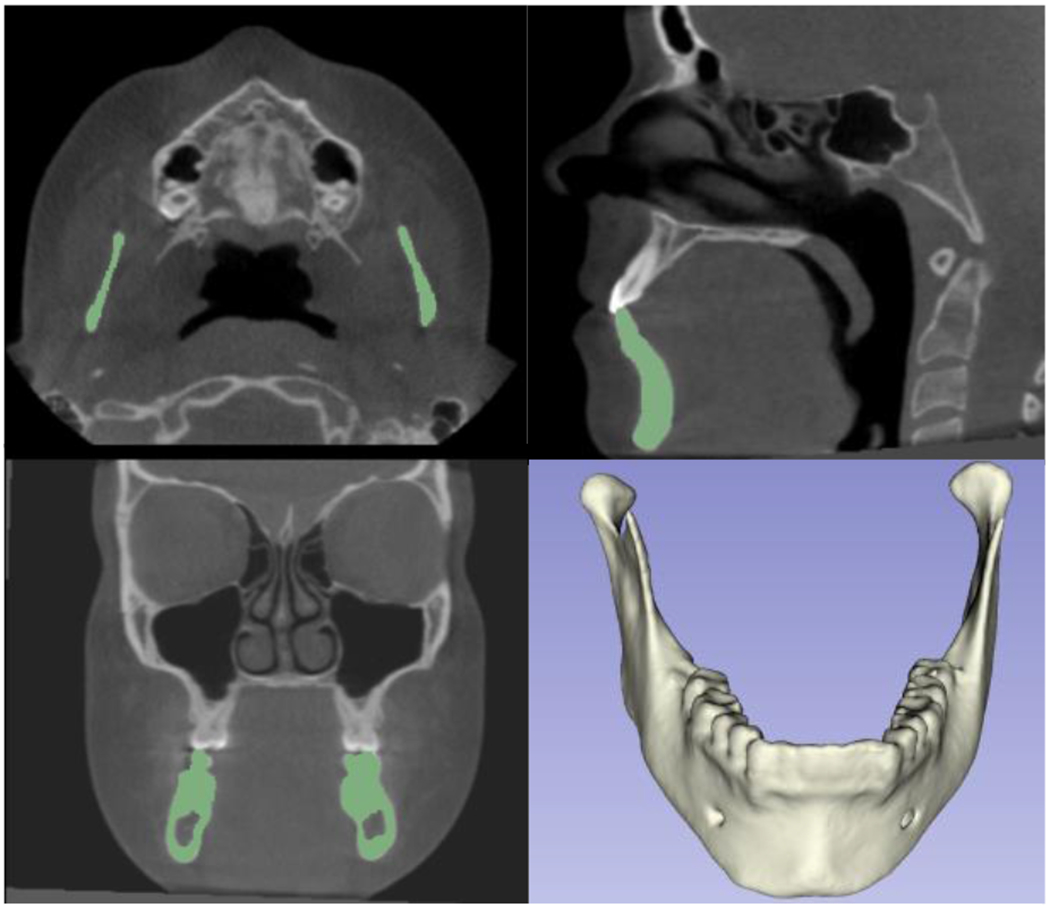
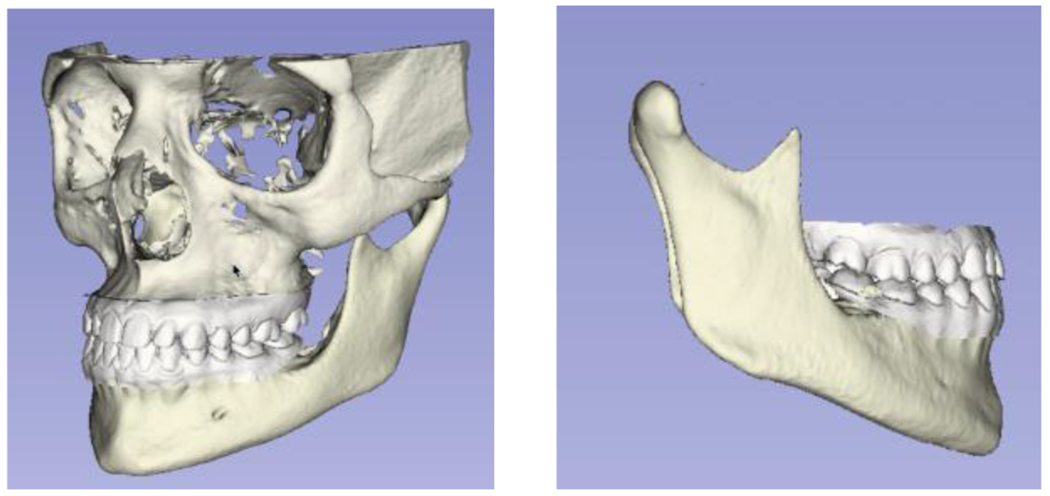
In order to diagnose TMJ pathologies, we developed and tested a novel algorithm, MandSeg, that combines image processing and machine learning approaches for automatically segmenting the mandibular condyles and ramus. A deep neural network based on the U-Net architecture was trained for this task, using 109 cone-beam computed tomography (CBCT) scans. The ground truth label maps were manually segmented by clinicians. The U-Net takes 2D slices extracted from the 3D volumetric images. All the 3D scans were cropped depending on their size in order to keep only the mandibular region of interest. The same anatomic cropping region was used for every scan in the dataset. The scans were acquired at different centers with different resolutions. Therefore, we resized all scans to 512×512 in the pre-processing step where we also performed contrast adjustment as the original scans had low contrast. After the pre-processing, around 350 slices were extracted from each scan, and used to train the U-Net model. For the cross-validation, the dataset was divided into 10 folds. The training was performed with 60 epochs, a batch size of 8 and a learning rate of 2×10⁻⁵. The average performance of the models on the test set presented 0.95 ± 0.05 AUC, 0.93 ± 0.06 sensitivity, 0.9998 ± 0.0001 specificity, 0.9996 ± 0.0003 accuracy, and 0.91 ± 0.03 F1 score. This study findings suggest that fast and efficient CBCT image segmentation of the mandibular condyles and ramus from different clinical data sets and centers can be analyzed effectively. Future studies can now extract radiomic and imaging features as potentially relevant objective diagnostic criteria for TMJ pathologies, such as osteoarthritis (OA). The proposed segmentation will allow large datasets to be analyzed more efficiently for disease classification.
Figures
References
-
- “CDC - arthritis - data and statistics.” [Online]. Available: https://www.cdc.gov/arthritis/data_statistics/index.htm
-
- National institute of dental and craniofacial research - facial pain statistics. Available: https://www.nidcr.nih.gov/research/data-statistics/facial-pain
Publication types
MeSH terms
Grants and funding
LinkOut - more resources
Full Text Sources