


Variable expressivity in a family with an aggrecanopathy
- PMID: 34894100
- PMCID: PMC8801139
- DOI: 10.1002/mgg3.1773
Variable expressivity in a family with an aggrecanopathy
Abstract
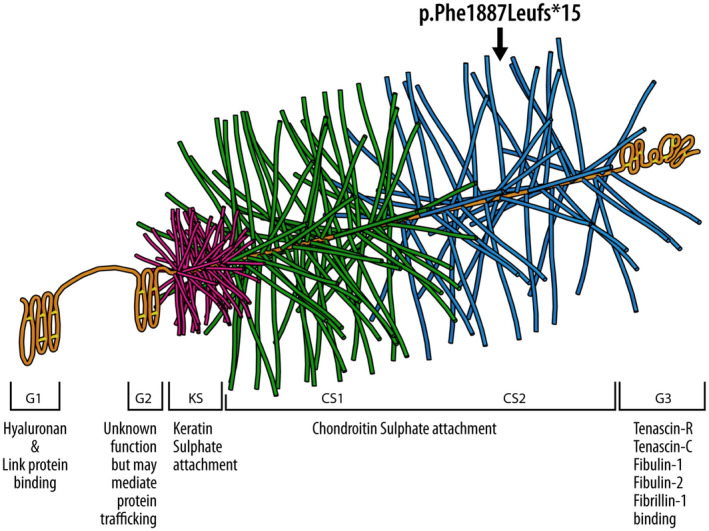
Background: Osteochondritis dissecans is a condition wherein there is a subchondral bone lesion that causes pain, inflammation, and cartilage damage. Dominant Familial Osteochondritis Dissecans is a rare and severe form of osteochondritis dissecans (OCD). It is caused by heterozygous pathogenic variants in the gene encoding Aggrecan; ACAN. Aggrecan, a proteoglycan, is an essential component of the articular and growth plate cartilage.
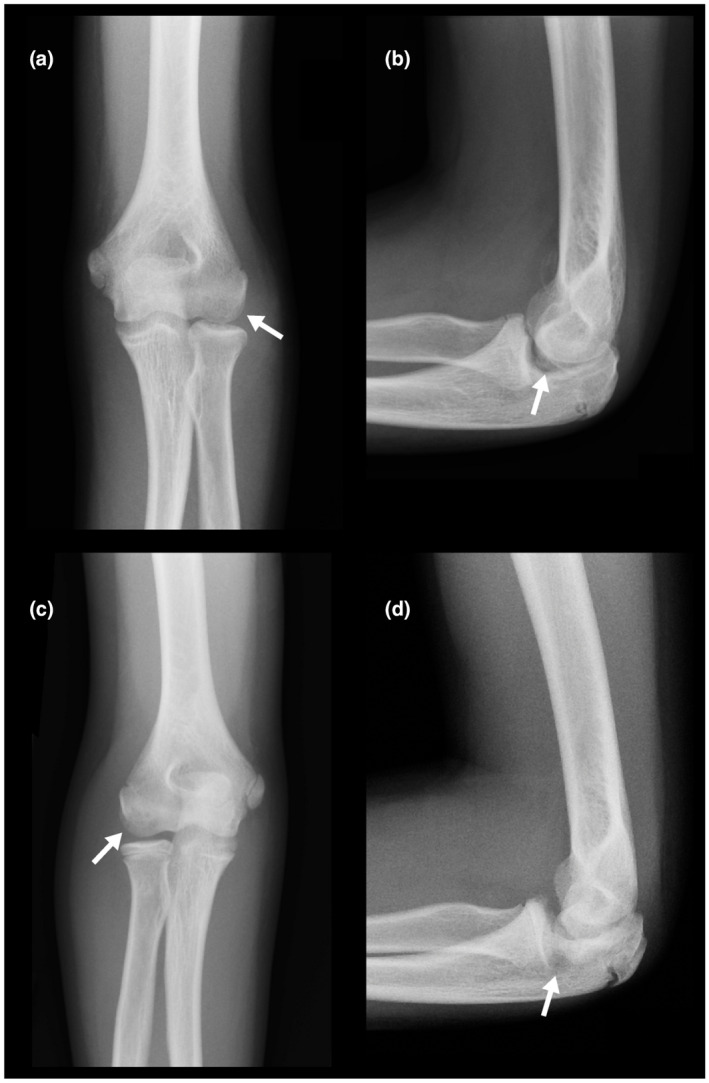
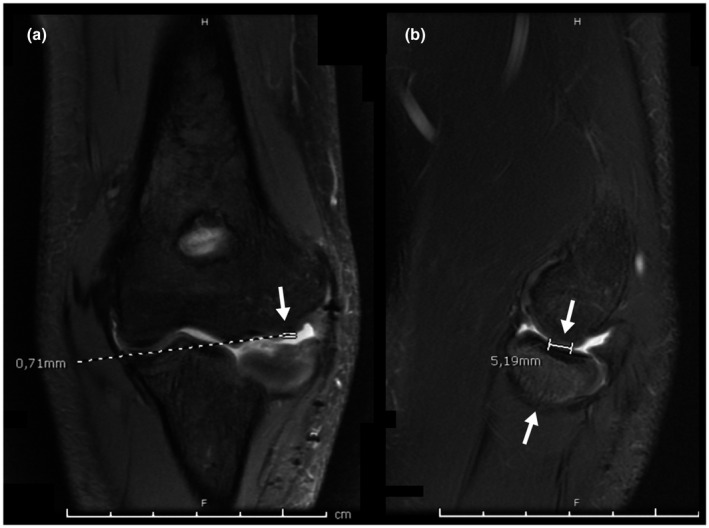
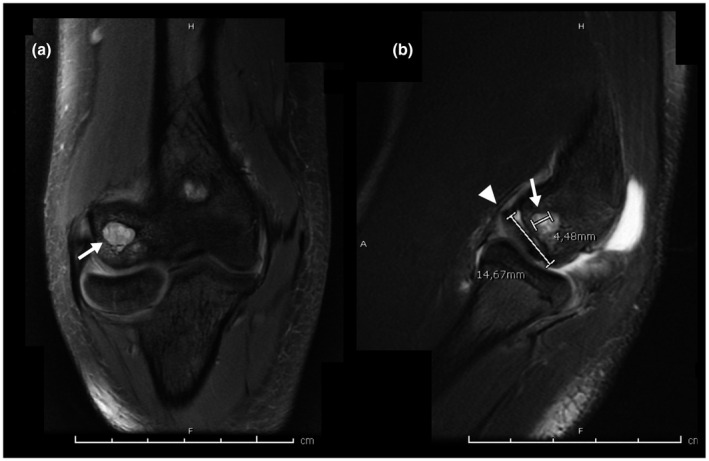
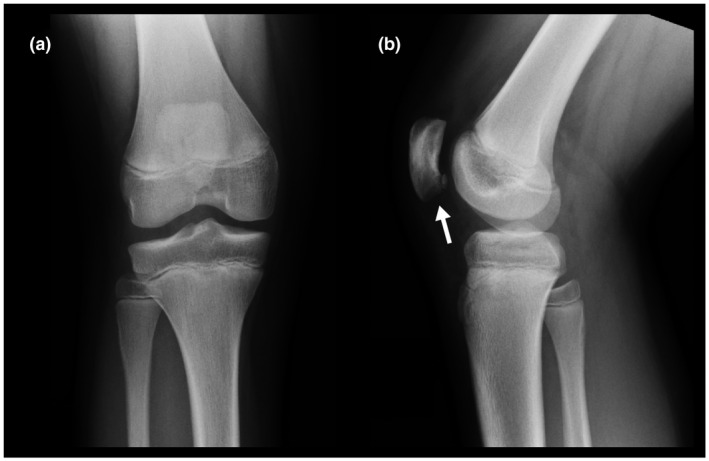
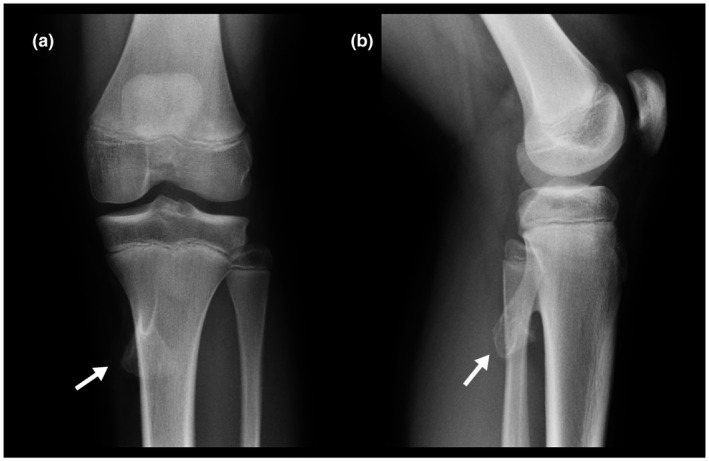
Methods: Herein, we report three individuals from one family; the proband who presented with short stature, a lower limb bone exostosis, and bilateral knee and elbow OCD at the age of 13 years old. His twin brother presented with isolated short stature and his father with short stature and lumbar disc herniation.
Results: Next-generation sequencing of the ACAN gene in the proband identified a frameshift variant which is also present in the brother and father with short stature. The proband was treated surgically with bilateral elbow microfracture, after the failure of conservative therapy.
Conclusion: To the best of our knowledge, this is the first patient with an aggrecanopathy who presents with osteochondritis dissecans due to a frameshift variant. This family presents with variable expressivity which might be attributed to modifier genes.
Keywords: aggrecan; aggrecanopathy; cartilage; chondrodysplasia; familial osteochondritis dissecans; osteochondritis dissecans; skeletal dysplasia.
© 2021 The Authors. Molecular Genetics & Genomic Medicine published by Wiley Periodicals LLC.
Conflict of interest statement
The authors declare no conflict of interest.
Figures
References
-
- Ahmad, C. S. , Vitale, M. A. , & ElAttrache, N. S. (2011). Elbow arthroscopy: Capitellar osteochondritis dissecans and radiocapitellar plica. Instructional Course Lectures, 60, 181–190. - PubMed
-
- Bellelli, A. , Avitto, A. , & David, V. (2001). Spontaneous remission of osteochondritis dissecans in 8 pediatric patients undergoing conservative treatment. La Radiologia Medica, 102(3), 148–153. - PubMed
-
- Bexkens, R. , van Bergen, C. J. , van den Bekerom, M. P. , Kerkhoffs, G. M. , & Eygendaal, D. (2018). Decreased defect size and partial restoration of subchondral bone on computed tomography after arthroscopic debridement and microfracture for osteochondritis dissecans of the capitellum. The American Journal of Sports Medicine, 46(12), 2954–2959. 10.1177/0363546518790455 - DOI - PubMed
Publication types
MeSH terms
Substances
LinkOut - more resources
Full Text Sources
Medical
