. 2022 Jul 15;92(2):127-138.
doi: 10.1016/j.biopsych.2021.09.017. Epub 2021 Sep 27.

Prenatal Δ9-Tetrahydrocannabinol Exposure in Males Leads to Motivational Disturbances Related to Striatal Epigenetic Dysregulation

Affiliations

Prenatal Δ9-Tetrahydrocannabinol Exposure in Males Leads to Motivational Disturbances Related to Striatal Epigenetic Dysregulation

Randall J Ellis et al. Biol Psychiatry. .

Abstract

Background: Cannabis remains one of the most widely abused drugs during pregnancy. In utero exposure to its principal psychoactive component, Δ9-tetrahydrocannabinol (THC), can result in long-term neuropsychiatric risk for the progeny. This study investigated epigenetic signatures underlying these enduring consequences.

Methods: Rat dams were exposed daily to THC (0.15 mg/kg) during pregnancy, and adult male offspring were examined for reward and depressive-like behavioral endophenotypes. Using unbiased sequencing approaches, we explored transcriptional and epigenetic profiles in the nucleus accumbens (NAc), a brain area central to reward and emotional processing. An in vitro CRISPR (clustered regularly interspaced short palindromic repeats) activation model coupled with RNA sequencing was also applied to study specific consequences of epigenetic dysregulation, and altered molecular signatures were compared with human major depressive disorder transcriptome datasets.

Results: Prenatal THC exposure induced increased motivation for food, heightened learned helplessness and anhedonia, and altered stress sensitivity. We identified a robust increase specific to males in the expression of Kmt2a (histone-lysine N-methyltransferase 2A) that targets H3K4 (lysine 4 on histone H3) in cellular chromatin. Normalizing Kmt2a in the NAc rescued the motivational phenotype of prenatally THC-exposed animals. Comparison of RNA- and H3K4me3-sequencing datasets from the NAc of rat offspring with the in vitro model of Kmt2a upregulation revealed overlapping, significant disturbances in pathways that mediate synaptic plasticity. Similar transcriptional alterations were detected in human major depressive disorder.

Conclusions: These studies provide direct evidence for the persistent effects of prenatal cannabis exposure on transcriptional and epigenetic deviations in the NAc via Kmt2a dysregulation and associated psychiatric vulnerability.

Keywords: Cannabis; Chromatin; Depression; Epigenetics; Motivation; Pregnancy.


Conflict of interest statement

Financial Disclosures

The authors reported no biomedical financial interests or potential conflicts of interest.

Figures
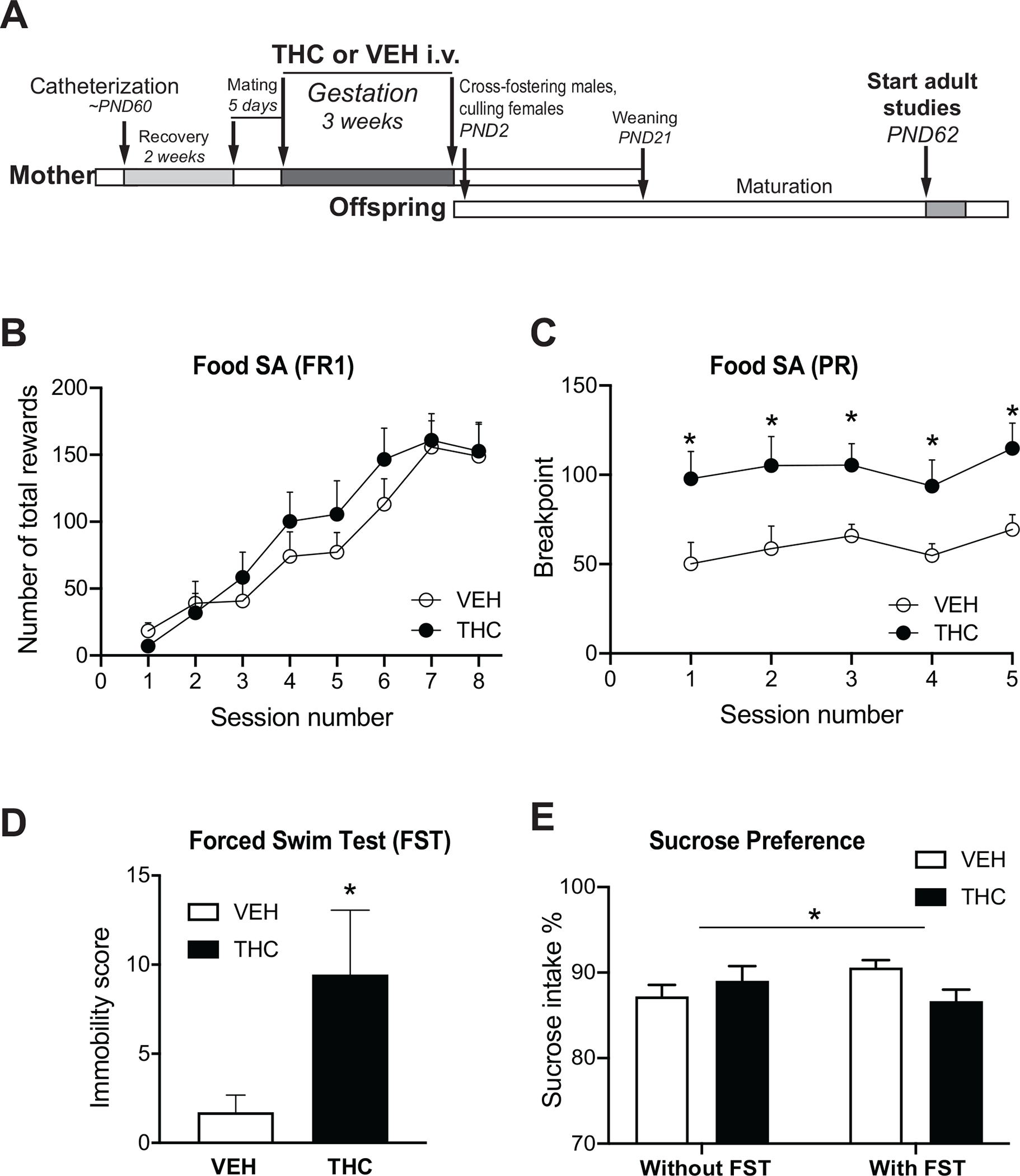
Figure 1.
Figure 1.. THC treatment in utero leads to enduring behavioral alterations in adult offspring.
(A) Prenatal THC Paradigm. Pregnant females were treated with low dose THC or VEH and offspring were studied at adulthood. Food Self-administration under (B) Fixed Ratio 1 (FR1) and (C) Progressive Ratio (PR) schedules. (D) Immobility behavior in the Forced Swim Test (FST). (E) Preference of 1% sucrose solution over water. Horizontal line and asterisk indicate a significant interaction effect between PTE and FST. N=7–9/group in all behavioral tests. Data are expressed as mean ± SEM. *:p<0.05.
Figure 2.
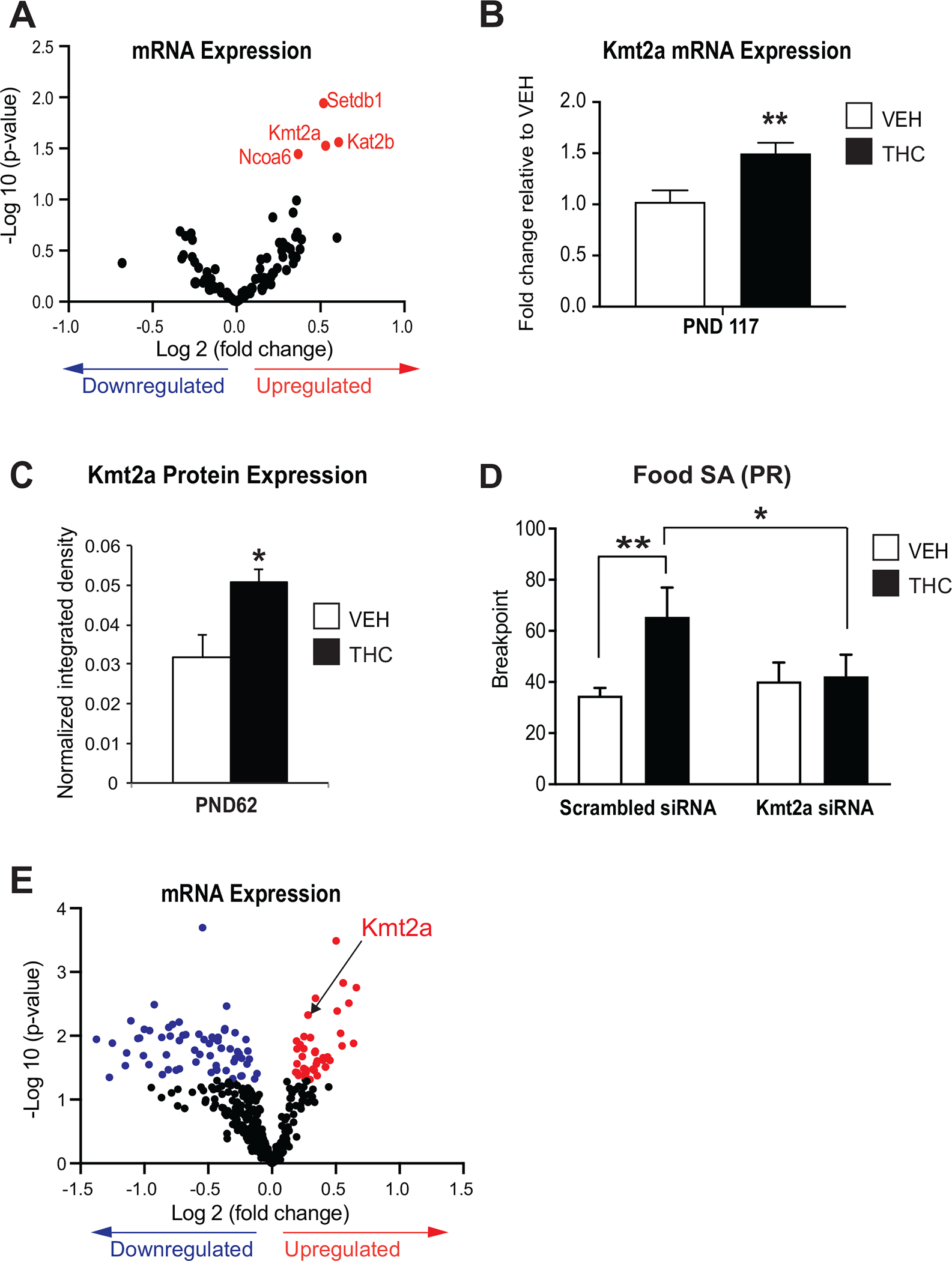
Figure 2.. Increased NAc Kmt2a expression due to PTE is associated with impaired motivational behavior and dysregulation of genes functionally related to neuronal development and plasticity.
(A) Changes in the mRNA levels of epigenetic regulators. Red dots: upregulated genes at p<0.05. N=5–6/group, PND62. (B) Kmt2a mRNA expression throughout development and (C) protein level in young adult offspring. (D) PR food SA breakpoint in siRNA-infused animals, 24h post-infusion. N=4–6/group. Data represented as mean ± SEM. *:p <0.05. (E) Gene expression alterations in adult rats with prenatal THC. Blue dots: downregulated genes, red dots: upregulated genes at p<0.05. N=6–10/group, PND62.
Figure 3.
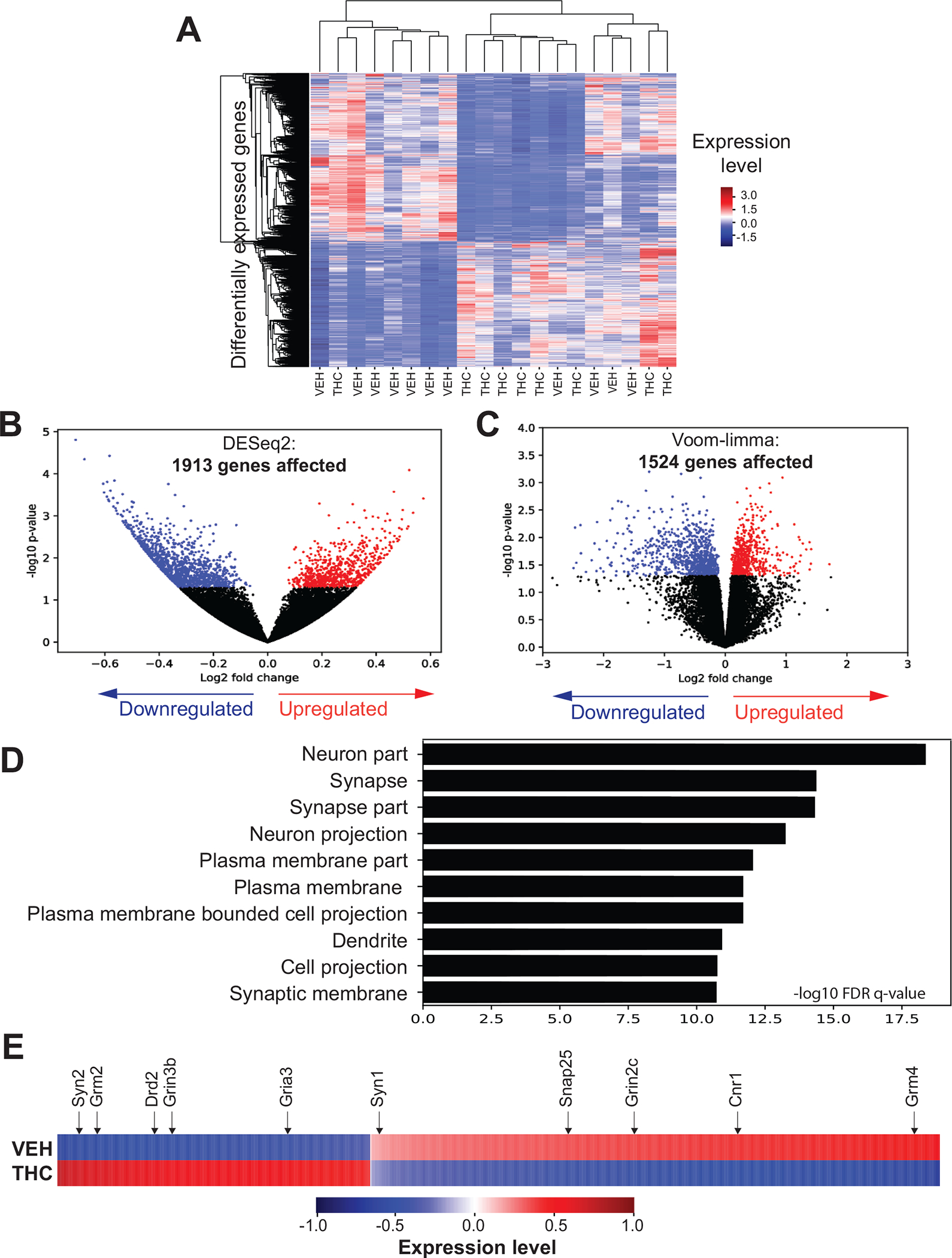
Figure 3.. Consequences of PTE on the NAc transcriptome and affected biological pathways.
(A) Hierarchical clustering of RNA-seq reads for all DEGs (vertical dimension) and samples (horizontal dimension), PND62. (B, C) Distribution of DEGs obtained using the DESeq2 and Voom-limma analysis tools. Each dot corresponds to a single gene; colors indicate significant up-(red) or down-(blue) regulation. (D) Gene ontology analysis using GOrilla on DEGs shared by the DESeq2 and Voom-limma analyses; graph represents the top 10 categories within “cellular component”. (E) Heatmap showing changes in the RNA expression level of DEGs within the above top 10 categories. Arrows point to several interesting genes involved in synaptic regulation.
Figure 4.
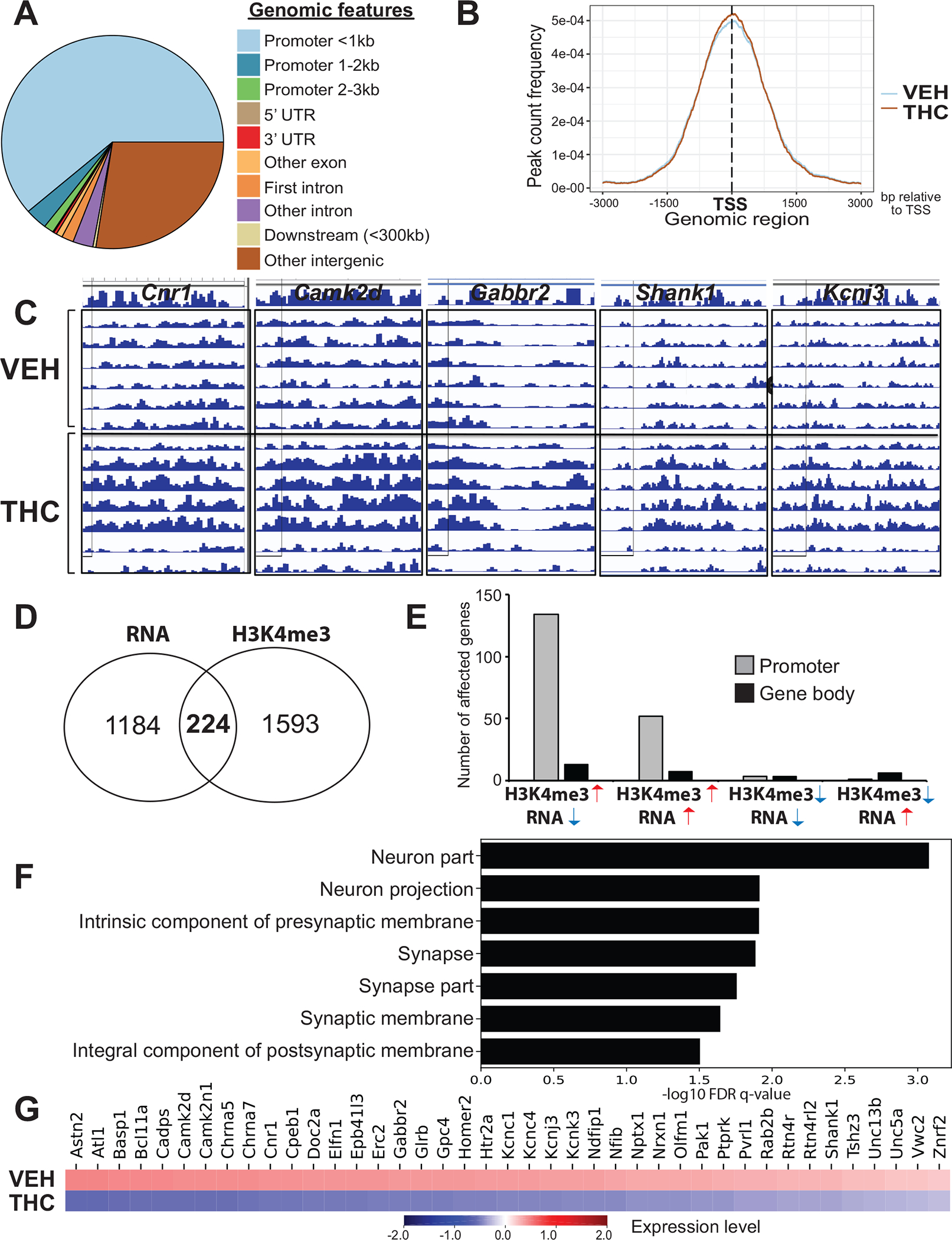
Figure 4.. PTE changes the epigenomic profile of the NAc at gene loci functionally relevant to the regulation of synaptic plasticity.
(A) Enrichment of different genomic features within chromatin domains affected by THC. N=6–7/group. (B) No significant THC-related shift in the distribution of H3K4me3 peaks relative to the transcriptional start sites of affected genes. (C) ChIP-seq peaks for five genes related to cannabis and synaptic neurobiology. Individual rows correspond to samples within the VEH and THC groups. (D) Comparison between genes affected on the mRNA (RNA-seq) and H3K4me3 (ChIP-seq) level. Numbers inside the Venn diagram indicate altered expression regardless of direction of change. (E) Relationship between mRNA transcript and H3K4me3 level changes at different gene loci. Note the higher abundance of affected promoters vs. coding regions. (F) Gene ontology analysis on “H3K4me3 up/RNA down”; graph represents the top 10 “cellular component” categories and heatmap (G) showing the affected genes.
Figure 5.
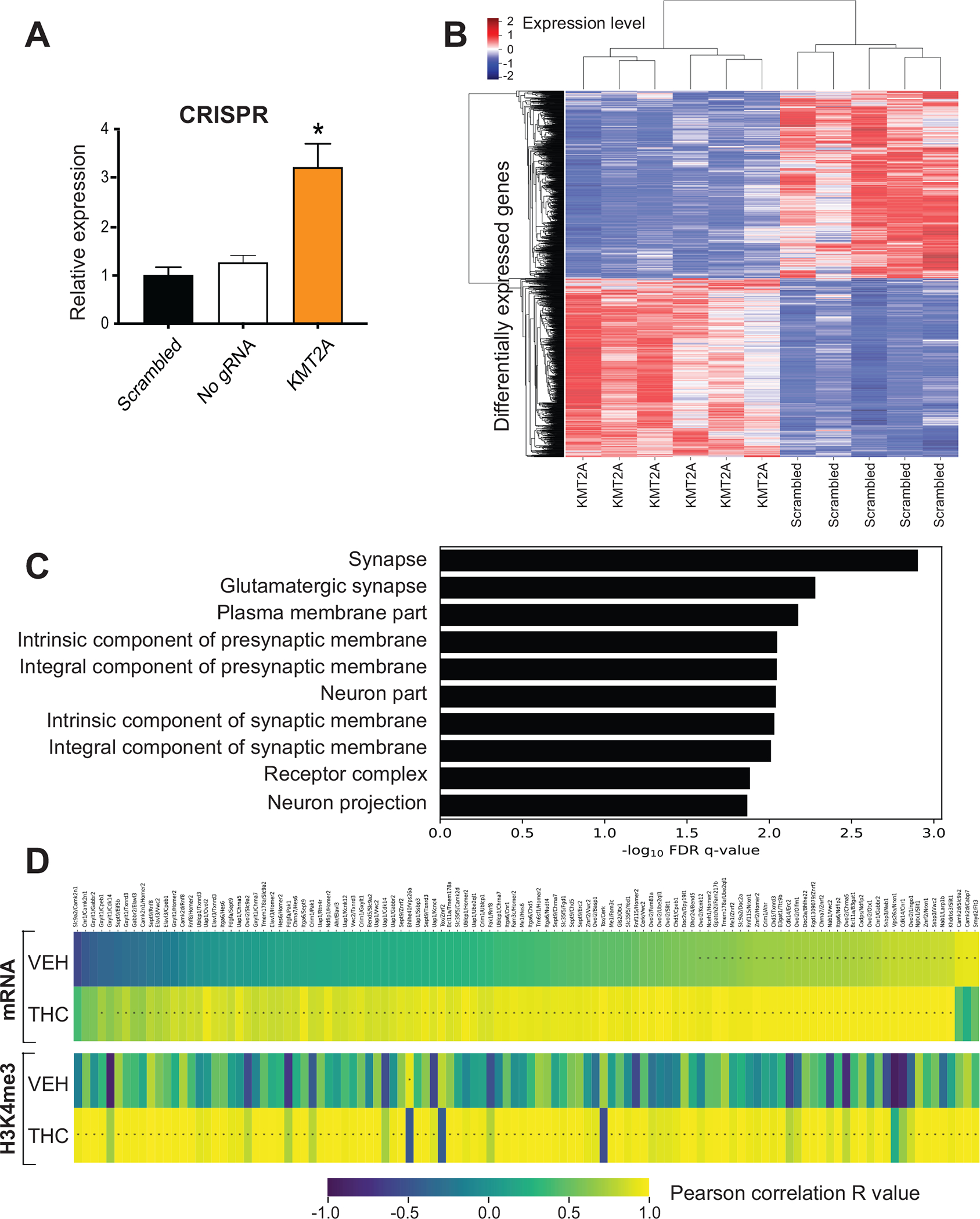
Figure 5.. Specific KMT2A upregulation is associated with similar complex alterations to PTE.
(A) KMT2A upregulation achieved using CRISPR in Neuronal Progenitor Cells. Normalized relative mRNA levels of Kmt2a (orange) compared to Scrambled gRNA control (black) following transduction of dCas9VPR in NPCs. (B) Hierarchical clustering of RNA-seq reads for all DEGs (vertical dimension) and CRISPR samples (horizontal dimension). N=5–6/group. (C) Ontological categories affected in gene-gene relationships observed in our different datasets. (D) Altered pairwise correlations on the mRNA and H3K4me3 levels in the prenatally THC-exposed NAc. Colors correspond to Pearson R values for each gene pair.
Figure 6.
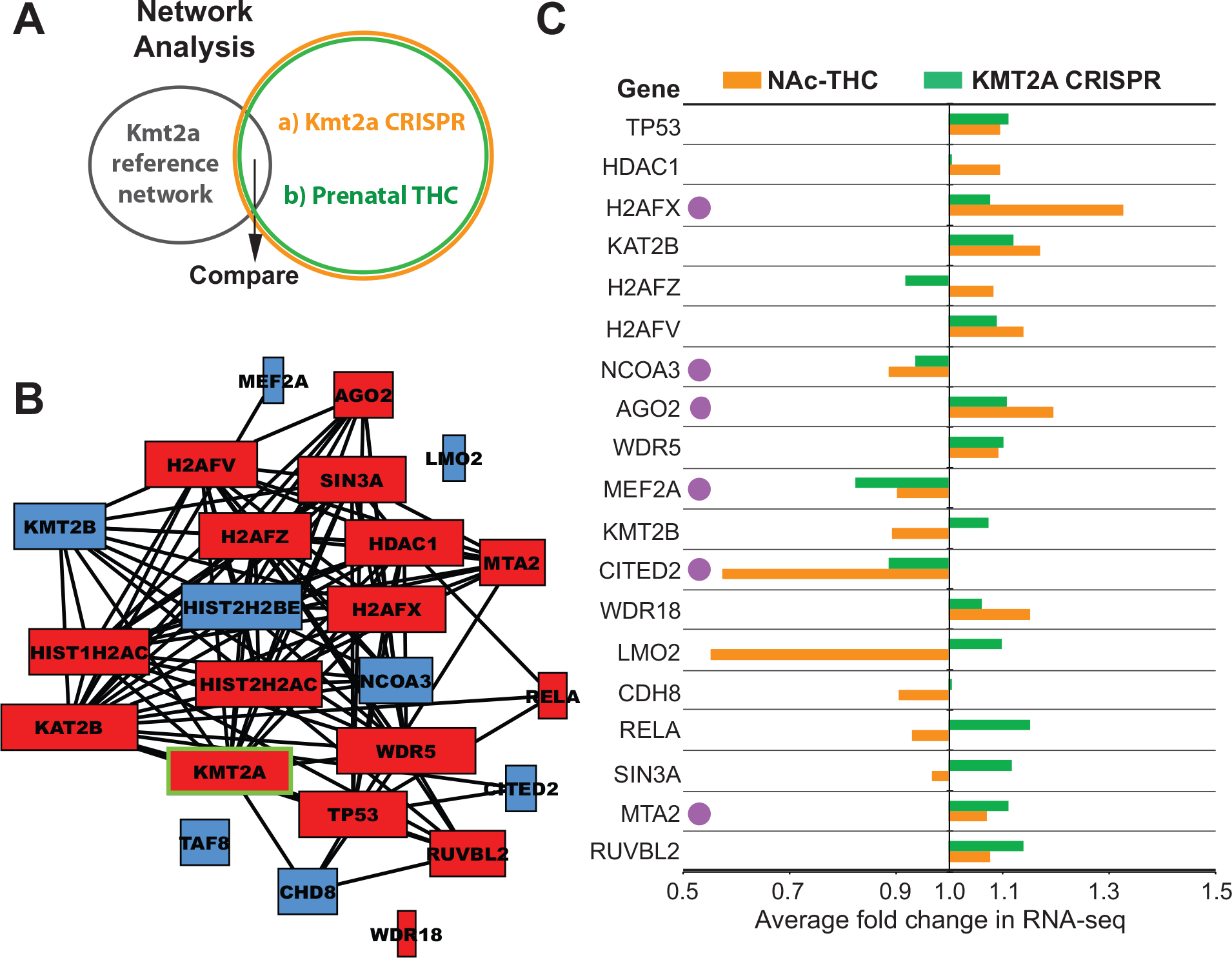
Figure 6.. Affected Kmt2a gene network based on specific Kmt2a dysregulation and PTE.
(A) Network analysis approach. (B) Kmt2a network identified. Colors indicate genes dysregulated either in our prenatal THC or CRISPR Kmt2a overexpression studies. Red: upregulation, blue: downregulation. (C) mRNA level changes of genes within the affected Kmt2a network due to prenatal THC (green bars) and specific Kmt2a upregulation by CRISPR (orange bars). Purple dots indicate potentially interesting repressors.

Comment in

References

    1. Ko JY, Farr SL, Tong VT, Creanga AA, Callaghan WM (2015): Prevalence and patterns of marijuana use among pregnant and nonpregnant women of reproductive age. Am J Obstet Gynecol. 213:201.e201–201.e210. - PMC - PubMed
    1. Volkow ND, Han B, Compton WM, McCance-Katz EF (2019): Self-reported Medical and Nonmedical Cannabis Use Among Pregnant Women in the United States. JAMA. 322:167–169. - PMC - PubMed
    1. Young-Wolff KC, Sarovar V, Tucker LY, Conway A, Alexeeff S, Weisner C, et al. (2019): Self-reported Daily, Weekly, and Monthly Cannabis Use Among Women Before and During Pregnancy. JAMA Netw Open. 2:e196471. - PMC - PubMed
    1. Westfall RE, Janssen PA, Lucas P, Capler R (2009): Reprint of: survey of medicinal cannabis use among childbearing women: patterns of its use in pregnancy and retroactive self-assessment of its efficacy against ‘morning sickness’. Complement Ther Clin Pract. 15:242–246. - PubMed
    1. Roberson EK, Patrick WK, Hurwitz EL (2014): Marijuana use and maternal experiences of severe nausea during pregnancy in Hawai’i. Hawaii J Med Public Health. 73:283–287. - PMC - PubMed

Publication types