


What are the effects of scuba diving-based interventions for clients with neurological disability, autism or intellectual disability? A systematic review
- PMID: 34897600
- PMCID: PMC8920902
- DOI: 10.28920/dhm51.4.355-360
What are the effects of scuba diving-based interventions for clients with neurological disability, autism or intellectual disability? A systematic review
Abstract
Introduction: Recreational scuba diving has existed for over 70 years with organisations emerging that teach individuals with disabilities to dive. It is unclear what the physical and psychosocial effects of scuba interventions might be. This systematic review explores evidence for the effects of scuba diving in individuals with neurological disability, intellectual disability and autism.
Methods: The databases Medline, EMBASE, Ovid Emcare, and SportDiscus were searched. Included papers described a scuba-based intervention for clients with a neurological disability, intellectual disability and autism, with physical or psychosocial outcomes explored in the paper. Quality of the included papers was assessed using the McMaster Appraisal Tools, with descriptive data synthesis completed to explore the physical and psychosocial effects of the interventions.
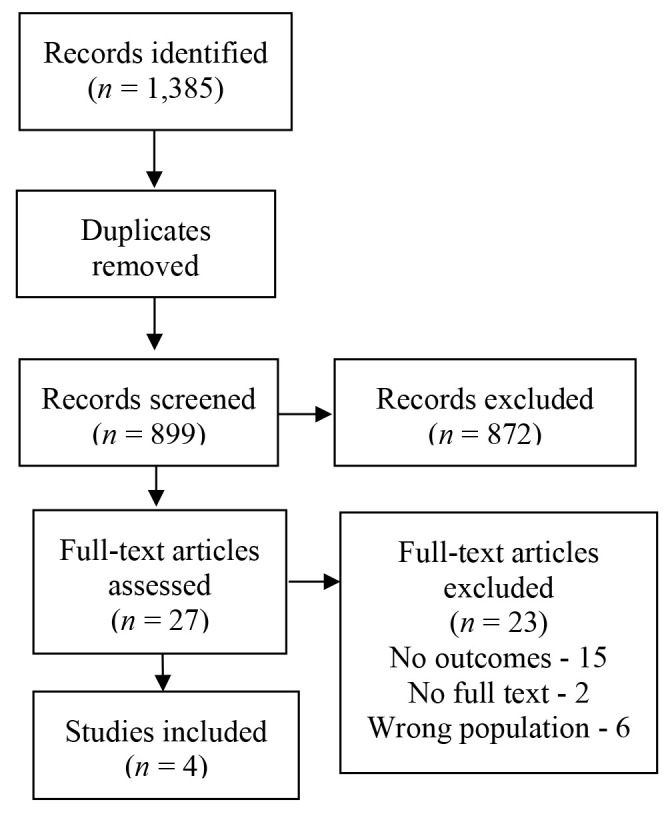
Results: Four papers met the inclusion criteria: a cross-sectional investigation, a phenomenological study, a case-control study and a multiple case study. The quality of the papers was low to moderate. Papers addressed the psychosocial effects of scuba diving, including motivation to participate, participant experiences, the effect on cognition and physical self-concept. One study reported an increase in self-concept for the majority of participants. An increase in understanding instructions and in visual attention was reported in another. Enjoyment of the activity was reported and motivators to be involved in scuba diving for people with disabilities included fun and excitement. No papers addressed functional outcomes.
Conclusions: Whilst scuba diving interventions appear to enhance physical self-concept and are enjoyable, conclusive evidence regarding effectiveness could not be determined. Research in this area is extremely limited.
Keywords: Adapted physical activity; Disabled diver; Evidence; Physiology; Psychology; Review article.
Copyright: This article is the copyright of the authors who grant Diving and Hyperbaric Medicine a non-exclusive licence to publish the article in electronic and other forms.
Conflict of interest statement
Figures
References
-
- World Health Organization. Disability and health. [cited 2019 Jan 23]. Available from: https://www.who.int/news-room/fact-sheets/detail/disability-and-health/.
-
- Dive heart. [cited 2018 Apr 18]. Available from: http://www.diveheart.org/.
-
- Determined2 . Immersion therapy service. [cited 2018 April 04]. Available from: https://www.determined2.com.au/immersion-therapy.html.
Publication types
MeSH terms
LinkOut - more resources
Full Text Sources
Miscellaneous