


Effects of Microbiota-Driven Therapy on Circulating Indoxyl Sulfate and P-Cresyl Sulfate in Patients with Chronic Kidney Disease: A Systematic Review and Meta-Analysis of Randomized Controlled Trials
- PMID: 34905018
- PMCID: PMC9340978
- DOI: 10.1093/advances/nmab149
Effects of Microbiota-Driven Therapy on Circulating Indoxyl Sulfate and P-Cresyl Sulfate in Patients with Chronic Kidney Disease: A Systematic Review and Meta-Analysis of Randomized Controlled Trials
Abstract
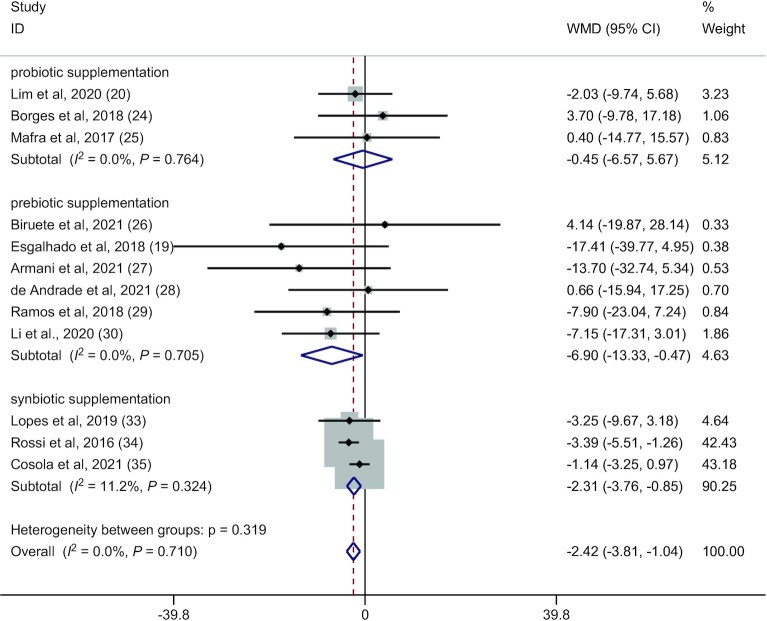
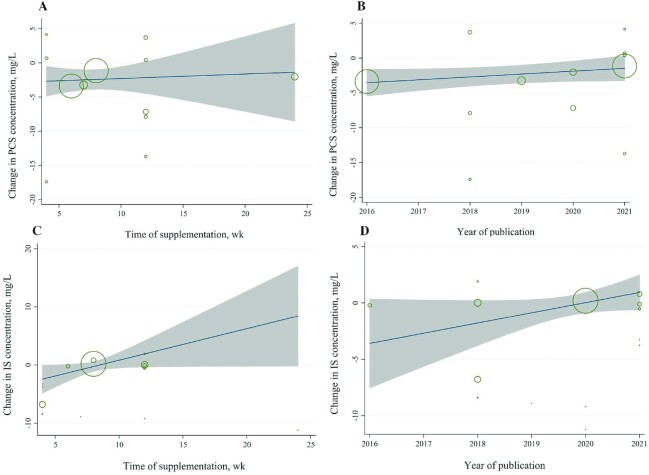
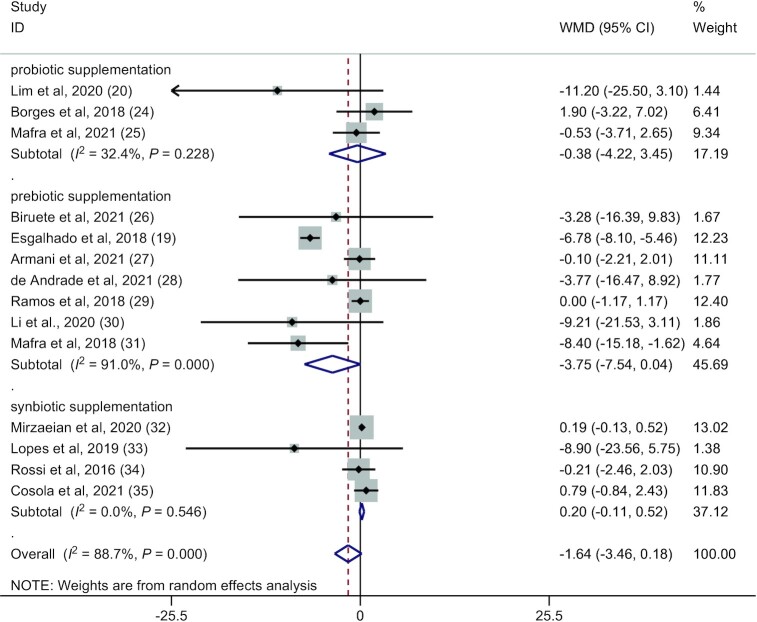
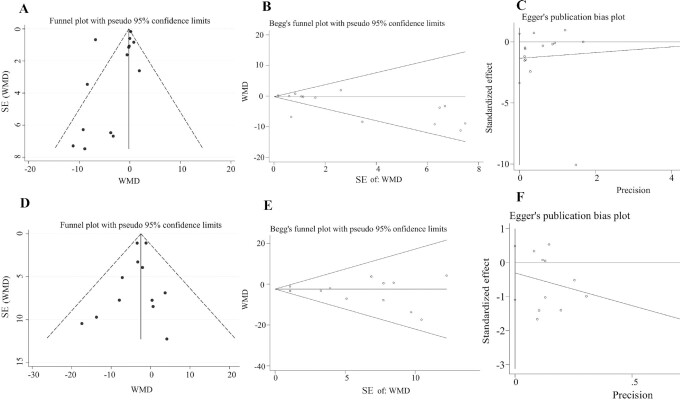
Indoxyl sulfate (IS) and p-cresyl sulfate (PCS), protein-bound uremic toxins, exacerbate the deterioration of renal function and increase the risk of cardiovascular events in chronic kidney disease (CKD) patients. The effects of microbiota-driven therapy (probiotics, prebiotics, or synbiotics) on decreasing circulating IS and PCS concentrations are controversial; thus, we performed the present systematic review and meta-analysis to assess the effects of microbiota-driven therapy on circulating IS and PCS concentrations in CKD patients. PubMed, EMBASE, and Cochrane Library databases were systematically searched from inception to 22 July, 2021, and randomized controlled trials (RCTs) investigating the effects of microbiota-driven therapy on circulating IS and PCS concentrations in CKD patients were included. In all, 14 RCTs with 513 participants were eligible for the meta-analysis. The effects of microbiota-driven therapy on the circulating IS and PCS concentrations were evaluated with weighted mean differences (WMDs) measured by a fixed-effects model or a random-effects model. Compared with placebo, microbiota-driven therapy had no statistically significant effect on the circulating IS concentration (WMD: -1.64 mg/L; 95% CI: -3.46, 0.18 mg/L; P = 0.077) but it decreased the circulating PCS concentration (WMD: -2.42 mg/L; 95% CI: -3.81, -1.04 mg/L; P = 0.001). In the subgroup analyses, prebiotic (n = 6) and synbiotic (n = 3) supplementation significantly decreased the circulating PCS concentration, whereas probiotic (n = 3) supplementation did not. Meta-regression showed that the effects of microbiota-driven therapy were not associated with the supplementation time or the year of publication. Moreover, there was no significant evidence of publication bias. This review found that microbiota-driven therapy decreased the circulating PCS concentration in CKD patients. Additional large, well-designed RCTs with improved methodology and reporting are necessary to assess the effects of microbiota-driven therapy on circulating IS and PCS concentrations in the long term. This systematic review was registered at www.crd.york.ac.uk/prospero/ as CRD42021269146.
Keywords: chronic kidney disease; indoxyl sulfate; meta-analysis; microbiota-driven therapy; p-cresyl sulfate.
© The Author(s) 2021. Published by Oxford University Press on behalf of the American Society for Nutrition.
Figures
Comment in
-
Letter to the Editor on the "Effects of Microbiota-driven Therapy on Circulating Indoxyl Sulfate and p-Cresyl Sulfate in Patients with Chronic Kidney Disease: A Systematic Review and Meta-Analysis of Randomized Controlled Trials".Adv Nutr. 2022 Mar;13(2):693-695. doi: 10.1093/advances/nmac010. Epub 2023 Feb 10. Adv Nutr. 2022. PMID: 37270212 Free PMC article. No abstract available.
References
-
- Gryp T, De Paepe K, Vanholder R, Kerckhof F-M, Van Biesen W, Van de Wiele T, Verbeke F, Speeckaert M, Joossens M, Couttenye MMet al. . Gut microbiota generation of protein-bound uremic toxins and related metabolites is not altered at different stages of chronic kidney disease. Kidney Int. 2020;97(6):1230–42. - PubMed
-
- Meijers B, Evenepoel P, Anders HJ. Intestinal microbiome and fitness in kidney disease. Nat Rev Nephrol. 2019;15(9):531–45. - PubMed
-
- Tanaka K, Watanabe T, Takeuchi A, Ohashi Y, Nitta K, Akizawa T, Matsuo S, Imai E, Makino H, Hishida Aet al. . Cardiovascular events and death in Japanese patients with chronic kidney disease. Kidney Int. 2017;91(1):227–34. - PubMed
-
- Gansevoort RT, Correa-Rotter R, Hemmelgarn BR, Jafar TH, Heerspink HJ, Mann JF, Matsushita K, Wen CP. Chronic kidney disease and cardiovascular risk: epidemiology, mechanisms, and prevention. Lancet. 2013;382(9889):339–52. - PubMed
