


Effectiveness of exercise interventions on mental health and health-related quality of life in women with polycystic ovary syndrome: a systematic review
- PMID: 34930180
- PMCID: PMC8690971
- DOI: 10.1186/s12889-021-12280-9
Effectiveness of exercise interventions on mental health and health-related quality of life in women with polycystic ovary syndrome: a systematic review
Abstract
Background: Polycystic ovary syndrome (PCOS) is a complex condition, impacting cardio-metabolic and reproductive health, mental health and health-related quality of life. The physical health benefits of exercise for women with PCOS are well-established and exercise is increasingly being recognised as efficacious for improving psychological wellbeing. The aim of this review was to summarise the evidence regarding the effectiveness of exercise interventions on mental health outcomes in women with PCOS.
Methods: A systematic search of electronic databases was conducted in March of 2020. Trials that evaluated the effect of an exercise intervention on mental health or health-related quality of life outcomes in reproductive aged women with diagnosed PCOS were included. Methodological quality was assessed using the modified Downs and Black checklist. Primary outcomes included symptoms of depression and anxiety, and health-related quality of life.
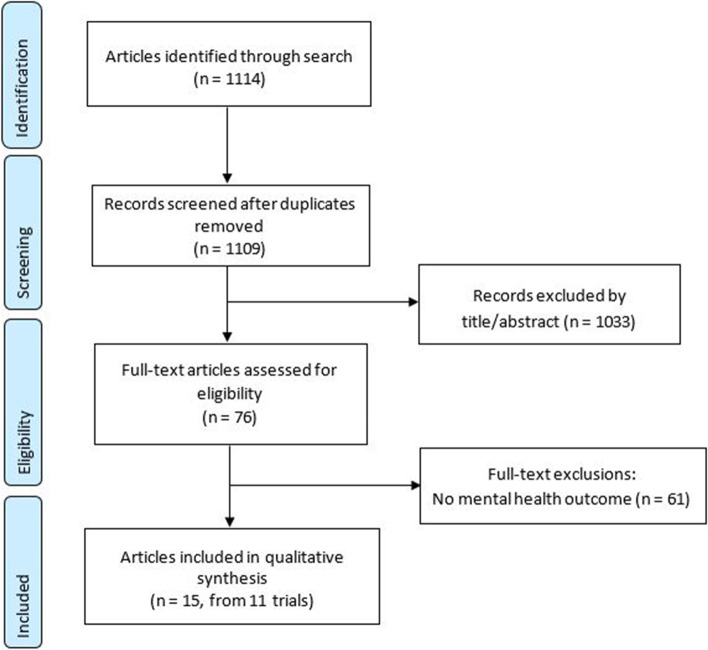
Results: Fifteen articles from 11 trials were identified and deemed eligible for inclusion. Exercise demonstrated positive improvements in health-related quality of life in all of the included studies. Half of included studies also reported significant improvements in depression and anxiety symptoms. There was large variation in methodological quality of included studies and in the interventions utilised.
Conclusions: The available evidence indicates that exercise is effective for improving health-related quality of life and PCOS symptom distress. Exercise also shows some efficacy for improving symptoms and/or prevalence of depression and anxiety in women with PCOS. However, due to large heterogeneity of included studies, conclusions could not be made regarding the impact of exercise intervention characteristics. High-quality trials with well reported exercise intervention characteristics and outcomes are required in order to determine effective exercise protocols for women with PCOS and facilitate translation into practice.
Keywords: Exercise; anxiety; depression; health-related quality of life; mental health; physical activity.
© 2021. The Author(s).
Conflict of interest statement
The authors declare that they have no conflicts or competing interests to declare.
Figures
References
-
- Rotterdam EA-SPCWG. Revised 2003 consensus on diagnostic criteria and long-term health risks related to polycystic ovary syndrome. Fertil Steril. 2004;81(1):19–25. - PubMed
-
- Teede HJ, Hutchison SK, Zoungas S. The management of insulin resistance in polycystic ovary syndrome. Trends Endocrinol Metab. 2007;18(7):273–279. - PubMed
-
- Balen AH, Morley LC, Misso M, Franks S, Legro RS, Wijeyaratne CN, et al. The management of anovulatory infertility in women with polycystic ovary syndrome: an analysis of the evidence to support the development of global WHO guidance. Hum Reprod Update. 2016;22(6):687–708. - PubMed
-
- Stepto NK, Cassar S, Joham AE, Hutchison SK, Harrison CL, Goldstein RF, et al. Women with polycystic ovary syndrome have intrinsic insulin resistance on euglycaemic-hyperinsulaemic clamp. Hum Reprod. 2013;28(3):777–784. - PubMed
Publication types
MeSH terms
LinkOut - more resources
Full Text Sources
Medical
