


Dry eye disease and psychiatric disorders: A systematic review and meta-analysis
- PMID: 34935549
- PMCID: PMC9297048
- DOI: 10.1177/11206721211060963
Dry eye disease and psychiatric disorders: A systematic review and meta-analysis
Abstract
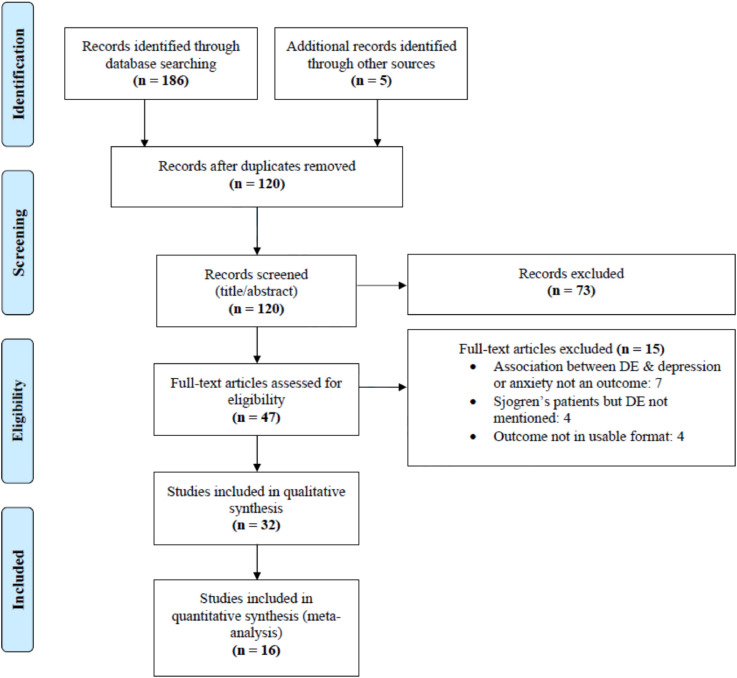
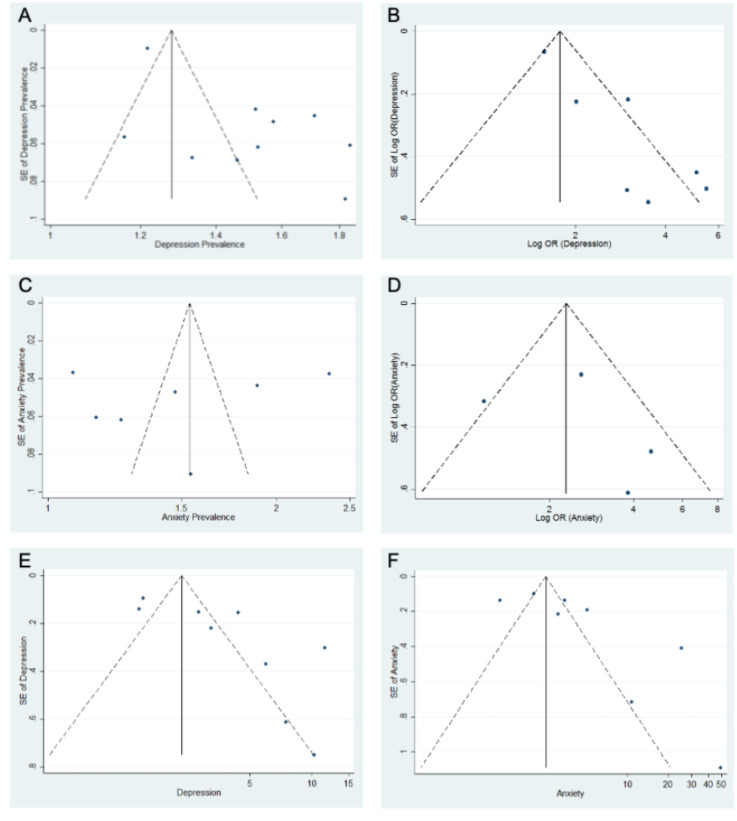
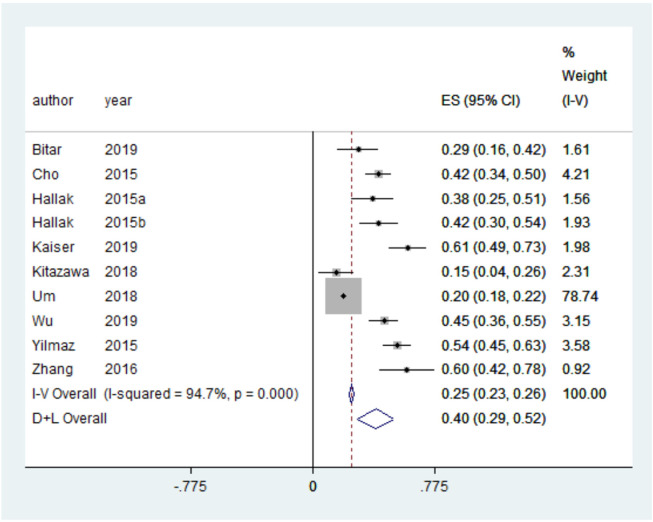
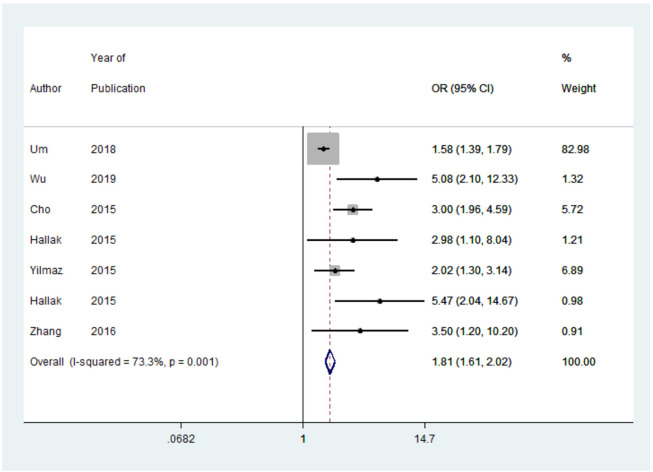
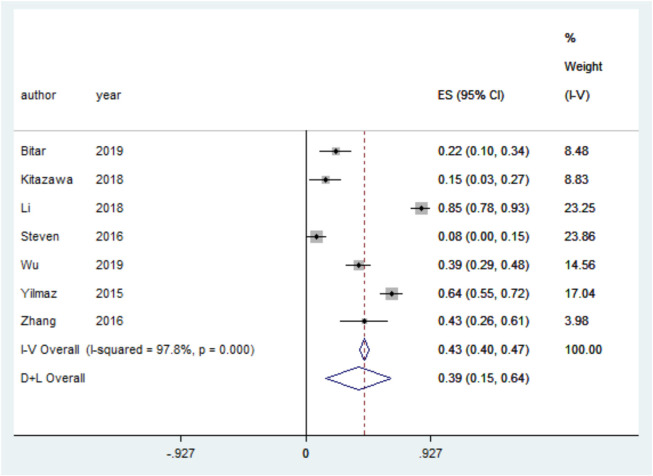
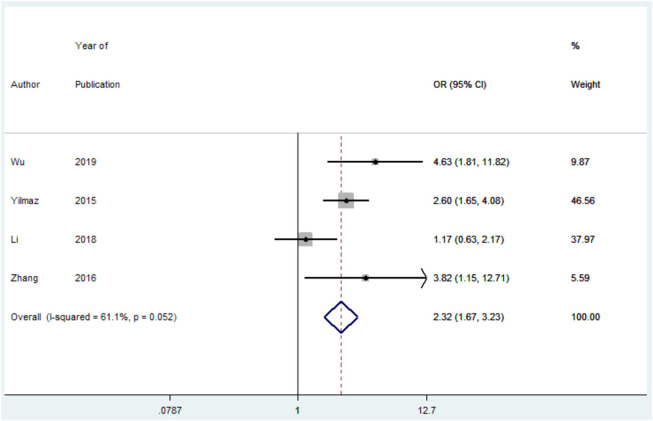
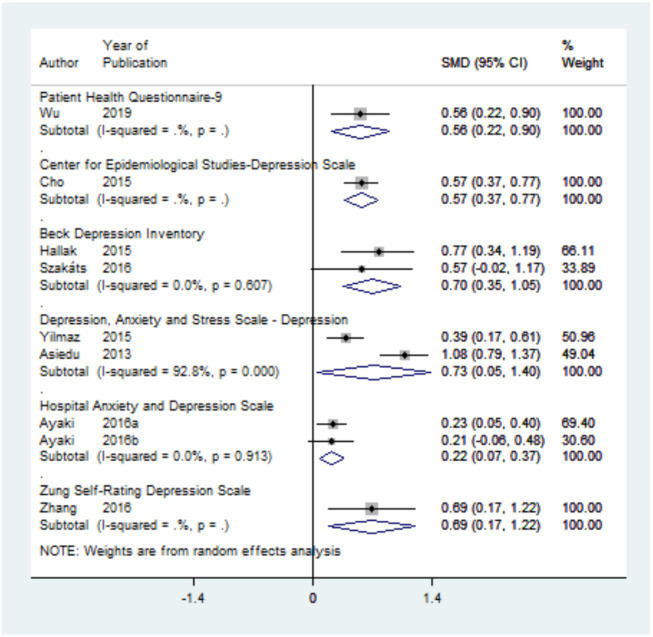
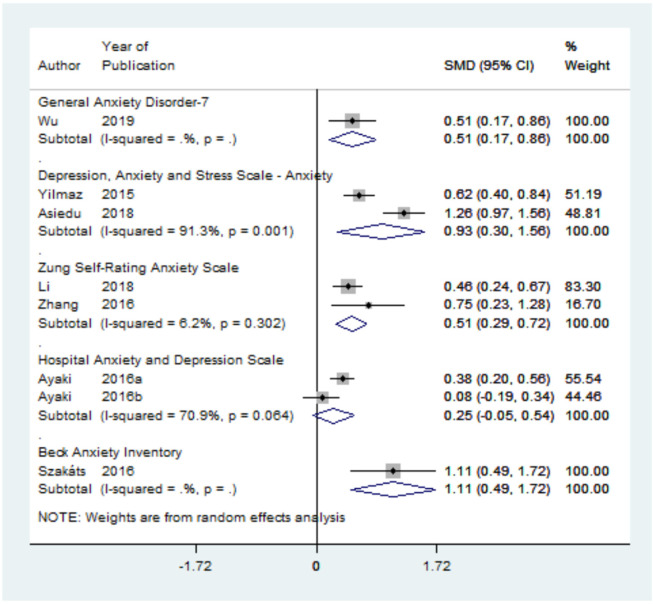
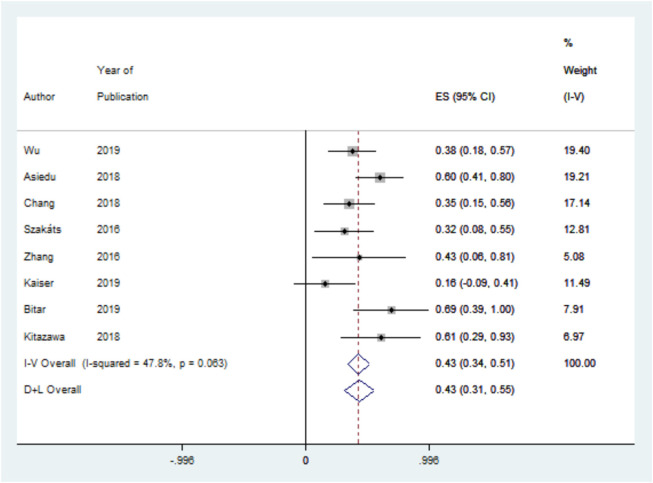
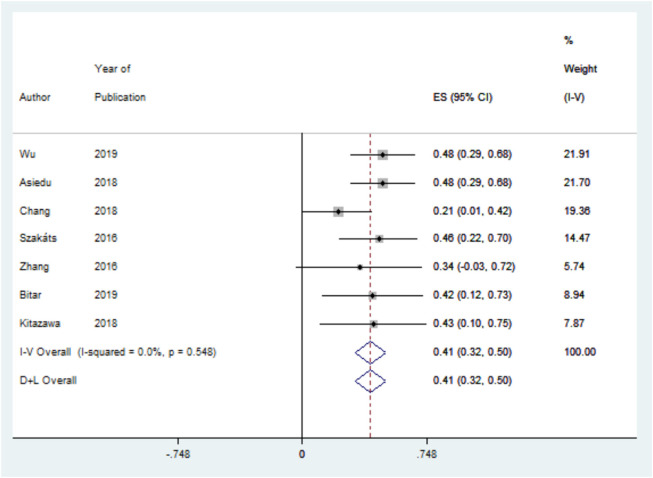
The association between dry eye disease (DED) and psychiatric conditions is a highly researched topic. This work reviews the literature on this relationship, examining the prevalence and correlations of depression and anxiety with dry eye signs and symptoms. A comprehensive literature search of MEDLINE, EMBASE, PsycINFO, and gray literature was conducted, with keywords for dry eye and mood disorders, depression, anxiety, and suicide. Eligible studies underwent quality assessment using the Newcastle-Ottawa Scale. Meta-analysis was performed using STATA 15.0. Fixed- and random-effects models were computed based on the presence of heterogeneity. Thirty-two studies were included, with 31 reporting on depression and 19 on anxiety. Meta-analysis results found a depression prevalence of 40% (CI: [0.29, 0.52]) in DED patients, with 1.81 times higher odds of prevalence compared to controls (CI: [1.61, 2.02]). Prevalence of anxiety was 39% (CI: [0.15, 0.64]), with 2.32 times higher odds of prevalence compared to controls (CI: [1.67, 3.23]). Depression scores were significantly higher in patients with DED in all studies. Anxiety scores were significantly higher in DED patients in studies using all scales except the Hospital Anxiety and Depression Scale-Anxiety Subscale. DED symptom scores were significantly associated with depression (ES = 0.43; CI: [0.31, 0.55]) and anxiety (ES = 0.41; CI: [0.32, 0.50]) scores. In conclusion, depression and anxiety are more prevalent and severe in DED patients and are correlated with dry eye symptoms but not signs. These findings highlight the interrelationship between these disorders and have important implications for providing appropriate care to these patients.
Keywords: Dry eye; anxiety; depression; dry eye disease.
Conflict of interest statement
Figures
References
-
- The Definition and Classification of Dry Eye Disease: Report of the Definition and Classification Subcommittee of the International Dry Eye Workshop (2007). Ocul Surf 2007; 5: 75–92. - PubMed
-
- Tong L, Waduthantri S, Wong TY, et al. Impact of symptomatic dry eye on vision-related daily activities: The Singapore Malay Eye Study. Eye 2010; 24: 1486–1491. - PubMed
-
- Le Q, Ge L, Li M, et al. Comparison on the vision-related quality of life between outpatients and general population with dry eye syndrome. Acta Ophthalmol (Copenh) 2014; 92: 124–132. - PubMed
-
- McDonald M, Patel DA, Keith MS, et al. Economic and Humanistic Burden of Dry Eye Disease in Europe, North America, and Asia: A Systematic Literature Review. Ocul Surf 2016; 14: 144–167. - PubMed
Publication types
MeSH terms
LinkOut - more resources
Full Text Sources
Medical
