. 2022 Jan 10;57(1):112-145.e2.
doi: 10.1016/j.devcel.2021.11.007. Epub 2021 Dec 21.

A census of the lung: CellCards from LungMAP

Affiliations

A census of the lung: CellCards from LungMAP

Xin Sun et al. Dev Cell. .

Abstract

The human lung plays vital roles in respiration, host defense, and basic physiology. Recent technological advancements such as single-cell RNA sequencing and genetic lineage tracing have revealed novel cell types and enriched functional properties of existing cell types in lung. The time has come to take a new census. Initiated by members of the NHLBI-funded LungMAP Consortium and aided by experts in the lung biology community, we synthesized current data into a comprehensive and practical cellular census of the lung. Identities of cell types in the normal lung are captured in individual cell cards with delineation of function, markers, developmental lineages, heterogeneity, regenerative potential, disease links, and key experimental tools. This publication will serve as the starting point of a live, up-to-date guide for lung research at https://www.lungmap.net/cell-cards/. We hope that Lung CellCards will promote the community-wide effort to establish, maintain, and restore respiratory health.

Keywords: COVID; CellCards; LungMAP; cell cards; disease; lung; regeneration; repair; resource; single cell.


Conflict of interest statement

Declaration of interests X.S. and E.E.M. are members of the advisory board for Developmental Cell.

Figures
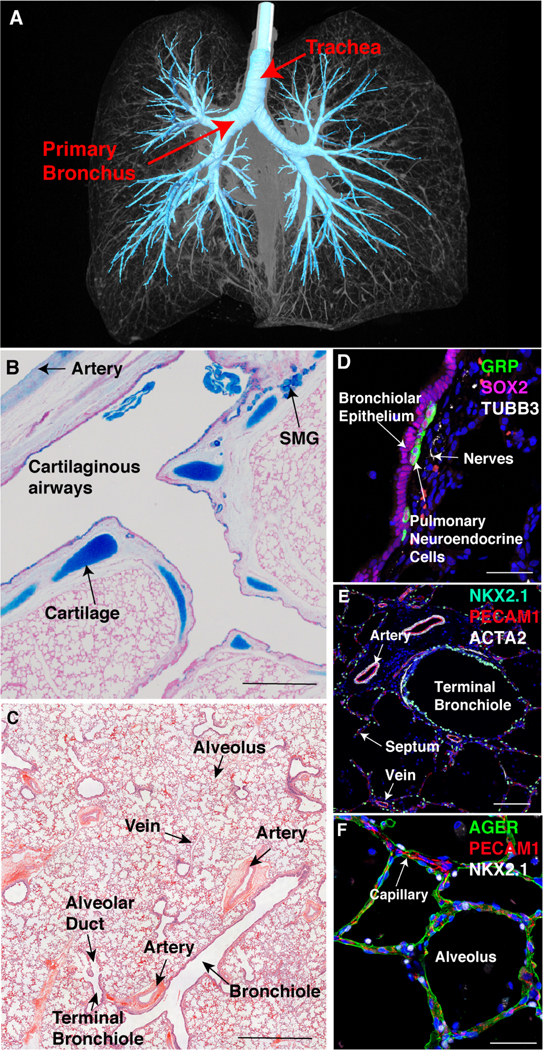
Figure 1:
Figure 1:. Overall lung structure and regional niches.
(A) Computer tomography of an intact human lung with the trachea and conducting airways highlighted. (B) A tile scan of a section of the normal human lung after alcian blue staining identifies proximal airway structures. SMG (submucosal gland). (C) A tile scan of a distal section of normal human lung after H& E staining identifies bronchial and alveolar structures. (D-F) Lung sections were stained with cell-selective markers and imaged by immunofluorescence confocal microscopy to identify diverse cells within airways and alveolar regions. Most conducting airway epithelial cells express SOX2 (D). Clusters of GRP+ pulmonary neuroendocrine cells were localized along the airways, innervated by TUBB3+ nerves (D). NKX2.1+ identifies epithelial cells in airways and alveoli (E, F). Smooth muscle and myofibroblasts express ACTA2 in bronchioles, pulmonary arteries, pulmonary veins, and alveolar septa (E,F). AGER+ alveolar type I cells (F) line the lumen of the alveoli. Scale bars are 1000 mm (B, C), 40 mm in (D, F) and 100 mm in (E).
Figure 2:
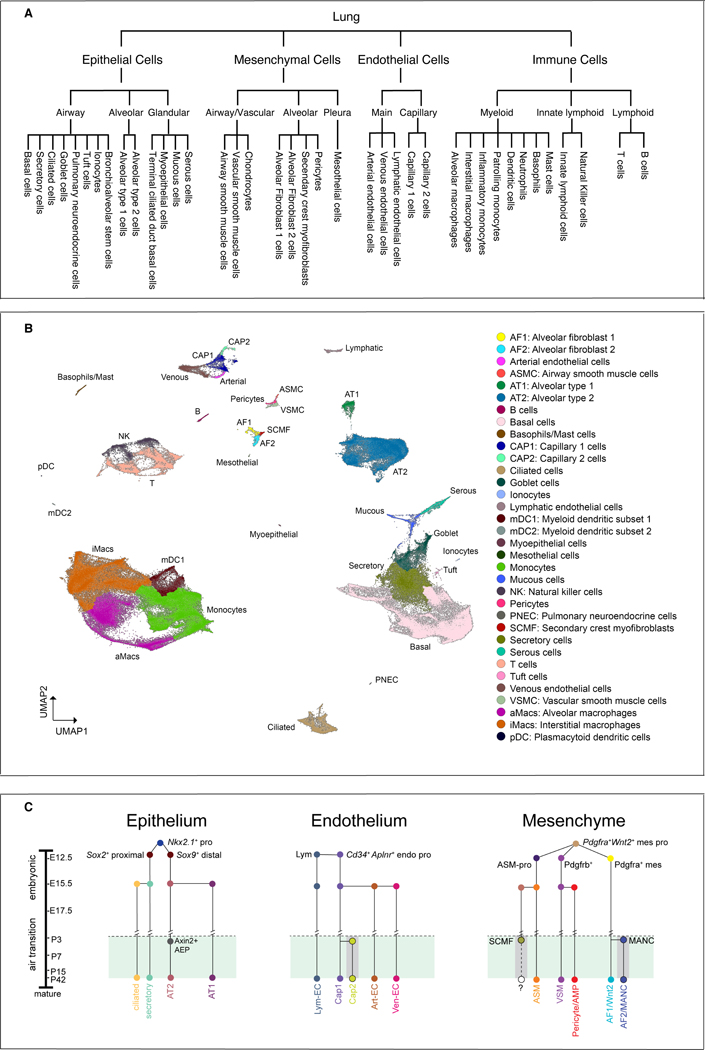
Figure 2:. Lung cell types by region, by single cell clustering and by lineage.
(A) A schematic of cell types featured in CellCards, delineated by general regions of the lung where they reside. (B) UMAP visualization of human lung single cells (n=259,565) colored by their predicted cell identities. Data were from collected 5 published scRNA-seq cohorts (Reyfman, et al., 2019; Adams, et al., 2020; Deprez, et al., 2020; Goldfarbmuren, et al., 2020; Habermann, et al., 2020). Data integration and analysis were performed using Monocle 3 (Cao, et al., 2019). (C) Cell circuitry dendrogram showing developmental cell lineage relationships described in the various resident cell types of the mouse lung. This does not include all identified cell types or states in the various scRNA-seq analysis, rather those that have been confirmed across mouse development using complementary techniques including lineage fate mapping techniques and high resolution imaging across developmental time points. Adapted from (Zepp, et al., 2021), with additional input from (Rawlins, et al., 2009a; Zepp, et al., 2017; Zacharias, et al., 2018; Frank, et al., 2019; Gillich, et al., 2020).
Figure 3:
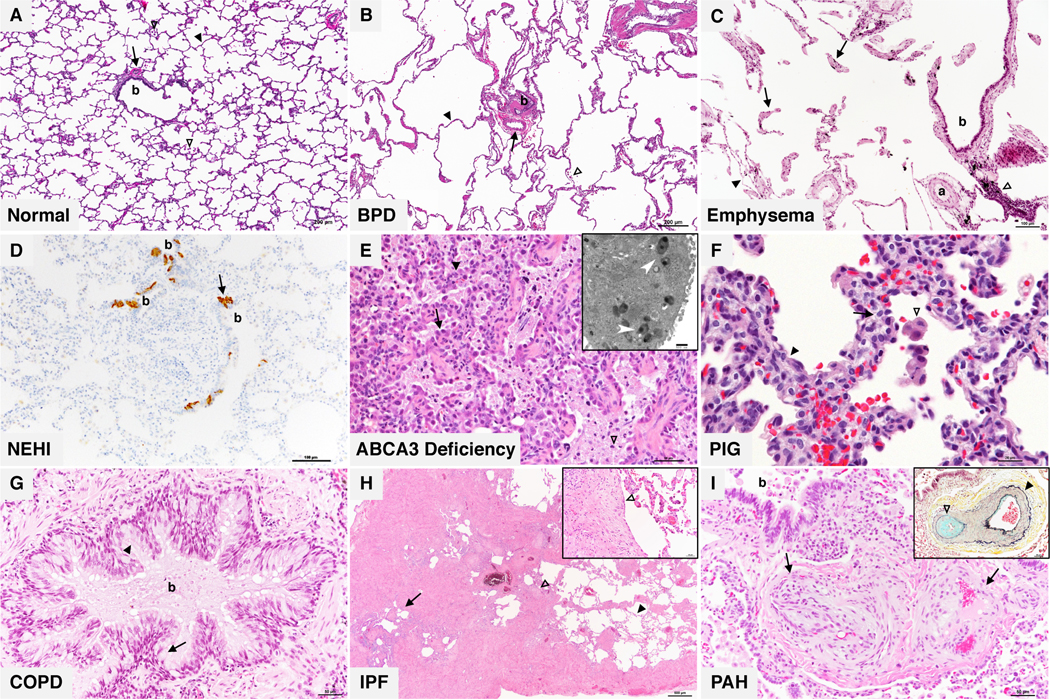
Figure 3:. Histology of normal and diseased human lung.
(A) Normal infant lung: Bronchiole (b) and accompanying artery (arrow) with surrounding alveoli (black arrowhead). Scattered alveolar macrophages (white arrowheads) are present within the alveolar spaces. (B) Bronchopulmonary dysplasia (BPD): large simplified alveoli separated by thin alveolar septa (black arrowhead) in the absence of significant airway injury. Enlargement of the alveoli can be appreciated when comparing to the size of the bronchiole (b) and accompanying artery (arrow). Accumulation of macrophages (white arrowhead) are frequently present. (C) Emphysema: isolated or “free floating” segments of viable alveolar septal tissue (arrows) are the characteristic histologic finding in emphysema. Lymphocytic inflammation with admixed macrophages containing anthracotic black pigment (white arrowhead) present adjacent to the bronchiole (b) and its accompanying artery (a) is a frequent finding in emphysema. (D) Neuroendocrine cell hyperplasia of infancy (NEHI): increased bombesin immunoreactive pulmonary neuroendocrine cells (PNEC) (arrow) within bronchioles (b) are the key diagnostic histologic feature of NEHI. NEHI is diagnosed in lung biopsies free of pathologic findings indicative of other disorders such as architectural disruption, diffuse or advanced airway injury, inflammation, and significant vascular changes. (E) Surfactant deficiency associated with ABCA3 mutation: diffuse AT2 cell hyperplasia (arrow) lining thickened alveolar septa (black arrowhead) and pulmonary alveolar proteinosis features including abundant granular eosinophilic material with admixed foamy macrophages (white arrowhead). Electron microscopic analysis (inset) reveals the characteristic electron dense inclusions within abnormal lamellar bodies described as resembling “fried eggs” (white arrows). (F) Pulmonary interstitial glycogenosis (PIG): alveolar septal expansion (black arrowhead) by glycogen laden mesenchymal cells with vacuolated cytoplasm and indistinct cell borders (arrow). Alveolar macrophages (white arrowhead) are also present. (G) Chronic obstructive pulmonary disease (COPD): large conducting bronchus (b) with increased goblet cells (arrow) and decreased ciliated cells (arrowhead) lining a mucus filled lumen. Chronic bronchitis and emphysema are the two cardinal features of smoking related COPD. (H) Idiopathic pulmonary fibrosis (IPF): nonuniform collagenous interstitial fibrosis associated with cystically dilated airways (arrow), fibroblastic foci (white arrowheads) alternating with areas of preserved alveoli with thin septa (black arrowhead). (I) Pulmonary arterial hypertension (PAH): muscular artery (arrows) with marked intimal cellular proliferations resulting in nearly total luminal occlusion and formation of multiple small vascular spaces. Another muscular artery in the same lung (inset) with prominent medial vascular smooth muscle hyperplasia (black arrowhead) and intimal cellular proliferation and fibrosis (white arrowhead) highlighted by Movat pentachrome stain.
Figure 4:
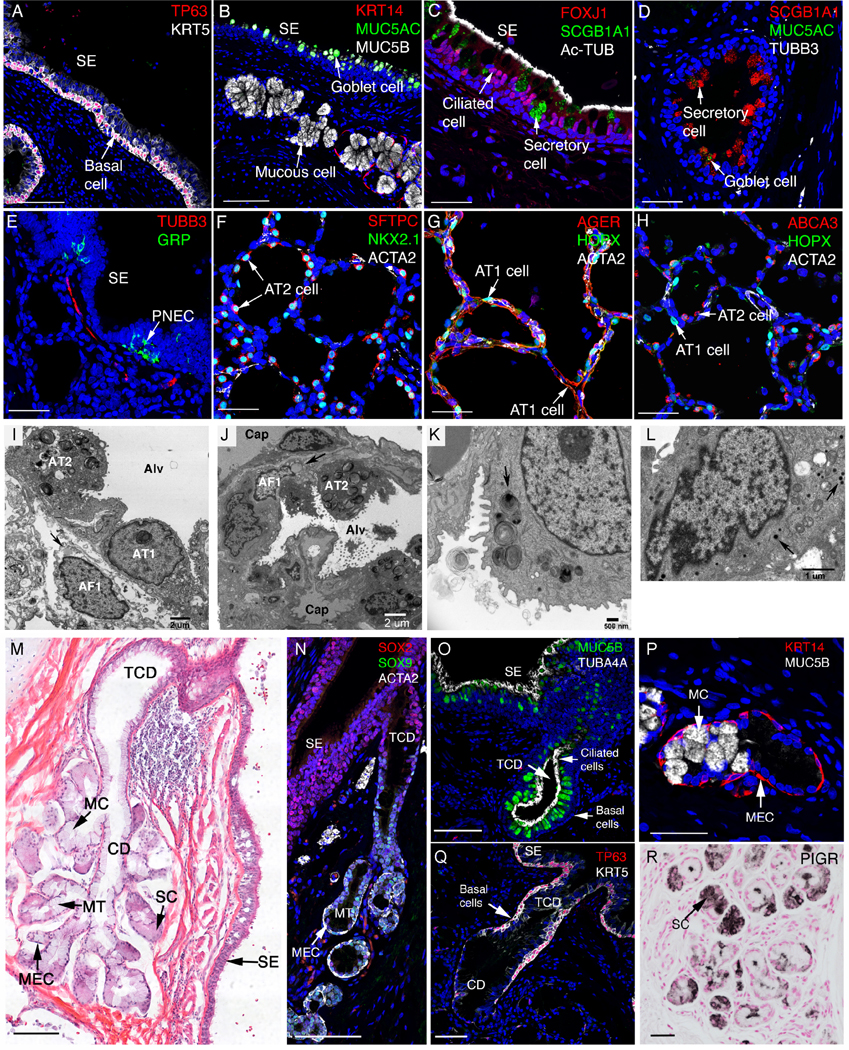
Figure 4:. Epithelial cells in the human lung.
Lung sections were stained and imaged by immunofluorescence confocal microscopy (A) Trachea and larger conducting airways are lined by a pseudostratified epithelium comprised of TP63 and KRT5 stained basal cells. (B) Goblet cells expressing MUC5AC reside in surface epithelium (SE) while mucous cells expressing MUC5B reside in submucosal glands, adjacent to KRT14 stained myoepithelial cells. (C) SCGB1A1+ secretory and FOXJ1+, Ac-TUB+ ciliated cells intersperse along the airway. (D) A few SCGB1A1+ cells also express goblet marker MUC5AC. (E) Pulmonary neuroendocrine cells (PNEC) are found in clusters forming neuroendocrine bodies (NEB) that stain for GRP which are innervated by TUBB3+ nerves. (F-H) Alveolar regions are lined by AT 1 cells (AGER+, HOPX+) and AT2 cells (SFTPC+, NKX2.1+, and ABCA3+). AT 1 cells are closely opposed to capillary endothelial cells for efficient gas exchange. AT2 cells secrete pulmonary surfactant lipids and protein into the alveolus. ACTA2 stains alveolar myofibroblasts (F-H). (I) Alveolar septa with AT1 and AT2, capillaries and an alveolar fibroblast 1 cell (lipofibroblast) containing a lipid droplet (arrow). Alv (alveolar lumen), TEM X6900. (J) Alveolar septa with AT2, alveolar fibroblast 1 (lipofibroblast), capillaries (cap) lined with endothelial cells (en). Alv (alveolar lumen), TEM X2900. (K) Normal lamellar bodies in a AT2 cell, including ones with projection cores (arrow). TEM X12400. (L) A bronchiolar neuroendocrine cell containing multiple dense-core granules (arrows). TEM X19500. (M) H & E staining of a bronchial submucosal gland. Glands open to the airway lumen or surface epithelium (SE). TCD: terminal ciliated ducts; MC: mucous cell; CD: collecting ducts; MT: mucous tubules; SC: MEC: myoepithelial cells. (N) SMG cells in the ducts and most epithelial cells lining conducting airways express SOX2. SOX9 is selectively expressed in SMG epithelial cells. (O) Pseudostratified, terminal ciliated ducts (TCD) are lined by ciliated cells (TUB4A4+) and goblet cells (MUC5B+). (P) Collecting ducts are lined by mucous cells (expressing MUC5B but not MUC5AC). (Q) Pseudostratified, terminal ciliated ducts (TCD) are lined by basal cells (TP63+KRT5+). (R) Peripheral regions of the SMG are lined by serous cells (sc) expressing PIGR. Acini and ducts of the SMG are surrounded by myoepithelial cells (MEC) expressing ACTA2+ and KRT14+ (M, N, P). Scale bars: A, B (100 mm), C-H (40 mm), M, N and Q (100 mm), O and P (40 mm), R (50 mm).
Figure 5:
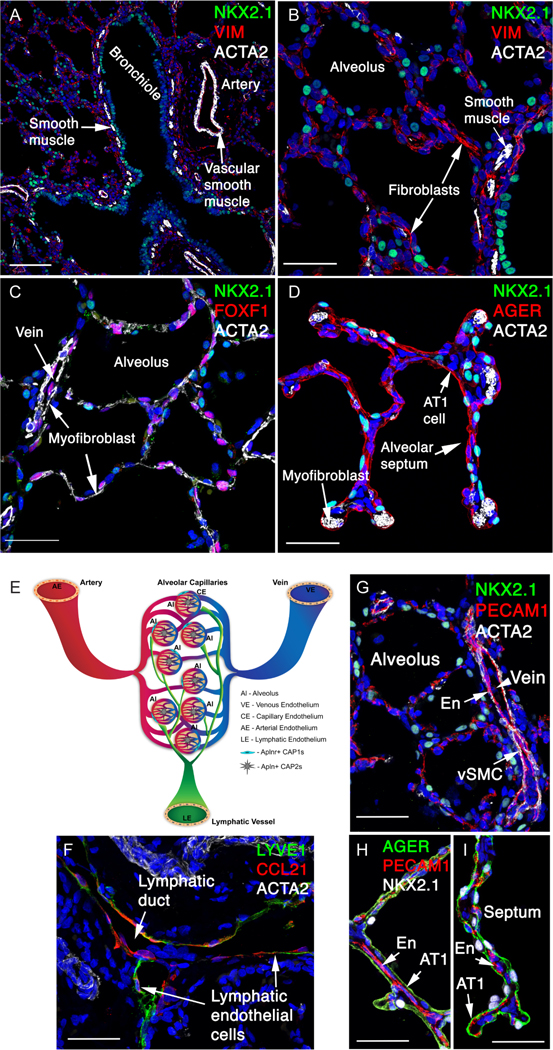
Figure 5:. Mesenchymal and endothelial cells in the human lung.
(A,B) ACTA2+ airway smooth muscle cells line the NKX2–1+ bronchiled epithelium. ACTA2+ vascular smooth muscle cells line an artery. Vimentin (VIM+) stains a subset of fibroblasts. (C,D) ACTA2+ myofibroblasts in alveolar septae in close relationship to AT 1 cells (AGER+). FOXF1+ fibroblasts and endothelial cells are shown (C). (E) A schematic of the main types of pulmonary endothelial cells. Large vessels are lined by arterial endothelium (AE), venous endothelium (VE) and lymphatic endothelial (LE) cells. The alveolar microvasculature consists of two types of capillary endothelial cells: Aplnr+ CAP1 (gCAPs) and Apln+ CAP2 (aCAPs). (F) LYVE1+ and CCL21+ lymphatic endothelial cells line the lymphatic ducts. (G) PECAM1+ endothelial cells (En) are identified in vein and alveolar region, adjacent to vascular smooth muscle cells (vSMC). (H,I) PECAM1+ endothelial cells (En) in the alveolar region are shown adjacent to AGER+ AT1 epithelial cells in the alveoli, facilitating gas exchange. Scale bars: A (100 mm), B-D (40 mm), F-I (40 mm).
Figure 6.
Figure 6.. Immune cells of the human lung.
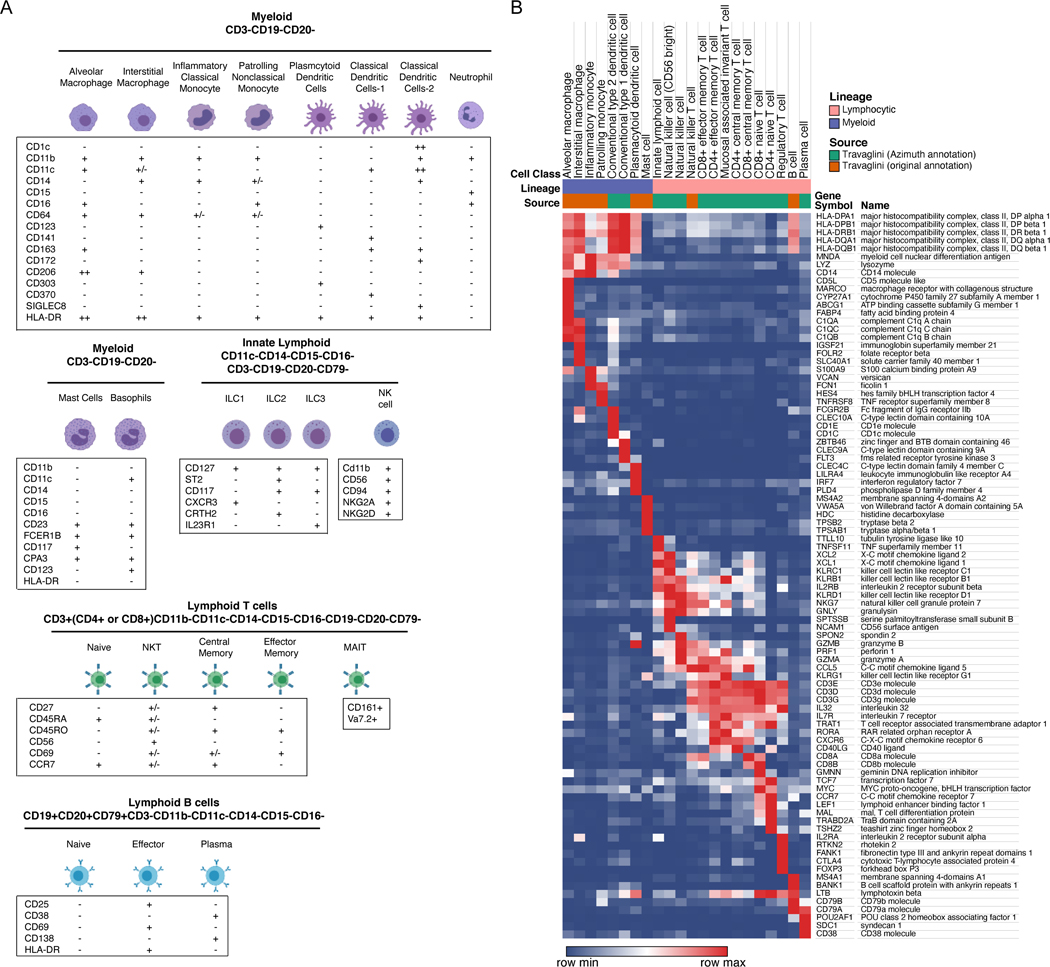
(A) Depiction of lung immune cell types featured in CellCards. They can be delineated based on surface protein expression, with all immune cells expressing CD45. Macrophages are CD11b+; dendritic cells are CD11c+; T cells are CD3+ and B cells are CD19+. Specialized T and B cell states can be identified using additional markers. (B) Heatmap shows expression levels of representative marker genes of lung immune cells using single cell RNAseq data (Travaglini, et al., 2020). Both original annotations and Azimuth-projected annotations were used for cell designations (Hao, et al., 2020). IGSF21+ dendritic cells and basophil/mast cells from the original publication were renamed as interstitial macrophages and mast cells based on the transcriptional profile. Cell ontology labels were used to better illustrate identities of cells. Average normalized values (log2(CPM+1)) for each cell type were used in the heatmap.

References

    1. Adams TS, Schupp JC, Poli S, Ayaub EA, Neumark N, Ahangari F, Chu SG, Raby BA, Deluliis G, Januszyk M, et al. (2020). Single-cell RNA-seq reveals ectopic and aberrant lung-resident cell populations in idiopathic pulmonary fibrosis. Sci Adv 6, eaba1983. - PMC - PubMed
    1. Allard B, Panariti A, and Martin JG (2018). Alveolar Macrophages in the Resolution of Inflammation, Tissue Repair, and Tolerance to Infection. Front Immunol 9, 1777. - PMC - PubMed
    1. Allie SR, and Randall TD (2020). Resident Memory B Cells. Viral Immunol 33, 282–293. - PMC - PubMed
    1. Anderson PJ, Lynch TJ, and Engelhardt JF (2017). Multipotent Myoepithelial Progenitor Cells Are Born Early during Airway Submucosal Gland Development. Am J Respir Cell Mol Biol 56, 716–726. - PMC - PubMed
    1. Ardain A, Marakalala MJ, and Leslie A (2020). Tissue-resident innate immunity in the lung. Immunology 159, 245–256. - PMC - PubMed

Publication types